

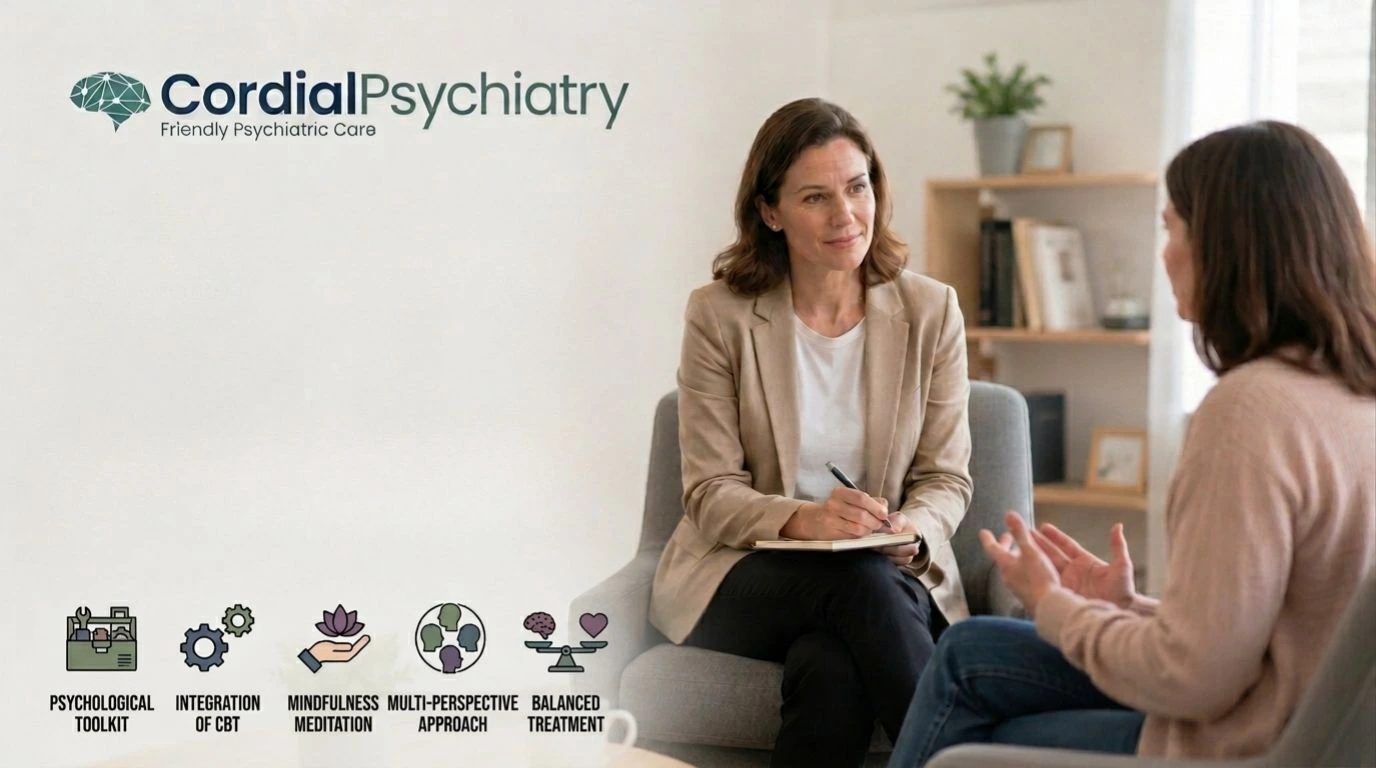
What Is Integrative Psychotherapy? Types & Treatment
Integrative psychotherapy is a modern and flexible approach to mental health treatment that combines techniques from different therapeutic schools. Instead of relying on just one method, it brings together multiple evidence-based approaches to create a personalized treatment plan for each individual.
In simple terms, integrative psychotherapy meaning refers to a therapy style that “integrates” or blends various psychological theories and techniques depending on the client’s needs. This approach recognizes that no single therapy model works for everyone, so treatment should be adapted to the person, not the other way around.
The integrative psychotherapy definition can be understood as: a tailored therapeutic approach that combines cognitive, behavioral, psychodynamic, humanistic, and other evidence-based methods to support emotional healing, behavior change, and personal growth.
To better understand this approach, it is helpful to first learn What is Psychotherapy? and how different therapeutic methods are used to support mental health and emotional well-being.
What Is Integrative Psychotherapy?
Integrative psychotherapy is based on the idea that human experiences are complex and cannot be fully understood through one psychological lens. People experience emotional struggles, trauma, relationships, and stress in different ways, so therapy must remain flexible.
A therapist using this approach may combine:
- Talk therapy to explore emotions and thoughts
- Cognitive techniques to change negative thinking patterns
- Behavioral strategies to improve habits
- Mindfulness practices to increase awareness
- Psychodynamic exploration to understand past experiences
This flexibility makes integrative psychotherapy one of the most adaptable forms of psychological treatment today.
Why Integrative Psychotherapy Is Important
Traditional therapy models often focus on one fixed method. However, mental health conditions like anxiety, depression, trauma, and stress-related disorders are multi-layered.
Integrative psychotherapy is important because it:
- Treats the whole person (mind, emotions, behavior, and past experiences)
- Adapts to individual needs rather than using a fixed formula
- Combines scientifically proven techniques for better outcomes
- Helps clients understand both present challenges and root causes
- Encourages long-term emotional growth, not just symptom relief
This approach is widely used by modern therapists because it increases treatment effectiveness and personal connection.
Before exploring the different forms of integrative therapy, it can be helpful to understand the broader Types of Psychotherapy available today. Integrative psychotherapy often combines elements from multiple therapeutic approaches to create a personalized treatment experience.
Types of Integrative Psychotherapy
Integrative psychotherapy is not a single fixed method. Instead, it adapts and blends different therapeutic approaches depending on the client’s emotional needs, personality, and problems. Because of this flexibility, integrative therapy can take several forms or “types,” each focusing on different ways of combining psychological techniques.
Below are the main types of integrative psychotherapy explained in a simple and clear way:
1. Theoretical Integration
This type focuses on combining two or more psychological theories into one structured approach.
In theoretical integration, therapists try to build a new, unified model by merging ideas from different schools of psychology, such as CBT (Cognitive Behavioral Therapy) and psychodynamic therapy.
How it works:
- Combines concepts from different theories
- Creates a structured treatment model
- Focuses on understanding both thoughts and unconscious processes
Example:
A therapist may use CBT techniques to change negative thoughts while also exploring childhood experiences that influence current behavior.
Best for:
Clients with deep emotional issues that require both surface-level and deep psychological work.
2. Technical Eclecticism
This is one of the most commonly used forms of integrative psychotherapy.
Instead of focusing on theories, therapists select specific techniques that work best for the client’s problem.
How it works:
- Therapist does not follow one theory
- Chooses tools from different therapies
- Focuses only on what works in practice
Example:
- CBT exercises for anxiety
- Mindfulness techniques for stress
- Behavioral strategies for habit change
Best for:
Clients who need practical, fast, and solution-focused treatment.
3. Common Factors Approach
This type focuses on the shared elements that exist in all successful therapies.
Rather than techniques, it emphasizes what makes therapy effective in general.
Key common factors include:
- Strong therapist-client relationship
- Trust and empathy
- Emotional support
- Hope and motivation
- Safe environment for expression
How it works:
The therapist prioritizes building a strong connection and uses methods that strengthen emotional understanding.
Best for:
Clients who need emotional healing, support, and trust-building.
4. Assimilative Integration
This approach is based on one main therapy style, but it gradually integrates techniques from other therapies.
How it works:
- Starts with a primary model (e.g., CBT or psychodynamic therapy)
- Adds other techniques when needed
- Keeps a core theoretical base
Example:
A therapist mainly uses CBT but introduces mindfulness or psychodynamic exploration when helpful.
Best for:
Clients who benefit from a structured therapy style with added flexibility.
5. Eclectic Integration
Eclectic integration is a highly flexible approach where therapists mix techniques from different therapies without strictly following one system.
How it works:
- No fixed model or theory
- Therapy is completely customized
- Changes based on client’s progress and needs
Example:
One session may focus on talking therapy, while another may include relaxation techniques or behavioral exercises.
Best for:
Clients with multiple or changing emotional issues.
6. Holistic Integrative Psychotherapy
This type looks at the whole person, including mind, body, emotions, lifestyle, and environment.
How it works:
- Combines psychological therapy with lifestyle changes
- May include mindfulness, breathing exercises, or stress management
- Focuses on overall well-being
Example:
Along with therapy sessions, a client may be guided on sleep habits, exercise, and emotional regulation techniques.
Best for:
People dealing with stress, burnout, or lifestyle-related mental health issues.
How Integrative Psychotherapy Works
Integrative psychotherapy is not a “one-size-fits-all” treatment. Instead, it follows a flexible and personalized process.
1. Initial Assessment
The therapist first understands the client’s emotional history, current challenges, personality, and therapy goals.
2. Personalized Treatment Plan
Based on the assessment, the therapist selects techniques from different therapy models.
3. Active Therapy Sessions
Sessions may include:
- Talking about emotional experiences
- Identifying thought patterns
- Practicing coping strategies
- Exploring past trauma or relationships
- Learning mindfulness techniques
4. Continuous Adjustment
The therapist adjusts methods depending on progress and changing needs.
5. Long-Term Growth
The goal is not only symptom relief but also emotional resilience and self-awareness.
Benefits of Integrative Psychotherapy
Integrative psychotherapy is widely used in modern mental health care because it offers a flexible and client-centered approach. Unlike traditional therapies that rely on a single method, integrative therapy combines different techniques to provide more effective and personalized treatment. Below are the key benefits explained in detail:
1. Personalized Care
One of the biggest strengths of integrative psychotherapy is that it is tailored to each individual.
Instead of using a fixed treatment plan, the therapist:
- Understands the client’s unique emotional and psychological needs
- Selects techniques that best match their personality and condition
- Adjusts the approach based on progress and response
This personalized care ensures that therapy feels more relevant, supportive, and effective for each person.
2. Holistic Healing
Integrative psychotherapy focuses on the whole person rather than just isolated symptoms.
It considers:
- Thoughts and thinking patterns
- Emotions and emotional responses
- Behaviors and habits
- Past experiences and life events
By addressing all these areas together, the therapy supports deeper and more complete emotional healing.
3. Flexible Approach
Flexibility is a major advantage of this therapy style.
The therapist is not limited to one method and can:
- Switch techniques if something is not working
- Combine different approaches in the same session
- Adapt treatment based on the client’s changing needs
This makes therapy more responsive and effective over time.
4. Better Emotional Understanding
Integrative psychotherapy helps individuals develop a stronger awareness of their inner world.
Clients often:
- Learn to identify negative thought patterns
- Understand the connection between emotions and behavior
- Gain insight into past experiences influencing current issues
- Become more self-aware and emotionally balanced
This deeper understanding is essential for long-term mental well-being.
5. Effective for Multiple Conditions
This therapy is useful for a wide range of psychological and emotional issues, including:
- Anxiety disorders
- Depresión
- Trauma and PTSD
- Stress-related problems
- Relationship and family conflicts
Because it combines multiple methods, it can be adapted to treat both mild and complex conditions effectively.
6. Long-Term Improvement
Unlike some short-term treatments that focus only on symptom relief, integrative psychotherapy aims for lasting change.
It helps clients:
- Build strong coping strategies
- Develop emotional resilience
- Prevent relapse of symptoms
- Maintain mental well-being in daily life
The focus is not just on feeling better temporarily but on creating long-term emotional stability and growth.
Techniques Used in Integrative Psychotherapy
Therapists may use a combination of techniques such as:
- Cognitive restructuring (changing negative thoughts)
- Emotion regulation strategies
- Guided self-reflection
- Mindfulness meditation
- Role-playing exercises
- Behavioral activation
- Narrative exploration of life experiences
The combination depends on what works best for the individual client.
Treatment Process in Integrative Psychotherapy
The treatment process in integrative psychotherapy is structured but flexible. It is designed to understand the client deeply and then use a combination of therapeutic techniques that best fit their needs. Each stage plays an important role in supporting emotional healing and long-term improvement.
1. Understanding the Problem
This is the first and most important stage of therapy. The therapist focuses on gaining a complete understanding of the client’s emotional, psychological, and behavioral difficulties.
During this stage, the therapist may:
- Ask about current symptoms such as anxiety, sadness, stress, or mood changes
- Explore personal history, including childhood experiences and relationships
- Understand triggers that worsen emotional distress
- Identify patterns in thoughts, emotions, and behaviors
- Assess how problems affect daily life, work, and relationships
The goal is to build a clear picture of what the client is going through so the therapist can choose the right combination of treatment methods.
2. Building a Therapeutic Relationship
A strong and trusting relationship between therapist and client is the foundation of effective integrative psychotherapy.
In this stage, the therapist focuses on:
- Creating a safe, non-judgmental environment
- Encouraging open and honest communication
- Building trust, comfort, and emotional safety
- Showing empathy and understanding
- Helping the client feel heard and respected
When clients feel safe, they are more likely to open up about deep emotional issues, which leads to better therapeutic outcomes.
3. Applying Mixed Techniques
This is the core stage of integrative psychotherapy where different therapeutic approaches are combined based on the client’s needs.
The therapist may use:
- CBT techniques to challenge negative thinking patterns
- Mindfulness practices to improve emotional awareness
- Psychodynamic methods to explore past experiences
- Behavioral strategies to change unhealthy habits
- Relaxation techniques to reduce stress and anxiety
These techniques are not used randomly; they are carefully selected and adjusted according to what works best for the client at that time.
4. Monitoring Progress
Therapy is an ongoing process, so regular evaluation is important to ensure improvement.
During this stage, the therapist:
- Reviews the client’s emotional and behavioral progress
- Checks whether symptoms are improving or changing
- Adjusts techniques if something is not working
- Discusses challenges faced between sessions
- Sets new short-term goals for continued improvement
This step ensures that therapy remains effective and aligned with the client’s evolving needs.
5. Strengthening Coping Skills
The final stage focuses on preparing the client to manage challenges independently in daily life.
Here, the therapist helps the client:
- Develop healthy coping strategies for stress and anxiety
- Learn emotional regulation techniques
- Build problem-solving and decision-making skills
- Improve communication and relationship skills
- Practice self-awareness and mindfulness in everyday situations
The goal is to ensure that improvements last beyond therapy sessions and that the client feels confident handling future difficulties.
Conclusion
Integrative psychotherapy is a flexible and modern approach that brings together different psychological theories and techniques to provide personalized mental health care. Instead of limiting treatment to one method, it focuses on what works best for each individual, making therapy more effective and adaptable.
By combining approaches like cognitive, behavioral, psychodynamic, and humanistic therapies, integrative psychotherapy helps address both the surface-level symptoms and the deeper emotional causes of psychological distress. This makes it suitable for a wide range of conditions such as anxiety, depression, trauma, and stress-related issues.
Its strength lies in its holistic and client-centered nature, where the therapist carefully selects and adjusts techniques based on the client’s progress and needs. This not only improves emotional healing but also supports long-term personal growth, self-awareness, and resilience.
FAQS
Is integrative psychotherapy suitable for everyone?
Yes, it can be helpful for most people because it is flexible and can be adapted to different ages, personalities, and mental health conditions. However, the therapist decides the most suitable approach after assessment.
Do I need medication with integrative psychotherapy?
Not always. Many people improve with therapy alone. In some cases, especially moderate to severe conditions, a doctor may recommend medication along with psychotherapy for better results.
What happens in the first session of integrative psychotherapy?
In the first session, the therapist usually:
- Discusses your concerns and symptoms
- Understands your personal and medical history
- Sets initial goals for therapy
- Builds comfort and trust for future sessions
Is integrative psychotherapy short-term or long-term?
It can be both. Some people need short-term support for specific issues, while others benefit from long-term therapy for deeper emotional patterns or trauma.
Can integrative psychotherapy help with stress and overthinking?
Yes, it is very effective for stress, overthinking, and anxiety because it uses techniques like CBT, mindfulness, and relaxation strategies to manage thoughts and emotions.
Can integrative psychotherapy improve relationships?
Yes, it helps individuals understand communication patterns, emotional reactions, and past experiences that affect relationships, leading to healthier connections.