
What Is Psychodynamic Therapy? Meaning, Process, and Benefits

Mental health treatment has evolved significantly over the years, offering individuals a variety of therapeutic approaches to improve emotional well-being. Among the most respected and evidence-based methods is psychodynamic therapy. This form of therapy focuses on understanding how unconscious thoughts, emotions, and past experiences influence present behaviors and relationships. If you have ever wondered what is psychodynamic therapy, how it works, and whether it may benefit you, this guide provides a comprehensive overview. We will explore the psychodynamic therapy definition, common psychodynamic therapy techniques, real-world psychodynamic therapy examples, and the overall therapeutic process. What Is Psychodynamic Therapy? One of the most common questions people ask is, what is psychodynamic therapy? Psychodynamic therapy is a form of talk therapy that helps individuals gain insight into unconscious thoughts, feelings, and behavioral patterns. It is based on the idea that unresolved experiences from childhood and past relationships can influence current emotions, decision-making, and interpersonal interactions. Unlike short-term problem-solving therapies that focus primarily on current symptoms, psychodynamic therapy explores the deeper psychological roots of emotional difficulties. By increasing self-awareness and understanding unconscious motivations, individuals can develop healthier ways of coping with life’s challenges. Today, psychodynamic therapy is widely used to treat depression, anxiety disorders, relationship issues, trauma, personality disorders, and emotional distress. Psychodynamic Therapy Definition The formal psychodynamic therapy definition refers to a therapeutic approach that examines unconscious processes and how they affect present behavior. The goal is to help individuals understand recurring emotional patterns, unresolved conflicts, and hidden motivations that may contribute to psychological distress. Psychodynamic therapy originated from the work of Austrian neurologist and psychoanalyst Sigmund Freud. While modern psychodynamic therapy has evolved significantly from traditional psychoanalysis, it still incorporates many core principles, including the importance of unconscious thoughts and early life experiences. Modern practitioners use evidence-based psychodynamic methods that are more collaborative, structured, and adaptable to contemporary mental health needs. How Does Psychodynamic Therapy Work? Psychodynamic therapy works by creating a safe and supportive environment where individuals can openly discuss their thoughts, feelings, experiences, and relationships. During therapy sessions, a mental health professional helps patients identify patterns that may not be immediately obvious. Over time, individuals begin to recognize how past experiences influence their current emotional reactions and behaviors. The therapeutic process typically involves: Exploring personal history Examining recurring relationship patterns Identifying emotional triggers Understanding unconscious beliefs Increasing self-awareness Developing healthier coping strategies As insight grows, individuals often experience meaningful emotional and behavioral changes that improve their overall quality of life. Core Principles of Psychodynamic Therapy Several key principles form the foundation of psychodynamic therapy. The Unconscious Mind Many thoughts, feelings, and motivations operate outside conscious awareness. These unconscious factors can significantly influence behavior and emotional responses. Early Life Experiences Childhood experiences often shape how individuals view themselves and others. Understanding these experiences can provide valuable insight into current challenges. Emotional Patterns People frequently repeat emotional and behavioral patterns without realizing it. Therapy helps identify and modify these recurring patterns. Relationships Matter Relationships are central to psychodynamic therapy. The way individuals interact with family members, friends, coworkers, and romantic partners often reflects deeper emotional dynamics. Self-Awareness Promotes Change Greater self-understanding can lead to healthier choices, improved relationships, and enhanced emotional well-being. Common Psychodynamic Therapy Techniques Understanding various psychodynamic therapy techniques can help individuals know what to expect during treatment. Free Association Free association encourages patients to speak openly about whatever comes to mind without filtering their thoughts. This process can reveal unconscious feelings and hidden concerns. Exploration of Past Experiences Therapists often explore significant childhood experiences and past relationships to identify patterns that continue to affect present functioning. Identifying Defense Mechanisms Defense mechanisms are unconscious strategies people use to protect themselves from emotional discomfort. Examples include denial, repression, projection, and avoidance. Recognizing these defenses helps individuals better understand their emotional responses. Interpretation Therapists may offer interpretations of recurring themes, behaviors, dreams, or emotional reactions. These insights can help uncover unconscious conflicts. Examining Relationship Patterns Patients often discuss recurring issues in relationships. Identifying these patterns can lead to healthier interpersonal interactions. Transference Analysis Transference occurs when individuals unconsciously project feelings about important people from their past onto the therapist. Exploring these reactions can provide valuable therapeutic insights. These psychodynamic therapy techniques work together to increase self-awareness and promote long-term emotional growth. Psychodynamic Therapy Examples Real-world psychodynamic therapy examples can help illustrate how this therapeutic approach works. Example 1: Anxiety Related to Childhood Expectations A patient struggles with chronic anxiety and perfectionism. During therapy, they discover that they grew up in an environment where achievement was heavily emphasized. As they gain insight into these early experiences, they begin to challenge unrealistic expectations and reduce anxiety. Example 2: Repeated Relationship Difficulties An individual repeatedly experiences conflict in romantic relationships. Through therapy, they recognize a pattern of fearing abandonment due to childhood experiences. Understanding this pattern helps them build healthier and more secure relationships. Example 3: Workplace Stress A professional constantly feels criticized at work, even when receiving constructive feedback. Therapy reveals unresolved feelings related to a highly critical parent. Increased awareness allows them to respond more objectively to workplace situations. Example 4: Depression Following Life Changes A person experiences depression after a major life transition. Psychodynamic therapy helps uncover unresolved grief and emotional conflicts that contribute to their symptoms. Addressing these underlying issues supports recovery and emotional resilience. These psychodynamic therapy examples demonstrate how deeper insight can lead to meaningful and lasting change. Conditions Treated with Psychodynamic Therapy Psychodynamic therapy can be beneficial for a wide range of mental health concerns. Common conditions treated include: Depression Anxiety disorders Panic disorder Trauma-related conditions Personality disorders Relationship difficulties Grief and loss Low self-esteem Emotional regulation challenges Stress-related disorders Research continues to support the effectiveness of psychodynamic therapy for many psychological conditions, particularly when individuals seek long-term emotional growth rather than symptom relief alone. Benefits of Psychodynamic Therapy Many people choose psychodynamic therapy because it focuses on lasting personal transformation rather than temporary symptom management. Potential benefits include: Improved Self-Awareness Individuals gain a deeper understanding of

What Is Dialectical Behavior Therapy (DBT) and How Does It Work?

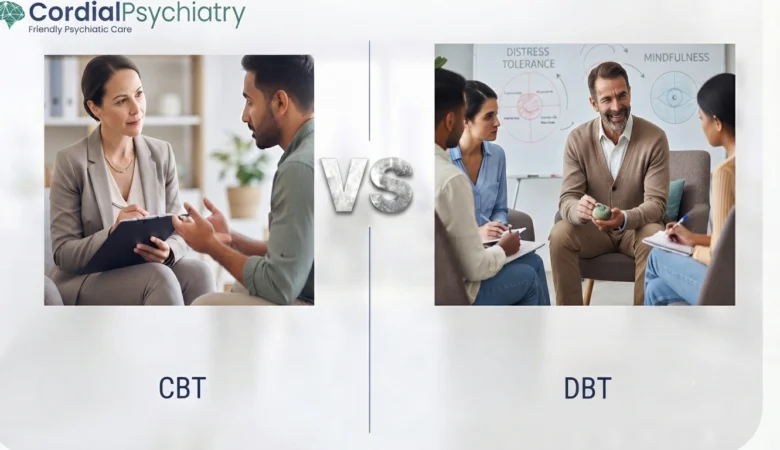
Dialectical Behavior Therapy (DBT) is a structured type of psychotherapy that helps people manage intense emotions, improve relationships, and build healthier coping skills. If you are searching for what is dialectical behavior therapy, this guide will explain everything in simple terms so you can clearly understand how it works and who it helps. DBT therapy is widely used in mental health treatment and is especially helpful for people struggling with emotional instability, anxiety, depression, and self-destructive behaviors. Understanding the different Types of Psychotherapy can help individuals choose the treatment approach that best fits their mental health needs. In this article, we will explore what is DBT therapy, how it works, and what is dialectical behavior therapy used for in real-life treatment. What Is Dialectical Behavior Therapy (DBT)? Dialectical Behavior Therapy, often called DBT therapy, is a type of talk therapy developed to help individuals regulate emotions and change harmful behavior patterns. When people ask what is dialectical behavior therapy, they are usually trying to understand the core principles behind this evidence-based treatment approach. DBT is based on two main concepts: Acceptance (accepting yourself and your emotions) Change (learning new skills to improve your life) This balance between acceptance and change is what makes DBT different from many other therapies. Simply put, dialectical behavior therapy is a skill-based psychological treatment that teaches people how to handle stress, control emotions, and improve relationships in a healthy way. How Does DBT Therapy Help?  If we explain DBT therapy in the simplest way, it is a form of therapy that helps people who experience emotions very intensely or struggle to manage their reactions. DBT teaches practical life skills such as: How to stay calm during emotional stress How to control impulsive behavior How to communicate better with others How to accept difficult situations without self-destructive actions In short, DBT therapy treatment focuses on improving emotional balance and building a better quality of life. What Is Dialectical Behavior Therapy Used For? Many people search for what is dialectical behavior therapy used for because DBT is effective in treating a variety of mental health conditions. 1. Borderline Personality Disorder (BPD) DBT was originally developed to treat Borderline Personality Disorder. It helps reduce mood swings, self-harm behaviors, and unstable relationships. 2. Depression and Anxiety DBT helps people manage overwhelming sadness and anxious thoughts by teaching emotional regulation skills. 3. Self-Harm and Suicidal Thoughts DBT provides coping strategies that help reduce harmful behaviors and encourage healthier responses to distress. 4. Eating Disorders It helps individuals build a healthier relationship with food while learning how to manage emotions more effectively. 5. Substance Abuse DBT is often used in addiction recovery programs to improve impulse control and emotional awareness. The answer to what is dialectical behavior therapy used for is simple: it helps people manage emotional and behavioral challenges across many different mental health conditions. How Does DBT Therapy Work? DBT therapy works through structured sessions and skill-building exercises. Rather than simply discussing problems, it focuses on teaching practical skills that can be applied in everyday life. DBT usually includes four key components: 1. Individual Therapy In one-on-one sessions, a therapist helps you understand your emotions and behaviors while teaching you how to apply DBT skills in daily situations. 2. Group Skills Training Group sessions focus on learning core DBT skills, including: Mindfulness Emotional regulation Distress tolerance Interpersonal effectiveness 3. Phone Coaching (Optional) Some therapists provide phone support to help clients use DBT skills during challenging real-life situations. 4. Therapist Consultation Team DBT therapists often work as part of a consultation team to ensure clients receive the highest quality care. Core Skills in DBT Therapy To fully understand DBT therapy, it is important to know its four primary skill areas. Mindfulness Mindfulness helps individuals stay present in the moment instead of focusing on past regrets or future worries. Distress Tolerance This skill teaches people how to cope with difficult situations without making them worse. Emotional Regulation Emotional regulation helps individuals recognize, understand, and manage strong emotions effectively. Interpersonal Effectiveness This skill improves communication, relationship management, and healthy boundary-setting. These four skills form the foundation of DBT therapy treatment and are practiced throughout the therapeutic process. Why DBT Is Effective DBT is effective because it combines acceptance with practical action. Instead of focusing only on discussing problems, it teaches people how to create meaningful changes in their lives. Benefits of DBT include: Reduced emotional outbursts Improved self-control Stronger relationships Greater emotional awareness Reduced self-destructive behavior This combination of acceptance and change has made DBT one of the most effective therapies for emotional regulation difficulties. Who Should Consider DBT Therapy? DBT may be beneficial for individuals who: Struggle with intense emotions Have difficulty maintaining healthy relationships Experience impulsive behaviors Feel overwhelmed by stress, anxiety, or sadness Engage in self-harming behaviors If you are still wondering what is dialectical behavior therapy, think of it as a structured support system designed to help you develop emotional strength and healthier coping skills over time. Benefits of DBT Therapy Some key benefits of DBT therapy include: Better emotional control Improved communication skills Reduced symptoms of anxiety and depression Healthier coping mechanisms Increased self-awareness Improved overall quality of life DBT therapy treatment focuses not only on reducing symptoms but also on helping people build a more fulfilling life. Challenges in DBT Therapy Although DBT is highly effective, it requires commitment and active participation. Some common challenges include: Time commitment Consistent practice of skills Willingness to change long-standing habits Regular attendance in therapy sessions While progress may take time, the long-term benefits are often significant for those who stay engaged in treatment. Conclusion Dialectical Behavior Therapy (DBT) is an evidence-based psychotherapy designed to help individuals manage intense emotions, improve relationships, and develop healthier coping strategies. Through structured skill-building in mindfulness, emotional regulation, distress tolerance, and interpersonal effectiveness, DBT empowers people to create lasting positive changes in their daily lives. Whether you are struggling with anxiety, depression, emotional dysregulation, self-harming behaviors, or relationship challenges, DBT therapy can provide

What is Cognitive Behavioral Therapy (CBT)? Complete Guide

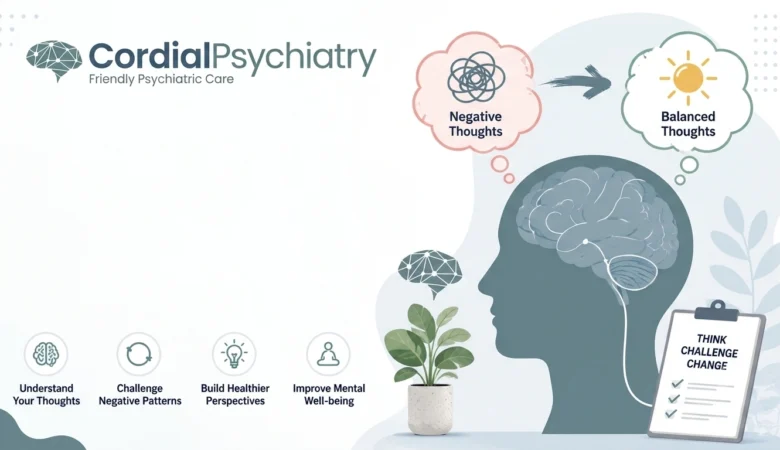
Mental health plays a major role in how we think, feel, and behave every day. Many people struggle with stress, anxiety, depression, and negative thoughts, and one of the most effective treatments for these challenges is Cognitive Behavioral Therapy (CBT). This guide explains what is cognitive behavioral therapy, its CBT meaning, and answers common questions like what is CBT therapy and what cognitive therapy is in a simple way so anyone can understand how it works and why it is used. While CBT is one of the most widely used approaches, it is also part of a broader field known as psychotherapy, which includes different treatment methods such as CBT, DBT, and psychodynamic therapy. Understanding the Concept Behind CBT Cognitive Behavioral Therapy is a structured form of talk therapy that focuses on the connection between thoughts, emotions, and behavior. When people ask what cognitive behavioral therapy is, the simple answer is that it is a method that helps individuals change negative thinking patterns to improve emotional well-being. The CBT meaning is based on the idea that our thoughts directly affect our feelings and actions. A basic definition is: CBT is a psychological approach that helps people change negative thinking patterns to improve emotional well-being and behavior. How CBT Works CBT works by breaking down the connection between thoughts, feelings, and actions and helping individuals replace negative cycles with healthier ones. It follows a simple model: Situation → Thoughts → Feelings → Behavior Steps: A situation triggers a thought That thought creates an emotional response The emotion influences behavior The behavior reinforces the thought Example: Situation: A friend doesn’t reply Thought: “They are ignoring me.” Feeling: Anxiety or sadness Behavior: Avoiding communication CBT helps replace this with a balanced thought: “They might be busy or unable to reply right now.” This is the practical foundation of what is cognitive behavioral therapy. How This Type of Therapy Works in Practice CBT is based on a structured cycle: Thoughts → Feelings → Actions When explaining what CBT therapy is, it refers to this structured process used in sessions. CBT works by identifying negative thoughts and replacing them with realistic ones, which improves emotional responses and behavior over time. This approach is also commonly compared within psychotherapy, where different methods like CBT, DBT, and psychodynamic therapy each focus on different aspects of mental health treatment. The Meaning Behind Cognitive and Behavioral Approaches The term CBT combines two important psychological methods: Cognitive approach: focuses on thoughts and beliefs Behavioral approach: focuses on actions and habits Together, they explain the CBT meaning, which is changing both thinking and behavior to improve mental health outcomes. Origins of Modern CBT Practices Cognitive Behavioral Therapy was developed by psychiatrist Aaron Beck in the 1960s. He discovered that many emotional problems come from automatic negative thoughts. This became the foundation of CBT, which is now one of the most widely used therapies in psychotherapy, alongside approaches like DBT and psychodynamic therapy. How Thoughts Influence Emotions and Actions CBT is built on the idea that situations do not directly cause emotional reactions; instead, interpretation matters more. Example: Situation: A friend doesn’t reply Thought: “They are ignoring me” Emotion: Anxiety or sadness Behavior: Avoiding communication CBT helps replace this thought with: “They might be busy.” This is a core explanation of what is cognitive behavioral therapy in daily life. Conditions That Can Improve with CBT This therapy is widely used for different mental health conditions, including: Anxiety disorders Depression Panic attacks OCD PTSD Phobias Stress-related problems Sleep difficulties Eating-related concerns Techniques Commonly Used in Sessions CBT uses practical tools such as: Identifying thinking patterns Reframing thoughts Gradual exposure Activity planning Journaling Relaxation skills What Happens During a Therapy Session CBT sessions are structured and goal-focused. A therapist may: Discuss current problems Identify thought patterns Explore emotional reactions Teach coping strategies Assign practice exercises This is how CBT therapy is applied in real clinical settings. Expected Duration of Treatment CBT is usually short-term therapy: 6 to 20 sessions It depends on severity, goals, and progress. Effectiveness of This Approach CBT is scientifically supported and highly effective for emotional disorders. It helps reduce: Anxiety Depression Stress Fear-based thinking Who Can Benefit from It CBT is suitable for: Children Teenagers Adults Older individuals It is also used for personal growth, not only clinical treatment. Digital and Online Therapy Options CBT is available online through apps and video sessions, making it accessible, private, and flexible. How It Differs from Other Therapies Unlike therapies that focus on past experiences, CBT focuses on present thinking patterns and practical solutions. Within psychotherapy, other approaches like DBT focus on emotional regulation, while psychodynamic therapy explores unconscious thoughts and past experiences. This broader understanding is explained in detail in Types of Psychotherapy: CBT, DBT, Psychodynamic & More Explained, where different therapy methods are compared. Combining Therapy with Medical Treatment In some cases, CBT is combined with medication for better results, especially in severe conditions like depression or OCD. Challenges People May Experience CBT can be challenging because it requires: Facing negative thoughts Practicing new behaviors Consistency Helpful Tips for Better Results Be honest with your therapist Practice regularly Stay consistent Be patient with progress Final Thoughts Cognitive Behavioral Therapy is a powerful and practical approach to improving mental health by helping people understand the connection between their thoughts, emotions, and behaviors. It clearly explains what is cognitive behavioral therapy, the CBT meaning, and how changing negative thinking patterns can lead to healthier emotional responses and better daily functioning. By focusing on present thoughts and actions, CBT gives individuals structured tools to manage stress, reduce anxiety, and improve overall mental well-being in a more active and solution-focused way. It also fits within the broader field of psychotherapy, which includes different evidence-based approaches like CBT, DBT (Dialectical Behavior Therapy), and psychodynamic therapy. Each of these methods works in a different way, but all aim to support emotional healing, improve coping skills, and help individuals build a healthier mindset depending on their personal

What is Psychotherapy? Complete Guide to Mental Health Therapy

  📞 Call Us Today: 914 570 9000 Psychotherapy is a professional way of helping people improve their mental and emotional well-being through guided conversations with a trained therapist. It focuses on understanding how a person thinks, feels, and behaves in different situations and helps them find healthier ways to deal with life challenges. In simple terms, psychotherapy is a healing process for the mind. Just like doctors treat physical illness, therapists help people take care of their mental health. It is based on communication, trust, and scientific techniques that support emotional recovery and personal growth. Many people today struggle with stress, anxiety, depression, or emotional confusion. Psychotherapy gives them a safe place where they can talk openly without fear of judgment. It helps people understand themselves better and improve their quality of life step by step. Understanding Psychotherapy in Simple Terms Mental health is just as important as physical health, but it is often ignored. Psychotherapy focuses on this area by helping individuals explore their inner thoughts and emotions. Instead of only focusing on symptoms, it tries to understand the root cause of emotional problems. For example, if someone feels constant sadness or stress, therapy helps explore why these feelings exist and how they can be managed in a healthy way. At this point, many people start asking what is psychotherapy, and the answer always comes back to one idea: it is a structured way of understanding the mind and improving emotional health through guided support. This process is not about giving advice only; it is about guiding a person to discover their own answers with professional support. Meaning and Purpose The idea behind psychotherapy is simple: every person goes through emotional difficulties at some point in life. These difficulties can affect thinking, behavior, relationships, and daily routine. Psychotherapy helps in organizing these thoughts and emotions. It allows a person to see their problems more clearly and respond to them in a balanced way instead of reacting emotionally or negatively. It is a structured process that uses psychological techniques to improve mental clarity and emotional stability. The main purpose is to help people live a more peaceful and meaningful life. Many experts describe psychotherapy as a bridge between emotional struggle and mental stability, helping people rebuild control over their thoughts and feelings. How It Works in Real Life In a typical therapy setting, a person talks with a trained mental health professional in a private and safe environment. The therapist listens carefully and helps the person understand their emotions and behavior patterns. Over time, the therapist and individual work together to identify negative thinking habits and replace them with healthier thoughts. This process also helps in improving self-awareness, which means understanding your own feelings and reactions better. For example, someone who feels anxious in social situations may slowly learn why this happens and how to manage it using practical techniques. This can lead to improved confidence and reduced fear over time. When people first explore what is psychotherapy, they often realize it is not about quick fixes, but about long-term mental growth and emotional balance. Why People Choose This Kind of Support People seek therapy for many different reasons. Some feel overwhelmed by stress at work or home, while others struggle with emotional pain from past experiences. Some simply want to understand themselves better. It is important to know that therapy is not only for serious mental illness. It is also useful for personal development and emotional balance. Many individuals use it to improve relationships, handle pressure, and build a more positive mindset. It gives them tools to deal with real-life challenges in a healthier way. Emotional Healing and Thinking Patterns One of the main goals of therapy is to improve how a person thinks and feels. Our thoughts have a strong impact on emotions and behavior. Negative thinking can lead to stress, sadness, or anxiety, while positive thinking can improve emotional well-being. Therapy helps people recognize harmful thought patterns and slowly change them. This does not happen instantly; it is a gradual process that requires time and effort. As a person learns to manage their thoughts better, they also begin to feel more stable and confident in their daily life. Confidential and Safe Environment A very important part of psychotherapy is privacy. Everything shared during sessions is kept confidential. This allows individuals to speak freely without fear. This safe environment helps people open up about their true feelings, which is often the first step toward healing. Many people find it easier to talk to a therapist than to friends or family because there is no judgment involved. Impact on Daily Life The benefits of therapy are not limited to emotional support. It also has a positive effect on everyday life. People often notice improvements in how they handle stress, communicate with others, and make decisions. They become more patient, calm, and emotionally balanced. Relationships also improve because individuals learn better communication skills and emotional understanding. Over time, these changes create a more stable and healthy lifestyle. Misunderstandings People Have There are many wrong beliefs about therapy that stop people from seeking help. Some think it is only for people who are “mentally weak,” but that is not true. Seeking help actually shows strength and self-awareness. Others believe talking cannot solve problems. However, guided conversation can change the way a person thinks and reacts to situations, which can have a powerful impact on mental health. Another common misunderstanding is that therapy gives instant solutions. In reality, it is a gradual process that takes time and consistency. Who Can Benefit from It Anyone can benefit from therapy, regardless of age or background. It is helpful for people who are dealing with stress, emotional pressure, or personal challenges. It is also useful for those who simply want to understand themselves better and improve their life skills. Whether someone is facing a major life difficulty or small emotional struggles, therapy can provide valuable support and guidance. What a Typical Session Feels

Types of Psychotherapy: Complete Mental Health Guide

  📞 Call Us Today: +1 914 570 9000 Psychotherapy is one of the most effective treatments for mental health conditions such as anxiety, depression, ADHD, trauma, and stress-related disorders. It involves talking with a trained mental health professional to understand emotions, thoughts, and behaviors and to develop healthier coping strategies. Psychotherapy is widely recommended by psychiatrists and psychologists because it is evidence-based and focuses on long-term emotional healing rather than just symptom control. There are several types of Psychotherapy, each designed to address different psychological needs. Understanding these types can help individuals choose the right treatment and improve their mental well-being. In clinical practice, the choice of therapy depends on the patient’s condition, personality, and treatment goals. In this article, we will explore the main types of Psychotherapy, how they work, and their benefits in a simple and professional way. 1. Cognitive Behavioral Therapy (CBT) Cognitive Behavioral Therapy (CBT) is one of the most widely used and evidence-based forms of Psychotherapy. It focuses on identifying and changing negative thought patterns that affect emotions and behavior. CBT is structured, goal-oriented, and supported by strong clinical research. CBT helps patients understand how their thoughts influence their feelings and actions. By changing negative thinking patterns, individuals can improve emotional responses and daily functioning. Therapists often use practical exercises, journaling, and behavioral tasks to reinforce learning. CBT is commonly used for: Anxiety disorders Depression ADHD-related behavioral issues Phobias Stress management CBT is structured, goal-oriented, and usually short-term, making it highly effective for many individuals. Many mental health professionals consider CBT one of the first-line treatments in modern Psychotherapy practice. 2. Psychodynamic Therapy Psychodynamic therapy focuses on understanding unconscious thoughts and past experiences that influence current behavior. It is based on the idea that unresolved childhood conflicts or emotional experiences may affect mental health in adulthood. In this type of Psychotherapy, patients explore deep emotional patterns and gain insight into their feelings and behaviors. The therapist helps identify hidden emotional conflicts that may be affecting current life decisions. It is commonly used for: Long-term emotional issues Depression Relationship difficulties Personality-related concerns This therapy is often longer in duration and helps individuals develop deeper self-awareness. Unlike structured therapies, psychodynamic Psychotherapy focuses more on emotional exploration and insight development. 3. Dialectical Behavior Therapy (DBT) Dialectical Behavior Therapy (DBT) is a specialized form of Psychotherapy that combines cognitive-behavioral techniques with mindfulness strategies. It was originally developed for emotional instability but is now widely used in multiple conditions. DBT teaches emotional regulation, distress tolerance, and interpersonal effectiveness. Patients learn how to manage intense emotions without self-destructive behavior. DBT is commonly used for: Borderline personality disorder (BPD) Self-harm behaviors Severe mood swings Emotional instability It focuses on balancing acceptance and change in emotional experiences. DBT is considered a highly structured and skills-based approach within modern Psychotherapy. 4. Humanistic Therapy Humanistic therapy focuses on self-growth, personal responsibility, and achieving full potential. It emphasizes a positive view of human nature and encourages individuals to find meaning in life. The therapist provides a supportive environment where patients feel accepted and understood. This form of Psychotherapy is more client-centered, meaning the patient plays an active role in their healing process. It is commonly used for: Self-esteem issues Life transitions Emotional growth Stress and anxiety This therapy helps individuals build confidence and improve self-awareness. Humanistic Psychotherapy is especially useful for personal development and emotional healing. 5. Interpersonal Therapy (IPT) Interpersonal Therapy focuses on improving communication skills and relationships with others. It helps individuals understand how their relationships affect emotional well-being. IPT is a short-term but structured form of Psychotherapy that targets current relationship issues rather than past experiences. It is commonly used for: Depression Social anxiety Relationship conflicts Grief and loss This therapy helps patients develop healthier communication patterns and improve social functioning, which is essential in emotional recovery. 6. Exposure Therapy Exposure therapy is designed to help individuals gradually face their fears in a safe and controlled environment. Over time, repeated exposure reduces fear and anxiety responses. This type of Psychotherapy is highly effective for anxiety-related disorders because it helps retrain the brain’s fear response system. It is commonly used for: Phobias Post-traumatic stress disorder (PTSD) Obsessive-compulsive disorder (OCD) Panic disorders This method helps patients build confidence and reduce avoidance behavior. It is often used in combination with CBT for better results. 7. Integrative or Holistic Therapy Integrative therapy combines multiple therapeutic approaches based on the needs of the patient. The therapist selects techniques from different methods like CBT, psychodynamic therapy, and mindfulness. This flexible form of Psychotherapy ensures personalized treatment, which is tailored to each individual’s mental health condition and personality. Instead of using one fixed method, the therapist adapts strategies depending on progress and patient response. This makes integrative Psychotherapy highly effective for complex mental health conditions. Importance of Psychotherapy in Mental Health Psychotherapy plays a vital role in improving emotional health and overall well-being. It helps individuals understand their emotions and develop healthier coping mechanisms. It helps individuals: Understand their emotions Manage stress and anxiety Improve relationships Build coping skills Increase self-awareness When combined with medication (if needed), psychotherapy becomes even more effective. Many clinical studies show that combined treatment produces better long-term outcomes. Role of Psychotherapists A psychotherapist is a trained mental health professional who guides individuals through emotional and psychological challenges. They provide a safe and confidential environment where patients can express themselves freely. Qualified professionals use evidence-based techniques to ensure effective treatment and recovery. A skilled psychotherapist tailors each Psychotherapy session according to the patient’s emotional needs and progress. Conclusion Psychotherapy is a powerful and flexible treatment approach that offers multiple methods to support mental health. From CBT to psychodynamic therapy, each type has its own benefits depending on the individual’s condition and goals. Choosing the right type of Psychotherapy can lead to improved emotional stability, better relationships, and a healthier life. Seeking help from a qualified mental health professional is the first step toward recovery and long-term well-being. For compassionate and evidence-based care, Cordial Psychiatry

What Causes Bipolar Disorder in the Brain

Bipolar disorder is one of the most misunderstood mental health conditions out there. People hear the term and immediately picture extreme mood swings, but what is actually happening inside the brain is far more complex than that. If you have been wondering whether your moods are something more than just stress, or if someone you love has recently received a bipolar disorder diagnosis, this breakdown is for you. No jargon overload, no doom and gloom, just the real science explained clearly. Why the Bipolar Brain Processes Emotions Differently Than Most People Expect The brain of someone with bipolar disorder functions differently in several key areas. Bipolar disorder brain function comes down to how specific regions communicate with each other and how well they regulate mood, impulse control, and emotional responses. The prefrontal cortex, which handles decision-making and emotional regulation, tends to be less active during mood episodes. The amygdala, responsible for processing emotions like fear and excitement, is often overactive. This imbalance between the two is one of the core reasons mood episodes feel so intense and so difficult to control from the inside. The Neurotransmitter Imbalance Most People Do Not Know About Dopamine, serotonin, and norepinephrine all influence mood regulation, and in bipolar disorder, the signaling of these chemicals becomes dysregulated during both manic and depressive episodes. This is precisely why bipolar disorder medication works by stabilizing these chemical pathways rather than simply suppressing symptoms. Without addressing the neurotransmitter imbalance directly, treating only the behavioral symptoms rarely produces lasting results. What MRI and Brain Scan Research Tells Us That Symptoms Alone Cannot One of the most significant areas of current research involves neuroimaging. Bipolar disorder brain scan studies using MRI and PET technology have shown measurable structural differences in the brains of people with bipolar disorder. These include reduced gray matter volume in the prefrontal cortex, enlarged amygdala in some cases, and differences in white matter connectivity that affect how brain regions communicate with each other. A landmark study published in Molecular Psychiatry found consistent gray matter reductions across multiple brain regions in people with bipolar disorder, particularly in areas responsible for emotional regulation. Bipolar disorder brain scan research continues to evolve and has already shifted how psychiatrists approach diagnosis and long-term treatment planning in ways that were not possible a decade ago. How Genetics and Life Experiences Combine to Trigger Bipolar Disorder Bipolar disorder does not have a single cause and that is important to understand from the start. Genetics account for a significant portion of risk, with research suggesting that having a first-degree relative with bipolar disorder increases your likelihood by roughly 10 times compared to the general population. But genetics alone do not tell the full story. Environmental triggers like early childhood trauma, chronic stress, sleep disruption, and substance use can activate a genetic predisposition that might otherwise stay dormant for years. This gene-environment interaction explains why bipolar disorder signs often first appear during late adolescence or early adulthood, when stress levels and lifestyle disruptions tend to peak for most people. Early Bipolar Disorder Signs That Go Undiagnosed for Years in Most People Knowing what to look for is the first step toward getting proper help. Bipolar disorder signs go well beyond just feeling happy one day and sad the next. They include distinct episodes of mania or hypomania, which can look like decreased need for sleep, racing thoughts, impulsive decision-making, and an inflated sense of confidence, followed by depressive episodes involving low energy, loss of interest, and difficulty concentrating. How Manic Episodes Show Up Daily They include distinct episodes of mania or hypomania, which can look like decreased need for sleep, racing thoughts, impulsive decision-making, and an inflated sense of confidence. These episodes often feel productive or exciting from the inside, which is exactly why they go unreported during clinical evaluations for years. Depressive Episodes Mistaken for Regular Depression Depressive episodes in bipolar disorder involve low energy, loss of interest, and difficulty concentrating. Because these episodes look identical to major depressive disorder on the surface, many people receive an incorrect diagnosis and spend years on antidepressants alone without any mood stabilization support. Why Stability Between Episodes Fools Everyone Many people live with undiagnosed bipolar disorder for years because the depressive episodes get treated in isolation while the manic periods get dismissed as simply being in a good mood. The periods of relative stability between episodes give both the patient and the clinician a false sense that the issue has resolved on its own. What a Real Diagnosis Actually Takes A proper bipolar disorder diagnosis requires a thorough clinical evaluation that looks at the full pattern of mood episodes over time, not just the current presenting symptoms. This means reviewing months or even years of mood history rather than responding only to what the patient is experiencing at the time of the appointment. Why Bipolar Disorder Stays Hidden for So Long The most frequent reason bipolar disorder stays undiagnosed is that patients present during depressive phases and never volunteer information about past manic or hypomanic episodes, either because they do not recognize them as symptoms or because those periods felt normal or even enjoyable at the time. How Cordial Psychiatry Builds an Accurate Bipolar Disorder Diagnosis From the Ground Up Getting an accurate bipolar disorder diagnosis is not something that should happen in a single rushed appointment. It requires a detailed psychiatric evaluation, a thorough symptom history review, and careful ruling out of other conditions that can mimic bipolar disorder, including ADHD, borderline personality disorder, and major depressive disorder. Cordial psychiatry takes a comprehensive evaluation approach that looks at the full clinical picture, including how bipolar disorder brain function is showing up in that specific individual, before building a treatment plan that fits their actual life and circumstances. The goal is never just to attach a label but to understand what is genuinely happening neurologically and address it with the precision it deserves. Bipolar Disorder Medication and Therapy Combinations That Produce Real Long-Term Results Bipolar

Top Depression Psychiatrist in Yorktown NY

When individuals search for a depression psychiatrist in Yorktown NY, they are often seeking professional, compassionate, and results-driven mental health care to overcome persistent sadness, emotional fatigue, and loss of motivation. At Cordial Psychiatry, we provide comprehensive psychiatric services designed to diagnose, treat, and manage depression using evidence-based approaches tailored to each patient’s unique needs. Depression is more than feeling sad—it is a serious mental health condition that affects how a person thinks, feels, and functions. Without proper treatment, depression can interfere with relationships, work performance, physical health, and overall quality of life. With structured psychiatric care, recovery is not only possible but sustainable. Understanding Depression Depression, also known as major depressive disorder, is a mood disorder characterized by persistent feelings of sadness, hopelessness, and a lack of interest in daily activities. It can affect individuals of all ages and backgrounds. Common Symptoms of Depression Persistent low mood or sadness Loss of interest in activities once enjoyed Fatigue or low energy Changes in appetite or weight Sleep disturbances (insomnia or excessive sleeping) Difficulty concentrating or making decisions Feelings of worthlessness or guilt Irritability or restlessness Thoughts of death or self-harm These symptoms can range from mild to severe and may persist for weeks, months, or longer without treatment. Types of Depression Effective depression treatment in Yorktown NY begins with identifying the specific type of depression. Major Depressive Disorder (MDD) Characterized by severe symptoms that interfere with daily functioning. Persistent Depressive Disorder (Dysthymia) A chronic form of depression with long-lasting symptoms. Seasonal Affective Disorder (SAD) Depression linked to seasonal changes, often occurring in winter months. Postpartum Depression Affects individuals after childbirth, requiring specialized care. Situational Depression Triggered by life events such as loss, stress, or major transitions. Each type requires a personalized treatment approach. Causes and Risk Factors Depression develops due to a combination of biological, psychological, and environmental factors. Brain chemistry imbalances Genetic predisposition Chronic stress Traumatic experiences Medical conditions Substance use Major life changes At Cordial Psychiatry, we conduct a thorough evaluation to identify contributing factors and design an effective treatment plan. Comprehensive Psychiatric Evaluation A detailed evaluation is the foundation of effective care. Our process includes: Complete mental health history Assessment of current symptoms Evaluation of lifestyle and stressors Medical and medication review Screening for co-occurring conditions This structured assessment ensures accurate diagnosis and targeted treatment. Personalized Depression Treatment Plans At Cordial Psychiatry, treatment is tailored to each patient’s needs, severity of symptoms, and treatment goals. Medication Management Antidepressant medications may be prescribed when clinically appropriate. Our approach includes: Careful selection of medication Monitoring for effectiveness and side effects Dosage adjustments as needed Long-term safety planning Psychiatric Monitoring Regular follow-ups allow us to track progress, adjust treatment, and ensure consistent improvement. Lifestyle and Behavioral Strategies We guide patients in: Establishing healthy sleep patterns Managing stress effectively Building structured daily routines Improving physical activity and nutrition The Connection Between Depression and Anxiety Many individuals with depression also experience anxiety symptoms such as excessive worry, restlessness, and tension. Treating both conditions together leads to better outcomes and long-term stability. Physical Effects of Depression Depression can impact physical health, leading to: Chronic fatigue Headaches or body aches Digestive issues Weakened immune system Sleep disturbances Addressing depression through psychiatric care improves both mental and physical well-being. When to See a Depression Psychiatrist You may benefit from seeing a depression psychiatrist in Yorktown NY if you experience: Persistent sadness lasting more than two weeks Loss of interest in daily activities Difficulty functioning at work or home Sleep or appetite changes Feelings of hopelessness Thoughts of self-harm Early intervention leads to faster recovery and better outcomes. Our Structured Treatment Process Initial Consultation: Comprehensive psychiatric evaluation Diagnosis and Planning: Personalized treatment strategy Active Treatment Phase: Medication and support Monitoring and Adjustment: Regular follow-ups Maintenance and Prevention: Long-term stability planning Benefits of Professional Depression Treatment Seeking structured depression treatment in Yorktown NY offers: Improved mood and emotional stability Increased energy and motivation Better sleep quality Enhanced concentration and focus Stronger relationships Reduced risk of relapse Professional care empowers individuals to regain control over their lives. Why Choose Cordial Psychiatry for Depression Treatment in Yorktown NY? At Cordial Psychiatry, we provide high-quality psychiatric care focused on long-term recovery. Expert Psychiatric Care Our clinicians are experienced in diagnosing and treating complex mood disorders. Personalized Treatment Plans Every patient receives individualized care tailored to their symptoms and goals. Compassionate Environment We provide a supportive, respectful space for healing. Ongoing Monitoring Regular follow-ups ensure treatment effectiveness and sustained improvement. Confidential Care All services are delivered with strict privacy and professionalism. Long-Term Management and Relapse Prevention Managing depression is an ongoing process. Our approach includes: Continuous psychiatric support Monitoring for early warning signs Maintaining treatment consistency Encouraging healthy lifestyle habits These strategies reduce the risk of recurrence and promote lasting wellness. Frequently Asked Questions (FAQs) What does a depression psychiatrist do? A depression psychiatrist diagnoses and treats depression using medical and therapeutic approaches, including medication management and structured psychiatric care. How long does depression treatment take? Treatment duration varies depending on severity and individual response. Some patients improve within weeks, while others require long-term care. Is medication always required? Not always. Mild cases may improve with behavioral strategies, while moderate to severe cases often benefit from medication. Is depression treatment confidential? Yes. All services at Cordial Psychiatry follow strict confidentiality guidelines. Do you offer telepsychiatry? Yes. Virtual appointments are available when appropriate. What should I expect during my first visit? The first visit includes a detailed evaluation, discussion of symptoms, and creation of a personalized treatment plan. Start Your Recovery with a Depression Psychiatrist in Yorktown NY Depression can feel overwhelming, but effective treatment can restore hope, stability, and emotional strength. If you are searching for a trusted depression psychiatrist in Yorktown NY, Cordial Psychiatry provides comprehensive, evidence-based care designed to help you regain control of your mental health and improve your quality of life.

Bipolar Disorder Treatment in Yorktown NY

When individuals search for bipolar disorder treatment in Yorktown NY, they are often looking for structured, expert psychiatric care that can stabilize mood swings, restore daily functioning, and support long-term emotional balance. At Cordial Psychiatry, we provide comprehensive, evidence-based treatment for bipolar disorder tailored to each patient’s unique symptoms, history, and life circumstances. Bipolar disorder is a complex mental health condition characterized by extreme shifts in mood, energy, and activity levels. These fluctuations can significantly impact work, relationships, sleep, and decision-making. With proper diagnosis and consistent treatment, individuals can achieve stability, improve quality of life, and maintain long-term recovery. Understanding Bipolar Disorder Bipolar disorder involves episodes of depression and mania or hypomania. These mood changes are more intense than typical emotional ups and downs and often require medical intervention. Types of Bipolar Disorder Bipolar I Disorder Characterized by full manic episodes that may require hospitalization, often alternating with depressive episodes. Bipolar II Disorder Involves hypomanic episodes (less severe than mania) along with significant depressive episodes. Cyclothymic Disorder Includes ongoing mood fluctuations that are less severe but more chronic. Each type requires a personalized approach to bipolar disorder treatment in Yorktown NY. Symptoms of Bipolar Disorder Manic or Hypomanic Symptoms Elevated or irritable mood Increased energy or activity Reduced need for sleep Racing thoughts Impulsive decision-making Increased talkativeness Risk-taking behavior Depressive Symptoms Persistent sadness or low mood Loss of interest in activities Fatigue or low energy Sleep disturbances Difficulty concentrating Feelings of hopelessness Changes in appetite Recognizing these symptoms early is crucial for effective treatment. Causes and Risk Factors The exact cause of bipolar disorder is not fully understood, but several factors contribute: Genetic predisposition Brain chemistry imbalance Stressful life events Sleep disruption Substance use At Cordial Psychiatry, we conduct a comprehensive assessment to identify contributing factors and develop a targeted treatment plan. Comprehensive Bipolar Disorder Evaluation Effective bipolar disorder treatment in Yorktown NY begins with a detailed psychiatric evaluation, including: Full mental health history Assessment of mood patterns Evaluation of manic and depressive episodes Review of medical history and medications Identification of co-occurring conditions Accurate diagnosis is essential to prevent mismanagement and ensure effective care. Personalized Bipolar Disorder Treatment Plans At Cordial Psychiatry, treatment plans are tailored to each individual and may include a combination of medication management and structured psychiatric support. Medication Management Medication is a cornerstone of bipolar disorder treatment. We carefully prescribe and monitor: Mood stabilizers Antipsychotic medications Adjunct medications when necessary Our goal is to stabilize mood swings while minimizing side effects and ensuring long-term safety. Ongoing Psychiatric Monitoring Regular follow-ups allow us to: Track symptom changes Adjust medications as needed Prevent relapse Support long-term stability Lifestyle and Behavioral Strategies We guide patients on: Maintaining consistent sleep patterns Managing stress Building structured daily routines Avoiding triggers that may destabilize mood Managing Manic Episodes Manic episodes can lead to impulsive behavior, poor judgment, and increased risk-taking. Treatment focuses on: Stabilizing mood quickly Reducing agitation and restlessness Preventing harmful decisions Ensuring patient safety Early intervention significantly reduces the severity and duration of manic episodes. Managing Depressive Episodes Depressive phases can be equally challenging and may include low energy, lack of motivation, and emotional distress. Treatment includes: Medication adjustments Supportive psychiatric care Monitoring for suicidal thoughts Encouraging daily activity and structure Balanced treatment addresses both manic and depressive phases effectively. The Importance of Long-Term Management Bipolar disorder is a chronic condition that requires ongoing care. Discontinuing treatment can lead to relapse or worsening symptoms. Long-term management includes: Regular psychiatric appointments Medication adherence Monitoring for early warning signs Lifestyle stability Consistent care ensures sustained improvement and reduces the risk of future episodes. Co-Occurring Conditions Many individuals with bipolar disorder also experience: Anxiety disorders Substance use issues Sleep disorders Attention difficulties Addressing these conditions alongside bipolar disorder improves overall outcomes. Benefits of Professional Bipolar Disorder Treatment Seeking structured bipolar disorder treatment in Yorktown NY provides: Stabilized mood and emotional balance Improved sleep patterns Enhanced decision-making and focus Better relationships and communication Increased productivity and daily functioning Reduced risk of hospitalization Professional psychiatric care helps individuals regain control and live fulfilling lives. Our Structured Treatment Process Initial Consultation – Comprehensive evaluation and diagnosis Treatment Planning – Development of personalized care strategy Active Treatment Phase – Medication and monitoring Ongoing Adjustment – Regular follow-ups and plan refinement Maintenance Phase – Long-term stability and relapse prevention Why Choose Cordial Psychiatry for Bipolar Disorder Treatment in Yorktown NY? Choosing the right provider is essential for effective management. At Cordial Psychiatry, we offer: Specialized Psychiatric Expertise Our clinicians are experienced in diagnosing and managing complex mood disorders. Individualized Treatment Plans Every patient receives care tailored to their unique needs and symptoms. Compassionate and Confidential Care We provide a safe and supportive environment for treatment. Continuous Monitoring Regular follow-ups ensure treatment effectiveness and long-term success. Evidence-Based Approach All treatment strategies are grounded in clinical research and best practices. Signs You Should Seek Treatment Consider seeking bipolar disorder treatment in Yorktown NY if you experience: Extreme mood swings Periods of high energy followed by depression Impulsive or risky behavior Difficulty maintaining relationships or work performance Changes in sleep patterns Persistent emotional instability Early intervention leads to better outcomes and improved quality of life. Frequently Asked Questions (FAQs) What is bipolar disorder? Bipolar disorder is a mental health condition characterized by alternating episodes of mania or hypomania and depression. Can bipolar disorder be cured? There is no cure, but effective treatment allows individuals to manage symptoms and live stable, productive lives. Is medication necessary for bipolar disorder? In most cases, medication is essential for stabilizing mood and preventing relapse. How long does treatment last? Bipolar disorder requires long-term management, often lifelong, to maintain stability. Is treatment confidential? Yes. All services at Cordial Psychiatry follow strict confidentiality standards. Do you offer telepsychiatry? Yes. Virtual appointments are available when appropriate. What happens during the first appointment? The initial visit includes a detailed evaluation, diagnosis, and personalized treatment planning. Start Bipolar Disorder Treatment in Yorktown NY Today Living with bipolar disorder

PTSD Treatment in Yorktown NY

Post-Traumatic Stress Disorder (PTSD) is a complex mental health condition that develops after experiencing or witnessing a traumatic event. Individuals searching for PTSD treatment in Yorktown NY are often dealing with persistent distress, intrusive memories, emotional instability, and difficulty functioning in daily life. At Cordial Psychiatry, we provide structured, evidence-based psychiatric care designed to help individuals process trauma, reduce symptoms, and regain control over their emotional and psychological well-being. PTSD is not simply a reaction to trauma it is a condition that affects brain function, emotional regulation, and physical health. With proper psychiatric evaluation and personalized treatment, individuals can achieve meaningful recovery and long-term stability. Understanding PTSD Post-Traumatic Stress Disorder (PTSD) occurs after exposure to traumatic events such as accidents, violence, abuse, natural disasters, or loss. While many people experience stress after trauma, PTSD develops when symptoms persist and interfere with daily functioning. Common PTSD symptoms include: Intrusive memories or flashbacks Recurring nightmares Avoidance of trauma-related triggers Emotional numbness or detachment Hypervigilance or feeling constantly on edge Irritability or anger outbursts Difficulty concentrating Sleep disturbances These symptoms can persist for months or even years without proper treatment. Causes and Risk Factors of PTSD Effective PTSD treatment in Yorktown NY begins with understanding the underlying causes and contributing factors. Traumatic Events Exposure to life-threatening or distressing events is the primary cause of PTSD. Chronic Stress Exposure Repeated exposure to stressful environments can increase vulnerability. Biological Factors Brain chemistry and genetic predisposition may influence how individuals respond to trauma. Lack of Support Systems Limited emotional support can contribute to prolonged symptoms. Previous Mental Health Conditions Individuals with a history of anxiety or depression may be more susceptible. At Cordial Psychiatry, we assess these factors carefully to develop an effective treatment plan. Comprehensive PTSD Evaluation Our approach to PTSD treatment in Yorktown NY begins with a detailed psychiatric evaluation, including: Complete trauma history assessment Symptom evaluation and severity analysis Review of medical and psychiatric background Assessment of daily functioning and lifestyle Identification of co-occurring conditions This thorough process ensures accurate diagnosis and targeted treatment. Personalized PTSD Treatment Plans At Cordial Psychiatry, every patient receives a customized treatment plan designed to address their unique symptoms and recovery goals. Psychiatric Assessment and Diagnosis We identify the specific type and severity of PTSD and any co-occurring conditions. Medication Management When clinically indicated, medications may be prescribed to reduce anxiety, depression, and sleep disturbances. These are carefully monitored and adjusted for optimal results. Trauma-Focused Therapy Structured therapy helps patients process traumatic memories and reduce emotional distress. Coping Skills Development Patients learn practical techniques to manage triggers, regulate emotions, and improve daily functioning. Evidence-Based Therapies for PTSD Cognitive Behavioral Therapy (CBT) CBT helps individuals identify and change negative thought patterns associated with trauma. Exposure Therapy Gradual exposure to trauma-related triggers reduces fear and avoidance behaviors. Trauma-Focused Cognitive Therapy This structured approach helps patients reprocess traumatic experiences safely. Stress Management Techniques Relaxation exercises, breathing techniques, and mindfulness strategies support emotional regulation. The Connection Between PTSD and Other Mental Health Conditions PTSD often coexists with other psychiatric conditions, including: Depression Anxiety disorders Panic disorder Substance use issues Sleep disorders Addressing these conditions alongside PTSD improves overall treatment outcomes and long-term recovery. Physical Effects of PTSD PTSD impacts more than emotional health. Individuals may experience: Chronic fatigue Muscle tension Headaches Gastrointestinal issues Increased heart rate Sleep disturbances Effective PTSD treatment in Yorktown NY addresses both psychological and physical symptoms. Who Can Benefit from PTSD Treatment? PTSD treatment is beneficial for individuals who: Experience recurring flashbacks or nightmares Avoid people, places, or situations linked to trauma Feel emotionally numb or disconnected Have difficulty sleeping or concentrating Experience persistent anxiety or fear Struggle with daily functioning Early intervention leads to better outcomes and improved quality of life. Our Structured PTSD Treatment Process Initial Consultation – Comprehensive psychiatric evaluation and goal setting Diagnosis and Planning – Development of a personalized treatment plan Active Treatment Phase – Therapy and medication integration Monitoring and Adjustment – Regular follow-ups to assess progress Maintenance and Recovery – Long-term strategies to prevent relapse Benefits of Professional PTSD Treatment Seeking structured PTSD treatment in Yorktown NY offers significant benefits: Reduction in intrusive thoughts and flashbacks Improved emotional stability Better sleep quality Enhanced coping skills Increased confidence in daily activities Long-term psychological resilience Professional care helps individuals move beyond trauma and regain control over their lives. Why Choose Cordial Psychiatry for PTSD Treatment in Yorktown NY? Selecting the right psychiatric provider is critical for recovery. At Cordial Psychiatry, we offer: Specialized Trauma Expertise Our clinicians are trained in trauma-informed psychiatric care. Individualized Treatment Plans Each patient receives care tailored to their unique needs and history. Compassionate and Supportive Environment We create a safe space for healing and open communication. Ongoing Monitoring Regular follow-ups ensure treatment effectiveness and progress. Confidential and Professional Care We maintain strict privacy and ethical standards. Long-Term Recovery and Relapse Prevention Recovery from PTSD is an ongoing process. At Cordial Psychiatry, we focus on: Building long-term coping strategies Strengthening emotional resilience Preventing symptom recurrence Supporting lifestyle stability Encouraging continued mental health care Sustained recovery is achieved through consistent support and structured care. Frequently Asked Questions (FAQs) What is PTSD? PTSD is a mental health condition that develops after experiencing or witnessing a traumatic event, leading to persistent emotional and psychological symptoms. Can PTSD be cured? While PTSD may not completely disappear for everyone, effective treatment can significantly reduce symptoms and improve quality of life. How long does PTSD treatment take? Treatment duration varies depending on the severity of symptoms and individual response. Some patients improve within months, while others require longer-term care. Is medication necessary for PTSD treatment? Not always. Medication is used when symptoms are severe or when therapy alone is not sufficient. Is PTSD treatment confidential? Yes. All services at Cordial Psychiatry are provided with strict confidentiality. Do you offer virtual appointments? Yes. Telepsychiatry services are available when appropriate. What happens during the first appointment? The initial visit includes a comprehensive evaluation, discussion of symptoms,

Trauma Treatment in Yorktown NY

When individuals seek trauma treatment in Yorktown NY, they are often navigating the lasting emotional, psychological, and physical effects of distressing life experiences. Trauma can reshape how a person thinks, feels, and responds to the world. At Cordial Psychiatry, we provide structured, evidence-based psychiatric care designed to help individuals process trauma, regain emotional control, and rebuild a stable and fulfilling life. Trauma is not limited to extreme events it can result from a wide range of experiences, including accidents, abuse, loss, violence, or chronic stress. Without proper treatment, trauma can lead to anxiety, depression, panic attacks, sleep disturbances, and post-traumatic stress disorder (PTSD). Our approach focuses on identifying root causes, stabilizing symptoms, and guiding patients toward long-term healing. Understanding Trauma and Its Impact Trauma occurs when an individual experiences an event that overwhelms their ability to cope. The brain and body remain in a heightened state of alert, even long after the event has passed. Common symptoms of trauma include: Intrusive thoughts or flashbacks Nightmares and sleep disturbances Hypervigilance or constant alertness Emotional numbness or detachment Avoidance of reminders of the event Irritability or mood swings Difficulty concentrating Feelings of guilt or shame These symptoms can interfere with daily functioning, relationships, and overall quality of life. Types of Trauma Effective trauma treatment in Yorktown NY begins with understanding the type of trauma experienced. Acute Trauma Results from a single distressing event, such as an accident or sudden loss. Chronic Trauma Develops from repeated exposure to stressful or harmful situations, such as ongoing abuse or long-term stress. Complex Trauma Involves exposure to multiple traumatic events, often occurring over time and affecting emotional regulation and identity. Secondary Trauma Occurs when individuals are indirectly exposed to trauma, such as healthcare workers or caregivers. Each type requires a tailored psychiatric approach. What Is PTSD? Post-Traumatic Stress Disorder (PTSD) is a condition that can develop after exposure to trauma. Not everyone with trauma develops PTSD, but those who do may experience: Persistent re-experiencing of the event Avoidance behaviors Negative changes in mood and cognition Heightened arousal and reactivity At Cordial Psychiatry, we provide structured evaluation and treatment for PTSD as part of our comprehensive trauma care services. Comprehensive Trauma Treatment at Cordial Psychiatry Our approach to trauma treatment in Yorktown NY is holistic, personalized, and evidence-based. We focus on both symptom relief and long-term emotional healing. Comprehensive Psychiatric Evaluation We begin with a detailed assessment of symptoms, trauma history, mental health conditions, and overall functioning. Personalized Treatment Planning Each patient receives an individualized care plan based on their unique experiences, symptoms, and goals. Medication Management When necessary, medications may be prescribed to reduce symptoms such as anxiety, depression, or sleep disturbances. All medications are carefully monitored and adjusted. Trauma-Informed Care Our treatment environment prioritizes safety, trust, and respect. We ensure patients feel supported and understood throughout their healing journey. Evidence-Based Therapies for Trauma Cognitive Behavioral Therapy (CBT) CBT helps patients identify and change negative thought patterns related to trauma. Trauma-Focused Therapy This approach addresses the emotional and psychological impact of trauma in a structured and supportive way. Exposure-Based Techniques Gradual exposure helps reduce fear and avoidance associated with traumatic memories. Emotional Regulation Strategies Patients learn techniques to manage overwhelming emotions and regain control during distressing moments. The Connection Between Trauma and Mental Health Untreated trauma often contributes to other psychiatric conditions, including: Anxiety disorders Depression Panic attacks Substance use disorders Sleep disorders Addressing trauma at its core improves overall mental health and prevents further complications. Physical Effects of Trauma Trauma affects not only emotional health but also physical well-being. Individuals may experience: Chronic fatigue Headaches or muscle tension Digestive issues Increased heart rate Sleep disturbances Effective trauma treatment in Yorktown NY improves both mental and physical health outcomes. Trauma Treatment for Different Age Groups Adults Adults often experience trauma related to relationships, work stress, or past life events. Treatment focuses on emotional processing and functional recovery. Teens Adolescents may struggle with trauma related to social pressures, bullying, or family dynamics. Early intervention is essential. Children Children require age-appropriate evaluation and supportive care involving family participation. At Cordial Psychiatry, we provide tailored care for individuals across all age groups. Our Structured Trauma Treatment Process Initial Consultation – Comprehensive evaluation and symptom assessment Diagnosis and Treatment Planning – Identification of trauma-related conditions Active Treatment Phase – Medication and therapy integration Monitoring and Adjustment – Regular follow-ups to track progress Maintenance and Recovery – Long-term strategies for stability and resilience Benefits of Professional Trauma Treatment Seeking structured trauma treatment in Yorktown NY offers: Reduced symptoms of anxiety and depression Improved emotional regulation Better sleep and physical health Increased sense of safety and control Enhanced relationships and communication Long-term psychological resilience Professional care empowers individuals to move beyond trauma and regain a fulfilling life. Why Choose Cordial Psychiatry for Trauma Treatment in Yorktown NY? Choosing the right provider is essential for effective recovery. At Cordial Psychiatry, we offer: Clinical Expertise Our providers are trained in trauma-informed psychiatric care and evidence-based treatment methods. Personalized Care Plans Every treatment plan is tailored to the individual’s history and needs. Compassionate Environment We provide a safe, respectful space where patients feel supported. Ongoing Monitoring Regular follow-ups ensure consistent progress and treatment effectiveness. Confidential Care All services are delivered with strict privacy and professionalism. Signs You May Need Trauma Treatment Consider seeking professional help if you experience: Persistent flashbacks or intrusive thoughts Avoidance of certain places or situations Difficulty sleeping or frequent nightmares Emotional numbness or detachment Increased irritability or anger Anxiety or panic symptoms Difficulty functioning in daily life Early intervention leads to better outcomes and faster recovery. Frequently Asked Questions (FAQs) What is trauma treatment? Trauma treatment involves structured psychiatric care and therapy aimed at processing traumatic experiences and reducing emotional distress. How long does trauma treatment take? Treatment duration varies depending on the severity of trauma and individual response. Some patients improve within months, while others require longer-term care. Is medication required for trauma treatment? Not always. Medication is used

Suscríbase a nuestro Boletín

Formulario de suscripción

No sufra en silencio: póngase en contacto con nosotros hoy mismo para iniciar su camino hacia una vida más sana y feliz.

Información de contacto