

How to Find the Best Psychiatrist in New York

Mental health is just as important as physical health, and finding the best psychiatrist in New York can be a crucial step toward improving your well-being. Whether you’re struggling with anxiety, depression, ADHD, or other mental health concerns, the right psychiatrist can make all the difference. At Cordial Psychiatry, we provide expert psychiatric care tailored to each individual’s needs. Why Finding the Right Psychiatrist Matters A psychiatrist is a medical doctor specializing in diagnosing, treating, and preventing mental illnesses. Unlike psychologists, psychiatrists can prescribe medications and offer medical treatments such as Transcranial Magnetic Stimulation (TMS) and psychotherapy. Choosing the right psychiatrist ensures you receive personalized care that addresses your unique needs. What to Consider When Choosing a Psychiatrist in New York Credentials and Qualifications Look for a board-certified psychiatrist with specialized training in mental health disorders. Certifications from the American Board of Psychiatry and Neurology (ABPN) ensure that the psychiatrist has undergone rigorous training and adheres to high standards of care. Specialization and Expertise Not all psychiatrists treat the same conditions. Some specialize in mood disorders, anxiety disorders, PTSD, schizophrenia, ADHD, or addiction psychiatry. At Cordial Psychiatry, our experts provide specialized treatments for various mental health concerns. Treatment Approach A great psychiatrist will offer a comprehensive treatment plan that may include: Medication Management – Prescribing and monitoring psychiatric medications. Psychotherapy – Also known as talk therapy, includes Cognitive Behavioral Therapy (CBT), Dialectical Behavior Therapy (DBT), and Psychodynamic Therapy. Transcranial Magnetic Stimulation (TMS) – A non-invasive treatment for depression and anxiety. Lifestyle Recommendations – Mental health is closely linked to diet, exercise, and sleep. Availability and Accessibility Finding a psychiatrist in New York City who fits your schedule is essential. Many top psychiatrists offer telepsychiatry, allowing you to receive treatment remotely. Cordial Psychiatry provides both in-person and online psychiatry services, making access to care more convenient. Insurance and Payment Options Psychiatric care can be expensive, so it’s crucial to find a psychiatrist who accepts insurance or offers affordable payment plans. Check with your health insurance provider to see which psychiatrists are covered under your plan. Signs You Need to See a Psychiatrist If you are experiencing any of the following symptoms, seeking psychiatric care may be beneficial: Persistent sadness, hopelessness, or depression Excessive worry, fear, or anxiety Difficulty concentrating or memory issues Changes in sleep patterns (insomnia or excessive sleeping) Mood swings or emotional outbursts Suicidal thoughts or self-harm Substance abuse or addiction Difficulty maintaining relationships or functioning in daily life If you recognize these symptoms in yourself or a loved one, don’t hesitate to reach out for help. How Cordial Psychiatry Stands Out At Cordial Psychiatry, we believe that mental health treatment should be personalized and compassionate. Our expert psychiatrists provide: Comprehensive Evaluations – A thorough assessment to understand your condition and create a tailored treatment plan. Medication Management – Safe and effective use of psychiatric medications with regular follow-ups. Therapeutic Support – Evidence-based therapies to help you develop coping strategies. Cutting-Edge Treatments – Access to TMS therapy, ketamine treatments, and holistic approaches. Confidential and Judgment-Free Care – We ensure a safe space for all our patients. Best Psychiatrists in New York: What Patients Say Patients seeking mental health services in New York often look for psychiatrists with positive reviews, high ratings, and strong patient testimonials. Some key factors to consider include: Bedside Manner – A good psychiatrist is empathetic and listens carefully to their patients. Treatment Success Rates – Look for psychiatrists with proven success in treating conditions similar to yours. Availability for Appointments – Some psychiatrists have long wait times, while others offer immediate scheduling. At Cordial Psychiatry, our patients consistently rate us highly for compassionate care and effective treatments. How to Get Started with a Psychiatrist in NYC If you’re ready to start your mental health journey, follow these steps: Research and Read Reviews – Look up top-rated psychiatrists in New York and check patient feedback. Verify Credentials – Ensure the psychiatrist is board-certified and specializes in your condition. Schedule a Consultation – Many psychiatrists offer initial consultations to discuss your needs. Discuss Treatment Options – Ask about different therapies, medications, and holistic approaches available. Follow Your Treatment Plan – Commit to your sessions and medication regimen for the best results. Frequently Asked Questions (FAQs) What’s the difference between a psychiatrist and a psychologist? A psychiatrist is a medical doctor (M.D. or D.O.) who can prescribe medications and provide medical treatments. A psychologist holds a Ph.D. or Psy.D. and primarily focuses on talk therapy. How much does it cost to see a psychiatrist in NYC? The cost varies based on location, experience, and whether the psychiatrist accepts insurance. Initial consultations range from $200 to $500, while follow-up sessions may cost $100 to $300. Many insurance plans cover psychiatric services. Can I see a psychiatrist online in New York? Yes! Cordial Psychiatry offers telepsychiatry services, allowing you to consult with a psychiatrist from the comfort of your home. How do I know if I need medication for my mental health condition? Only a psychiatrist can determine if medication is necessary. After a thorough evaluation, your doctor may recommend antidepressants, anti-anxiety medications, mood stabilizers, or other psychiatric drugs based on your condition. What are the best treatments for depression and anxiety? Treatments may include medication, psychotherapy (CBT, DBT), lifestyle changes, and advanced therapies like TMS or ketamine therapy. How do I book an appointment with Cordial Psychiatry? Booking an appointment is easy. Simply visit our website or call us to schedule a consultation with one of our top-rated psychiatrists in New York. Conclusion Finding the best psychiatrist in New York can significantly impact your mental well-being. Whether you need medication management, therapy, or specialized treatments, choosing a qualified and compassionate psychiatrist is key to your recovery. At Cordial Psychiatry, we are committed to providing exceptional mental health care tailored to your needs. If you or a loved one is struggling, don’t wait—reach out today and take the first step toward a healthier, happier life.

Psychiatric Therapy vs. General Therapy: Key Differences Explained

In today’s fast-paced world, mental health support has become a cornerstone for leading a balanced and fulfilling life. While many seek therapeutic intervention, the distinctions between psychiatric therapy and general therapy can be confusing. Understanding these differences is crucial in determining which approach aligns with your needs. This article delves deep into the key differences between psychiatric therapy and general therapy, offering clarity and guidance for those considering professional help. What is Psychiatric Therapy? Psychiatric therapy involves treatment overseen by a licensed psychiatrist, a medical doctor specializing in mental health. This form of therapy often includes a combination of talk therapy and medical interventions such as prescription medications. Key Features of Psychiatric Therapy Medical Expertise: Psychiatrists are trained medical doctors capable of diagnosing and treating mental health disorders through medical approaches. Medication Management: Conditions like depression, anxiety, bipolar disorder, and schizophrenia often require medications such as antidepressants, mood stabilizers, or antipsychotics. Dual Approach: Psychiatric therapy often integrates psychotherapy with medical treatment for holistic care. Severe Mental Illness Focus: Psychiatric therapy is generally recommended for more complex or severe mental health conditions. Common Conditions Treated Major Depressive Disorder Generalized Anxiety Disorder Post-Traumatic Stress Disorder (PTSD) Obsessive-Compulsive Disorder (OCD) Bipolar Disorder and Schizophrenia What is General Therapy? General therapy, also known as psychotherapy, is conducted by mental health professionals like psychologists, licensed counselors, or social workers. It focuses solely on non-medical approaches, emphasizing talk-based techniques to address emotional and behavioral challenges. Key Features of General Therapy Behavioral and Emotional Support: General therapy targets improving emotional well-being and coping mechanisms. Non-Medical Approach: Unlike psychiatric therapy, this form of therapy does not include medication management. Diverse Modalities: Therapists may employ approaches like cognitive-behavioral therapy (CBT), dialectical behavior therapy (DBT), or psychodynamic therapy. Short-Term or Long-Term Care: Sessions can be brief and focused or span several years, depending on individual needs. Common Conditions Treated Stress and Anxiety Relationship Challenges Grief and Loss Self-Esteem Issues Behavioral Problems Key Differences Between Psychiatric Therapy and General Therapy Professional Qualifications Psychiatric Therapy: Delivered by a psychiatrist, requiring a medical degree and specialization in psychiatry. General Therapy: Provided by psychologists, licensed therapists, or counselors with expertise in specific therapeutic modalities. Treatment Methods Psychiatric therapy often includes medication prescriptions alongside psychotherapy. General therapy focuses exclusively on non-medical interventions, such as CBT or mindfulness techniques. Scope of Treatment Psychiatric Therapy: Best suited for severe or chronic mental health conditions requiring medical intervention. General Therapy: Effective for managing life challenges, emotional well-being, and mild to moderate mental health issues. Duration and Frequency Psychiatric therapy may require less frequent visits, particularly for medication management. General therapy often involves regular, ongoing sessions to address evolving emotional and behavioral needs. When Should You Choose Psychiatric Therapy? Psychiatric therapy is recommended if you: Experience persistent and severe mental health symptoms. Require medication to manage your condition. Need a comprehensive medical evaluation for co-occurring physical and mental health issues. When Should You Choose General Therapy? General therapy is ideal if you: Face challenges like stress, anxiety, or relationship issues. Prefer a non-medical approach to mental health support. Want to explore coping strategies and self-awareness techniques. Combining Psychiatric Therapy and General Therapy For many individuals, a combination of both therapies offers the best outcomes. Collaborative care between a psychiatrist and a general therapist ensures that all aspects of mental health—medical and emotional—are addressed. This integrative approach is particularly effective for individuals with complex or overlapping conditions. In Yonkers assisted living communities, seniors often have access to both psychiatric and general therapy services, ensuring comprehensive mental health support. Regular social activities and structured routines further help residents maintain emotional balance and overall well-being. This combined approach promotes both mental and cognitive health in daily life. FAQs Can a psychiatrist provide general therapy? Yes, many psychiatrists are trained in psychotherapy and may offer both medication management and talk therapy. Do I need a referral to see a psychiatrist? This depends on your healthcare system and insurance plan. In many cases, referrals are required for psychiatric care. How do I know if I need medication? A psychiatrist will assess your symptoms and medical history to determine whether medication is necessary. How often should I attend therapy? The frequency of sessions varies based on the severity of your condition and your personal goals. General therapy typically involves weekly sessions, while psychiatric therapy visits might be less frequent. Is therapy covered by insurance? Many insurance plans cover both psychiatric and general therapy. However, coverage details vary, so it’s best to consult your provider. In conclusion, both psychiatric therapy and general therapy play vital roles in promoting mental health. Choosing the right approach depends on the severity of your condition, your treatment goals, and your preference for medical versus non-medical interventions. For those unsure, starting with a general therapist who can refer you to a psychiatrist if needed is a practical step.

How Psychiatry Can Improve Your Quality of Life

Mental health is an essential component of overall well-being, and its importance cannot be overstated. Psychiatry, a field dedicated to diagnosing, treating, and preventing mental health disorders, plays a pivotal role in improving the quality of life for individuals struggling with mental health challenges. At Cordial Psychiatry, located at 45 Ludlow St Ste 402, Yonkers, NY 10705, we are committed to helping individuals regain control of their lives through compassionate and comprehensive psychiatric care. Understanding Psychiatry and Its Role in Mental Health Psychiatry is a medical specialty that addresses various mental health disorders, including anxiety, depression, bipolar disorder, schizophrenia, and more. Psychiatrists are trained medical professionals who diagnose and provide tailored treatment plans for each individual’s unique needs. Treatments often combine therapy, medication, and lifestyle interventions to ensure holistic care. Why Mental Health is Crucial for Quality of Life Good mental health is more than the absence of mental illness. It encompasses emotional, psychological, and social well-being. When mental health is compromised, it can impact relationships, work performance, and physical health. Psychiatry helps individuals overcome these challenges, enabling them to lead fulfilling lives. Key Ways Psychiatry Enhances Quality of Life Addressing and Treating Mental Illness Mental illnesses such as depression, anxiety, and PTSD can disrupt daily life. Psychiatry provides effective treatments like cognitive behavioral therapy (CBT), medication, and supportive counseling to alleviate symptoms and restore normalcy. Improving Relationships Mental health challenges often strain personal and professional relationships. Through therapy sessions and communication skills training, psychiatry helps individuals build healthier connections and resolve conflicts effectively. Boosting Productivity and Focus Mental health disorders can diminish concentration and productivity. Treatments tailored by psychiatrists help individuals regain focus, enhancing their performance at work or school. Enhancing Emotional Resilience Psychiatry equips individuals with coping mechanisms to handle stress, trauma, and life transitions. This resilience fosters a greater sense of self-confidence and emotional stability. Our Approach at Cordial Psychiatry At Cordial Psychiatry, we adopt a personalized and empathetic approach to mental health care. Our services are designed to cater to diverse needs, ensuring that every patient feels supported and valued. Comprehensive Assessments We conduct detailed evaluations to understand each patient’s symptoms, medical history, and goals. This enables us to create a customized treatment plan. Evidence-Based Treatments Our treatments are rooted in scientific research, ensuring efficacy and safety. From advanced medication management to innovative therapies, we provide cutting-edge solutions. Ongoing Support Mental health is a journey, and we are here every step of the way. Regular follow-ups and accessible care ensure sustained progress and well-being. Common Conditions Treated in Psychiatry Anxiety Disorders Symptoms of anxiety can be overwhelming, affecting daily activities. Psychiatry offers treatments like CBT and medications to reduce symptoms and improve functioning. Depression Characterized by persistent sadness and lack of interest, depression is treatable through therapy, lifestyle changes, and medications. Bipolar Disorder This condition involves mood swings ranging from depressive lows to manic highs. Psychiatrists help manage symptoms through mood stabilizers and therapy for bipolar disorder. Schizophrenia Schizophrenia requires specialized care to manage hallucinations, delusions, and disorganized thinking. Psychiatry offers effective treatments for stabilization and recovery. Post-Traumatic Stress Disorder (PTSD) Trauma can leave lasting effects on mental health. Psychiatry addresses PTSD through trauma-focused therapy and medications. FAQs About Psychiatry What is the difference between a psychiatrist and a psychologist? A psychiatrist is a medical doctor who can prescribe medications and provide therapy, while a psychologist focuses on therapy and behavioral interventions but cannot prescribe medication. How do I know if I need psychiatric help? If you’re experiencing persistent emotional distress, difficulty managing daily tasks, or changes in behavior, seeking psychiatric evaluation is a good first step. What can I expect during my first appointment? During your first visit, your psychiatrist will discuss your symptoms, medical history, and goals to develop a personalized treatment plan. Are psychiatric medications safe? Yes, psychiatric medications are thoroughly tested for safety and effectiveness. Your psychiatrist will carefully monitor your treatment to minimize side effects. Improving mental health is not just about addressing disorders—it’s about unlocking your full potential and living a life of purpose and joy. At Cordial Psychiatry, we are here to guide you on this transformative journey. For more information or to schedule an appointment, contact us at +1 914 570 9000 or visit us at 45 Ludlow St Ste 402, Yonkers, NY 10705.

10 Signs You Might Need a Psychiatrist Today

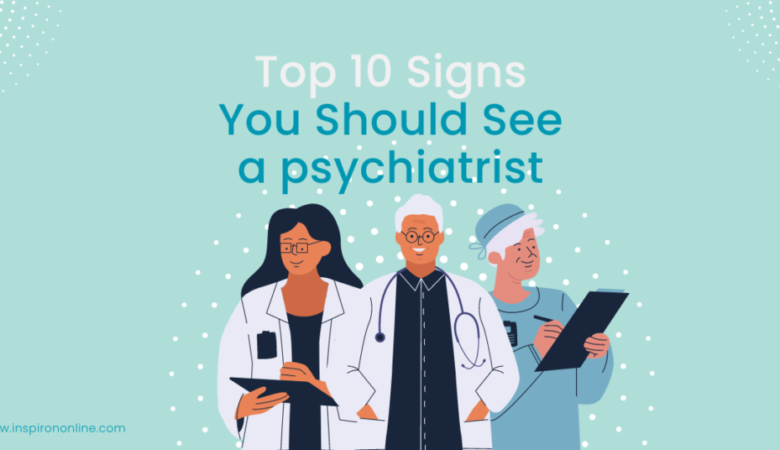
Mental health is a cornerstone of overall well-being, yet it is often neglected due to stigma, lack of awareness, or simply not recognizing the signs that professional help is necessary. At Cordial Psychiatry, we are dedicated to helping individuals navigate their mental health journeys. Here are 10 Signs You Might Need a Psychiatrist Today: Persistent Feelings of Sadness or Hopelessness Feeling sad or down occasionally is a natural part of life. However, if you experience persistent sadness, despair, or hopelessness lasting for weeks or months, it could indicate depression. These emotions may interfere with your ability to function, impacting work, relationships, and daily routines. Drastic Changes in Sleep Patterns Are you struggling with insomnia or oversleeping without a clear cause? Sleep disturbances often accompany mental health issues like anxiety, depression, or bipolar disorder. A psychiatrist can help identify the root cause and develop strategies to restore healthy sleep. Unmanageable Anxiety or Worry Experiencing anxiety in stressful situations is normal, but excessive worry that disrupts your daily life may point to an anxiety disorder. Symptoms like restlessness, racing thoughts, and physical manifestations such as sweating or a racing heart require professional intervention. Difficulty Coping with Stress one of the Signs You Might Need a Psychiatrist If routine stressors like work deadlines, family responsibilities, or personal challenges feel overwhelming, it might indicate underlying mental health concerns. Psychiatrists specialize in teaching stress management techniques and addressing any deeper issues contributing to your struggle. Noticeable Mood Swings Frequent or extreme mood changes, such as shifting from happiness to irritability or anger without explanation, can be a sign of a mood disorder like bipolar disorder. Psychiatrists can diagnose and provide treatment to stabilize your emotions and improve quality of life. Withdrawal from Social Interaction Avoiding friends, family, and social activities you once enjoyed could signal depression, social anxiety, or another mental health condition. Isolation tends to worsen mental health issues, making timely intervention crucial. Unexplained Physical Symptoms Physical symptoms like headaches, stomachaches, or chronic fatigue without a medical explanation may be tied to mental health problems. Conditions such as depression and anxiety often manifest in physical ways, and psychiatrists can address these symptoms holistically. Difficulty Concentrating or Making Decisions If you find it increasingly challenging to focus, remember details, or make decisions, it might be due to underlying mental health issues like ADHD or depression. These symptoms can significantly impact personal and professional life, making it essential to seek help. Harmful Coping Mechanisms Turning to substances like alcohol, drugs, or engaging in self-harm to deal with emotional pain is a red flag. These behaviors can quickly spiral into dangerous patterns, requiring immediate psychiatric support and intervention. Suicidal Thoughts or Behavior Experiencing thoughts of self-harm or suicide is a medical emergency. If you feel this way, please seek help immediately. A psychiatrist can provide the necessary care, support, and treatment to ensure your safety and recovery. When to Seek Help Recognizing these signs is the first step toward improving your mental health. Consulting with a psychiatrist can provide clarity, coping mechanisms, and, if needed, medication to restore balance and well-being. At Cordial Psychiatry, we believe in creating a safe, supportive environment where you can openly discuss your concerns and embark on a journey to mental wellness. Why Choose Cordial Psychiatry? Our experienced team specializes in a wide range of mental health conditions, including depression, anxiety, bipolar disorder, and more. We utilize evidence-based therapies tailored to each individual’s needs. Your mental health matters, and our mission is to help you achieve the peace of mind you deserve. If you or someone you know is experiencing any of these symptoms, don’t hesitate to reach out for professional help. Early intervention can make all the difference.

What is Medication Management? A Guide to Safe and Effective Treatment

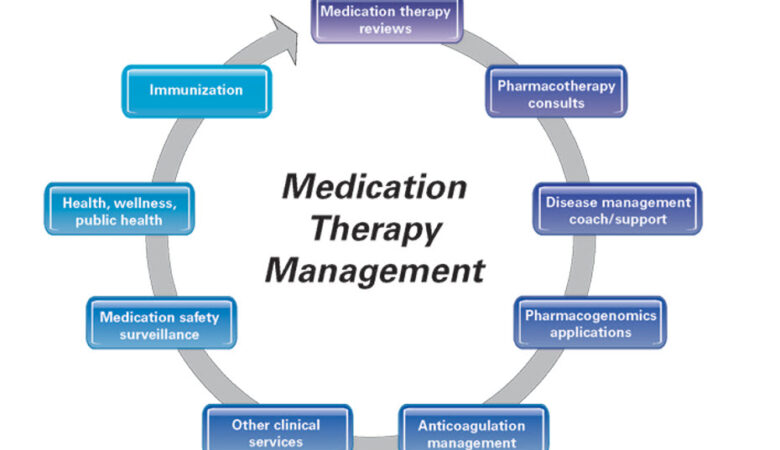
Medication management is a crucial component of healthcare that ensures the safe, effective, and appropriate use of medications for treating mental and physical health conditions. At Cordial Psychiatry, we are dedicated to providing personalized medication management services to help individuals achieve optimal health outcomes. What is Medication Management? Medication management refers to a structured approach to prescribing, monitoring, and optimizing medications for individuals. This process is designed to ensure that medications are taken as prescribed, avoid potential drug interactions, and improve the overall effectiveness of treatment. It involves a collaborative effort between healthcare providers, patients, and sometimes their families. Why is Medication Management Important? Medication management plays a pivotal role in ensuring: Safe Use of Medications: Proper oversight minimizes risks such as adverse drug reactions or harmful interactions. Improved Treatment Outcomes: Tailored adjustments enhance the effectiveness of treatment plans. Adherence to Prescriptions: Encouraging patients to follow prescribed dosages prevents underuse or overuse. Cost-Effective Care: Reducing medication-related complications can significantly lower healthcare costs. Key Components of Medication Management Comprehensive Evaluation A thorough assessment of a patient’s medical history, current health status, and existing medication regimen is the first step. At Cordial Psychiatry, our clinicians consider: Existing diagnoses and treatments Potential side effects Patient lifestyle and preferences Personalized Medication Plans Each individual’s needs are unique. We design medication plans that consider: Dosage accuracy Frequency and timing Minimizing side effects Addressing specific health goals Monitoring and Follow-Up Regular follow-ups are essential to evaluate progress and make necessary adjustments. Monitoring includes: Tracking treatment effectiveness Identifying adverse reactions early Ensuring adherence to the medication plan Patient Education Empowering patients with knowledge about their medications fosters compliance and confidence. Our team explains: How each medication works Possible side effects Importance of sticking to prescribed doses Coordination with Other Healthcare Providers Effective communication between primary care providers, specialists, and pharmacists ensures a holistic approach to treatment. Medication Management for Mental Health Managing medications for mental health conditions requires expertise and sensitivity. Common conditions treated at Cordial Psychiatry include: Depression Medications such as selective serotonin reuptake inhibitors (SSRIs) are commonly prescribed. Regular monitoring ensures: The correct dosage is maintained Side effects are managed effectively Anxiety Disorders Anti-anxiety medications, such as benzodiazepines or SSRIs, require careful management to avoid dependency and optimize therapeutic effects. Bipolar Disorder Mood stabilizers and antipsychotic medications play a central role in managing bipolar symptoms. Medication management minimizes mood fluctuations and ensures stability. ADHD (Attention-Deficit/Hyperactivity Disorder) Stimulant and non-stimulant medications can improve focus and reduce impulsivity. Adjusting dosages based on individual responses is a key aspect of management. Schizophrenia Antipsychotic medications are vital for symptom control. Ensuring adherence is critical to prevent relapses and maintain quality of life. Benefits of Professional Medication Management At Cordial Psychiatry, we offer professional medication management services that provide: Expert Guidance: Skilled clinicians ensure safe and effective medication use. Personalized Care: Every treatment plan is tailored to individual needs. Peace of Mind: Patients and families can trust in the quality of care provided. Improved Health Outcomes: Regular monitoring optimizes treatment results. How to Prepare for a Medication Management Appointment Gather Your Medical Information Bring a list of all current medications, including over-the-counter drugs and supplements. Be Honest About Your Symptoms Sharing accurate details about your symptoms helps create an effective treatment plan. Ask Questions Understanding your treatment fosters trust and adherence. Don’t hesitate to inquire about medication purposes, potential side effects, and expected outcomes. Follow Up Regularly Consistent follow-ups allow adjustments to improve your treatment journey. Common Challenges in Medication Management Non-Adherence Skipping doses or stopping medication prematurely can hinder recovery. Open communication with healthcare providers helps address these issues. Side Effects Unpleasant side effects may discourage patients from continuing treatment. Regular check-ins ensure that side effects are managed effectively. Drug Interactions Combining medications without professional guidance can lead to adverse effects. Our clinicians carefully review all prescriptions to avoid such risks. How Cordial Psychiatry Supports Your Medication Needs At Cordial Psychiatry, we prioritize: Collaborative Care: Working closely with patients to create a plan that aligns with their goals. Holistic Treatment: Integrating medication management with therapy and lifestyle changes for comprehensive care. Accessibility: Offering convenient appointments to address your concerns promptly. Conclusion Medication management is a vital aspect of achieving safe and effective treatment. Whether you’re managing mental health conditions or other chronic illnesses, professional guidance ensures optimal outcomes. At Cordial Psychiatry, we are committed to providing exceptional care tailored to your needs.

The Impact of Trauma on Mental Health: Approaches to Healing

Trauma on Mental Health is more common than many realize. From natural disasters to personal losses, traumatic experiences can vary widely, yet their impact on mental health is profound and far-reaching. Understanding and addressing Trauma on Mental Health is crucial for fostering mental well-being and resilience. Let’s delve into what trauma is, its effects on mental health, and the various approaches to healing. Understanding Trauma What is Trauma? Trauma is a psychological, emotional response to an event or an experience that is deeply distressing or disturbing. It overwhelms an individual’s ability to cope, causing feelings of helplessness, reducing their ability to experience a full range of emotions, and diminishing their sense of self. Cordial Psychiatry Provides the Best Service to Heal Your Health Types of Trauma Acute Trauma: Acute trauma results from a single stressful or dangerous event. Examples include accidents, natural disasters, or violent assaults. Chronic Trauma: Chronic trauma occurs from repeated and prolonged exposure to highly stressful events, such as domestic violence or childhood neglect. Complex Trauma: Complex trauma refers to exposure to multiple traumatic events. These events are often of an invasive, interpersonal nature and can have severe, long-lasting effects on the individual’s health and well-being. The Psychological Impact of Trauma on Mental Health Trauma and the Brain Trauma on Mental Health significantly impacts the brain. It can alter brain function and structure, particularly areas related to emotional regulation and response to stress. The amygdala, hippocampus, and prefrontal cortex can all be affected, leading to heightened fear, anxiety, and difficulty processing memories. Emotional Consequences Emotional repercussions of Trauma on Mental Health include feelings of sadness, anger, fear, and shame. These emotions can be overwhelming and persistent, affecting daily functioning and quality of life. Behavioral Changes Trauma on Mental Health can lead to changes in behavior, such as increased irritability, aggression, social withdrawal, and difficulties in maintaining relationships. Some individuals may also develop unhealthy coping mechanisms, like substance abuse. Trauma and Mental Health Disorders Post-Traumatic Stress Disorder (PTSD) One of the most well-known trauma-related disorders is PTSD. Symptoms include flashbacks, nightmares, severe anxiety, and uncontrollable thoughts about the traumatic event. Depression and Anxiety Trauma on Mental Health can also lead to depression and anxiety. These conditions may manifest as persistent sadness, loss of interest in activities, excessive worry, and panic attacks. Substance Abuse Some individuals turn to drugs or alcohol to cope with the emotional pain of trauma, leading to substance abuse issues. This can create a vicious cycle, further exacerbating mental health problems. Physical Health Consequences The Mind-Body Connection The connection between mental and physical health is significant. Trauma on Mental Health can manifest in physical symptoms like headaches, gastrointestinal issues, and chronic pain. Chronic Illnesses Long-term trauma can contribute to chronic illnesses such as cardiovascular diseases, autoimmune disorders, and metabolic syndromes. Stress and Trauma on Mental Health can weaken the immune system, making the body more susceptible to various health conditions. Approaches to Healing Trauma on Mental Health Psychotherapy Cognitive Behavioral Therapy (CBT): CBT helps individuals identify and change negative thought patterns and behaviors. It is effective in treating trauma by helping patients process their traumatic experiences and develop healthier coping mechanisms. Eye Movement Desensitization and Reprocessing (EMDR): EMDR is a structured therapy that encourages the patient to briefly focus on the trauma memory while simultaneously experiencing bilateral stimulation (typically eye movements), which is associated with a reduction in the vividness and emotion associated with the trauma memories. Trauma-Focused Cognitive Behavioral Therapy (TF-CBT): TF-CBT is a special form of CBT that has been adapted to treat children and adolescents who have experienced trauma. It incorporates trauma-sensitive interventions with cognitive behavioral principles. Medication Medications can be prescribed to manage symptoms of Trauma on Mental Health, such as antidepressants or anti-anxiety medications. They are often used in conjunction with therapy to provide comprehensive care. Alternative Therapies Mindfulness and Meditation: Mindfulness and meditation practices help individuals stay present and reduce stress. These practices can be particularly helpful for those dealing with trauma, as they promote emotional regulation and mental clarity. Yoga and Physical Activity: Yoga and regular physical activity can help in reducing stress, improving mood, and enhancing overall physical health. These activities encourage a mind-body connection, promoting healing and resilience. The Role of Support Systems Family and Friends A strong support system is vital for healing from Trauma on Mental Health. Family and friends can provide emotional support, understanding, and encouragement. Support Groups Joining support groups allows individuals to connect with others who have similar experiences. Sharing stories and coping strategies can be incredibly therapeutic and empowering. Professional Support Mental health professionals, such as therapists and counselors, play a crucial role in providing specialized care and guidance tailored to the individual’s needs. Building Resilience Importance of Self-Care Self-care is essential for healing. Activities such as sufficient rest, healthy eating, and engaging in hobbies can significantly improve mental health. Developing Coping Strategies Developing effective coping strategies, such as journaling, practicing gratitude, and engaging in creative activities, can help manage stress and enhance emotional well-being. The Role of Positive Relationships Positive relationships can act as a buffer against the adverse effects of trauma. Healthy relationships provide support, love, and a sense of belonging, which are critical for recovery. The Impact of Trauma on Mental Health The Impact of Trauma on Mental Health described as an overwhelming and distressing experience, has profound implications for mental health. Whether resulting from a single event or prolonged exposure to adversity, trauma can shape an individual’s emotional well-being and influence various aspects of their life. This essay explores the impact of trauma on mental health and delves into compassionate approaches to healing, acknowledging the resilience of individuals and the importance of trauma-informed care. Post-Traumatic Stress Disorder (PTSD): One of the most recognized consequences of trauma is the development of Post-Traumatic Stress Disorder (PTSD). Individuals with PTSD may experience intrusive memories, nightmares, hyperarousal, and avoidance behaviors, impacting their daily functioning and overall quality of life. Complex Trauma and Developmental Impact: Prolonged or repeated exposure to

Psychiatry vs. Psychology: Understanding the Differences

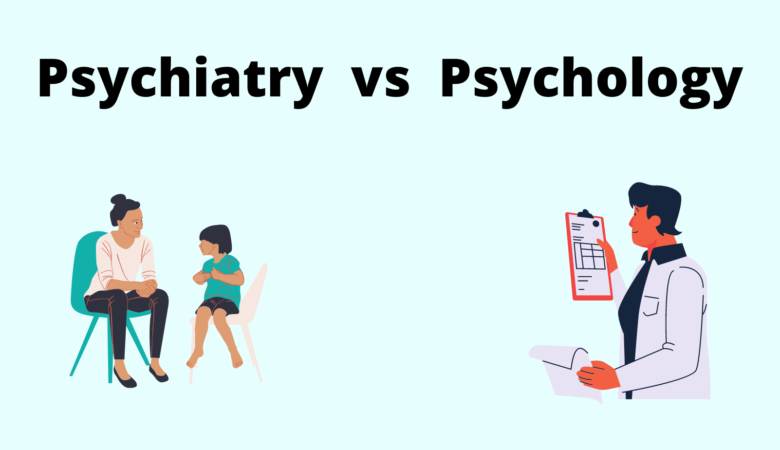
Understanding the intricacies of mental health care can be daunting, especially when it comes to distinguishing between psychiatry and psychology. Both fields play vital roles in supporting mental well-being, yet they have distinct educational paths, treatment approaches, and scopes of practice. This article will delve into the differences and similarities between psychiatry and psychology, helping you navigate the mental health landscape more effectively. What is Psychiatry? Definition and Scope Psychiatry is a branch of medicine focused on diagnosing, treating, and preventing mental, emotional, and behavioral disorders. Psychiatrists are medical doctors who can prescribe medication and offer a range of treatments for complex mental health conditions. Educational Path for Psychiatrists To become a psychiatrist, one must complete: A medical degree (MD or DO) A residency in psychiatry (typically four years) Board certification from the American Board of Psychiatry and Neurology (ABPN) Key Responsibilities of a Psychiatrist Psychiatrists are responsible for: Conducting medical and psychiatric evaluations Prescribing and managing medications Providing psychotherapy Developing treatment plans Collaborating with other healthcare professionals What is Psychology? Definition and Scope Psychology is the scientific study of the mind and behavior. Psychologists focus on understanding mental processes, emotional responses, and social behavior through various therapeutic techniques. Educational Path for Psychologists To become a psychologist, one must complete: A bachelor’s degree in psychology or a related field A doctoral degree (Ph.D. or Psy.D.) in psychology Postdoctoral supervised experience Licensure and certification specific to their state or country Key Responsibilities of a Psychologist Psychologists typically: Conduct psychological assessments and tests Provide psychotherapy and counseling Research mental health issues Develop treatment strategies Offer consultations to other professionals Historical Background Origins of Psychiatry Psychiatry emerged as a distinct medical field in the late 19th century. Early psychiatrists were known as “alienists” and primarily worked in asylums. Over time, the field evolved to include various treatment modalities and a deeper understanding of mental health disorders. Origins of Psychology Psychology has its roots in ancient philosophy but became a formal scientific discipline in the late 19th century with pioneers like Wilhelm Wundt and William James. The field has since expanded to include numerous subfields and applications. Evolution of Both Fields Over Time Both psychiatry and psychology have seen significant advancements, particularly in the 20th and 21st centuries. The development of new medications, therapeutic techniques, and a better understanding of the brain has greatly enhanced the effectiveness of mental health treatments. Differences in Education and Training Medical vs. Non-Medical Education Psychiatrists undergo medical training, including medical school and residency, which equips them to understand the biological aspects of mental health. Psychologists, however, focus on psychological theories and therapeutic techniques without medical training. Specializations Within Each Field Both fields offer various specializations: Psychiatry: Child and adolescent psychiatry, geriatric psychiatry, addiction psychiatry Psychology: Clinical psychology, counseling psychology, industrial-organizational psychology Certification and Licensure Requirements Psychiatrists require medical licensure and board certification, while psychologists must obtain licensure specific to their practice area and state. Continuing education is essential for both to maintain their credentials. Approaches to Treatment Psychiatric Methods Psychiatrists utilize a range of treatments, including: Medication: Antidepressants, antipsychotics, mood stabilizers Electroconvulsive Therapy (ECT): Used for severe depression and other conditions Psychotherapy: Often combined with medication for comprehensive care Psychological Methods Psychologists primarily use: Therapy: Cognitive-behavioral therapy (CBT), psychoanalysis, humanistic therapy Counseling: Addressing life issues, stress management, relationship problems Behavioral Interventions: Techniques to modify problematic behaviors Holistic Approaches in Both Fields Both psychiatrists and psychologists may incorporate holistic approaches, such as mindfulness, lifestyle changes, and complementary therapies, to enhance treatment outcomes. Overlap and Collaboration Areas of Commonality Psychiatrists and psychologists often share similar goals, such as improving mental health and well-being. They may use overlapping techniques like psychotherapy. Multidisciplinary Teams In many cases, mental health treatment involves multidisciplinary teams. Psychiatrists and psychologists collaborate with social workers, nurses, and other professionals to provide comprehensive care. Case Studies Showcasing Collaboration Case studies often illustrate successful collaborations, where a patient’s care plan includes both medication management by a psychiatrist and therapeutic sessions with a psychologist. Specializations Within Psychiatry Child and Adolescent Psychiatry Focused on diagnosing and treating mental health disorders in children and teenagers. Geriatric Psychiatry Specializes in the mental health of older adults, addressing issues like dementia and depression. Addiction Psychiatry Deals with substance use disorders and behavioral addictions, offering both medical and therapeutic interventions. Specializations Within Psychology Clinical Psychology Involves assessing and treating mental health disorders through various therapeutic techniques. Counseling Psychology Focuses on helping individuals cope with everyday life challenges and improving their well-being. Industrial-Organizational Psychology Applies psychological principles to workplace issues, enhancing productivity and employee satisfaction. Impact on Patient Care Psychiatric Impact on Mental Health Disorders Psychiatrists play a crucial role in managing severe mental health conditions, often through medication and medical interventions. Psychological Impact on Mental Health Disorders Psychologists contribute significantly through therapy and counseling, helping patients develop coping strategies and improve their mental health. Patient Success Stories Many patients experience significant improvements in their quality of life through the combined efforts of psychiatrists and psychologists. Current Trends and Innovations Advances in Psychiatric Medication New medications and personalized treatment plans are continually being developed, improving patient outcomes. Emerging Psychological Therapies Innovative therapies, such as virtual reality therapy and internet-based interventions, are expanding the reach and effectiveness of psychological treatment. Technology in Mental Health Care Technology, including telemedicine and mental health apps, is making mental health care more accessible and efficient. Challenges in Psychiatry Stigma Associated with Psychiatric Treatment Despite progress, stigma around mental health and psychiatric treatment persists, deterring many from seeking help. Ethical Dilemmas Psychiatrists often face ethical challenges, such as balancing patient autonomy with the need for treatment. Access to Care Access to psychiatric care can be limited, particularly in rural and underserved areas. Challenges in Psychology Misconceptions About Therapy There are many misconceptions about what therapy entails, which can prevent individuals from seeking psychological help. Ethical Considerations Psychologists must navigate ethical issues related to confidentiality, dual relationships, and informed consent. Funding and Resources Limited funding and resources can impact the availability and

The Role of Psychotherapy in Mental Health Treatment

In the realm of mental health treatment, psychotherapy stands as a cornerstone, offering individuals a path toward understanding, healing, and resilience. Also known as talk therapy or counseling, psychotherapy encompasses a diverse array of therapeutic approaches aimed at addressing emotional distress, psychological disorders, and life challenges. This essay explores the multifaceted role of psychotherapy in mental health treatment, examining its therapeutic techniques, benefits, and the transformative impact it can have on individuals’ lives. Psychotherapy Approaches and Techniques in Mental Health Treatment Cognitive-Behavioral Therapy (CBT): CBT is a widely used therapeutic approach that focuses on identifying and changing negative thought patterns and behaviors. By fostering awareness of distorted thinking and promoting adaptive responses, individuals learn to manage emotions and navigate challenges more effectively. Psychodynamic Therapy: Rooted in the teachings of Freud, psychodynamic therapy delves into unconscious processes and unresolved conflicts. It aims to bring hidden aspects of the psyche into awareness, fostering insight and understanding that can lead to emotional healing. Humanistic Therapy in Mental Health Treatment: Humanistic approaches, such as person-centered therapy, emphasize the inherent value and potential for growth within each individual. Therapists provide a non-judgmental and empathetic space, empowering clients to explore their feelings, values, and personal goals. Mindfulness-Based Therapies: Techniques derived from mindfulness practices, such as Mindfulness-Based Stress Reduction (MBSR) and Dialectical Behavior Therapy (DBT), focus on cultivating present-moment awareness. These approaches help individuals manage stress, regulate emotions, and enhance overall well-being. Interpersonal Therapy (IPT): IPT addresses the impact of interpersonal relationships on mental health Treatment. By exploring and improving communication patterns, interpersonal therapy helps individuals navigate relationship challenges, grief, and life transitions. Benefits of Psychotherapy in Mental Health Treatment Emotional Resilience: Psychotherapy equips individuals with coping skills and emotional resilience to navigate life’s challenges. By learning to understand and manage their emotions, clients can develop a robust capacity to bounce back from setbacks. Improved Self-Understanding: Engaging in therapy provides individuals with an opportunity for self-reflection and exploration. Increased self-awareness allows clients to better understand the root causes of their challenges, fostering personal growth and a deeper connection with oneself. Enhanced Coping Strategies: Psychotherapy equips individuals with practical coping strategies to manage stress, anxiety, and depression. Clients learn adaptive ways to respond to difficult situations, reducing reliance on maladaptive coping mechanisms. Effective Problem-Solving: Therapy provides a structured space for problem-solving. Individuals can explore different perspectives and work collaboratively with their therapists to identify and implement solutions to life’s challenges. Empowerment and Autonomy: Psychotherapy empowers individuals to take an active role in their mental health. By gaining insights into their thoughts, emotions, and behaviors, clients develop a sense of agency and autonomy, allowing them to make informed choices and pursue positive change. Integration with Medication: Complementary Approach: Psychotherapy is often integrated with medication for individuals with mental health disorders. This combination offers a holistic approach, addressing both the biological and psychological aspects of mental health Treatment. Psychotherapy can enhance the effectiveness of medication and promote long-term well-being. Reducing Reliance on Medication: In some cases, psychotherapy can help individuals reduce their reliance on medication or transition to lower doses. The skills learned in therapy, such as stress management and emotion regulation, contribute to maintaining mental health without solely relying on pharmacological interventions. Cultural Sensitivity and Inclusivity: Tailoring Approaches: Psychotherapists recognize the importance of cultural sensitivity and inclusivity. Therapeutic approaches may be tailored to align with the cultural background and values of clients, fostering a safe and supportive environment for diverse populations. Addressing Stigma: Psychotherapy plays a crucial role in challenging and dismantling mental health stigma. By fostering open and non-judgmental conversations, therapists contribute to creating a more accepting society that encourages seeking help for mental health Treatment. Conclusion: Choose Cordial Psychiatry Psychotherapy serves as a beacon of hope and transformation in the landscape of mental health treatment. Through a myriad of therapeutic approaches, psychotherapy empowers individuals to navigate the complexities of their inner worlds, fostering emotional resilience, self-understanding, and effective coping strategies. As the field continues to evolve, the integration of psychotherapy with other modalities and a commitment to cultural sensitivity contribute to its ongoing relevance in promoting mental health and well-being. In the dialogue between therapist and client, a powerful journey unfolds—one that leads towards healing, growth, and the restoration of a meaningful and fulfilling life.

Suscríbase a nuestro Boletín

Formulario de suscripción

No sufra en silencio: póngase en contacto con nosotros hoy mismo para iniciar su camino hacia una vida más sana y feliz.

Información de contacto