

What Is Exposure Therapy? Types, Benefits & Techniques
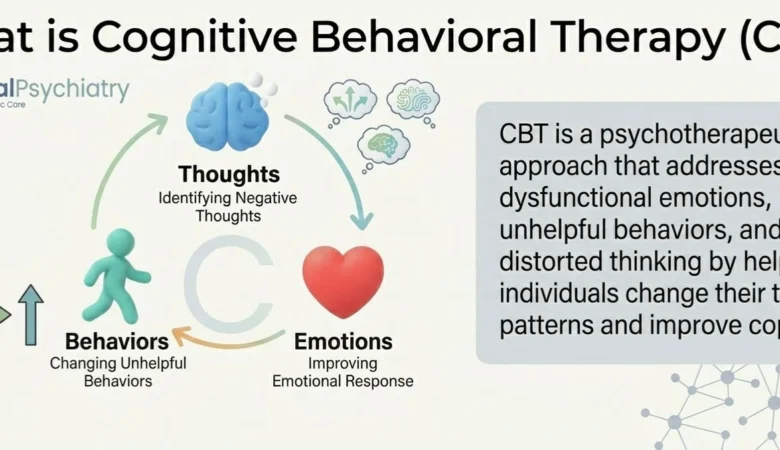
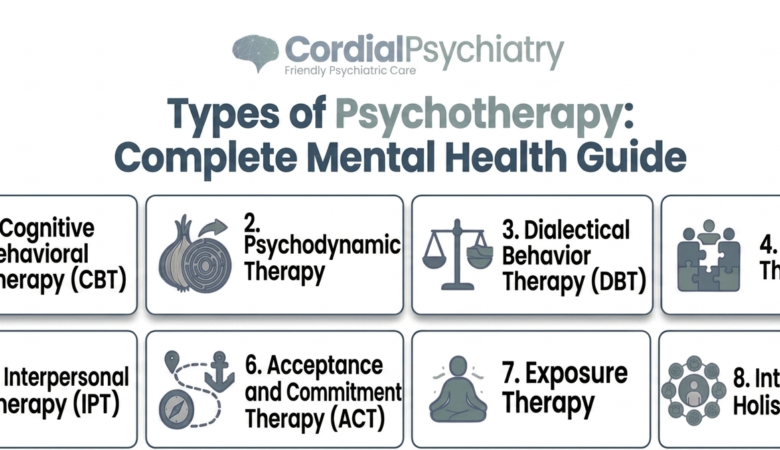
Exposure therapy is one of the most effective psychological treatments for anxiety-related conditions, phobias, obsessive-compulsive disorder (OCD), and post-traumatic stress disorder (PTSD). Many people avoid situations, places, thoughts, or feelings that trigger fear. While avoidance may provide temporary relief, it often strengthens anxiety over time. This article explains what is exposure therapy, how it works, the types of exposure therapy, common techniques, benefits, examples, and the conditions it can treat. What Is Exposure Therapy? What is exposure therapy? Exposure therapy is a structured form of behavioral therapy that helps people gradually face feared situations, thoughts, memories, or physical sensations in a safe and controlled environment. The goal is to reduce fear and anxiety by helping the brain learn that the feared object or situation is not as dangerous as it seems. Over time, repeated exposure decreases emotional distress and improves confidence. In simple terms, the exposure therapy meaning is learning to confront fears rather than avoid them. Define Exposure Therapy To define exposure therapy, it is a therapeutic technique in which individuals are systematically exposed to anxiety-provoking stimuli to reduce fear responses and improve coping skills. Mental health professionals often use exposure therapy as part of behavioral therapy or Cognitive Behavioral Therapy (CBT). For a deeper understanding of CBT, read What is Cognitive Behavioral Therapy (CBT)? How Does Exposure Therapy Work? Many anxiety disorders are fueled by avoidance. When people repeatedly avoid situations, objects, thoughts, or memories that trigger fear, they never have the chance to discover that the feared outcome may not actually happen. As a result, the fear remains strong and can even become more intense over time. How does exposure therapy work? Exposure therapy helps break this cycle by gradually and safely exposing individuals to the things they fear. Instead of avoiding anxiety-provoking situations, they learn to face them in a controlled and structured way with the guidance of a mental health professional. During treatment, exposure is introduced step by step, starting with less challenging situations and gradually progressing to more difficult ones. As individuals repeatedly encounter their fears without experiencing the expected negative outcome, the brain begins to form new, healthier associations. Over time, it learns that the situation is less threatening than previously believed. This process helps reduce fear, increase confidence, and improve the ability to cope with anxiety. Rather than eliminating anxiety completely, exposure therapy teaches individuals that they can tolerate discomfort and successfully manage situations they once avoided. With consistent practice, anxiety becomes less overwhelming, and everyday activities become easier to navigate. The process generally involves: Identifying fears and triggers. Creating an exposure hierarchy from least to most frightening situations. Gradually confronting fears. Practicing coping skills. Repeating exposures until anxiety decreases. This process is often called habituation or inhibitory learning, where the brain forms new, healthier associations with previously feared situations. Exposure Therapy for Anxiety One of the most common uses of exposure therapy for anxiety is helping individuals face situations they avoid because of excessive fear. Examples include: Speaking in public Attending social gatherings Driving on highways Flying on airplanes Using elevators Meeting new people By repeatedly engaging in these situations, anxiety typically becomes more manageable and less intense over time. Conditions Treated With Exposure Therapy Many people wonder about the condition treated with exposure techniques. Exposure therapy has been extensively used to help individuals manage a wide range of mental health conditions. Common Conditions Treated With Exposure Specific Phobias Fear of: Heights Spiders Needles Flying Water Enclosed spaces Social Anxiety Disorder Fear of social interactions, public speaking, or being judged by others. Panic Disorder Fear of panic attacks and physical symptoms such as dizziness, rapid heartbeat, or shortness of breath. Obsessive-Compulsive Disorder (OCD) Exposure therapy is commonly combined with Response Prevention (ERP) to help individuals resist compulsive behaviors. Post-Traumatic Stress Disorder (PTSD) Exposure techniques help individuals process traumatic memories and reduce distress associated with reminders of trauma. Generalized Anxiety Disorder (GAD) Can help reduce excessive worry and avoidance behaviors. Health Anxiety Assists individuals in managing fears related to illness or medical conditions. Types of Exposure Therapy Understanding the types of exposure therapy can help individuals recognize which approach may be most appropriate for their needs. Vivo Exposure Therapy In vivo exposure therapy is a type of exposure therapy that involves directly facing feared situations, objects, or activities in real life. Rather than avoiding the source of fear, individuals gradually confront it in a safe and controlled manner. This approach helps them learn that the feared situation is often less dangerous than they believe. Because it takes place in real-world settings, in vivo exposure is considered one of the most effective exposure therapy methods for reducing anxiety and avoidance behaviors. Examples of In Vivo Exposure Therapy Some common examples include: Touching or petting a dog when someone has a fear of dogs. Riding an elevator despite feeling anxious about enclosed spaces. Driving on busy roads to overcome driving-related fears. Speaking in front of a group to address public speaking anxiety. Visiting crowded places when coping with social anxiety. 2. Imaginal Exposure Therapy Imaginal exposure therapy is used when directly confronting a feared situation is difficult, unsafe, or impossible. Instead of facing the fear in real life, individuals are guided to vividly imagine anxiety-provoking situations, memories, or events while working with a therapist in a safe and supportive environment. The goal is to help individuals process their fears rather than avoid them. Repeatedly revisiting these thoughts or memories can reduce their emotional impact over time and make them feel less overwhelming. Examples of Imaginal Exposure Common examples include: Recalling and discussing traumatic memories related to a past event. Imagining a feared future situation that causes significant anxiety. Processing distressing thoughts that are difficult to confront in real life. Visualizing situations that cannot be safely recreated for direct exposure. Working through memories that continue to trigger fear or emotional distress. When Is Imaginal Exposure Used? Imaginal exposure is particularly helpful when real-life exposure is not practical or could place someone at risk. It