

PTSD Treatment in Yorktown NY

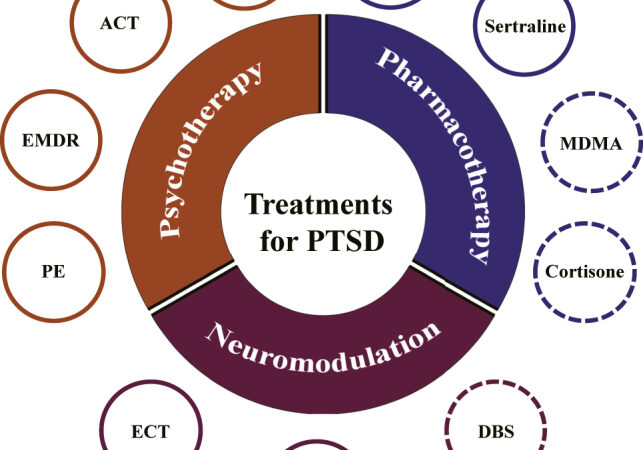
Post-Traumatic Stress Disorder (PTSD) is a complex mental health condition that develops after experiencing or witnessing a traumatic event. Individuals searching for PTSD treatment in Yorktown NY are often dealing with persistent distress, intrusive memories, emotional instability, and difficulty functioning in daily life. At Cordial Psychiatry, we provide structured, evidence-based psychiatric care designed to help individuals process trauma, reduce symptoms, and regain control over their emotional and psychological well-being. PTSD is not simply a reaction to trauma it is a condition that affects brain function, emotional regulation, and physical health. With proper psychiatric evaluation and personalized treatment, individuals can achieve meaningful recovery and long-term stability. Understanding PTSD Post-Traumatic Stress Disorder (PTSD) occurs after exposure to traumatic events such as accidents, violence, abuse, natural disasters, or loss. While many people experience stress after trauma, PTSD develops when symptoms persist and interfere with daily functioning. Common PTSD symptoms include: Intrusive memories or flashbacks Recurring nightmares Avoidance of trauma-related triggers Emotional numbness or detachment Hypervigilance or feeling constantly on edge Irritability or anger outbursts Difficulty concentrating Sleep disturbances These symptoms can persist for months or even years without proper treatment. Causes and Risk Factors of PTSD Effective PTSD treatment in Yorktown NY begins with understanding the underlying causes and contributing factors. Traumatic Events Exposure to life-threatening or distressing events is the primary cause of PTSD. Chronic Stress Exposure Repeated exposure to stressful environments can increase vulnerability. Biological Factors Brain chemistry and genetic predisposition may influence how individuals respond to trauma. Lack of Support Systems Limited emotional support can contribute to prolonged symptoms. Previous Mental Health Conditions Individuals with a history of anxiety or depression may be more susceptible. At Cordial Psychiatry, we assess these factors carefully to develop an effective treatment plan. Comprehensive PTSD Evaluation Our approach to PTSD treatment in Yorktown NY begins with a detailed psychiatric evaluation, including: Complete trauma history assessment Symptom evaluation and severity analysis Review of medical and psychiatric background Assessment of daily functioning and lifestyle Identification of co-occurring conditions This thorough process ensures accurate diagnosis and targeted treatment. Personalized PTSD Treatment Plans At Cordial Psychiatry, every patient receives a customized treatment plan designed to address their unique symptoms and recovery goals. Psychiatric Assessment and Diagnosis We identify the specific type and severity of PTSD and any co-occurring conditions. Medication Management When clinically indicated, medications may be prescribed to reduce anxiety, depression, and sleep disturbances. These are carefully monitored and adjusted for optimal results. Trauma-Focused Therapy Structured therapy helps patients process traumatic memories and reduce emotional distress. Coping Skills Development Patients learn practical techniques to manage triggers, regulate emotions, and improve daily functioning. Evidence-Based Therapies for PTSD Cognitive Behavioral Therapy (CBT) CBT helps individuals identify and change negative thought patterns associated with trauma. Exposure Therapy Gradual exposure to trauma-related triggers reduces fear and avoidance behaviors. Trauma-Focused Cognitive Therapy This structured approach helps patients reprocess traumatic experiences safely. Stress Management Techniques Relaxation exercises, breathing techniques, and mindfulness strategies support emotional regulation. The Connection Between PTSD and Other Mental Health Conditions PTSD often coexists with other psychiatric conditions, including: Depression Anxiety disorders Panic disorder Substance use issues Sleep disorders Addressing these conditions alongside PTSD improves overall treatment outcomes and long-term recovery. Physical Effects of PTSD PTSD impacts more than emotional health. Individuals may experience: Chronic fatigue Muscle tension Headaches Gastrointestinal issues Increased heart rate Sleep disturbances Effective PTSD treatment in Yorktown NY addresses both psychological and physical symptoms. Who Can Benefit from PTSD Treatment? PTSD treatment is beneficial for individuals who: Experience recurring flashbacks or nightmares Avoid people, places, or situations linked to trauma Feel emotionally numb or disconnected Have difficulty sleeping or concentrating Experience persistent anxiety or fear Struggle with daily functioning Early intervention leads to better outcomes and improved quality of life. Our Structured PTSD Treatment Process Initial Consultation – Comprehensive psychiatric evaluation and goal setting Diagnosis and Planning – Development of a personalized treatment plan Active Treatment Phase – Therapy and medication integration Monitoring and Adjustment – Regular follow-ups to assess progress Maintenance and Recovery – Long-term strategies to prevent relapse Benefits of Professional PTSD Treatment Seeking structured PTSD treatment in Yorktown NY offers significant benefits: Reduction in intrusive thoughts and flashbacks Improved emotional stability Better sleep quality Enhanced coping skills Increased confidence in daily activities Long-term psychological resilience Professional care helps individuals move beyond trauma and regain control over their lives. Why Choose Cordial Psychiatry for PTSD Treatment in Yorktown NY? Selecting the right psychiatric provider is critical for recovery. At Cordial Psychiatry, we offer: Specialized Trauma Expertise Our clinicians are trained in trauma-informed psychiatric care. Individualized Treatment Plans Each patient receives care tailored to their unique needs and history. Compassionate and Supportive Environment We create a safe space for healing and open communication. Ongoing Monitoring Regular follow-ups ensure treatment effectiveness and progress. Confidential and Professional Care We maintain strict privacy and ethical standards. Long-Term Recovery and Relapse Prevention Recovery from PTSD is an ongoing process. At Cordial Psychiatry, we focus on: Building long-term coping strategies Strengthening emotional resilience Preventing symptom recurrence Supporting lifestyle stability Encouraging continued mental health care Sustained recovery is achieved through consistent support and structured care. Frequently Asked Questions (FAQs) What is PTSD? PTSD is a mental health condition that develops after experiencing or witnessing a traumatic event, leading to persistent emotional and psychological symptoms. Can PTSD be cured? While PTSD may not completely disappear for everyone, effective treatment can significantly reduce symptoms and improve quality of life. How long does PTSD treatment take? Treatment duration varies depending on the severity of symptoms and individual response. Some patients improve within months, while others require longer-term care. Is medication necessary for PTSD treatment? Not always. Medication is used when symptoms are severe or when therapy alone is not sufficient. Is PTSD treatment confidential? Yes. All services at Cordial Psychiatry are provided with strict confidentiality. Do you offer virtual appointments? Yes. Telepsychiatry services are available when appropriate. What happens during the first appointment? The initial visit includes a comprehensive evaluation, discussion of symptoms,


Psychiatrist Q&A: Common Myths About Psychiatric Care

At Cordial Psychiatry, we meet many patients who hesitate to seek psychiatric care because of common myths and misunderstandings. Unfortunately, these misconceptions often delay treatment and prevent people from receiving the support they need. To set the record straight, we’ve compiled a Q&A guide that addresses the most frequent myths about psychiatry and provides clear, evidence-based answers. Is seeing a psychiatrist only for people with “serious” mental illness? Myth: Psychiatry is only for severe cases like schizophrenia or bipolar disorder. Fact: Psychiatrists help people across a wide spectrum of mental health concerns. Whether you’re struggling with stress, anxiety, depression, ADHD, sleep issues, or relationship challenges, psychiatric care can provide guidance, therapy, and medication management. You don’t need to wait until symptoms are severe to benefit from professional help. Do psychiatrists only prescribe medication? Myth: All psychiatrists do is write prescriptions. Fact: While psychiatrists are trained in medication management, they also focus on psychotherapy, lifestyle interventions, and holistic treatment planning. At Cordial Psychiatry, we develop personalized treatment plans that may include therapy, counseling, mindfulness practices, and lifestyle changes alongside or even without medication when appropriate. If I start medication, will I have to take it forever? Myth: Once you start psychiatric medication, you’re dependent for life. Fact: Many people use medication temporarily to stabilize symptoms while building coping strategies through therapy. Your psychiatrist regularly evaluates your progress and may adjust or even discontinue medication if your condition improves. Treatment is dynamic, not permanent—the goal is to find the balance that works best for you. Does taking medication mean I’m weak? Myth: People who need psychiatric medication lack willpower. Fact: Mental health conditions are influenced by biological, psychological, and environmental factors, just like physical illnesses. Taking prescribed medication is no different from taking insulin for diabetes or blood pressure medicine for hypertension. Seeking treatment shows strength and self-awareness, not weakness. Are psychiatric disorders rare? Myth: Only a small number of people experience mental health issues. Fact: According to research, 1 in 5 adults experience mental illness each year. Conditions like anxiety and depression are among the most common health concerns worldwide. Far from being rare, psychiatric conditions affect people of all ages, backgrounds, and walks of life. Will people judge me if I see a psychiatrist? Myth: There’s a stigma around psychiatry, so seeking help means others will see me as “unstable.” Fact: Stigma around mental health is fading rapidly. More people are openly discussing their struggles, and society increasingly recognizes the importance of mental well-being. At Cordial Psychiatry, all consultations are confidential, and our priority is ensuring you receive compassionate, judgment-free care. Can’t I just “snap out of it” without treatment? Myth: Mental health conditions are just about willpower, and people should get over them on their own. Fact: Conditions like depression and anxiety involve real biological and chemical changes in the brain. While self-care strategies can help, professional treatment is often essential to manage symptoms effectively. Psychiatric care provides tools, therapy, and medication when needed to support recovery. Do psychiatrists treat children and adolescents? Myth: Psychiatry is only for adults. Fact: Many psychiatrists, including those at Cordial Psychiatry, provide specialized care for children, adolescents, and young adults. Early intervention can make a significant difference in managing ADHD, anxiety, depression, and behavioral concerns before they escalate. Is psychiatric treatment expensive and inaccessible? Myth: Psychiatry is only for people who can afford luxury care. Fact: While treatment costs vary, many clinics—including Cordial Psychiatry—accept insurance, offer payment plans, and provide accessible care options. Mental health is a necessity, not a luxury, and seeking treatment should never feel out of reach. Does seeing a psychiatrist mean I’ll lose control over my life? Myth: A psychiatrist will make decisions for me and take away my independence. Fact: Psychiatric care is collaborative, not controlling. At Cordial Psychiatry, we partner with patients, listening to their concerns, discussing treatment options, and respecting their choices. You remain in control of your health while benefiting from expert guidance. Breaking Down the Stigma Around Psychiatric Care The myths surrounding psychiatry can be harmful, discouraging people from seeking the help they need. The truth is that psychiatric care is supportive, empowering, and personalized. Whether through therapy, medication, or lifestyle recommendations, psychiatrists help patients regain balance, improve relationships, and lead fulfilling lives. At Cordial Psychiatry, we are committed to dispelling misconceptions, offering compassionate care, and guiding our patients toward mental wellness. FAQs About Psychiatric Myths and Care Is it true that psychiatrists only care about medication? No. Psychiatrists also provide therapy, lifestyle recommendations, and holistic treatment options. Do all patients need long-term medication? Not necessarily. Some patients benefit from short-term medication, while others may need longer support. Each case is unique. Can lifestyle changes replace psychiatric care? Lifestyle improvements help but usually work best alongside professional treatment rather than as a replacement. Will psychiatric treatment make me feel “numb”? Medication and therapy aim to stabilize emotions, not suppress them. If you feel numb, your psychiatrist can adjust your treatment. Is therapy with a psychiatrist confidential? Yes. Patient privacy is strictly protected, and all sessions remain confidential. At Cordial Psychiatry, our mission is to empower patients with knowledge, compassion, and evidence-based care. By overcoming myths, you take the first step toward a healthier, happier future.

Tips for Parents Navigating Child Behavioral Issues

At Cordial Psychiatry, we understand that raising a child comes with its own set of challenges — and behavioral issues can be among the most difficult to navigate. Whether it’s defiance, aggression, anxiety, or withdrawal, it’s essential to understand that behavioral challenges in children are not a reflection of poor parenting, but often signs that a child needs support in processing emotions, adjusting to their environment, or developing key social skills. This comprehensive guide provides parents with actionable strategies for identifying, managing, and improving behavioral issues in children — from early signs to professional interventions. Understanding Common Child Behavioral Issues Before you can support your child, it’s important to understand the nature of the behaviors you’re seeing. Below are common categories of behavioral issues: Oppositional Defiant Disorder (ODD) Characterized by a consistent pattern of defiant, hostile, and disobedient behavior toward authority figures. Children with ODD often: Lose their temper easily Argue with adults Refuse to comply with rules Deliberately annoy others Attention-Deficit/Hyperactivity Disorder (ADHD) This includes symptoms such as: Trouble focusing Hyperactivity Impulsivity Difficulty completing tasks Anxiety Disorders Children may express anxiety through: Avoidance of social interactions Excessive worrying Physical symptoms like stomachaches or headaches Difficulty sleeping Autism Spectrum Disorder (ASD) Children on the autism spectrum may struggle with: Social communication Repetitive behaviors Sensory sensitivities Difficulty with change Mood Disorders Includes depression and bipolar disorder, which might present as: Irritability Withdrawal Changes in appetite and sleep Difficulty concentrating Early Warning Signs to Watch For Some behaviors may seem like typical child development phases, but when they persist or escalate, it may signal a deeper issue. Warning signs include: Frequent tantrums or meltdowns Difficulty in school or social settings Sleep disturbances Aggression towards others or animals Excessive fear or sadness Regression in behavior (e.g., bedwetting) If these signs appear consistently, it may be time to seek professional guidance. How to Approach Behavioral Issues as a Parent 1. Stay Calm and Composed Children often mirror the emotions of their parents. If you respond with anger or anxiety, the behavior may escalate. Take deep breaths, step back if needed, and address the issue with a cool head. 2. Set Clear and Consistent Boundaries Consistency is key. Children thrive on structure. Establish house rules and consequences, and stick to them. Avoid making threats you won’t follow through on. 3. Practice Positive Reinforcement Instead of only reacting to bad behavior, reward good behavior. Use praise, rewards, or privileges to reinforce what you want to see more of. 4. Communicate Effectively Listen without interrupting. Acknowledge your child’s feelings and encourage them to express what’s bothering them. Validate their emotions even if you disagree with their behavior. 5. Create a Safe and Supportive Environment Children need to feel secure to thrive. Maintain routines, offer emotional support, and ensure your child knows they are loved unconditionally. At-Home Strategies for Managing Behavior Use a Behavior Chart Track behaviors and rewards visually. This gives children a sense of ownership over their actions and progress. Time-Outs Done Right Use time-outs not as punishment, but as a tool for calming down. It should be a safe, quiet space free of stimulation. Model Appropriate Behavior Your child learns from watching you. Display patience, respect, and healthy ways to manage frustration. Limit Screen Time Too much screen time can overstimulate children and impact their behavior. Set limits and encourage physical play or creative activities. Sleep and Nutrition Matter A lack of sleep or poor nutrition can worsen behavioral issues. Ensure your child has a routine bedtime and a balanced diet. When to Seek Professional Help If your child’s behavior is: Disrupting their education Interfering with relationships Endangering themselves or others Causing ongoing distress …it may be time to consult a mental health professional. At Cordial Psychiatry, we provide tailored, compassionate care for children experiencing behavioral health challenges. Our team conducts thorough evaluations and offers treatment plans that may include therapy, medication, and parental coaching. Evidence-Based Treatments That Work Cognitive Behavioral Therapy (CBT) CBT helps children recognize negative thought patterns and replace them with healthier responses. Parent-Child Interaction Therapy (PCIT) PCIT strengthens the bond between parent and child while teaching effective discipline techniques. Applied Behavior Analysis (ABA) Primarily used for children with ASD, ABA focuses on reinforcing desired behaviors through structured techniques. Play Therapy Play becomes the language through which children express emotions. Therapists use toys and games to help children work through problems. Family Therapy Behavioral issues often affect the entire family dynamic. Family therapy helps improve communication and resolve conflict. Tips for Supporting Your Child at School 1. Collaborate with Educators Meet with teachers, counselors, and administrators to discuss your child’s behavior. Create a support plan that includes accommodations or behavioral goals. 2. Consider an IEP or 504 Plan If your child has a diagnosable condition, they may be eligible for an Individualized Education Program (IEP) or a 504 Plan, which provides tailored support in the classroom. 3. Encourage Positive Peer Interactions Facilitate playdates and group activities to strengthen social skills and build friendships. 4. Stay Involved Monitor academic performance, stay in contact with teachers, and ask your child about their day. Supporting Siblings and the Family Unit A child’s behavioral issues can create tension within the household. It’s essential to: Make time for siblings Include them in therapy if appropriate Create open discussions about family challenges Reassure all children they are safe and loved Long-Term Outlook and Hope Children with behavioral challenges can — and often do — thrive with the right combination of support, structure, and intervention. Early identification and compassionate parenting make all the difference. At Cordial Psychiatry, we walk alongside families to ensure children not only overcome behavioral difficulties but grow into resilient, confident individuals. Frequently Asked Questions (FAQs) How do I know if my child’s behavior is just a phase? Occasional tantrums or mood swings are normal, but if negative behaviors persist for weeks or months and disrupt daily life, it may indicate a deeper issue. Should I punish my child for bad behavior? Punishment should be

Is Online Therapy Effective? Benefits and Limitations Explained

At Cordial Psychiatry, we understand that modern mental health care must adapt to the pace of life. With the rise of telehealth, many patients are turning to online therapy as a viable solution. But is online therapy truly effective? In this comprehensive guide, we explore the benefits and limitations of online therapy, helping you make an informed decision about your mental well-being. What Is Online Therapy? Online therapy, also known as teletherapy or e-therapy, refers to psychological counseling services delivered through the internet. This can include video calls, phone sessions, live chats, or even email exchanges with licensed mental health professionals. Platforms like Zoom, Skype, or HIPAA-compliant apps are commonly used to ensure privacy and security. Benefits of Online Therapy 1. Accessibility and Convenience Online therapy removes geographic barriers. Whether you live in a rural town, have limited transportation options, or a demanding work schedule, teletherapy allows access from your home, office, or even while traveling. At Cordial Psychiatry, our patients often express how teletherapy has made regular sessions possible even when life gets hectic. 2. Greater Comfort and Reduced Anxiety The comfort of being in your own space often reduces the anxiety associated with in-person appointments. This relaxed environment helps many individuals open up more freely and build a strong therapeutic alliance with their clinician. 3. Privacy and Anonymity Online sessions provide a discreet alternative to visiting a clinic. Patients concerned about stigma or being recognized at a physical location appreciate the privacy that teletherapy offers. Cordial Psychiatry ensures all online communications are encrypted and fully confidential. 4. Flexible Scheduling Options Teletherapy offers greater flexibility in scheduling, especially for individuals with unpredictable work hours, parenting responsibilities, or health issues. Evening or weekend slots are easier to accommodate virtually, helping reduce missed sessions and improve continuity of care. 5. Continuity During Travel or Illness Online therapy ensures your mental health support continues uninterrupted during vacations, business trips, or health-related home stays. Especially in cases where regular care is vital, such as depression or PTSD treatment, continuity can make a critical difference. 6. Cost Efficiency Without commuting costs or time away from work, online therapy can be more affordable and time-efficient. Additionally, many insurers—including those we work with at Cordial Psychiatry—are now covering teletherapy services under their mental health plans. Limitations of Online Therapy Not Suitable for All Mental Health Conditions While highly effective for conditions like anxiety, depression, and stress, online therapy may not be appropriate for individuals with severe mental illnesses, suicidal thoughts, or complex trauma. In such cases, in-person treatment and crisis intervention are more effective. Technical Issues and Internet Dependency Therapy sessions can be disrupted by internet lags, video freezes, or disconnections, which can affect therapeutic flow. Patients also need a quiet, private space and a reliable device—something not everyone can access at all times. Weaker Nonverbal Cues Therapists rely on body language, tone, and physical cues to assess a client’s emotional state. These are harder to interpret on screen, particularly if video or lighting quality is poor. This could potentially affect the depth of clinical insight. Licensing Limitations Therapists must be licensed in the state where the client resides. This can limit the availability of specific specialists across state lines. At Cordial Psychiatry, we ensure all our online providers are licensed to serve residents across New York. Data Security Risks Despite HIPAA compliance, there’s always a small risk of data breaches in any digital interaction. We combat this by using end-to-end encrypted platforms, but clients must also ensure their own privacy (e.g., avoiding shared or public Wi-Fi). Conditions Effectively Treated via Online Therapy Online therapy is particularly effective for: Generalized Anxiety Disorder Mild to Moderate Depression Panic Disorder Social Anxiety Stress Management Work-related Burnout Grief Counseling OCD (Obsessive-Compulsive Disorder) These conditions often respond well to Cognitive Behavioral Therapy (CBT) and mindfulness techniques, both of which adapt well to virtual sessions. How Online Therapy Works at Cordial Psychiatry 1. Intake and Assessment We begin with a comprehensive virtual intake session to understand your mental health background and therapy goals. This includes a detailed psychological evaluation. 2. Personalized Treatment Plan Our licensed therapists design a customized treatment plan that fits your needs, whether it’s weekly therapy, short-term cognitive-behavioral strategies, or medication management. 3. HIPAA-Compliant Sessions All online therapy is conducted through secure platforms, ensuring your privacy is protected. We offer both video and phone options based on your comfort level. 4. Ongoing Support Patients have access to consistent follow-ups, digital journaling tools, and additional resources to reinforce therapy goals outside the session. Is Online Therapy as Effective as In-Person Therapy? Research shows that for many individuals, online therapy is equally effective as traditional in-person therapy—especially when treating depression, anxiety, and PTSD. Numerous studies published in journals such as The Lancet Psychiatry and Journal of Anxiety Disorders confirm comparable outcomes between virtual and face-to-face care. At Cordial Psychiatry, we’ve witnessed significant transformations in patients who engage with us exclusively online. The key factors are therapist expertise, treatment consistency, and patient engagement—all of which we ensure across every online session. Who Should Consider Online Therapy? You might be an ideal candidate for online therapy if you: Have a stable internet connection Prefer flexibility in scheduling Feel more comfortable at home Experience mild to moderate symptoms Value privacy and anonymity Have trouble commuting or accessing in-person care If you’re facing a mental health emergency, severe psychosis, or suicidal ideation, seek immediate help from local emergency services or an in-person psychiatric provider. FAQs about Online Therapy Is online therapy covered by insurance? Yes, most insurance plans now cover teletherapy. Cordial Psychiatry works with major insurance providers and can verify your benefits before your first session. How do I prepare for my first online session? Ensure a quiet, private space, a stable internet connection, and a functioning device. You may also want to jot down any concerns or goals you want to discuss. How long are online therapy sessions? Sessions typically last 45-60 minutes, similar to traditional therapy. Frequency is based on

Why People Avoid Therapy—and How to Overcome It

At Cordial Psychiatry, we understand that seeking therapy is a deeply personal decision—yet one that can be life-changing. Despite the growing awareness around mental health, many individuals continue to avoid therapy, often due to barriers rooted in stigma, fear, and misunderstandings. In this in-depth article, we’ll explore the key reasons people avoid therapy, the psychological and societal factors behind those decisions, and practical strategies to overcome them. Understanding the Reluctance: Why People Avoid Therapy The Stigma Surrounding Mental Health One of the most persistent obstacles to seeking therapy is the social stigma attached to mental health issues. Many individuals fear being judged as “weak” or “unstable.” This stigma is especially strong in certain cultures and communities where emotional vulnerability is frowned upon. How to overcome it:We must normalize therapy as a form of self-care—no different from going to the doctor for a physical illness. Sharing positive therapy experiences and encouraging open dialogue about mental health within families and workplaces can significantly reduce stigma. Fear of Being Judged or Misunderstood People often assume therapists will criticize them or fail to understand their struggles. This fear is particularly intense for individuals dealing with shame, trauma, or cultural identity issues. How to overcome it:At Cordial Psychiatry, we emphasize a non-judgmental, culturally sensitive approach. It’s vital to find a therapist who makes you feel safe, heard, and respected. A first session is not a commitment—it’s an opportunity to see if the connection feels right. Denial or Minimization of Symptoms Many individuals convince themselves that their struggles are “not that bad” or that they can “handle it on their own.” This mindset leads to delay in treatment, often worsening the condition over time. How to overcome it:Recognizing that early intervention prevents escalation is key. Mental health issues, like physical ones, are easier to treat when addressed early. Reframing therapy as a proactive choice rather than a last resort can shift this perception. Financial Concerns Therapy can seem expensive, particularly for those without insurance or with high deductibles. This financial barrier often leads people to deprioritize mental health. How to overcome it:We offer flexible payment options, accept most major insurances, and even provide sliding scale fees to make therapy accessible. It’s also important to view therapy as an investment in long-term well-being. Lack of Time or Convenience Busy schedules and the pressure of daily responsibilities leave many feeling they simply don’t have the time for therapy. How to overcome it:Teletherapy and evening/weekend sessions make therapy more accessible than ever. At Cordial Psychiatry, we offer virtual consultations that fit into your lifestyle, removing logistical hurdles. Previous Bad Experience with Therapy A prior negative experience—whether due to a poor therapist match or a lack of results—can create mistrust in the entire process. How to overcome it:Not every therapist is the right fit. Therapy is a collaborative journey, and finding the right match is crucial. We encourage clients to communicate openly about what works for them and to explore different approaches if needed. Psychological Barriers That Hinder Seeking Help Fear of Confronting Painful Emotions Some avoid therapy because it means facing deeply buried emotions, memories, or truths. This emotional resistance can be subconscious but powerful. Strategy:Understand that therapy is paced safely, and therapists are trained to guide you through difficult emotions without overwhelming you. Healing requires discomfort, but you’re never alone in the process. Perfectionism and the Pressure to ‘Have It All Together’ Perfectionists often struggle with the idea of seeking help because they feel they should be able to manage everything independently. Strategy:Therapy helps challenge unrealistic expectations and fosters self-compassion. Acknowledging the need for support is a sign of strength, not weakness. Societal Myths About Therapy “Therapy Is Only for Serious Mental Illness” This myth keeps many from accessing support for mild to moderate symptoms, relationship issues, or life transitions. Fact:Therapy supports anyone navigating stress, anxiety, grief, or personal growth. It’s not just for crisis management. “Talking Won’t Change Anything” Skeptics often dismiss therapy as merely “talking” without results. Fact:Therapy uses evidence-based techniques such as Cognitive Behavioral Therapy (CBT), Psychodynamic Therapy, and EMDR, which have proven results in treating depression, anxiety, trauma, and more. How Cordial Psychiatry Helps You Begin the Journey At Cordial Psychiatry, we specialize in individualized care that empowers clients to take control of their mental health. We Offer: Experienced, compassionate therapists who listen without judgment. Flexible scheduling including evenings and weekends. Teletherapy options for convenience and privacy. Multilingual services for diverse communities. Insurance support to ease financial concerns. We believe in creating a space where therapy feels safe, effective, and empowering. How to Take the First Step Toward Healing Taking the leap into therapy is often the hardest part. Here’s how you can make that step feel more manageable: Do Your Research: Learn about different types of therapy and therapists. Start with a Consultation: A no-pressure introduction session can help. Set Realistic Expectations: Therapy is a journey, not a quick fix. Ask Questions: A good therapist will welcome your curiosity. Be Honest: Therapy only works if you’re willing to be open. FAQs About Why People Avoid Therapy Why do people feel ashamed to go to therapy? Because of societal stigma that equates needing help with weakness. But mental health care is just as important as physical health. Is therapy only for people with diagnosed mental illness? Not at all. Many seek therapy for stress, life transitions, personal growth, and relationship concerns. How can I find the right therapist? Look for credentials, specialties, and someone you feel comfortable speaking with. Don’t be afraid to try more than one. What if I don’t feel better right away? Therapy is a process. Some sessions may be emotionally heavy before progress is visible. Patience and consistency are key. Can therapy really help me? Yes. Decades of research support the effectiveness of therapy for a wide range of emotional, cognitive, and behavioral issues. What’s the best way to talk to someone about going to therapy? Use compassionate, non-judgmental language. Focus on how therapy can be empowering and supportive.

Can You Heal from Trauma Without Therapy? Insights from Experts

At Cordial Psychiatry, we are committed to shedding light on mental health challenges and exploring every path to healing. One of the most debated topics in the world of psychological recovery is whether it’s possible to heal from trauma without therapy. While therapy—particularly trauma-informed therapy—is a widely accepted route to healing, many people seek alternative methods either due to accessibility, personal beliefs, or past negative experiences with therapists. In this comprehensive article, we delve deep into expert insights, scientific evidence, and alternative healing strategies that may aid in trauma recovery outside the traditional therapy setting. Whether you’re exploring personal growth or helping someone else, understanding these perspectives can empower informed decisions. What Is Trauma and How Does It Affect the Brain and Body? Trauma is a deeply distressing experience that overwhelms an individual’s ability to cope. It can stem from physical abuse, emotional neglect, loss of a loved one, natural disasters, or even chronic stress. The impact of trauma is not just emotional—it affects the nervous system, hormonal balance, and even gene expression. When we experience trauma, the amygdala (responsible for detecting threats) becomes hyperactive, the hippocampus (which processes memories) may shrink, and the prefrontal cortex (which helps with rational thinking) may become less active. This biological disruption leads to symptoms such as: Flashbacks Panic attacks Emotional numbness Trouble sleeping Intrusive thoughts Understanding these physiological changes is essential to grasp why healing requires more than “just moving on.” Can You Heal from Trauma Without Therapy? Yes, healing from trauma without therapy is possible—but it often requires a holistic, intentional, and consistent approach. Many individuals across cultures have found healing through non-clinical methods, though therapy can dramatically accelerate the process and reduce the risk of re-traumatization. Below, we explore expert-recommended strategies that support trauma recovery outside of a traditional therapy setting. Building a Safe and Supportive Environment The foundation of healing is safety. People recovering from trauma must feel physically, emotionally, and psychologically secure. This involves: Creating consistent routines Removing toxic relationships Limiting exposure to triggering environments Establishing personal boundaries Supportive relationships with empathetic friends, family, or community groups can be therapeutic in themselves. Human connection fosters a sense of belonging and security, which helps regulate the nervous system. Practicing Mindfulness and Meditation Mindfulness techniques such as breathwork, body scans, and guided meditations have proven effective in trauma recovery. Studies published in journals like Trauma, Violence, & Abuse show mindfulness can: Reduce PTSD symptoms Improve emotional regulation Lower cortisol (stress hormone) levels By grounding oneself in the present, survivors can begin to detach from traumatic memories and reclaim agency over their thoughts and bodies. Engaging in Somatic Healing Techniques Trauma is stored in the body. Somatic healing addresses this by focusing on bodily sensations and movement to release pent-up tension. Common somatic methods include: Yoga Qi Gong Dance therapy TRE (Tension & Trauma Releasing Exercises) Dr. Peter Levine, founder of Somatic Experiencing, emphasizes that trauma healing requires reconnecting with your body in a safe, controlled manner. Journaling and Expressive Writing Writing is a powerful outlet to process and understand trauma. Studies have shown that expressive writing for just 15-20 minutes over several days can: Improve immune function Reduce anxiety and depression Aid in cognitive processing of traumatic events It allows individuals to externalize pain and make sense of their experiences over time. Prompts such as “What changed after the trauma?” or “How do I feel safe today?” can offer deeper insight. Nature Exposure and Ecotherapy Being in nature has a profound calming effect on the brain. Activities like: Hiking Forest bathing Gardening Stargazing can foster a sense of awe, grounding, and perspective, which are crucial for trauma recovery. Nature can serve as both a sanctuary and a silent witness to pain and growth. Art and Music as Therapeutic Outlets Creative expression allows emotions to surface and release safely. Art and music therapies, even when done informally at home, help: Regulate emotions Reconstruct identity post-trauma Access the subconscious mind Whether it’s painting, playing guitar, or crafting, creativity can reconnect you with joy and purpose. Physical Exercise and Movement Regular movement releases endorphins and dopamine, combats stress, and improves sleep. Activities such as: Running Strength training Martial arts Swimming help trauma survivors build resilience, discipline, and self-esteem. Exercise also improves neuroplasticity, which is crucial for healing damaged brain pathways. Nutrition and Gut Health The gut-brain axis plays a pivotal role in mental health. Trauma can disrupt gut microbiota, leading to increased inflammation and mood disturbances. Healing strategies include: Eating whole, unprocessed foods Avoiding sugar and alcohol Taking probiotics or fermented foods Staying hydrated A nourished body leads to a more stable emotional baseline and better energy levels. Education and Trauma Awareness Self-education helps survivors feel empowered. Reading books like: The Body Keeps the Score by Bessel van der Kolk Waking the Tiger by Peter Levine Complex PTSD: From Surviving to Thriving by Pete Walker can validate experiences and offer roadmaps for recovery. Faith, Spirituality, and Ritual Many find comfort and meaning through spirituality or religious practices. Whether through prayer, meditation, attending services, or performing personal rituals, spirituality offers: A sense of higher purpose Community support Emotional release This path isn’t for everyone, but for many, it’s the core of their healing journey. When Is Therapy Still Necessary? While alternative healing methods are powerful, some individuals may still need therapy—especially if: Trauma symptoms are debilitating Suicidal thoughts occur There’s a history of self-harm or substance abuse PTSD persists for months or years In such cases, working with a licensed trauma therapist (such as those at Cordial Psychiatry) provides structured, evidence-based tools that are often life-saving. FAQs Can you completely recover from trauma without therapy? Some individuals do recover without formal therapy using alternative methods, but results vary. Therapy can accelerate healing and provide professional guidance. How long does it take to heal from trauma naturally? It depends on the severity, type of trauma, and personal resilience. Some heal in months, others over years. Is it safe to face trauma alone? It can be,

How to Make the Most of Your Therapy Sessions

At Cordial Psychiatry, we understand that therapy is a powerful tool for healing, growth, and transformation. However, the benefits of therapy depend significantly on how you engage with the process. Whether you’re just starting therapy or have been attending sessions for some time, understanding how to maximize your therapy experience is essential for lasting results. Understanding the Purpose of Therapy Therapy is a structured, collaborative process designed to help individuals navigate mental health challenges, manage stress, and cultivate personal growth. Working with a licensed therapist provides a safe, nonjudgmental space to explore your thoughts, emotions, and behaviors. However, real progress depends on active participation, honest communication, and commitment to change. Set Clear Goals from the Start Why Goal Setting Matters From your very first session, it’s crucial to discuss your expectations and desired outcomes with your therapist. These goals help shape your treatment plan and provide measurable markers of progress. Do you want to reduce anxiety or depression? Are you looking to improve your relationships? Do you need help processing trauma or grief? Define both short-term and long-term objectives, and revisit them periodically with your therapist to ensure alignment and track growth. Be Honest and Open During Sessions Vulnerability Leads to Progress Therapy is most effective when you’re transparent about your thoughts, behaviors, and emotions—even when they’re difficult to express. Remember: Therapists are trained to handle sensitive topics without judgment. Holding back can limit your progress and prolong your healing. Sharing uncomfortable truths often leads to breakthrough moments. Honesty allows your therapist to tailor their approach, recommend strategies, and provide feedback that truly fits your unique situation. Take Notes Before and After Each Session Why Documentation Matters Before each session, jot down: Topics you want to discuss Feelings or patterns you’ve noticed Questions for your therapist After the session, reflect and write: Insights or “aha” moments Coping strategies discussed Action items or goals This practice helps you stay engaged, remember key points, and apply therapeutic insights between sessions. Practice Between Sessions Therapy Doesn’t End in the Office Most of the change happens outside the therapy room. Applying strategies in your daily life reinforces learning and builds resilience. Between sessions, try to: Journal regularly Practice mindfulness or meditation Complete any “homework” assignments Use cognitive-behavioral tools discussed in therapy Making therapy an active, continuous process rather than a weekly event maximizes its effectiveness. Give Feedback to Your Therapist A Collaborative Relationship If something isn’t working—say so. Therapy should feel collaborative. You are allowed to: Request a different approach Ask for more structure or less Express concerns about progress Good therapists welcome feedback. It helps refine the process and improve results. At Cordial Psychiatry, we see therapy as a partnership built on communication and trust. Stay Committed Even When It’s Hard Growth Can Be Uncomfortable There will be times when therapy feels challenging or emotionally intense. This is normal. Change often involves discomfort, especially when confronting deep-rooted beliefs or past trauma. Resist the urge to cancel or disengage. Lean into the discomfort with your therapist’s guidance. It often signals that meaningful progress is underway. Build a Supportive Environment What Happens Outside the Office Matters Enhance your therapy experience by creating an environment that supports your mental health: Surround yourself with people who respect your healing process Establish healthy routines: sleep, nutrition, exercise Minimize exposure to toxic influences A healthy lifestyle can significantly amplify the benefits of therapy. Track Your Progress Over Time Measure Growth Objectively Celebrate small wins. Therapy progress isn’t always linear, but consistent reflection helps you see: Behavioral changes Emotional resilience Improved relationships Work with your therapist to review goals, assess progress, and adjust the treatment plan as needed. Recognizing growth reinforces motivation and builds confidence. Know When to Adjust or End Therapy Evaluate When Therapy Has Served Its Purpose There’s no fixed timeline for therapy. It may be short-term for a specific issue or long-term for deep personal development. Consider changes when: You’ve met your therapy goals You feel emotionally equipped to manage challenges independently You’re not connecting with your therapist (in which case, it’s okay to find someone new) Therapy isn’t a life sentence—it’s a tool for empowerment. When to Seek Therapy in the First Place At Cordial Psychiatry, we often encounter individuals who delayed seeking therapy due to stigma, uncertainty, or lack of awareness. Consider starting therapy if you experience: Persistent anxiety or sadness Unmanageable stress or burnout Relationship difficulties Past trauma resurfacing Trouble focusing or functioning in daily life The sooner you engage in therapy, the sooner you can begin to heal. FAQs About Making the Most of Therapy How often should I attend therapy sessions? Weekly sessions are standard and allow for consistency. However, your therapist may adjust frequency based on your goals and needs. What if I don’t feel a connection with my therapist? The therapeutic relationship is crucial. If it doesn’t feel right after a few sessions, it’s okay to seek another provider. At Cordial Psychiatry, we help match you with the right clinician. How long will it take to see results? Progress varies. Some notice changes within a few weeks, while deeper issues may require months. Consistency and honesty accelerate results. Should I continue therapy even if I feel better? Yes—especially in early stages. Maintenance sessions can help reinforce strategies and prevent relapse. Can I do therapy and take medication at the same time? Absolutely. Many clients benefit from a combination of psychotherapy and psychiatric medications, especially for conditions like depression, anxiety, or bipolar disorder. Why Choose Cordial Psychiatry for Therapy? At Cordial Psychiatry, we provide expert, compassionate care to help you thrive. Our licensed therapists specialize in a wide range of mental health issues, including: Depression and anxiety Trauma and PTSD Bipolar disorder Grief and loss Relationship counseling ADHD and executive function support With locations in Yonkers, NY, and a team dedicated to holistic care, we’re here to guide you toward lasting emotional well-being. Phone: +1 914 570 9000Address: 45 Ludlow St Ste 402, Yonkers, NY 10705Website: cordialpsychiatry.com

Why More Women in Westchester Are Seeking Therapy in 2025

Mental health has never been more in focus than it is today. At Cordial Psychiatry, we are seeing a marked increase in the number of women across Westchester County actively seeking therapy. The year 2025 has brought new challenges, but also a wave of empowerment as women prioritize their emotional well-being, healing, and self-growth. This article explores the rising demand for mental health services among women in Westchester, the underlying reasons, the types of therapy being pursued, and how Cordial Psychiatry is answering the call for compassionate, expert care. The Rise of Therapy Among Women in Westchester Over the last decade, the stigma around therapy has significantly decreased. Women, in particular, are becoming more vocal and proactive about seeking mental health care. The trend in Westchester, NY, mirrors national patterns but with a localized intensity rooted in the unique pressures of suburban life, professional ambitions, and family responsibilities. Several key factors contribute to this uptick: Societal Pressure & Modern ExpectationsWestchester women, often balancing careers, caregiving, and social roles, face immense pressure. The constant need to “do it all” can lead to burnout, anxiety, and depression. Post-Pandemic Recovery and TraumaThe lingering effects of COVID-19 continue to impact emotional health. Women who bore the brunt of caregiving, homeschooling, and workforce displacement are still healing. Increased Awareness and AccessibilityMore women are educated about the benefits of therapy. Telehealth and insurance expansions have also made services more accessible than ever. Common Mental Health Concerns Among Westchester Women Therapy seekers at Cordial Psychiatry often present a variety of concerns, many of which are deeply intertwined with lifestyle, identity, and life stages. Here are the most common issues women seek therapy for in 2025: Anxiety and Panic Disorders With rising work and home responsibilities, anxiety has become a leading reason women seek professional help. Many experience racing thoughts, restlessness, and frequent worry that interferes with daily life. Depression Symptoms of depression, including persistent sadness, loss of interest in previously enjoyed activities, and feelings of hopelessness, are increasingly reported by women across age groups. Relationship Challenges Whether it’s romantic relationships, family conflict, or parenting stress, therapy offers a space for women to express, understand, and improve these connections. Career Burnout Many professional women in Westchester struggle with burnout, identity crises, and imposter syndrome. Therapy helps them reclaim their purpose and set healthy boundaries. Trauma & PTSD Therapy plays a crucial role in healing from past trauma—be it childhood abuse, domestic violence, or sexual assault. Women are finding empowerment in facing and working through their trauma. Life Transitions From divorce and menopause to becoming empty-nesters, women often need support navigating these complex and emotional life stages. Types of Therapy Women Prefer in 2025 Cognitive Behavioral Therapy (CBT) CBT continues to be one of the most requested therapies, helping women reframe negative thoughts and develop coping strategies. Psychodynamic Therapy This introspective approach allows women to explore past experiences that may be influencing present-day behaviors and emotions. Dialectical Behavior Therapy (DBT) Especially useful for emotional regulation and interpersonal effectiveness, DBT is popular among women dealing with intense emotions or borderline personality symptoms. Mindfulness-Based Therapy Given the fast-paced nature of modern life, many women turn to mindfulness to stay grounded, reduce stress, and reconnect with themselves. Couples and Family Therapy Women often initiate therapy not only for themselves but to improve the emotional health of their entire household. Why Westchester Women Trust Cordial Psychiatry At Cordial Psychiatry, we specialize in women’s mental health, with a team trained to understand the unique emotional and psychological challenges women face. Here’s what sets us apart: Compassionate, Confidential CareOur patients are treated with respect, empathy, and without judgment. Customized Therapy PlansWe tailor every treatment plan to the individual, considering her unique story and needs. Evidence-Based ApproachesOur clinicians use the latest in psychological research and therapy techniques to provide lasting results. Welcoming EnvironmentWhether in-person at our Yonkers clinic or via secure telehealth, we ensure every patient feels safe and supported. Success Stories from Local Women Many women in Westchester who once felt overwhelmed, isolated, or stuck have found healing through therapy. One local resident shared: “Therapy at Cordial Psychiatry gave me my life back. I was drowning in anxiety and trying to hold everything together. Now, I’ve found tools to manage my stress, set boundaries, and feel like myself again.” Such stories are no longer rare—they’re becoming the norm as more women prioritize their mental health. How to Start Therapy at Cordial Psychiatry Getting started is simple. Whether you’re a new mother facing postpartum struggles, a professional experiencing burnout, or someone navigating grief, Cordial Psychiatry is here to support you. Call us today at +1 914 570 9000 or visit our Yonkers clinic at 45 Ludlow St Ste 402, Yonkers, NY 10705. We also offer secure virtual therapy sessions for your convenience. Frequently Asked Questions (FAQs) Why are more women seeking therapy in 2025? Women are increasingly empowered to prioritize their mental health. Rising awareness, decreased stigma, and more accessible care options have contributed to this shift. What types of therapy are most effective for women? CBT, DBT, psychodynamic therapy, and mindfulness-based approaches are among the most effective therapies for women, depending on their specific needs. Is therapy confidential? Yes. At Cordial Psychiatry, all therapy sessions are private and held to the highest standards of confidentiality. How long does therapy last? The duration varies based on individual needs. Some women benefit from short-term therapy, while others may engage in longer-term care. Can therapy help with relationship problems? Absolutely. Therapy can improve communication, resolve conflicts, and rebuild trust in relationships. Does insurance cover therapy at Cordial Psychiatry? We accept most major insurance plans. Contact our office to verify your coverage. Conclusion: Empowerment Through Mental Health Support As 2025 continues, women in Westchester are leading the charge in destigmatizing mental health care. Seeking therapy is no longer seen as a sign of weakness—it is a powerful, proactive step toward well-being. At Cordial Psychiatry, we’re honored to support this transformation. If you or someone you love is considering

Psychologists and Psychiatrists: Know the Difference

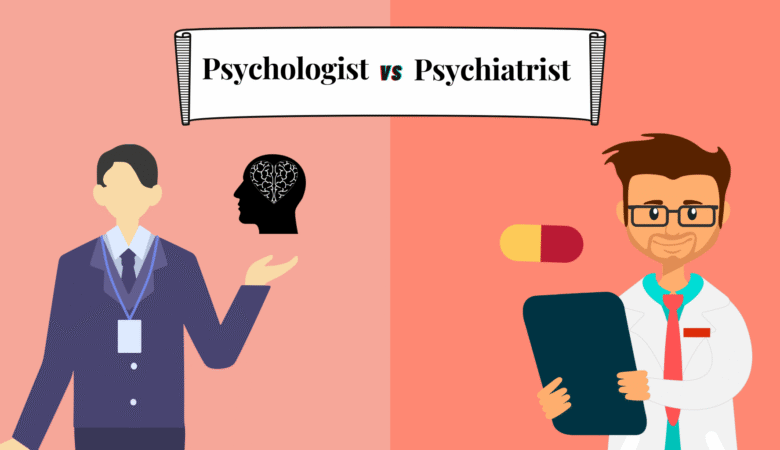
Psychologists and Psychiatrists play vital yet distinct roles in the world of mental health care. While both professionals are trained to help individuals struggling with emotional and psychological issues, their approaches differ significantly. Psychologists primarily focus on talk therapy and behavioral interventions to help patients manage and overcome mental health challenges. In contrast, Psychiatrists are medical doctors who can diagnose mental illnesses and prescribe medications when necessary. Understanding the difference between Psychologists and Psychiatrists is essential when seeking the right kind of support, whether you’re dealing with anxiety, depression, or more complex psychiatric conditions. Cordial Psychiatry | cordialpsychiatry.com | +1 914 570 9000 | 45 Ludlow St Ste 402, Yonkers, NY 10705 What Is Mental Health Care? Why Mental Health Is as Important as Physical Health Mental health shapes everything—your relationships, work, and daily life. Just like you wouldn’t ignore a broken arm, ignoring mental struggles can worsen them over time. Who Provides Mental Health Care? Mental health care isn’t one-size-fits-all. It involves a range of professionals—psychologists, psychiatrists, counselors, therapists, and social workers. Today, we’re zooming in on psychologists vs. psychiatrists. Who Is a Psychologist? Educational Background Psychologists typically hold a Ph.D. or Psy.D. in psychology. While they don’t go to medical school, their training is intense, spanning years of research, therapy techniques, and patient care. What Do Psychologists Do? Psychologists focus on behavioral and emotional therapies. They dive deep into how you think, feel, and act—then help you work through your challenges. Types of Therapy They Use Cognitive Behavioral Therapy (CBT) Dialectical Behavior Therapy (DBT) Psychodynamic Therapy Humanistic Therapy Areas of Specialization Anxiety & Depression PTSD Addiction Relationship Counseling Child Psychology Who Is a Psychiatrist? Educational Pathway Psychiatrists are medical doctors (MDs or DOs) who specialize in mental health. After completing medical school, they undergo four years of psychiatry residency training. What Do Psychiatrists Do? They diagnose mental illnesses from a biological and neurological perspective, often using brain chemistry and genetic factors to guide treatment. Medications and Treatments Antidepressants Antipsychotics Mood Stabilizers Electroconvulsive Therapy (ECT) TMS (Transcranial Magnetic Stimulation) Hospital vs. Outpatient Settings Psychiatrists may work in psychiatric hospitals, outpatient clinics (like Cordial Psychiatry), or private practices. Key Differences Between Psychologists and Psychiatrists Medical vs. Non-Medical Training Psychiatrists = Medical Doctors.Psychologists = Doctorate in Psychology (not MDs). Prescription Authority Psychiatrists can prescribe medications.Psychologists (in most states) cannot—unless specially licensed. Type of Treatments Offered Psychologists = Talk therapy, behavioral interventions.Psychiatrists = Medication management, medical evaluations. Collaboration and Referral Psychiatrists and psychologists often work together—one handles medication, the other therapy. When to See a Psychologist Talk Therapy and Counseling If you’re struggling with emotional patterns, trauma, or life changes, psychologists provide a safe space to process and grow. Long-Term Mental Health Support For ongoing therapy and self-awareness, psychologists are your go-to. When to See a Psychiatrist Medication Management If you’ve tried therapy but symptoms persist, or if you’re dealing with intense mood swings, hallucinations, or suicidal thoughts, a psychiatrist can evaluate you medically. Severe Psychiatric Disorders Schizophrenia, bipolar disorder, and severe depression often require psychiatric care, including medication and monitoring. Can Psychologists and Psychiatrists Work Together? Integrated Mental Health Care At Cordial Psychiatry, we believe in teamwork. Our psychiatrists collaborate with psychologists and therapists to deliver comprehensive care. Benefits of a Team Approach More eyes on your progress. More tools in your toolkit. You get both medication and emotional support. How to Choose Between a Psychologist and a Psychiatrist Assessing Your Needs Start with your symptoms. Feeling anxious, overwhelmed, or stuck? A psychologist may help. Struggling to function daily or having suicidal thoughts? A psychiatrist may be necessary. Getting a Referral Your primary care provider—or your team at Cordial Psychiatry—can guide you to the right expert. Mental Health Services at Cordial Psychiatry Our Expert Psychiatrists Our board-certified psychiatrists offer compassionate, science-backed care for everything from anxiety to schizophrenia. Collaborative Care With Licensed Therapists We work closely with experienced therapists to tailor your treatment plan. Personalized Treatment Plans No cookie-cutter approaches. Your care is as unique as you are. Common Myths About Psychologists and Psychiatrists Debunking Stereotypes Myth: “Psychiatrists only drug you.”Reality: They assess what’s best—meds, therapy, or both. Myth: “Therapy is just talking.”Reality: Therapy is guided, structured, and scientifically proven to help. Facts You Should Know Both can treat depression and anxiety, but in different ways. It’s okay to switch or combine providers. You don’t need to “hit rock bottom” to seek help. Cost and Insurance for Mental Health Services What You Need to Know Mental health services are increasingly covered by insurance. Check your policy or contact us directly. Cordial Psychiatry’s Payment Options We accept major insurances and offer private pay options. Call +1 914 570 9000 for details. Online vs. In-Person Appointments Telepsychiatry and Online Counseling We offer secure, HIPAA-compliant virtual visits—great for busy schedules or remote patients. When In-Person Is Best For complex evaluations or treatments like TMS, an in-person visit at our Yonkers office may be better. How to Book an Appointment With Cordial Psychiatry Contact Information 📍 45 Ludlow St Ste 402, Yonkers, NY 10705📞 +1 914 570 9000🌐 cordialpsychiatry.com What to Expect During Your First Visit A warm welcome, a detailed intake session, and a clear plan moving forward—tailored to your needs. Conclusion Understanding the difference between psychologists and psychiatrists can make all the difference in your journey toward better mental health. Whether you need therapy, medication, or both, knowing who does what ensures you get the right help at the right time. And at Cordial Psychiatry, you don’t have to choose—we provide both. Your mental health matters, and we’re here to walk with you every step of the way. FAQs Can I see both a psychologist and a psychiatrist at the same time? Absolutely. Many patients benefit from therapy with a psychologist while also seeing a psychiatrist for medication management. Do I need a referral to see a psychiatrist? Not always. At Cordial Psychiatry, you can call us directly to schedule an appointment. How long are therapy sessions with a psychologist? Typically 45–60

What You Should Know About Bipolar Disorder in Yonkers, NY

Bipolar disorder is a complex mental health condition that affects millions of people worldwide, including residents of Yonkers, NY. This disorder is characterized by extreme mood swings, ranging from depressive lows to manic highs, significantly impacting daily life. If you or a loved one is struggling with bipolar disorder, understanding its symptoms, causes, and available treatments can be life-changing. At Cordial Psychiatry, we provide expert care and tailored treatment plans to help individuals manage their condition and regain control of their lives. Understanding Bipolar Disorder What Is Bipolar Disorder? Bipolar disorder is a mental health condition that leads to extreme shifts in mood, energy, and behavior. These mood changes can last for days, weeks, or even months and can be categorized into two primary phases: Manic Episodes: Periods of high energy, euphoria, or extreme irritability. Depressive Episodes: Phases of intense sadness, hopelessness, and fatigue. Types of Bipolar Disorder There are several types of bipolar disorder, each with unique symptoms: Bipolar I Disorder: Characterized by at least one manic episode, which may be preceded or followed by depressive episodes. Bipolar II Disorder: Involves at least one major depressive episode and one hypomanic episode (a milder form of mania). Cyclothymic Disorder: A milder but chronic form of bipolar disorder involving fluctuating hypomanic and depressive symptoms. Other Specified and Unspecified Bipolar Disorders: Symptoms do not fit the above categories but still cause significant distress. Symptoms of Bipolar Disorder Signs of a Manic Episode Increased energy and activity levels Decreased need for sleep Racing thoughts and rapid speech Inflated self-esteem or grandiosity Risky behaviors such as overspending or reckless driving Signs of a Depressive Episode Persistent sadness or hopelessness Loss of interest in daily activities Fatigue and low energy Changes in appetite or sleep patterns Difficulty concentrating or making decisions Causes and Risk Factors What Causes Bipolar Disorder? The exact cause of bipolar disorder is unknown, but several factors contribute to its development: Genetics: A family history of bipolar disorder increases the risk. Brain Structure and Functioning: Differences in brain chemistry and structure may play a role. Environmental Triggers: Stress, trauma, or significant life changes can contribute to onset. Who Is at Risk? Individuals with a family history of bipolar disorder People experiencing high levels of stress or trauma Those with a history of substance abuse Diagnosis and Treatment Options How Is Bipolar Disorder Diagnosed? At Cordial Psychiatry, we follow a comprehensive evaluation process that includes: Clinical Interviews: Discussing symptoms, mood patterns, and family history. Psychological Assessments: Using standardized tools to assess mental health status. Medical Tests: Ruling out other potential causes of mood swings. Treatment Approaches Medication Management Mood Stabilizers (e.g., lithium, valproate) Antipsychotics (e.g., risperidone, olanzapine) Antidepressants (in combination with mood stabilizers to prevent manic episodes) Psychotherapy Options Cognitive Behavioral Therapy (CBT): Helps identify and change negative thought patterns. Interpersonal and Social Rhythm Therapy (IPSRT): Focuses on stabilizing daily routines. Family Therapy: Educates family members and improves communication. Lifestyle and Self-Care Strategies Maintaining a regular sleep schedule Engaging in physical activities Practicing mindfulness and relaxation techniques Avoiding alcohol and drug use Living with Bipolar Disorder in Yonkers, NY Local Resources and Support Groups If you or a loved one needs support, consider these local resources: Cordial Psychiatry: Offering expert diagnosis and personalized treatment plans. Mental Health Support Groups: Available through community organizations and online platforms. Crisis Helplines: For immediate assistance during a crisis. Seeking Help at Cordial Psychiatry At Cordial Psychiatry, we are committed to providing compassionate and effective care for individuals struggling with bipolar disorder. Our team of experienced professionals is here to help you navigate the challenges and achieve long-term stability. Conclusion Bipolar disorder is a serious but manageable condition. With proper diagnosis, treatment, and support, individuals can lead fulfilling lives. If you or someone you know in Yonkers, NY, is experiencing symptoms of bipolar disorder, don’t hesitate to seek professional help. Cordial Psychiatry is here to support you every step of the way. FAQs What is the first step in getting diagnosed with bipolar disorder? The first step is to consult a mental health professional for a comprehensive evaluation, including clinical interviews and psychological assessments. Can bipolar disorder be cured? Bipolar disorder cannot be cured, but it can be effectively managed with medication, therapy, and lifestyle adjustments. How do I know if my mood swings are normal or a sign of bipolar disorder? If mood swings are severe, persistent, and interfere with daily life, it’s best to consult a psychiatrist for an evaluation. Are there natural treatments for bipolar disorder? While medication and therapy are primary treatments, lifestyle changes such as exercise, a balanced diet, and stress management can help improve symptoms. How can family members support a loved one with bipolar disorder? Educate yourself about the condition, offer emotional support, encourage treatment adherence, and seek family therapy when needed.