TMS Therapy in Yonkers, Serving NYC and Westchester

Depression treatment that works when medication has not.

Cordial Psychiatry offers FDA-cleared TMS therapy in Yonkers for adults with depression who have not found enough relief from medication. TMS is non-invasive, does not require anesthesia, and allows most patients to return to their normal routine after each session.


If you have tried antidepressants and still feel stuck, TMS may be an option worth exploring.

What is TMS?

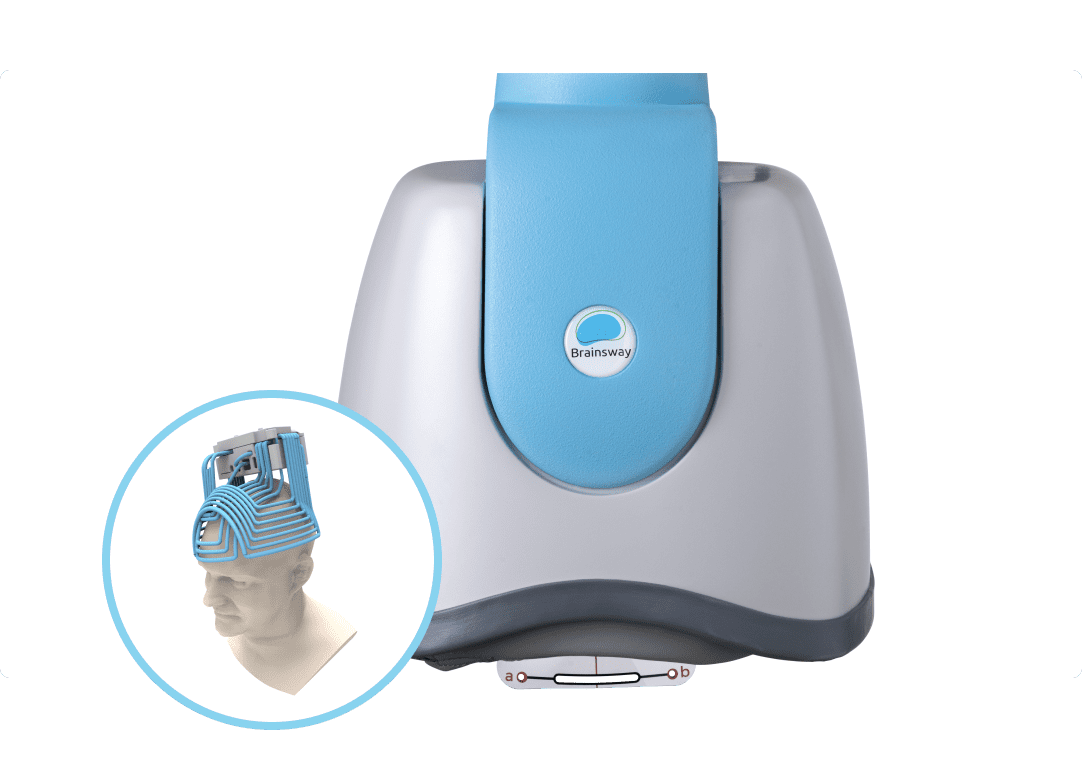
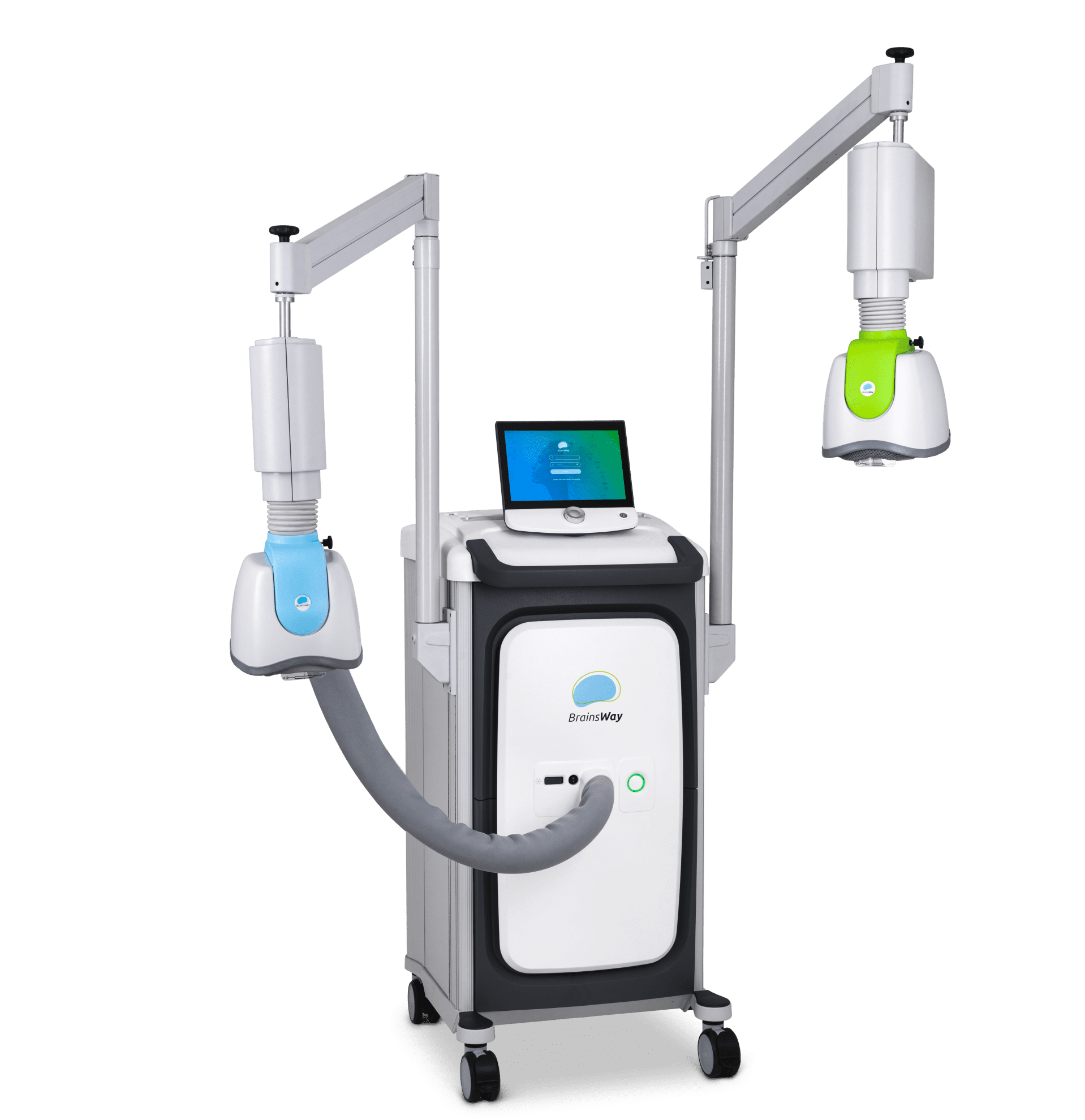
Transcranial Magnetic Stimulation, or TMS, is a non-invasive treatment that uses magnetic pulses to stimulate areas of the brain involved in mood regulation. Unlike medication, TMS does not work through the whole body. It is performed in-office while you are awake, seated comfortably, and monitored by a trained clinical team. TMS is commonly considered for adults with depression who have not experienced enough improvement from antidepressant medication.

Patient receiving TMS therapy treatment for depression at a modern mental health clinic

Who may be a good candidate for TMS?

TMS may be appropriate for adults with depression who:

Have tried one or more antidepressants without enough relief

Have experienced side effects from medication

Want a non-invasive treatment option

Are able to attend regular treatment sessions

Have been evaluated by a qualified psychiatric provider

TMS is not right for everyone. Your provider will review your diagnosis, medical history, medication history, safety factors and treatment goals before recommending it.

WHY CORDIAL PSYCHIATRY

Why patients choose Cordial for TMS

At Cordial Psychiatry, TMS treatment is guided by individualized evaluation and ongoing support. Patients choose us because we offer:

Psychiatrist-led care
Personalized treatment planning
Progress monitoring throughout treatment
Medication management support when needed
A convenient Yonkers location serving NYC and Westchester
Help checking insurance benefits for eligible patients

Our goal is to make the process clear, supportive and clinically appropriate from the first consultation.

Healthcare professional speaking with a patient
Individualized TMS Care

Support throughout your treatment journey.

02
COVERAGE & BENEFITS

Insurance coverage for TMS

Most major insurance plans may cover TMS for depression when medication has not worked well enough. Coverage depends on your plan, diagnosis, treatment history and documentation requirements.

Cordial Psychiatry can help check your benefits and explain what information may be needed before treatment begins.

Patient in a calm healthcare consultation setting
YOUR TREATMENT EXPERIENCE

What does treatment feel like?

During a TMS session, you sit in a treatment chair while a device delivers magnetic pulses through a coil placed near the scalp. You remain awake throughout the appointment.

Some patients feel tapping or pulsing on the scalp during treatment. Mild headache or scalp discomfort can happen, especially early in treatment, but many patients are able to return to normal activities afterward.

You remain awake throughout the appointment.
PROGRESS & EXPECTATIONS

When do results appear?

Every patient responds differently. Some patients begin noticing improvement within 2 to 4 weeks, while others may need more time.

2 to 4 weeks

Some patients begin noticing improvement within this period.

Ongoing monitoring

Your provider will monitor your progress throughout treatment.

Your provider will monitor your progress throughout treatment and discuss what changes, if any, you are noticing in mood, energy, sleep, motivation and daily functioning.

TREATMENT CONSIDERATIONS

Conditions TMS may support

Major depressive disorder

TMS is FDA-cleared for major depressive disorder and may be considered for patients with depression who have not improved enough with medication.

SYMPTOM EVALUATION

Some patients with depression also experience anxious distress, low motivation, poor concentration, sleep changes or emotional heaviness. Your provider will evaluate your symptoms carefully to determine whether TMS is appropriate.

Important to know

TMS is not a standalone treatment for general anxiety. If anxiety is part of your symptoms, your provider can discuss whether it is related to depression and what treatment options may fit your needs.

SAFETY & SCREENING

Is TMS safe?

TMS has a well-established safety profile and does not require surgery, anesthesia or implanted electrodes.

Common side effects may include scalp discomfort, headache, tingling, twitching or temporary lightheadedness. Seizures are a rare risk, which is why every patient needs a careful screening before starting treatment.

Patients with certain implanted devices, metal near the head, seizure history or specific medical conditions may need additional review.

Careful screening. Informed decisions.

Every patient needs a careful screening before starting treatment.

YOUR NEXT STEPS

How do I start TMS treatment?

01

Consultation

The first step is a consultation with Cordial Psychiatry. During your visit, we will review your symptoms, treatment history, current medications, health history and goals.

02

Next steps

If TMS appears appropriate, our team will explain the next steps, including treatment planning, insurance verification and scheduling.

TAKE THE FIRST STEP

Call (914) 570-9000 to check if you may be a candidate for TMS therapy in Yonkers.

Call Now

Ready to Start TMS Therapy in NYC and New York State?

Take the first step toward emotional wellness with personalized therapy based on your unique needs and goals. 

Ready to Start TMS Therapy in New York City?

Take the first step toward emotional wellness with personalized therapy tailored to your unique needs and goals.


FAQS

Is TMS covered by insurance?

Many major insurance plans may cover TMS for eligible patients with depression, especially when medication has not provided enough relief. Coverage varies by plan, so our team can help check your benefits.

Is TMS a medication?

No. TMS is not a medication. It uses magnetic pulses to stimulate specific areas of the brain involved in mood regulation.

Do I need anesthesia for TMS?

No. TMS does not require anesthesia. You remain awake during treatment.

Can I go back to work after TMS?

Many patients are able to return to work, school or regular activities after a session. Your provider will give guidance based on your individual situation.

How long does a TMS session take?

Session length can vary depending on the treatment protocol used. Traditional TMS sessions may take longer, while some newer protocols may be shorter. Your provider will explain what to expect based on the treatment approach recommended for you.

Can TMS help anxiety?

TMS is FDA-cleared for depression and certain other conditions, but not as a standalone treatment for general anxiety. Some patients with depression also experience anxious distress, and your provider can help determine the right treatment plan.

Where is Cordial Psychiatry located?

Cordial Psychiatry is located at 955 Yonkers Ave, Suite 102, Yonkers, NY 10704. We serve patients from Yonkers, Westchester, the Bronx, NYC-area communities and nearby areas in New York.

How do I know if I am a candidate?

The best way to know is through a psychiatric evaluation. Your provider will review your diagnosis, medication history, symptoms, safety factors and treatment goals before recommending TMS.
During TMS therapy, you remain awake while a treatment device delivers magnetic pulses to targeted areas of the brain. You may hear clicking sounds or feel tapping on your scalp. Your provider will monitor your comfort throughout each treatment session. 
A typical TMS session lasts about 20–40 minutes, depending on the treatment protocol. Most patients receive treatment five days a week for several weeks. At Cordial Psychiatry, we create personalized treatment plans based on each patient’s clinical needs and treatment goals. 
Getting started is simple. Schedule a consultation with Cordial Psychiatry to discuss your symptoms, treatment history, and goals. Our team will determine whether TMS therapy in New York, including NYC, is appropriate for you and guide you through the treatment process. 
 
While TMS is most commonly used for depression, it may also benefit patients with anxiety, OCD, and other mental health conditions. Our providers evaluate each case individually to determine whether TMS therapy is appropriate based on symptoms and treatment needs. 
 
 
Yes. TMS is an FDA-cleared treatment with a safety profile. Most patients experience minimal side effects, such as mild scalp discomfort or headache. Our experienced TMS doctors in New York and NYC carefully monitor treatment sessions for patient comfort and safety. 
No. TMS is completely non-invasive and does not require anesthesia, sedation, or recovery time. Patients can return to work, school, or normal daily activities immediately after their appointment at Cordial Psychiatry, making it a convenient treatment option for many patients. 
 
The number of sessions varies by individual, but most patients receive 30–36 treatments over several weeks. During your consultation, our team will develop a personalized TMS treatment plan in New York and NYC based on your condition and treatment goals. 
 
TMS THERAPY · YONKERS, NY

When medication isn’t enough, TMS may help.

A non-invasive treatment for depression using FDA-cleared technology. No anesthesia or sedation. Most patients can return to their usual activities after each session.

Cordial Psychiatry provides TMS therapy in Yonkers, serving NYC and Westchester, with individualized evaluation and ongoing psychiatric support.

Non-invasive · No anesthesia · Personalized treatment

Am I a candidate for TMS?

Take the first step. Request a consultation to discuss your treatment history and whether TMS may be appropriate.

TMS FORM BING

In-person sessions

At our Yonkers office.

A planned treatment course

Repeated appointments over several weeks.

Ongoing check-ins

Your symptoms and progress are reviewed throughout.

No anesthesia

You remain awake during treatment.

WHAT IS TMS?

A non-invasive treatment that targets the brain’s mood circuits

Transcranial Magnetic Stimulation (TMS) uses focused magnetic pulses to stimulate brain areas involved in mood regulation. It may be considered when antidepressants have not provided enough relief.

You sit in a treatment chair and remain awake. You may hear clicking sounds and feel tapping against your scalp.

At Cordial Psychiatry, we evaluate your needs, plan your treatment and track your progress throughout the course.

TMS Antidepressants
How it works Magnetic pulses delivered to targeted brain areas Medication taken as prescribed
Anesthesia Not required Not required
Common side effects Headache or scalp discomfort Vary by medication
Daily routine Most patients resume usual activities afterward Medication taken on a prescribed schedule
Time commitment Repeated office sessions Ongoing medication and follow-up

TMS may be used alongside medication or psychotherapy. Your provider will explain how it fits into your care.

IS TMS RIGHT FOR ME?

You may be a candidate if…

Every patient receives an evaluation first. These are common reasons to start a conversation about TMS.

Your provider will review your diagnosis, treatment history, medications and safety considerations before recommending TMS.

✓

Antidepressants haven’t helped enough

Depression continues to affect your daily life despite medication treatment.

✓

Side effects have been difficult

Medication side effects have made it harder to continue treatment.

✓

You want another treatment option

You would like to explore a non-invasive approach that does not add another prescription.

✓

You can attend regular sessions

You can travel to our Yonkers office for the recommended appointments.

WHY CORDIAL PSYCHIATRY

TMS with psychiatric care behind it

Care built around you

Your symptoms, treatment history and goals guide your plan.

Evaluation before treatment

We assess whether TMS is appropriate for your needs.

Progress reviewed throughout

Your response and comfort are monitored during treatment.

Medication management support

Your plan can include medication management when appropriate.

Clear treatment expectations

Understand the process and appointment schedule before starting.

Accessible Yonkers location

In-person care serving Westchester, the Bronx and NYC.

HOW IT WORKS

From your first call to your first session

STEP 1

Contact our team

Ask about TMS and arrange a consultation.

STEP 2

Psychiatric evaluation

Your provider reviews your symptoms, previous treatments and medical history.

STEP 3

Coverage and scheduling

Clarify insurance requirements, potential costs and your treatment schedule.

STEP 4

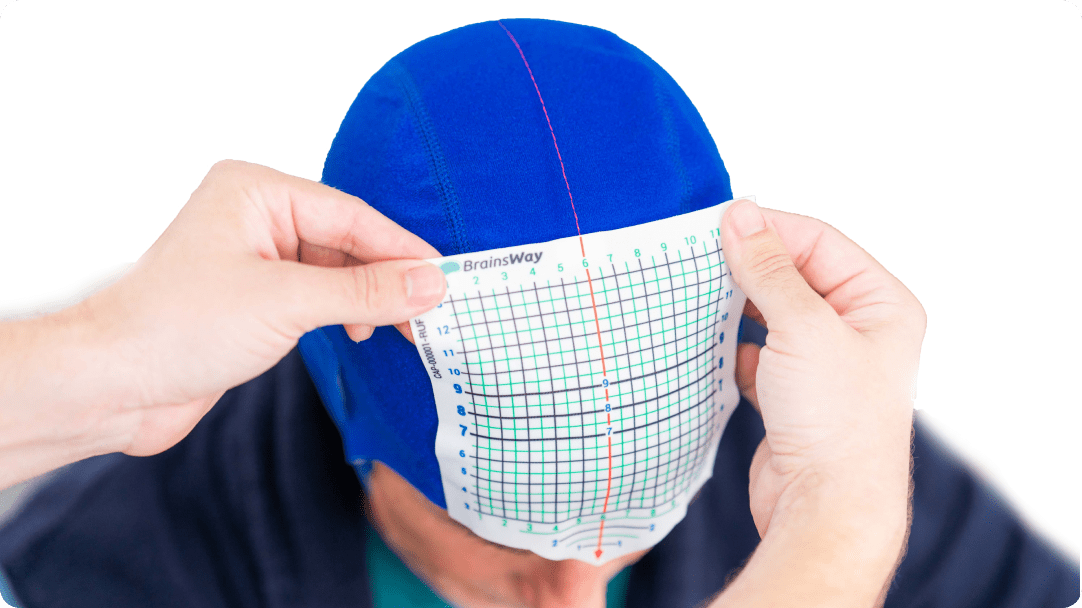
Treatment mapping

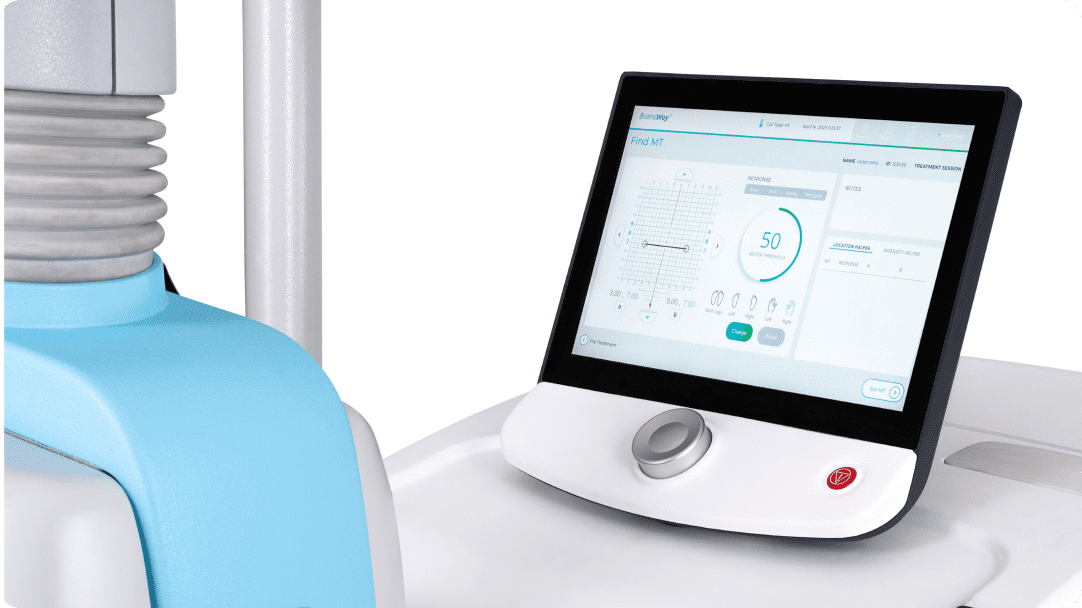
Your provider establishes the stimulation location and treatment settings.

STEP 5

Sessions and check-ins

Attend scheduled treatments with regular progress reviews.

INSURANCE

Your insurance plan may cover TMS

Coverage for depression depends on your plan’s requirements. Your insurer may request documentation of previous antidepressant treatment and require prior authorization.

Before starting, ask our team about insurance participation, coverage verification and potential out-of-pocket costs.

Ask About My Insurance

What affects coverage?

  • Your insurance plan and benefits.
  • Your diagnosis and treatment history.
  • Required records and prior authorization.
  • Your deductible, copayment or coinsurance.

Insurance coverage and clinical eligibility are separate decisions. Both should be clarified before treatment begins.

VISIT US

TMS in Yonkers, serving NYC and Westchester

Cordial Psychiatry
955 Yonkers Ave, Suite 102
Yonkers, NY 10704
Monday–Thursday: 8:00 AM–6:00 PM
Friday: 8:00 AM–5:00 PM

Plan your visits from nearby communities

Yonkers Mount Vernon New Rochelle White Plains Scarsdale Bronxville The Bronx NYC

TMS is provided in person. Discuss the recommended schedule so you can plan around travel, work and other commitments.

Get Directions
FAQ

Common questions about TMS

What should I expect during a session?

You remain awake while the device delivers magnetic pulses. Clicking sounds and a tapping sensation are common. Tell your treatment team if you experience discomfort.

Is TMS safe?

TMS is generally well tolerated, but it has risks. Headache and scalp discomfort are common side effects; seizures are rare. Your provider reviews safety factors before treatment.

How many sessions will I need?

TMS involves a series of appointments, usually over several weeks. Your provider will explain the recommended course based on your treatment protocol and clinical needs.

How long is each session?

Session length depends on the protocol. The initial appointment may take longer because it includes treatment mapping. Our team will explain what to expect before you start.

What is the difference between TMS and Deep TMS?

They use different coil designs. Deep TMS can stimulate deeper and broader brain areas. Ask our team which device and protocols are available for your treatment.

Does insurance cover TMS?

Your plan may cover TMS for depression when its criteria are met. Confirm coverage, authorization requirements and potential costs before beginning.

Can I drive after treatment?

Most patients can drive and resume usual activities because TMS does not require sedation. Follow your provider’s advice and avoid driving if you feel unwell.

Ready to see if TMS is right for you?

Start with a consultation at our Yonkers office. Understand your options, ask your questions and discuss an appropriate next step.

Cordial Psychiatry

955 Yonkers Ave, Suite 102, Yonkers, NY 10704

(914) 570-9000

Individual results vary, and not every patient is a candidate. Treatment recommendations require a clinical evaluation. This page provides general information and does not replace medical advice.

Subscribe To Our Newsletter

Subscription Form

Don’t suffer in silence: reach out to us today to start your path towards a healthier, happier life.

Contact Info