Westchester County Psychiatric Services: Everything You Need to Know About Treatment Options

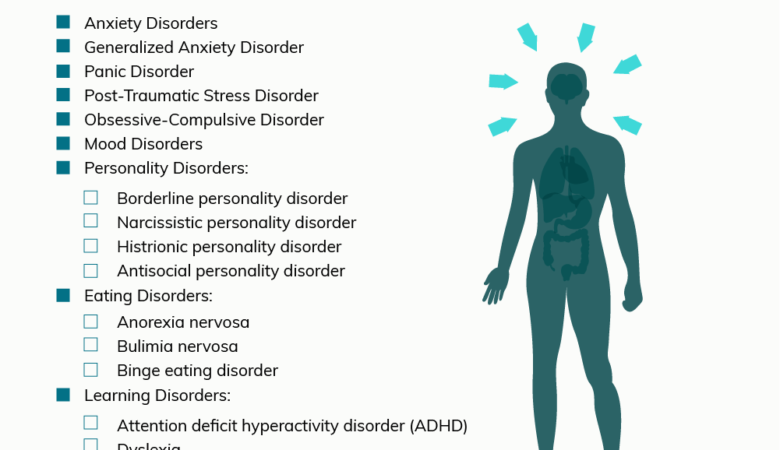
At Cordial Psychiatry, we are proud to be a trusted name in mental health care across Westchester County, including Yonkers, Botox, and surrounding areas. Our expert psychiatric team offers comprehensive services that cater to a wide range of mental health needs with a focus on compassion, professionalism, and personalized treatment plans. Whether you’re facing anxiety, depression, mood disorders, or more complex psychiatric conditions, our goal is to guide you through evidence-based treatment options that can restore your mental well-being and help you thrive. What Are Psychiatric Services? Psychiatric services encompass a broad range of treatments and therapies designed to diagnose, treat, and manage mental health disorders. At Cordial Psychiatry, we offer: Diagnostic Evaluations Medication Management Individual Psychotherapy Couples and Family Therapy Crisis Intervention Support for Substance Use and Addiction These services are customized for each patient, ensuring that your specific mental health concerns are addressed with the right tools and treatments. Who Can Benefit from Psychiatric Services in Westchester County? Our services are ideal for individuals experiencing: Anxiety Disorders (GAD, Panic Disorder, Phobias) Depressive Disorders Bipolar Disorder Schizophrenia PTSD and Trauma-Related Disorders ADHD OCD Substance Use Disorders Personality Disorders If you’ve noticed prolonged sadness, mood instability, overwhelming stress, or behavioral changes, it may be time to seek professional psychiatric care. Treatment Options Available at Cordial Psychiatry Psychiatric Evaluations and Diagnosis We begin your journey with a thorough psychiatric evaluation. This includes clinical interviews, review of personal and medical history, and standardized assessment tools. This step is essential for crafting an effective and personalized treatment plan. Medication Management Our board-certified psychiatrists specialize in medication therapy, including antidepressants, mood stabilizers, antipsychotics, and more. We monitor your progress regularly and adjust prescriptions to ensure optimal outcomes with minimal side effects. Psychotherapy and Counseling We provide several therapy modalities including: Cognitive Behavioral Therapy (CBT) Dialectical Behavioral Therapy (DBT) Psychodynamic Therapy Supportive Therapy These approaches address behavioral patterns, emotional regulation, and trauma recovery. Dual Diagnosis and Addiction Psychiatry For those struggling with both mental health and substance use, we offer integrated treatment for co-occurring disorders, combining medication, therapy, and lifestyle support. Child and Adolescent Psychiatry Young patients face unique mental health challenges. We provide age-appropriate treatment for ADHD, anxiety, autism spectrum disorders, and behavioral issues in children and teens. Geriatric Psychiatry Seniors often suffer from underdiagnosed mental health conditions. We offer specialized services for elderly patients dealing with dementia, depression, and age-related cognitive changes. Benefits of Choosing Cordial Psychiatry in Westchester County Experienced and licensed providers Flexible scheduling options Telepsychiatry services available Culturally sensitive and multilingual care Collaborative treatment planning Insurance and self-pay options Whether you are in Yonkers, Botox, or surrounding Westchester neighborhoods, we’re here to help you get back to your best self. Telepsychiatry Services in Westchester County We understand that life can be hectic or that some might struggle with transportation and mobility. That’s why we proudly offer telepsychiatry—real-time, HIPAA-compliant psychiatric services delivered through video calls. All you need is a stable internet connection and a private space. Telehealth is ideal for: Follow-up appointments Medication refills Therapy sessions Initial consultations for new patients This ensures access to quality psychiatric care from the comfort of your home. How to Know When You Need Psychiatric Help Seeking psychiatric help is not a sign of weakness—it’s a step toward healing and empowerment. Common signs include: Feeling sad, anxious, or emotionally numb for extended periods Difficulty concentrating or making decisions Mood swings that disrupt daily functioning Withdrawal from family, friends, or activities Thoughts of self-harm or suicide Trouble sleeping or eating If you or a loved one experiences these symptoms, call Cordial Psychiatry today at +1 914 570 9000. Treatment Process at Cordial Psychiatry Step 1: Initial Consultation We assess your history, symptoms, and treatment goals. Step 2: Diagnosis We provide a formal diagnosis using clinical tools and interviews. Step 3: Treatment Planning We develop a personalized plan involving therapy, medication, or both. Step 4: Ongoing Support We ensure long-term progress with regular check-ins and adjustments. Why Choose Cordial Psychiatry in Westchester County? Convenient locations in Yonkers, Botox, and nearby areas Board-certified psychiatric professionals State-of-the-art facilities Evidence-based therapies Patient-first care model Multidisciplinary team approach We believe every person deserves access to compassionate and comprehensive mental health care. At Cordial Psychiatry, we walk with you every step of the way. FAQs About Westchester County Psychiatric Services What insurance plans do you accept? We accept most major insurance providers and offer self-pay options for uninsured individuals. Call our front desk at +1 914 570 9000 for more details. Do you offer services for children and teenagers? Yes, we have specialists trained in child and adolescent psychiatry for ages 6 to 18. What if I need emergency psychiatric care? For emergencies, always dial 911 or go to the nearest ER. For urgent psychiatric concerns, call our clinic directly during business hours. Can I receive therapy without medication? Absolutely. Many patients benefit from talk therapy alone. We build treatment plans tailored to your needs, whether they involve medication, therapy, or both. How long will I need psychiatric treatment? This depends on your condition and goals. Some individuals need short-term support, while others benefit from ongoing management. Do you offer telepsychiatry outside of Westchester County? Yes, we offer telehealth throughout New York State, making our services accessible to anyone who qualifies. What happens during my first appointment? You’ll undergo a comprehensive assessment, discuss your symptoms, history, and goals. From there, we’ll create your treatment plan. How often are follow-up appointments scheduled? It varies depending on your progress and condition. Some patients are seen weekly, others monthly. Contact Cordial Psychiatry Today If you or someone you care about is struggling with mental health challenges, don’t wait. Help is available. Our team at Cordial Psychiatry is here to support you through expert psychiatric care. 📞 Phone: +1 914 570 9000📍 Locations: Yonkers, Botox, and nearby Westchester County areas🌐 Website: cordialpsychiatry.com

Psychiatry in Yonkers, NY: How to Choose the Right Mental Health Professional for You

Understanding the Importance of Mental Health Why Mental Health Is Just as Important as Physical Health Let’s get real—mental health isn’t some extra luxury; it’s foundational. Just like you wouldn’t ignore chest pain, you shouldn’t ignore anxiety, depression, or emotional exhaustion. Mental health shapes how you think, act, and interact with others. It affects your work, relationships, and quality of life. When to Seek Help from a Psychiatrist Not sure when it’s time? If your emotions are interfering with your daily life, you feel overwhelmed constantly, or you’re struggling to get through the day, don’t wait. That’s your sign to reach out. A psychiatrist can offer professional insight and a path toward healing. What Is Psychiatry? Role of a Psychiatrist A psychiatrist is a medical doctor trained to diagnose, treat, and manage mental illnesses. They can prescribe medications, provide therapy, and help you build a long-term mental wellness plan. They often work with therapists and counselors for a holistic approach. Psychiatrist vs. Psychologist vs. Therapist These roles often get mixed up, so here’s a quick breakdown: Psychiatrist: Can prescribe medications and provide therapy. Medical doctor (M.D. or D.O.). Psychologist: Offers talk therapy and assessments but can’t usually prescribe meds. Therapist: A general term for professionals offering counseling (may include psychologists, social workers, etc.). Types of Conditions Treated by Psychiatrists From anxiety and depression to bipolar disorder, PTSD, schizophrenia, ADHD, and beyond, psychiatrists handle a wide range of mental health conditions. At Cordial Psychiatry, we specialize in both acute and chronic concerns. Cordial Psychiatry – Your Local Mental Health Partner Locations in Yonkers and Westchester, NY We proudly serve patients across Yonkers and Westchester, NY. Whether you’re commuting or local, our offices are convenient, welcoming, and designed for your comfort. Our Philosophy of Care At Cordial Psychiatry, our approach is personal, compassionate, and evidence-based. We believe everyone deserves access to mental health support tailored to their unique story. Contact and Appointment Info Need to talk? Call us today at +1 914 570 9000. Our staff will guide you through the process, answer your questions, and help you schedule your first appointment. How to Choose the Right Mental Health Professional Identify Your Needs Before booking an appointment, get clear on what you need help with. Are you dealing with anxiety? Sleep issues? Mood swings? Your needs determine which professional is best suited to help. Consider Specializations Mental health professionals often have areas of focus. At Cordial Psychiatry, our team has experience with a range of conditions—from ADHD to trauma and mood disorders. Credentials and Experience Matter Make sure your psychiatrist is board-certified, licensed, and has the right training. Years of experience in a specific area can make all the difference. Compatibility and Comfort This is big: you need to feel comfortable opening up. A strong doctor-patient relationship is built on trust. If you don’t feel heard or respected, it’s okay to look elsewhere. Insurance and Affordability Check whether the clinic accepts your insurance and get clarity on costs. At Cordial Psychiatry, we strive to keep care accessible and transparent for every patient. Accessibility of Services Do they offer evening hours? Telehealth options? Multiple locations? Cordial Psychiatry offers both in-person and remote appointments to meet you where you are—literally and emotionally. Red Flags to Watch Out For Poor Communication If your provider doesn’t listen, interrupts, or brushes off your concerns, that’s a problem. You deserve better. Lack of Transparency You should always understand what treatment involves, how long it may take, and what medications are being prescribed. If things are kept vague, proceed with caution. One-Size-Fits-All Approach Every patient is unique. If you’re being treated like just another case, that’s a sign the care might not be personalized or effective. Services Offered at Cordial Psychiatry Anxiety and Depression Treatment We take a compassionate, research-backed approach to helping you manage and reduce symptoms of anxiety and depression. Bipolar and Mood Disorders Our team offers ongoing support, mood tracking, and medication management to help stabilize and improve your quality of life. ADHD and Behavioral Issues Struggling to focus? We help children and adults with ADHD through medication, behavior strategies, and therapy. Medication Management Medication isn’t one-size-fits-all. We tailor prescriptions to your unique biology and check in regularly for adjustments. Telepsychiatry Services Too busy or far away to come in? Our secure telehealth options make accessing care from anywhere in New York easy. Individual and Family Counseling Whether you’re dealing with personal struggles or relationship challenges, we offer support for individuals, couples, and families. Benefits of Choosing a Local Psychiatrist in Yonkers, NY Personalized Care You’re not just a name on a file. Local psychiatrists like those at Cordial Psychiatry get to know your story and community, offering more personalized care. Ongoing Support You won’t get shuffled from one provider to another. We’re here for the long haul, ready to help you through ups, downs, and everything in between. Community Connection Being local means we understand your environment, challenges, and the unique cultural mix of Yonkers and Westchester. That insight helps us tailor your care. How to Prepare for Your First Visit What to Bring Bring a list of your symptoms, medical history, current medications, and any questions. It helps to be open and honest—that’s how we help you best. Questions to Ask What treatment options do you recommend? How soon can I expect to feel better? Are there side effects I should know about? Setting Realistic Expectations Therapy and medication take time. Mental health isn’t fixed overnight—but with the right support, healing happens. Conclusion Choosing the right psychiatrist can be life-changing. It’s not just about credentials—it’s about connection, comfort, and compassion. At Cordial Psychiatry, we’re committed to walking with you every step of the way. Whether you’re in Yonkers or Westchester, you don’t have to navigate mental health alone. Need help today? Call us at +1 914 570 9000 to schedule your appointment. Let’s take this step together. Frequently Asked Questions How do I know if I need a psychiatrist or therapist? If your

Comprehensive Help for Depression in Yonkers, NY | Cordial Psychiatry

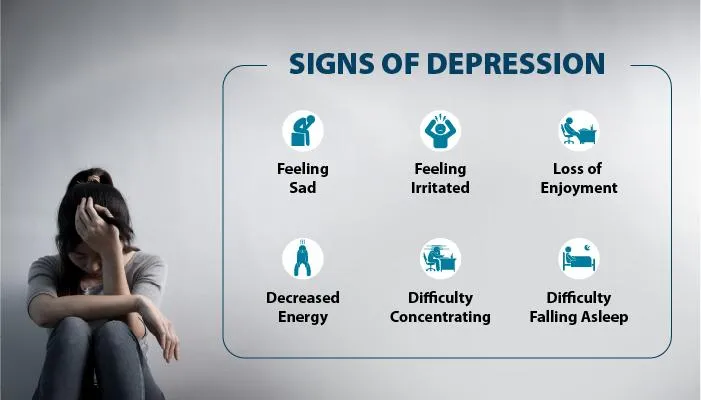
At Cordial Psychiatry, we understand that depression is not simply about feeling sad. It’s a complex and often debilitating condition that affects how individuals think, feel, and function daily. Located in Yonkers, NY, our clinic provides a full spectrum of evidence-based care tailored to those seeking help for depression. Our team of mental health professionals is committed to offering compassionate, confidential, and personalized treatment to guide you toward emotional well-being. Understanding Depression: More Than Just Sadness Depression, clinically known as Major Depressive Disorder (MDD), is a by persistent feelings of sadness, loss of interest, hopelessness, and a range of emotional and physical problems. It can interfere with daily functioning, relationships, and overall health. Common Symptoms of Depression Persistent feelings of sadness or emptiness Loss of interest in activities once enjoyed Fatigue or lack of energy Difficulty concentrating or making decisions Changes in appetite or weight Sleep disturbances Feelings of worthlessness or excessive guilt Thoughts of death or suicide If you are experiencing several of these symptoms for more than two weeks, it’s time to seek professional help for depression. Why Choose Cordial Psychiatry for Depression Help in Yonkers, NY We take pride in being one of the most trusted mental health clinics in Yonkers, NY. At Cordial Psychiatry, we offer comprehensive depression treatment that is grounded in both empathy and clinical excellence. Expert Team of Mental Health Professionals Our team includes board-certified psychiatrists, licensed therapists, and mental health nurse practitioners, all working collaboratively to create an effective treatment plan tailored to your needs. Individualized Treatment Plans No two cases of depression are the same. That’s why we develop customized treatment strategies that may include a combination of therapy, medication, and lifestyle changes. Confidential and Compassionate Care We provide a safe and supportive environment where individuals can openly discuss their emotions without judgment. Advanced Therapeutic Modalities From Cognitive Behavioral Therapy (CBT) to Mindfulness-Based Cognitive Therapy (MBCT) and Psychodynamic Therapy, we use proven approaches to treat depression effectively. Types of Depression We Treat Understanding the type of depression you’re experiencing is crucial for providing the most effective care. At Cordial Psychiatry, we offer specialized support for: Major Depressive Disorder (MDD) Characterized by prolonged and intense episodes of sadness and despair. Persistent Depressive Disorder (Dysthymia) A long-term form of depression with less severe but chronic symptoms. Seasonal Affective Disorder (SAD) Occurs during certain times of the year, usually winter, due to lack of sunlight. Postpartum Depression Experienced by new mothers due to hormonal changes, fatigue, and emotional adjustments. Bipolar Depression A component of Bipolar Disorder, marked by depressive episodes alternating with periods of mania. Situational Depression Triggered by a specific life event such as loss, trauma, or major life change. Our Treatment Options for Depression At Cordial Psychiatry, we believe in holistic care that addresses the mind, body, and spirit. Our treatment options include: Psychotherapy Also known as talk therapy, it helps individuals identify and change negative thinking and behavior patterns. CBT (Cognitive Behavioral Therapy): Focuses on identifying distorted thinking and replacing it with healthier patterns. Interpersonal Therapy (IPT): Focuses on improving communication and interpersonal relationships. Dialectical Behavior Therapy (DBT): Combines CBT with mindfulness to manage intense emotions. Medication Management Antidepressants can be crucial in managing symptoms. Our board-certified psychiatrists provide medication evaluation, prescription, and monitoring tailored to each individual’s needs. SSRIs and SNRIs Atypical Antidepressants Mood Stabilizers Augmentation Strategies Lifestyle and Wellness Counseling Depression treatment isn’t just clinical — we promote holistic wellness through: Nutrition and diet support Exercise regimens Sleep hygiene Mindfulness and meditation techniques Telepsychiatry Services For those unable to visit our Yonkers clinic, we offer secure, HIPAA-compliant virtual consultations. When to Seek Help for Depression Early intervention is key. If depression is interfering with your quality of life, relationships, or work, it’s important to seek help immediately. Don’t wait until it becomes unmanageable. Signs you should seek help for depression in Yonkers, NY include: Inability to perform daily tasks Withdrawal from loved ones Substance abuse Persistent feelings of hopelessness Self-harm or suicidal thoughts How Our Depression Treatment Process Works Initial Consultation Your journey begins with a comprehensive assessment, including medical and psychiatric history. Diagnosis and Evaluation We use standardized tools and clinical interviews to identify the type and severity of your depression. Personalized Treatment Plan Based on your evaluation, we develop a treatment plan tailored to your unique needs and preferences. Ongoing Support and Monitoring We track your progress and adjust the treatment plan as needed to ensure optimal outcomes. Why Yonkers Residents Trust Cordial Psychiatry With a reputation for excellence, Cordial Psychiatry is the go-to mental health clinic for help for depression in Yonkers, NY. Our clients choose us because of: Local Accessibility: Conveniently located in Yonkers Experienced Staff: Decades of combined experience Compassionate Approach: We treat you with dignity and respect Results-Driven Methods: Evidence-based care that delivers real results FAQs about Help for Depression in Yonkers, NY What is the most effective treatment for depression? The most effective treatment varies by individual but often includes a combination of therapy and medication. CBT is one of the most recommended therapies, and SSRIs are commonly prescribed antidepressants. How do I know if I need professional help for depression? If symptoms last more than two weeks and interfere with daily life, it’s time to seek professional help. Is depression curable? While not always curable, depression is highly treatable. Many people achieve long-term recovery with the right combination of treatment. Do you accept insurance for depression treatment? Yes, we accept most major insurance plans. Please contact our office to verify coverage. Can I receive depression treatment online? Yes, our telepsychiatry services allow you to receive care from the comfort of your home. What if I’m having suicidal thoughts? If you are in immediate danger, please call 911 or go to the nearest emergency room. For urgent support, contact the National Suicide Prevention Lifeline at 1-800-273-TALK (8255). Contact Cordial Psychiatry Today for Help With Depression in Yonkers, NY You don’t have to face depression alone. At Cordial Psychiatry, we provide expert

Top 7 Types of Depression and Their Warning Signs You Shouldn’t Ignore

Depression is more than feeling sad or having a rough day. It’s a serious mental health condition that affects how you feel, think, and act. At Cordial Psychiatry, we know how critical it is to spot the signs early. There are many types of depression and signs to consider, and understanding these can truly change lives. Why Knowing Depression Types Matters Each type of depression affects people differently. Recognizing the unique signs helps individuals seek the right treatment sooner. While life events trigger some forms of depression, others stem from chemical imbalances or genetics. No matter the cause, early diagnosis and proper care are essential. 1. Major Depressive Disorder (MDD) Signs and Symptoms of MDD Major Depressive Disorder is one of the most common types of depression. It often includes: Persistent sadness or hopelessness Loss of interest in activities once enjoyed Difficulty concentrating or making decisions Changes in appetite or weight Insomnia or excessive sleeping Fatigue and low energy Thoughts of death or suicide These symptoms must persist for at least two weeks for a clinical diagnosis. Causes and Risk Factors MDD can be caused by a combination of factors: Genetic predisposition Trauma or major life stressors Hormonal changes Certain medical conditions or medications If you or someone you know experiences these symptoms, Cordial Psychiatry offers compassionate care and evidence-based treatments. 2. Persistent Depressive Disorder (Dysthymia) Key Features and Warning Signs Unlike MDD, Persistent Depressive Disorder (PDD) is chronic and long-lasting, often for two years or more. Its symptoms may be milder but are more persistent: Low self-esteem Feelings of hopelessness Low energy or fatigue Difficulty concentrating Social withdrawal Long-term Impacts on Life This slow-burning type of depression can lead to impaired social functioning, poor academic or job performance, and substance abuse. Early intervention is key to preventing long-term damage. 3. Bipolar Depression Depression vs. Mania Bipolar disorder includes periods of depressive episodes alternating with manic episodes. In depressive phases, individuals may feel: Overwhelming sadness Sleep disturbances Suicidal thoughts Mania involves: Increased energy Risky behavior Euphoria or irritability Triggers and Diagnosis Genetics plays a major role in bipolar depression. Diagnosis typically involves a detailed psychiatric evaluation. Mood tracking apps can also help identify patterns over time. 4. Seasonal Affective Disorder (SAD) Symptoms and Seasonal Patterns SAD is closely tied to the changing seasons, especially fall and winter when sunlight is limited. Common signs include: Oversleeping Cravings for carbohydrates Weight gain Isolation Treatment and Light Therapy Light therapy is often recommended, along with antidepressants and psychotherapy. Studies show that 60–80% of patients with SAD benefit from this treatment. Helpful link: National Institute of Mental Health – SAD 5. Postpartum Depression Warning Signs After Childbirth Postpartum Depression (PPD) affects 1 in 7 new mothers. It’s not just “baby blues.” Symptoms include: Intense irritability Anxiety or panic attacks Crying spells Guilt about parenting Thoughts of harming self or baby Support for New Mothers With timely support, therapy, and medication, mothers can fully recover. At Cordial Psychiatry, we offer a safe, judgment-free space for mothers to heal. 6. Premenstrual Dysphoric Disorder (PMDD) Hormonal Links and Mood Changes PMDD is a severe form of PMS, driven by hormonal fluctuations before menstruation. It can cause: Mood swings Anger or irritability Depressive thoughts Trouble sleeping Coping Strategies for PMDD Options include birth control pills, SSRIs, dietary changes, and regular exercise. Keeping a symptom journal is also helpful for tracking cycles. 7. Atypical Depression How It Differs from Typical Depression Atypical depression doesn’t always follow the “classic” symptoms. Signs include: Increased appetite and weight gain Sleeping too much Feeling heavy in the limbs Being highly reactive to rejection Common Misdiagnoses Because its symptoms mimic other conditions, it’s often misdiagnosed as chronic fatigue or anxiety. Accurate diagnosis ensures effective treatment. Depression in Different Age Groups Teens, Adults, and Seniors Teens may act out, show irritability, or withdraw from friends. Adults may experience fatigue, guilt, or lack of motivation. Seniors might show memory problems, sadness, or apathy. Depression can look different depending on age, making expert evaluation vital. When to Seek Professional Help If depression symptoms persist for more than two weeks or interfere with daily life, it’s time to seek help. At Cordial Psychiatry, our team provides personalized care plans to support mental wellness. FAQs About Depression Can depression go away on its own? Mild depression might improve over time, but clinical depression typically requires treatment. Early intervention leads to better outcomes. How is depression diagnosed? Through psychological evaluations, clinical interviews, and standardized screening tools. Blood tests may also rule out physical causes. Are antidepressants the only treatment option? No. Therapy, lifestyle changes, mindfulness, and even light therapy are highly effective. Many patients use a combination of approaches. Is depression hereditary? Yes, genetics can increase risk. However, environment and lifestyle also play big roles. How long does depression treatment take? It varies. Some feel better in weeks, others take months. Long-term support may be needed in chronic cases. Can lifestyle changes reduce symptoms? Absolutely. Regular exercise, a healthy diet, and social connections can dramatically improve mood and resilience. How Cordial Psychiatry Can Help At Cordial Psychiatry, we specialize in treating all types of depression with evidence-based therapies. Our approach is: Holistic and compassionate Tailored to your specific diagnosis Backed by experienced clinicians Confidential and supportive Whether you’re navigating MDD, PMDD, or postpartum depression, we’re here to walk alongside you. Conclusion: Prioritize Your Mental Health Depression is real, but it’s also treatable. Understanding depression types and signs can empower you to take control of your mental health. Don’t wait for symptoms to worsen. Reach out to Cordial Psychiatry today—and start your journey toward healing and hope.

Therapy and Medication from a Psychiatrist for Depression

Depression is one of the most common yet misunderstood mental health conditions, affecting millions globally. It’s more than just feeling sad—it can impact every part of a person’s life, from their mood and thoughts to their physical health. Seeking therapy and medication from a psychiatrist for depression is a well-established, practical pathway toward recovery. At Cordial Psychiatry, located at 45 Ludlow St Ste 402, Yonkers, NY 10705, we specialize in treating depressive disorders with compassion, evidence-based care, and a personalized touch. Call us today at +1 914 570 9000 to begin your healing journey. What Is a Psychiatrist’s Role in Treating Depression? Psychiatrists are medical doctors trained to diagnose and treat mental health disorders, including depression. Unlike therapists or psychologists, psychiatrists can prescribe medication, offer therapy, and oversee the overall mental health treatment plan. They assess both biological and psychological factors contributing to depression. This makes them uniquely equipped to determine whether a patient needs therapy, medication, or both. The Importance of Early Diagnosis Early diagnosis of depression can drastically improve treatment outcomes. When symptoms like persistent sadness, loss of interest, or fatigue are noticed early and evaluated by a psychiatrist, interventions can be started before the condition worsens. Delaying treatment increases the risk of complications such as substance abuse, relationship breakdowns, or even suicidal thoughts. So don’t wait—if you notice signs, seek help promptly. Types of Depression Psychiatrists Treat Psychiatrists diagnose and manage many types of depression: Major Depressive Disorder (MDD) – Intense, lasting sadness, loss of energy, and hopelessness. Persistent Depressive Disorder (Dysthymia) – Chronic, low-level depression over several years. Bipolar Depression – Alternating periods of depression and mania. Seasonal Affective Disorder (SAD) – Depression linked to seasonal changes. Postpartum Depression – Depression occurring after childbirth. Each type requires a nuanced approach to therapy and medication, tailored by your psychiatrist. Talk Therapy: A Key Component of Treatment Therapy is often the cornerstone of depression treatment. At Cordial Psychiatry, we believe that talk therapy creates a safe space for patients to explore emotions, break negative thinking cycles, and build resilience. Cognitive Behavioral Therapy (CBT) CBT helps patients identify and reshape unhelpful thoughts and behaviors. It’s solution-focused and goal-oriented—great for those looking for actionable change. Psychodynamic Therapy This approach explores unconscious patterns rooted in childhood or past trauma. By uncovering these patterns, patients can gain deeper self-awareness and emotional freedom. Interpersonal Therapy (IPT) IPT focuses on improving communication skills and relationship dynamics. It’s especially effective when depression is triggered by loss, conflict, or transitions. Medication Management for Depression Many individuals benefit from antidepressant medications, especially in moderate to severe cases. A psychiatrist carefully selects the right medication, dosage, and monitors side effects. SSRIs and SNRIs These medications increase serotonin or norepinephrine in the brain, helping regulate mood. Common options include Prozac, Zoloft, Lexapro, and Cymbalta. Atypical Antidepressants Medications like Wellbutrin or Remeron are alternatives when SSRIs don’t work. They often come with different side effect profiles and mechanisms. Mood Stabilizers and Antipsychotics For bipolar depression or treatment-resistant cases, psychiatrists may prescribe mood stabilizers like Lithium or atypical antipsychotics like Abilify. Combined Treatment: Therapy + Medication Studies show that a combined approach—psychotherapy and medication—yields better outcomes than either alone, especially for moderate to severe depression. While therapy provides coping tools and emotional insights, medication stabilizes neurochemical imbalances. This integrated model is a hallmark of treatment at Cordial Psychiatry. Personalized Depression Treatment Plans Every patient is unique. That’s why we don’t do cookie-cutter care. Your treatment plan may include: One-on-one therapy sessions Medication trials and adjustments Lifestyle coaching Holistic strategies like mindfulness or nutrition Your psychiatrist will collaborate with you to create a roadmap that fits your goals and life. How Cordial Psychiatry Approaches Depression Care At Cordial Psychiatry, we combine science, compassion, and personalization to help you recover. Our psychiatrists stay current with the latest research and adjust treatment plans based on what works for you. We offer: In-depth evaluations Flexible telepsychiatry and in-office visits Ongoing medication management Individualized therapy sessions What to Expect During Your First Psychiatric Visit Your first visit includes: A comprehensive psychiatric evaluation Medical history and symptom discussion Development of a tailored treatment plan Opportunity to ask questions and share concerns We take the time to understand you, not just your diagnosis. Long-Term Depression Management Strategies Recovery doesn’t stop with symptom relief. Long-term strategies include: Regular follow-ups with your psychiatrist Lifestyle changes (sleep, exercise, diet) Mindfulness or meditation Building a strong social support network Depression may recur, but with the right tools, it becomes manageable. When to Seek Help from a Psychiatrist See a psychiatrist if you or a loved one experiences: Persistent sadness or irritability Thoughts of self-harm or suicide Difficulty functioning at work or school Loss of interest in activities Sleep or appetite changes You’re not alone—help is available. Success Stories and Case Examples Case Example: Maria, age 32 Maria struggled with postpartum depression. After an evaluation at Cordial Psychiatry, she began CBT and was prescribed a low-dose SSRI. Within weeks, she reported improved mood and energy, and today she enjoys motherhood again. Case Example: James, age 47 James experienced burnout and was diagnosed with major depressive disorder. A mix of talk therapy and medication helped him regain control over his life and relationships. FAQs About Psychiatric Treatment for Depression Do I have to take medication if I see a psychiatrist? No. Medication is one tool, not a requirement. Your psychiatrist will work with you to decide what’s best. How long does it take for antidepressants to work? Most take 4–6 weeks to show effects, but it varies. You may need adjustments along the way. Can therapy alone treat depression? Mild to moderate cases often respond well to therapy alone. Severe cases may benefit more from a combined approach. Will I be on medication forever? Not necessarily. Many people take medication temporarily. Your psychiatrist will discuss tapering when the time is right. Is it confidential? Yes. All psychiatric sessions are confidential, in line with HIPAA regulations. Can I do therapy online? Absolutely. Cordial Psychiatry

7 Powerful Ways New Yorkers Can Manage Bipolar Disorder Effectively

Understanding Bipolar Disorder in an Urban Setting Life in New York City is fast-paced, full of energy, and constantly changing—just like the emotional rollercoaster that bipolar disorder can bring. For New Yorkers living with this condition, the unique rhythm of the city can either empower or overwhelm. The good news? With the right tools and local support, managing bipolar disorder in NYC is entirely possible. At Cordial Psychiatry, we’ve helped hundreds of New Yorkers stabilize, recover, and thrive. What Is Bipolar Disorder? A Brief Overview Bipolar disorder is a mental health condition marked by extreme mood shifts—from depressive lows to manic highs. These aren’t just regular mood swings—they can impact daily functioning, relationships, work, and overall well-being. There are several types, including: Bipolar I Disorder: Characterized by manic episodes that last at least 7 days or require hospitalization. Bipolar II Disorder: Includes hypomanic episodes with depressive episodes. Cyclothymic Disorder: Less severe symptoms that still disrupt daily life. Why Managing Bipolar Disorder in NYC Is Different New York City presents a unique set of challenges and advantages: Challenges: Sensory overload (noise, crowds, fast pace) Irregular sleep schedules High stress and cost of living Advantages: Access to world-class healthcare Public transportation options Community resources and support groups #1: Establishing a Structured Daily Routine A daily routine is one of the most powerful tools for people with bipolar disorder. In a city that runs 24/7, sticking to a schedule can offer much-needed stability. Wake up and sleep at the same time every day Plan meals, work, and relaxation into your schedule Set reminders for medications and therapy Even in a chaotic environment, structure = stability. #2: Accessing Local Mental Health Services in NYC There are numerous mental health clinics and services available across the five boroughs. City Clinics and Community Resources NYC Well (Call/Text 1-888-NYC-WELL) ThriveNYC programs Mobile Crisis Teams are available in all boroughs Psychiatric Support at Clinics Like Cordial Psychiatry At Cordial Psychiatry, we provide: Comprehensive psychiatric evaluations Medication management Individual and group therapy tailored to NYC residents Whether you’re in the Bronx, Manhattan, or Queens—help is nearby. #3: Staying Connected with a Support System Bipolar disorder can be isolating, especially during depressive episodes. Staying socially connected: Reduces the risk of relapse Helps monitor mood changes Offers emotional support and accountability Join NYC-based peer support groups, faith communities, or clubs that align with your hobbies. #4: Recognizing Early Warning Signs of Mood Swings Being aware of triggers and early symptoms can help you intervene before a full episode occurs. Mania Warning Signs: Racing thoughts Decreased need for sleep Excessive spending or risk-taking Depression Warning Signs: Fatigue or lack of interest Changes in appetite Suicidal thoughts Tracking symptoms in a journal or app can help both you and your provider manage the condition. #5: Practicing Healthy Lifestyle Habits in the City That Never Sleeps Managing Sleep in a Noisy City Use blackout curtains or eye masks Try white noise machines or calming playlists Stick to a wind-down routine Exercise and Nutrition for Emotional Stability Join local gyms or yoga studios Cook fresh meals instead of relying on fast food Avoid caffeine, alcohol, and recreational drugs NYC’s parks, food co-ops, and health-conscious communities make these changes achievable. #6: Medication Management and Therapy in NYC Finding the Right Psychiatrist It can take time to find the right medication or dosage. Consistency is key. Cordial Psychiatry offers long-term medication support Telehealth options for convenience Exploring Talk Therapy and DBT Therapy provides a safe space to process emotions and identify thought patterns. CBT for managing negative thinking DBT for emotional regulation and impulse control Family therapy to improve communication and boundaries #7: Using Technology Wisely for Monitoring and Support Apps like: Moodpath Daylio eMoods …help track moods, symptoms, and medication. Social media, if used intentionally, can also connect you to supportive communities. But be mindful—too much screen time or toxic content can trigger episodes. Set digital limits when needed. Real-Life Stories: NYC Residents Living with Bipolar Disorder “Living in Harlem, I was afraid to talk about my diagnosis. Therapy helped me realize I wasn’t alone.” – Michael, 29 “I learned to say no, set limits, and prioritize rest—even when the city never sleeps.” – Anna, 35, Queens These stories prove that with the right mindset and resources, living well with bipolar disorder is possible. FAQs Is bipolar disorder curable? No, but it’s highly treatable with therapy, medication, and lifestyle changes. How do I know if I have bipolar disorder? Only a licensed professional can diagnose you. Look out for intense mood swings, energy changes, and behavior shifts. What should I do during a manic episode? Contact your provider immediately. Try to avoid triggers, stay hydrated, and reach out to a support person. Are there support groups in NYC? Yes! NYC offers in-person and virtual groups through NAMI NYC, DBSA, and local clinics. What type of doctor treats bipolar disorder? A psychiatrist is the primary provider, but therapists, psychologists, and nurse practitioners can be involved too. Can I live a normal life with bipolar disorder in NYC? Absolutely. With proper care, routines, and support, people with bipolar disorder live full, successful lives—even in a high-stress environment like NYC. Conclusion: Thriving with Bipolar Disorder in New York Managing bipolar disorder in New York City is no small feat—but it’s entirely possible. Between advanced healthcare options, community support, and dedicated mental health providers like Cordial Psychiatry, you don’t have to face it alone. You can build a balanced, meaningful life—right here in the city that never sleeps.

The Surprising Impact of Social Media on Mental Health: Insights from Cordial Psychiatry

The relationship between social media and mental health has become a significant concern, especially in our hyper-connected world. With billions of people scrolling through platforms like Instagram, TikTok, and Facebook daily, the question arises: is all this connectivity good for us? At Cordial Psychiatry, we’ve seen firsthand how digital life affects emotional and psychological well-being. Understanding these effects is critical for individuals, families, healthcare providers, and educators. What Is Mental Health? A Quick Refresher Mental health includes our emotional, psychological, and social well-being. It affects how we think, feel, and behave, as well as how we handle stress and relate to others. Good mental health doesn’t mean feeling happy all the time—it means being able to cope with the ups and downs of life. How Social Media Has Changed the Way We Communicate Social media has revolutionized communication. It’s faster, more visual, and always on. Here’s how it’s reshaped interactions: Real-time updates from across the globe Virtual support communities Constant access to people and information A shift from face-to-face to screen-to-screen interaction While these changes offer many conveniences, they also come with serious challenges. The Double-Edged Sword: Pros and Cons of Social Media The Benefits of Social Media Community Support: People can find others going through similar experiences. Mental Health Awareness: Access to resources, mental health pages, and professionals. Self-Expression: A space to share thoughts, art, and creativity. The Drawbacks of Social Media Addictive Use: Endless scrolling and doomscrolling. Sleep Disruption: Late-night usage impacts rest. Negative Self-Comparison: Feeling “less than” based on others’ highlight reels. Social Media and Anxiety Disorders Studies have found a strong link between excessive social media use and anxiety symptoms. Constant notifications, fear of missing out (FOMO), and the pressure to respond can create a high-stress environment. Cordial Psychiatry often sees patients presenting with social media-induced anxiety, particularly in teens and young adults. Depression and Social Media Use Platforms driven by likes and shares can contribute to feelings of depression. The more time users spend comparing themselves to others, the more likely they are to report symptoms like sadness, hopelessness, and low energy. A 2022 study published in JAMA Psychiatry linked social media usage to a 13% increase in depressive symptoms among adolescents. FOMO, Comparison, and Self-Esteem “Fear of Missing Out” (FOMO) is a real psychological phenomenon. Constant exposure to curated content leads to: Lower self-worth Envy Poor decision-making Increased impulsive behavior The Cordial Psychiatry team works with individuals to improve digital boundaries and strengthen self-image. Social Media Addiction: A Growing Concern Like substance abuse, social media addiction activates reward pathways in the brain. It often manifests as: Obsessive checking of apps Withdrawal symptoms when offline Neglecting responsibilities In many cases, our psychiatrists diagnose co-occurring disorders, such as ADHD and compulsive behavior, exacerbated by technology use. Youth and Teens: The Most Affected Group Teens are especially vulnerable due to their developmental stage. Constant exposure to online drama, peer validation, and trends can: Disrupt sleep cycles Affect academic performance Lead to mood swings and irritability At Cordial Psychiatry, we offer adolescent-focused mental health plans to support both teens and parents. Cyberbullying and Online Harassment Cyberbullying is not just mean comments—it’s a leading cause of: Increased suicidal ideation PTSD symptoms School avoidance Victims often suffer in silence, fearing social backlash. Early intervention and mental health care are crucial in preventing long-term damage. The Role of Algorithms in Shaping Mental Health Social media algorithms amplify content based on user interaction. This can lead to: Echo chambers Exposure to toxic or triggering content Unrealistic beauty and lifestyle standards Algorithms don’t consider mental health, but Cordial Psychiatry does. Tips to Use Social Media in a Healthy Way Set Daily Limits – Use app timers. Mute or Unfollow Toxic Accounts Curate a Positive Feed Schedule Screen-Free Time Engage Offline More Often Talk About It – If it’s affecting your mood, seek support. How Cordial Psychiatry Helps Manage Social Media-Linked Mental Health Issues Therapy & Counseling Services We offer CBT (Cognitive Behavioral Therapy) and DBT (Dialectical Behavioral Therapy) tailored for digital age challenges. Psychiatric Evaluations & Medication Management Our psychiatrists assess symptoms and provide evidence-based treatment plans, including medication when necessary. Personalized Digital Detox Plans We help clients regain balance with step-by-step detox strategies that don’t feel like punishment. Real Patient Stories & Experiences Jasmine, 19:“I was constantly anxious about what others thought. Therapy at Cordial Psychiatry helped me find peace outside the screen.” Luis, 32:“With a full-time job and a side hustle, social media consumed me. The support I received was life-changing.” Expert Tips from the Cordial Psychiatry Team “We recommend parents model healthy social media habits. Teens watch more than they listen.”– Dr. Monica Ray, Psychiatrist “Social media isn’t inherently bad. But balance is essential.”– Dr. Kevin Liu, Clinical Psychologist FAQs Can social media cause mental illness? Not directly, but it can contribute to symptoms like anxiety and depression in vulnerable individuals. How do I know if I’m addicted to social media? If you feel anxious when offline, compulsively check apps, or if it affects your sleep/work—those are red flags. Is social media bad for kids? Not always, but without boundaries and parental guidance, it can impact mental development and self-esteem. Can therapy help with social media stress? Absolutely. Therapies like CBT and DBT are effective in managing negative thought patterns linked to online life. What is digital detox? It’s a planned break from screens, apps, or the internet to restore mental well-being. How does Cordial Psychiatry approach these issues? We combine therapy, psychiatric care, and personalized tech use plans tailored to the individual. Conclusion: Finding Balance in a Digital Age The link between social media and mental health is undeniable. At Cordial Psychiatry, we believe awareness is the first step toward healing. With the right tools, boundaries, and support, social media can be a positive force—not a source of distress. Remember, your mental health matters more than likes or follows.

Getting Over Health Anxiety: 10 Proven Strategies for a Calmer Mind

Health anxiety, also known as illness anxiety disorder, is the persistent fear of having a serious medical condition despite medical reassurance. This condition can interfere with daily life, causing distress and unnecessary doctor visits. Understanding the nature of health anxiety and implementing effective strategies can help individuals regain control over their thoughts and emotions. Understanding Health Anxiety What is Health Anxiety? Health anxiety is a psychological condition where individuals constantly worry about their health, often misinterpreting normal bodily sensations as signs of severe illness. Symptoms of Health Anxiety Excessive worrying about having or developing a severe illness Frequent checking of the body for symptoms Repeatedly seeking medical reassurance Avoiding medical appointments due to fear of bad news Increased anxiety after reading about diseases online (cyberchondria) How It Affects Daily Life Health anxiety can disrupt work, relationships, and overall well-being. It often leads to stress, depression, and difficulty enjoying life due to constant worry about health. Causes and Triggers of Health Anxiety Psychological Factors History of anxiety or obsessive-compulsive disorder (OCD) Family history of health-related fears Perfectionist tendencies and fear of uncertainty Past Medical Trauma Experiencing a severe illness in childhood Losing a loved one to an illness Witnessing medical emergencies Role of the Internet (Cyberchondria) Over-reliance on online self-diagnosis Misinformation leading to heightened fears Confirmation bias reinforcing worst-case scenarios The Connection Between Health Anxiety and Physical Symptoms How Anxiety Mimics Illness Anxiety can cause real physical sensations, such as: Rapid heartbeat Dizziness Shortness of breath Stomach issues These symptoms may be misinterpreted as signs of a serious illness, reinforcing the anxiety cycle. The Cycle of Fear and Misinterpretation Anxiety triggers physical symptoms. The person misinterprets symptoms as a severe condition. Fear leads to more anxiety, worsening symptoms. Reassurance-seeking behaviors temporarily relieve anxiety but ultimately sustain the cycle. 10 Proven Strategies to Overcome Health Anxiety 1. Challenge Negative Thoughts Identify irrational fears and replace them with realistic perspectives. Keep a journal of anxious thoughts and counter them with evidence-based reasoning. 2. Limit Online Symptom Searches Set boundaries on looking up symptoms. Trust medical professionals instead of relying on internet searches. 3. Practice Mindfulness and Meditation Engage in deep breathing exercises. Focus on the present rather than hypothetical health concerns. 4. Focus on What You Can Control Maintain a healthy lifestyle rather than worrying about illnesses. Stick to regular check-ups and preventive care. 5. Build a Strong Support System Talk to trusted friends or family members about your worries. Join support groups for individuals dealing with anxiety. 6. Engage in Physical Activity Exercise reduces stress hormones and improves mood. Regular workouts help regulate the nervous system and alleviate anxiety symptoms. 7. Educate Yourself on Anxiety Understand how anxiety works to break the fear cycle. Read books or attend workshops on managing health anxiety. 8. Seek Professional Help Therapy can help identify the root causes of health anxiety. Therapists can provide techniques to manage irrational fears. 9. Cognitive Behavioral Therapy (CBT) CBT helps individuals challenge and change negative thought patterns. Exposure therapy can gradually reduce fear-driven behaviors. 10. Medication Options In severe cases, medication such as SSRIs may be recommended. Consult a psychiatrist for personalized treatment options. How Cordial Psychiatry in Yonkers, NY Can Help Personalized Treatment Plans Tailored therapy sessions based on individual needs. Comprehensive assessments to identify triggers. Therapy Options Available Cognitive Behavioral Therapy (CBT) Medication management Holistic approaches such as mindfulness-based therapy Success Stories Many patients have successfully managed their health anxiety with our expert guidance, leading to a healthier and more fulfilling life. FAQs About Health Anxiety Can health anxiety be cured permanently? While health anxiety may not disappear entirely, it can be effectively managed with therapy, lifestyle changes, and support. How do I know if my symptoms are real or anxiety-driven? Consulting a doctor can help distinguish between anxiety-related symptoms and medical conditions. If multiple doctors reassure you, it’s likely anxiety. Is medication necessary for health anxiety? Not always. Many individuals manage health anxiety with therapy alone, but in some cases, medication can be beneficial. What are the best exercises for reducing health anxiety? Yoga Walking Strength training Deep breathing exercises How long does it take to overcome health anxiety? Recovery time varies, but consistent therapy and self-help techniques can lead to significant improvement within months. Can therapy help with health anxiety? Yes. Cognitive Behavioral Therapy (CBT) is highly effective in treating health anxiety by addressing negative thought patterns. Additional Techniques for Managing Health Anxiety Journaling for Anxiety Management Writing down fears helps to process them rationally. Helps track triggers and patterns. Healthy Lifestyle Changes Balanced diet, adequate sleep, and hydration improve mental health. Reducing caffeine and alcohol intake can lower anxiety levels. Relaxation Techniques Progressive muscle relaxation relieves physical tension. Guided imagery promotes a sense of calm. Social Engagement Spending time with loved ones provides emotional support. Engaging in hobbies distracts from anxious thoughts. Conclusion Overcoming health anxiety requires a combination of self-awareness, therapy, and lifestyle changes. At Cordial Psychiatry in Yonkers, NY, we offer expert guidance and treatment options to help you regain peace of mind. If health anxiety is affecting your daily life, don’t hesitate to seek professional help and take the first step toward a calmer, healthier future.

What is Depression and How to Manage It

What is Depression? Depression is a serious mental health condition that affects millions of people worldwide. It goes beyond temporary sadness and can interfere with daily life, making even simple tasks feel overwhelming. Understanding depression is the first step in managing it effectively. Types of Depression Depression manifests in different forms, each with unique symptoms and severity levels. Some of the most common types include: Major Depressive Disorder (MDD): Persistent feelings of sadness, hopelessness, and lack of energy. Persistent Depressive Disorder (PDD): Long-term depression lasting two years or more. Bipolar Depression: Alternating periods of depression and extreme energy (mania). Seasonal Affective Disorder (SAD): Depression linked to seasonal changes, often in winter. Postpartum Depression: Affects new mothers due to hormonal shifts and lifestyle changes. Causes of Depression Several factors contribute to depression, including: Biological Factors: Chemical imbalances in the brain, genetics, and hormonal changes. Psychological Factors: Past trauma, stress, and negative thinking patterns. Environmental Factors: Unstable relationships, work stress, and social isolation. Lifestyle Factors: Poor sleep, lack of exercise, and substance abuse. How Depression Affects Daily Life Depression can impact various aspects of life, including: Work and Productivity: Decreased focus, fatigue, and absenteeism. Relationships: Struggles with communication, isolation, and conflicts. Physical Health: Headaches, digestive issues, and weakened immune function. Emotional Well-Being: Persistent sadness, anxiety, and lack of motivation. Recognizing the Symptoms of Depression Symptoms of depression can be emotional, cognitive, behavioral, and physical: Emotional: Sadness, hopelessness, irritability. Cognitive: Trouble concentrating, indecisiveness. Behavioral: Withdrawal from activities, neglecting responsibilities. Physical: Sleep disturbances, appetite changes, chronic pain. When to Seek Professional Help It’s essential to seek help when: Symptoms last for more than two weeks. Daily functioning becomes difficult. Thoughts of self-harm or suicide occur. Coping strategies are no longer effective. Effective Treatment Options for Depression Depression is treatable through a combination of therapies: Psychotherapy: Talking to a therapist to explore thoughts and emotions. Medication: Antidepressants help regulate brain chemistry. Lifestyle Changes: Exercise, sleep, and diet play a crucial role. Alternative Therapies: Meditation, acupuncture, and herbal remedies. The Role of Therapy in Managing Depression Therapy helps individuals understand and manage their emotions. Common approaches include: Cognitive Behavioral Therapy (CBT): Identifies and changes negative thought patterns. Psychodynamic Therapy: Explores past experiences influencing current emotions. Group Therapy: Provides support from people facing similar challenges. Medication for Depression – What You Need to Know Doctors may prescribe antidepressants based on individual needs: SSRIs (Selective Serotonin Reuptake Inhibitors): Commonly prescribed with fewer side effects. SNRIs (Serotonin-Norepinephrine Reuptake Inhibitors): Help with both mood and physical symptoms. Tricyclic Antidepressants: Effective but with more side effects. MAOIs (Monoamine Oxidase Inhibitors): Used when other medications fail. Lifestyle Changes to Improve Mental Health Adopting a healthy lifestyle can significantly impact mental well-being: Exercise: Releases endorphins that boost mood. Diet: Nutrient-rich foods support brain function. Sleep: A consistent sleep schedule improves emotional balance. Stress Management: Yoga, deep breathing, and hobbies reduce stress. Self-Care Strategies for Coping with Depression Mindfulness Meditation: Helps focus on the present moment. Journaling: Expressing thoughts and feelings can bring clarity. Relaxation Techniques: Breathing exercises and aromatherapy provide relief. Engaging in Hobbies: Activities like painting, reading, or music uplift mood. The Importance of Social Support Having a strong support system is crucial for recovery: Family Support: Encouragement from loved ones can ease the burden. Friends and Peer Groups: Talking to others helps in feeling understood. Support Groups: Joining therapy groups fosters a sense of belonging. Overcoming the Stigma Around Depression Raising Awareness: Educating people reduces misconceptions. Encouraging Open Conversations: Talking about mental health normalizes it. Seeking Help Without Shame: Mental health is just as important as physical health. How Cordial Psychiatry Can Help You At Cordial Psychiatry in Yonkers, NY, we provide personalized mental health care: Individual Therapy: Tailored sessions to address specific concerns. Medication Management: Careful prescription and monitoring. Support Groups: Encouraging connections and shared experiences. Holistic Approach: Combining traditional and alternative treatments. Frequently Asked Questions (FAQs) What are the early signs of depression? Early signs include persistent sadness, fatigue, loss of interest, and difficulty concentrating. Can depression go away on its own? While mild cases may improve with time, professional help is often necessary for lasting relief. What is the best treatment for depression? A combination of therapy, medication, and lifestyle changes is most effective. How can I help a loved one with depression? Offer emotional support, encourage treatment, and be patient. Are there natural remedies for depression? Yes, exercise, a balanced diet, meditation, and herbal supplements may help. Where can I get professional help in Yonkers, NY? Cordial Psychiatry provides expert care for those struggling with depression. Contact us today. Conclusion Depression is a challenging condition, but with the right support and treatment, it is manageable. By seeking professional help, making lifestyle changes, and fostering social connections, individuals can regain control of their lives. If you or a loved one is struggling, reach out to Cordial Psychiatry in Yonkers, NY for compassionate and effective care.

Top 10 Mental Health Companies in New York

Why Mental Health Services Matter Discover the top mental health companies in New York, including Cordial Psychiatry, offering expert therapy, medication management, and telehealth services. Find the best care for your needs today! Mental health is a crucial part of overall well-being. In New York, millions rely on professional mental health services to manage conditions such as anxiety, depression, PTSD, and more. Seeking the right provider ensures individuals receive the support they need to lead fulfilling lives. How to Choose the Best Mental Health Provider in New York When selecting a mental health company, consider these key factors: Credentials & Licensing – Ensure the provider is certified and accredited. Specialties & Treatments – Check if they offer therapy for specific conditions. Accessibility – Look for convenient locations or telehealth options. Insurance Acceptance – Verify whether they accept your insurance plan. Client Reviews & Testimonials – Read experiences from past clients. Top 10 Mental Health Companies in New York New York offers some of the best Psychiatrists in New York. Below are ten top-rated mental health companies dedicated to providing high-quality care. 1. Cordial Psychiatry – Leading Mental Health Provider Location: Yonkers, NY Website: Visit Here Services: Individual therapy, medication management, family counseling, telehealth services. and more. Checkout All services Why Choose Cordial Psychiatry? As a top-tier mental health provider, Cordial Psychiatry offers personalized and compassionate care, ensuring each client receives expert support tailored to their needs. 2. New York-Presbyterian Behavioral Health Location: Multiple locations across NYC Services: Comprehensive psychiatric care, substance abuse treatment, inpatient and outpatient services. 3. Columbia University Psychiatry Location: New York, NY Services: Cutting-edge research-based therapy, cognitive behavioral therapy (CBT), medication management. 4. Mount Sinai Behavioral Health Center Location: New York, NY Services: Crisis intervention, long-term therapy, specialized mental health programs. 5. The Jewish Board Location: Various locations across NYC Services: Therapy, housing support, mental health resources for children and families. 6. New York City Well Location: Online & phone-based Services: Free crisis counseling, mental health referrals, and support groups. 7. ThriveNYC Location: Citywide initiative Services: Free mental health programs, workshops, and awareness campaigns. 8. Northwell Health Behavioral Health Location: Various locations across New York Services: Hospital-based care, outpatient treatment, addiction recovery. 9. The Ackerman Institute for the Family Location: New York, NY Services: Family therapy, couples counseling, conflict resolution support. 10. NYC Cognitive Therapy Location: Manhattan, NY Services: Specialized CBT for anxiety, depression, and stress management. What to Expect from a Mental Health Provider Most mental health providers follow a structured approach: Initial Consultation – Assessing mental health history and concerns. Diagnosis & Treatment Plan – Personalized treatment strategies. Therapy Sessions – Regular meetings with licensed professionals. Medication Management – If necessary, prescribed medications. Follow-Up Care – Ongoing support to monitor progress. The Role of Technology in Mental Health Services Teletherapy – Virtual counseling sessions. AI-Based Mental Health Apps – Tools like BetterHelp and Talkspace. Crisis Hotlines & Online Support Groups – Immediate assistance. Common Mental Health Conditions Treated Anxiety Disorders – Panic attacks, social anxiety, OCD. Depressive Disorders – Major depression, dysthymia. Post-Traumatic Stress Disorder (PTSD) – Trauma-related stress. Bipolar Disorder – Mood swings and extreme emotional states. How Insurance Covers Mental Health Services in New York Most insurance providers cover mental health services. Options include: Medicaid & Medicare – Free or low-cost therapy for eligible individuals. Private Insurance Plans – Covers therapy and psychiatric visits. Out-of-Pocket Payments – Costs vary by provider. Tips for Maintaining Good Mental Health Practice Self-Care – Exercise, meditation, and sleep. Seek Support – Talk to trusted friends or family. Stay Active – Engage in hobbies and social activities. FAQs 1. What is the best mental health service in NYC? There are many excellent options, including Cordial Psychiatry, Columbia Psychiatry, and NYC Cognitive Therapy. 2. Does insurance cover therapy in New York? Yes, most insurance providers cover mental health services, including Medicaid and private insurance plans. 3. Can I get free mental health support in NYC? Yes, programs like NYC Well and ThriveNYC offer free counseling and resources. 4. How do I know if I need therapy? If you experience ongoing stress, anxiety, depression, or relationship struggles, therapy can help. 5. What mental health conditions are commonly treated in NYC? Providers treat conditions like anxiety, depression, PTSD, bipolar disorder, and more. 6. Are online therapy services available in New York? Yes, platforms like BetterHelp, Talkspace, and NYC Well offer virtual therapy options. Conclusion New York offers some of the best mental health services in the country. Among them, Cordial Psychiatry stands out as a top-rated provider, offering expert care tailored to individual needs. Whether you’re seeking in-person or online support, there are many reputable providers ready to help. Prioritize your mental health today and reach out to a trusted professional.

Subscribe To Our Newsletter

Subscription Form

Don’t suffer in silence: reach out to us today to start your path towards a healthier, happier life.

Contact Info