How to Find & Choose a Good Psychiatrist: 7 Expert Tips

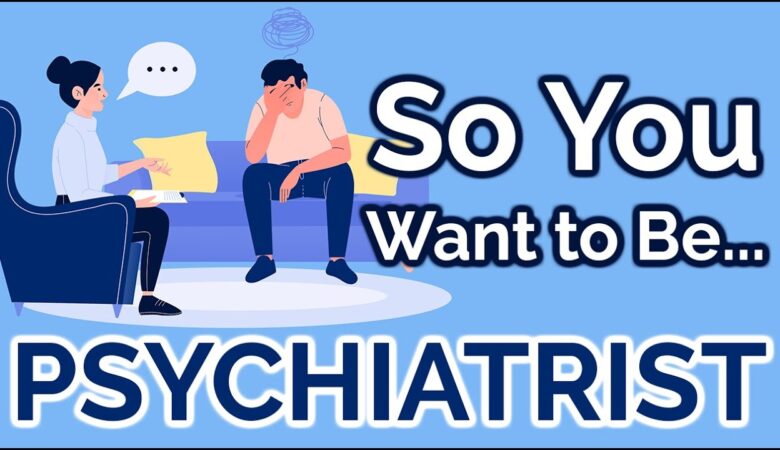
Choosing the right psychiatrist is crucial for managing mental health effectively. With so many options available, it can be overwhelming to know where to start. At Cordial Psychiatry, we have a dedicated team of experienced psychiatrists ready to help you with personalized mental health care. This guide provides expert tips to help you find a qualified and compatible psychiatrist for your needs. Understanding Psychiatry What Do Psychiatrists Do? Psychiatrists are medical doctors specializing in mental health. They diagnose, treat, and help manage conditions such as depression, anxiety, bipolar disorder, and schizophrenia. Psychiatry vs. Psychology While both professionals address mental health, psychiatrists can prescribe medication, whereas psychologists focus on therapy and behavioral interventions. Identifying Your Needs Types of Psychiatric Disorders Understanding whether you need help with mood disorders, anxiety, psychotic disorders, or other conditions can guide your search. Knowing Your Treatment Goals Do you need medication management, psychotherapy, or both? Identifying this helps narrow down your options. Researching Potential Psychiatrists Online Directories Websites like the American Psychiatric Association, Psychology Today, and Healthgrades offer databases of professionals. Reviews and Recommendations Patient testimonials and referrals from your primary care doctor can provide insights into a psychiatrist’s reputation. Checking Credentials & Experience Board Certification Ensure the psychiatrist is certified by the American Board of Psychiatry and Neurology. Specializations Some psychiatrists specialize in child psychiatry, geriatric psychiatry, or addiction treatment. Experience Level At Cordial Psychiatry, our psychiatrists have extensive experience treating a wide range of mental health conditions, ensuring the highest standard of care. Evaluating Treatment Approaches Therapy Methods Some psychiatrists provide talk therapy, while others focus on medication management. Medication Management If medication is needed, ensure the psychiatrist is experienced in prescribing and adjusting doses. Assessing Compatibility Communication Style Your psychiatrist should be a good listener, empathetic, and open to discussing concerns. Personal Comfort You should feel safe and comfortable discussing your mental health with them. Considering Logistics Location Choose a psychiatrist close to home or work to make regular visits easier. Availability Check if they offer evening or weekend appointments. Insurance Coverage Confirm if they accept your insurance or offer affordable payment plans. Red Flags to Avoid Unethical behavior or malpractice history Poor patient reviews Limited availability or long wait times Making Your Decision Booking a Consultation Many psychiatrists offer an initial consultation to discuss your needs and expectations. Asking the Right Questions What is your experience with my condition? What treatment methods do you use? How do you handle emergencies? Maintaining a Healthy Relationship Setting Expectations Clarify treatment goals, session frequency, and communication methods. Regular Check-ins Ongoing discussions help ensure progress and necessary adjustments to your treatment plan. FAQs How long does it take to find the right psychiatrist? It depends on availability and personal preferences. A thorough search can take a few weeks. What should I do if I don’t feel comfortable with my psychiatrist? Consider discussing your concerns with them. If necessary, seek a second opinion or switch to another provider. Can I see a psychiatrist online? Yes, telepsychiatry is a convenient option for many patients. How much does psychiatric treatment cost? Costs vary by location, provider, and insurance coverage. Check with your psychiatrist’s office for specifics. Can a psychiatrist help with therapy, or only medication? Some psychiatrists provide therapy, while others focus solely on medication management. What’s the difference between a psychiatrist and a therapist? A psychiatrist is a medical doctor who can prescribe medication, while a therapist provides counseling and behavioral therapy. Conclusion Finding a good psychiatrist takes time, but it’s worth the effort to ensure quality mental health care. By considering credentials, compatibility, and treatment approach, you can make an informed decision and build a strong therapeutic relationship. At Cordial Psychiatry, our expert team is here to guide you on your mental health journey.

Social Anxiety Services Offered in Yonkers, NY

Social anxiety disorder affects millions of individuals, making everyday interactions feel overwhelming. If you’re struggling with excessive self-consciousness, fear of judgment, or avoidance of social situations, you’re not alone. Seeking professional help can be life-changing. At Cordial Psychiatry in Yonkers, NY, we specialize in providing tailored treatment plans to help you overcome social anxiety and reclaim your confidence. Understanding Social Anxiety Social anxiety disorder (SAD) is more than just shyness. It’s an intense fear of social situations that can significantly impact daily life. Symptoms include: Excessive fear of being judged Avoiding social interactions Physical symptoms like sweating, trembling, or rapid heartbeat Difficulty making eye contact Overanalyzing social interactions Causes of Social Anxiety Social anxiety can develop due to genetic, environmental, and psychological factors. Some common causes include: Family history of anxiety disorders Overprotective parenting Past traumatic social experiences Brain chemistry imbalances Why Choose Social Anxiety Services in Yonkers, NY? Finding treatment close to home offers convenience, accessibility, and familiarity. Cordial Psychiatry provides expert, compassionate care tailored to your needs. Our local approach ensures you receive continuous support throughout your recovery. Social Anxiety Treatment Options There are several effective treatments for social anxiety, including: Cognitive Behavioral Therapy (CBT) – A proven method to reframe negative thought patterns. Medication – SSRIs, beta-blockers, or anti-anxiety medications may be prescribed. Group Therapy – Sharing experiences with others can reduce feelings of isolation. Lifestyle Modifications – Exercise, meditation, and healthy routines play a significant role in anxiety management. Cognitive Behavioral Therapy (CBT) for Social Anxiety CBT is a gold-standard therapy that helps patients identify and challenge irrational fears. At Cordial Psychiatry, our CBT programs include: Exposure therapy Cognitive restructuring Social skills training Medication for Social Anxiety While therapy is effective, some patients may benefit from medication. Options include: Selective serotonin reuptake inhibitors (SSRIs) – E.g., Prozac, Zoloft Beta-blockers – Reduce physical symptoms like rapid heartbeat Benzodiazepines – Short-term relief for severe anxiety Lifestyle Changes to Reduce Social Anxiety Making small adjustments in your daily routine can improve anxiety levels: Exercise – Releases endorphins to reduce stress Healthy diet – Reducing caffeine and sugar can stabilize mood Mindfulness meditation – Helps control negative thoughts Social skills training – Builds confidence in social interactions Group Therapy for Social Anxiety Group therapy fosters connection and helps individuals practice social interactions in a safe, judgment-free environment. Our sessions include: Peer discussions Role-playing exercises Guided relaxation techniques Telehealth Services for Social Anxiety For those unable to visit in person, we offer teletherapy options so you can receive expert care from the comfort of your home. Personalized Treatment Plans at Cordial Psychiatry We develop custom treatment plans that cater to each patient’s specific needs, ensuring effective and lasting results. How to Get Started with Social Anxiety Treatment Schedule a Consultation – Call or book online Comprehensive Assessment – Discuss symptoms and history Develop a Treatment Plan – Tailored to your unique needs Begin Therapy & Treatment – Start your journey to confidence Insurance and Payment Options We accept most major insurance plans and offer flexible payment options to ensure our services remain affordable and accessible. Success Stories from Social Anxiety Patients Many of our patients have experienced life-changing improvements. Here’s what one of them had to say: “Cordial Psychiatry gave me the tools to manage my anxiety and regain control over my life.” FAQs About Social Anxiety Treatment What is the most effective treatment for social anxiety? CBT and medication are the most effective treatments, often used together for best results. How long does it take to see improvement? Most patients see progress within 12-16 weeks of consistent therapy. Can social anxiety be completely cured? While there is no “cure,” proper treatment can significantly reduce symptoms and improve quality of life. Do I need medication for social anxiety? Not necessarily. Many patients benefit from therapy alone, while others find medication helpful. Is group therapy effective for social anxiety? Yes, it provides peer support and helps improve social interaction skills. How do I schedule an appointment? Call Cordial Psychiatry or visit our website to book a consultation. Conclusion & Call to Action If social anxiety is affecting your life, help is available. At Cordial Psychiatry in Yonkers, NY, we offer expert care to help you build confidence and enjoy social interactions again. Schedule a consultation today to take the first step toward a more fulfilling life.

Differences Between Panic and Anxiety Attacks

Anxiety and panic attacks are often used interchangeably, but they are distinct conditions with different symptoms, triggers, and durations. Understanding these differences is crucial for those experiencing them and for loved ones offering support. At Cordial Psychiatry in Yonkers, NY, we help patients manage and overcome anxiety-related conditions through expert care and personalized treatment plans. Panic and anxiety attacks are often confused, but they have distinct differences that affect how they are managed and treated. At Cordial Psychiatry in Yonkers, NY, we specialize in helping individuals understand these conditions, identify their triggers, and find effective treatment. Let’s explore how panic and anxiety attacks differ and what you can do to regain control over your mental health. This article explores the differences between panic and anxiety attacks, their symptoms, causes, treatments, and ways to cope. What Is an Anxiety Attack? Anxiety attacks are episodes of intense worry or fear, often associated with stress or overwhelming situations. Unlike panic attacks, they tend to develop gradually and can last for an extended period. Symptoms of an Anxiety Attack Increased heart rate Muscle tension Difficulty concentrating Restlessness Sleep disturbances Excessive worry Common Triggers for Anxiety Attacks Work stress Financial concerns Relationship problems Health issues Trauma or past experiences What Is a Panic Attack? Panic attacks are sudden, intense episodes of fear that peak within minutes and often occur without an apparent trigger. They can feel overwhelming and may mimic serious medical conditions like heart attacks. Symptoms of a Panic Attack Rapid heartbeat or palpitations Sweating and chills Dizziness or lightheadedness Shortness of breath Chest pain Fear of losing control or dying Common Triggers for Panic Attacks Phobias Chronic stress Traumatic experiences Substance abuse Medical conditions Differences Between Panic and Anxiety Attacks Feature Anxiety Attack Panic Attack Intensity Gradual build-up Sudden onset Physical Symptoms Mild to moderate Severe and overwhelming Duration Prolonged Short but intense Trigger Clear stressor Often no obvious trigger Key Differences Between Panic and Anxiety Attacks Onset and Duration Panic Attacks: Sudden onset, peaks within 10 minutes, and resolves quickly. Anxiety Attacks: Gradual onset, may last for hours or days. Symptoms Intensity Panic Attacks: Severe, overwhelming physical and psychological symptoms. Anxiety Attacks: Milder, with prolonged worry and distress. Triggers Panic Attacks: Can occur unexpectedly without an obvious trigger. Anxiety Attacks: Often linked to specific stressors. Physical vs. Emotional Symptoms Panic Attacks: More physical (e.g., chest pain, dizziness, hyperventilation). Anxiety Attacks: More psychological (e.g., excessive worry, nervousness). Impact on Daily Life Panic Attacks: Brief but disabling during the episode. Anxiety Attacks: Persistent and may interfere with daily tasks over time. Diagnosis and Treatment Options How Are Anxiety and Panic Attacks Diagnosed? At Cordial Psychiatry, we use: Clinical evaluations Patient history assessments Psychological testing Medical rule-outs (to exclude physical conditions like heart disease) Treatment Approaches Medication Anti-anxiety medications: Benzodiazepines (short-term relief) Antidepressants: SSRIs and SNRIs for long-term management Beta-blockers: Help control physical symptoms like rapid heartbeat Therapy Options Cognitive Behavioral Therapy (CBT): Helps change negative thought patterns Exposure Therapy: Reduces fear response to triggers Mindfulness-Based Stress Reduction (MBSR): Encourages relaxation techniques Lifestyle Changes and Coping Strategies Regular exercise Adequate sleep Avoiding caffeine and alcohol Breathing exercises and meditation When to Seek Professional Help If you experience frequent panic or anxiety attacks that interfere with your daily life, it’s time to seek professional help. At Cordial Psychiatry in Yonkers, NY, our team specializes in diagnosing and treating anxiety disorders with personalized care. How Cordial Psychiatry Can Help At Cordial Psychiatry in Yonkers, NY, we provide: Personalized therapy plans Medication management Support groups Holistic treatment options Conclusion Understanding the differences between panic and anxiety attacks can help you manage symptoms more effectively. If you’re struggling with anxiety or panic attacks, Cordial Psychiatry in Yonkers, NY is here to help. Seeking professional support is the first step toward relief and recovery. Both anxiety and panic attacks can be distressing, but understanding their differences is the first step toward effective management. If you’re struggling with either condition, seeking professional guidance can make a significant difference in improving your quality of life. Contact Cordial Psychiatry in Yonkers, NY for expert mental health care and treatment options tailored to your needs. FAQs Can you have both anxiety and panic attacks? Yes, individuals with anxiety disorders may experience both anxiety and panic attacks, though they differ in severity and duration. What should I do during a panic attack? Practice deep breathing, focus on grounding techniques, and remind yourself that the attack will pass. Are panic attacks dangerous? While they can feel life-threatening, panic attacks are not physically harmful. However, they can significantly impact quality of life and should be addressed with treatment. Can anxiety attacks lead to panic attacks? Yes, prolonged anxiety can sometimes escalate into a panic attack, especially when stress levels peak. How can I prevent anxiety or panic attacks? Regular exercise, stress management techniques, therapy, and medication (if prescribed) can help reduce the frequency of attacks.

What You Should Know About Bipolar Disorder in Yonkers, NY

Bipolar disorder is a complex mental health condition that affects millions of people worldwide, including residents of Yonkers, NY. This disorder is characterized by extreme mood swings, ranging from depressive lows to manic highs, significantly impacting daily life. If you or a loved one is struggling with bipolar disorder, understanding its symptoms, causes, and available treatments can be life-changing. At Cordial Psychiatry, we provide expert care and tailored treatment plans to help individuals manage their condition and regain control of their lives. Understanding Bipolar Disorder What Is Bipolar Disorder? Bipolar disorder is a mental health condition that leads to extreme shifts in mood, energy, and behavior. These mood changes can last for days, weeks, or even months and can be categorized into two primary phases: Manic Episodes: Periods of high energy, euphoria, or extreme irritability. Depressive Episodes: Phases of intense sadness, hopelessness, and fatigue. Types of Bipolar Disorder There are several types of bipolar disorder, each with unique symptoms: Bipolar I Disorder: Characterized by at least one manic episode, which may be preceded or followed by depressive episodes. Bipolar II Disorder: Involves at least one major depressive episode and one hypomanic episode (a milder form of mania). Cyclothymic Disorder: A milder but chronic form of bipolar disorder involving fluctuating hypomanic and depressive symptoms. Other Specified and Unspecified Bipolar Disorders: Symptoms do not fit the above categories but still cause significant distress. Symptoms of Bipolar Disorder Signs of a Manic Episode Increased energy and activity levels Decreased need for sleep Racing thoughts and rapid speech Inflated self-esteem or grandiosity Risky behaviors such as overspending or reckless driving Signs of a Depressive Episode Persistent sadness or hopelessness Loss of interest in daily activities Fatigue and low energy Changes in appetite or sleep patterns Difficulty concentrating or making decisions Causes and Risk Factors What Causes Bipolar Disorder? The exact cause of bipolar disorder is unknown, but several factors contribute to its development: Genetics: A family history of bipolar disorder increases the risk. Brain Structure and Functioning: Differences in brain chemistry and structure may play a role. Environmental Triggers: Stress, trauma, or significant life changes can contribute to onset. Who Is at Risk? Individuals with a family history of bipolar disorder People experiencing high levels of stress or trauma Those with a history of substance abuse Diagnosis and Treatment Options How Is Bipolar Disorder Diagnosed? At Cordial Psychiatry, we follow a comprehensive evaluation process that includes: Clinical Interviews: Discussing symptoms, mood patterns, and family history. Psychological Assessments: Using standardized tools to assess mental health status. Medical Tests: Ruling out other potential causes of mood swings. Treatment Approaches Medication Management Mood Stabilizers (e.g., lithium, valproate) Antipsychotics (e.g., risperidone, olanzapine) Antidepressants (in combination with mood stabilizers to prevent manic episodes) Psychotherapy Options Cognitive Behavioral Therapy (CBT): Helps identify and change negative thought patterns. Interpersonal and Social Rhythm Therapy (IPSRT): Focuses on stabilizing daily routines. Family Therapy: Educates family members and improves communication. Lifestyle and Self-Care Strategies Maintaining a regular sleep schedule Engaging in physical activities Practicing mindfulness and relaxation techniques Avoiding alcohol and drug use Living with Bipolar Disorder in Yonkers, NY Local Resources and Support Groups If you or a loved one needs support, consider these local resources: Cordial Psychiatry: Offering expert diagnosis and personalized treatment plans. Mental Health Support Groups: Available through community organizations and online platforms. Crisis Helplines: For immediate assistance during a crisis. Seeking Help at Cordial Psychiatry At Cordial Psychiatry, we are committed to providing compassionate and effective care for individuals struggling with bipolar disorder. Our team of experienced professionals is here to help you navigate the challenges and achieve long-term stability. Conclusion Bipolar disorder is a serious but manageable condition. With proper diagnosis, treatment, and support, individuals can lead fulfilling lives. If you or someone you know in Yonkers, NY, is experiencing symptoms of bipolar disorder, don’t hesitate to seek professional help. Cordial Psychiatry is here to support you every step of the way. FAQs What is the first step in getting diagnosed with bipolar disorder? The first step is to consult a mental health professional for a comprehensive evaluation, including clinical interviews and psychological assessments. Can bipolar disorder be cured? Bipolar disorder cannot be cured, but it can be effectively managed with medication, therapy, and lifestyle adjustments. How do I know if my mood swings are normal or a sign of bipolar disorder? If mood swings are severe, persistent, and interfere with daily life, it’s best to consult a psychiatrist for an evaluation. Are there natural treatments for bipolar disorder? While medication and therapy are primary treatments, lifestyle changes such as exercise, a balanced diet, and stress management can help improve symptoms. How can family members support a loved one with bipolar disorder? Educate yourself about the condition, offer emotional support, encourage treatment adherence, and seek family therapy when needed.

The Psychiatrist’s Role in the Digital Age

The field of psychiatry is undergoing a major transformation with the rise of digital technologies. From telepsychiatry to AI-driven diagnostics, modern psychiatrists must integrate technology into their practice to provide better patient care. But how does this digital shift impact the profession? And what challenges and opportunities come with it? In this article, we explore the evolving role of psychiatrists in the digital era and how clinics like Cordial Psychiatry are adapting to these advancements. The Digital Transformation of Psychiatry Over the past decade, digital tools have reshaped healthcare, and psychiatry is no exception. Today, psychiatrists can use artificial intelligence, telemedicine, and digital apps to diagnose and treat mental health conditions more efficiently. These technologies provide data-driven insights, improve patient engagement, and offer new ways to deliver therapy beyond traditional in-person sessions. Telepsychiatry – Revolutionizing Mental Health Care Telepsychiatry has emerged as a game-changer in mental health care. With virtual consultations, psychiatrists can now reach patients in remote or underserved areas, making mental health care more accessible than ever before. Benefits of Telepsychiatry: Eliminates geographical barriers Reduces wait times for appointments Provides a convenient option for patients with mobility issues Challenges of Telepsychiatry: Maintaining confidentiality and data security Ensuring patient engagement in remote settings Licensing and regulatory issues for interstate or international consultations AI and Machine Learning in Psychiatry Artificial intelligence is transforming psychiatric care through predictive analytics and automated assessments. Machine learning algorithms can analyze patient data to detect early signs of mental illness, helping psychiatrists make informed decisions. AI-powered Innovations in Psychiatry: Chatbots offering 24/7 mental health support AI-assisted diagnosis based on patient speech and behavior patterns Personalized treatment plans through predictive analytics However, ethical concerns arise when AI takes a more active role in psychiatric diagnosis and treatment. Issues like bias in algorithms and patient privacy must be carefully managed. Mobile Apps and Digital Therapeutics With the rise of mental health apps, patients now have access to self-guided therapy tools, meditation apps, and cognitive-behavioral therapy (CBT) modules. Apps like Headspace and BetterHelp provide users with guided therapy techniques, mood tracking, and direct communication with mental health professionals. Advantages of Digital Therapeutics: Supports traditional therapy by reinforcing healthy habits Offers anonymity for users hesitant to seek in-person therapy Provides immediate assistance through AI chatbots The Role of Social Media in Mental Health Social media is a double-edged sword when it comes to mental health. On one hand, it promotes awareness and provides support communities; on the other, it can contribute to anxiety, depression, and cyberbullying. How Psychiatrists Can Use Social Media Responsibly: Educate the public on mental health issues Address misinformation and harmful trends Offer mental health resources and crisis support Big Data and Mental Health Research Big data is revolutionizing psychiatry by providing insights into patient behavior, treatment outcomes, and mental health trends. Through data analytics, psychiatrists can identify at-risk populations and improve intervention strategies. Privacy and Security Considerations: Ensuring patient data confidentiality Complying with HIPAA and other regulations Addressing ethical concerns with data usage Ethical and Legal Challenges in Digital Psychiatry The digital revolution brings new ethical and legal challenges, such as data privacy, informed consent, and AI accountability. Ensuring that these technologies comply with mental health regulations is crucial for maintaining trust in digital psychiatry. The Future of Psychiatry in a Digital World The future of psychiatry will likely see even more integration of technology. However, while digital tools can enhance mental health care, they cannot replace the human connection between a psychiatrist and their patient. Clinics like Cordial Psychiatry will continue to blend traditional psychiatric care with innovative digital solutions to provide the best mental health support. Conclusion The digital age has revolutionized psychiatry, making mental health care more accessible, efficient, and data-driven. However, ethical challenges and the need for human empathy remain critical. As technology continues to evolve, psychiatrists must embrace innovation while ensuring patient-centered care. FAQs How does telepsychiatry improve mental health care access? Telepsychiatry allows patients in remote areas to receive expert psychiatric care without traveling long distances, reducing wait times and increasing accessibility. Are mental health apps a reliable alternative to traditional therapy? While mental health apps can support therapy, they should not replace professional psychiatric care for severe mental health conditions. What are the ethical concerns with AI in psychiatry? Ethical concerns include data privacy, algorithm bias, and the potential over-reliance on AI for diagnosing and treating mental illnesses. How can psychiatrists ensure data security in digital practice? By using HIPAA-compliant platforms, encrypting patient records, and staying updated on cybersecurity best practices. What does the future of digital psychiatry look like? The future will see greater AI integration, advanced telepsychiatry models, and improved data-driven treatment approaches while maintaining the essential human connection in mental health care.

How to Recognize Early Warning Indications of Mental Health: Advice from a Psychiatrist

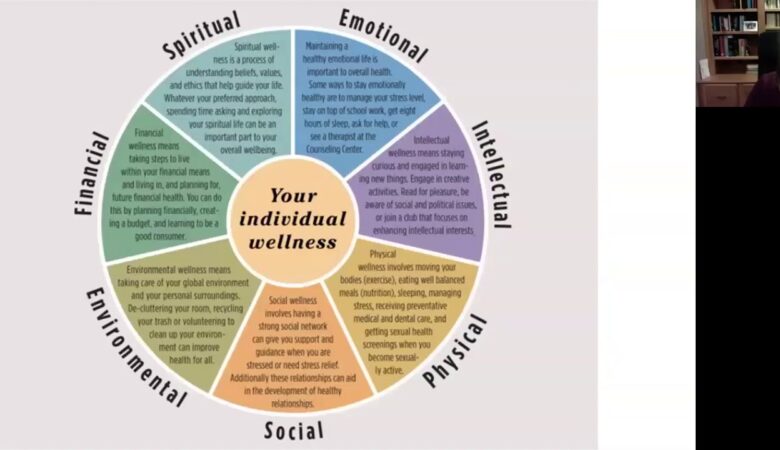
Mental health is just as important as physical health, yet many people overlook the early signs of mental health issues. Recognizing the warning signs early can help prevent severe complications, improve quality of life, and ensure timely treatment. In this guide, Cordial Psychiatry provides expert advice on identifying early symptoms of mental health conditions and what steps to take next. Understanding Mental Health Mental health encompasses emotional, psychological, and social well-being. It affects how individuals think, feel, and behave in daily life. Good mental health allows people to handle stress, relate to others, and make sound decisions. Just as we visit a doctor for physical check-ups, it’s essential to check in on our mental well-being. Stress, life challenges, and even genetics can contribute to mental health disorders, making early recognition crucial. Why Early Detection is Crucial Early intervention can significantly improve outcomes for individuals experiencing mental health challenges. Recognizing early symptoms allows for timely treatment, which can prevent conditions from worsening and affecting daily life. Delaying mental health care may lead to chronic stress, relationship struggles, or even self-harm tendencies. Common Early Warning Signs of Mental Health Issues Emotional Symptoms Persistent sadness or mood swings Unexplained irritability or anger Feeling overwhelmed or hopeless Loss of interest in activities once enjoyed Extreme fear or anxiety with no clear cause Behavioral Symptoms Withdrawal from social interactions Difficulty maintaining relationships Changes in eating or sleeping habits Increased substance use (alcohol, drugs, etc.) Avoiding responsibilities or struggling with daily tasks Cognitive Symptoms Difficulty concentrating or making decisions Increased forgetfulness Paranoia or excessive worry Racing thoughts or inability to focus Inability to process information clearly Physical Symptoms Frequent headaches or stomach issues Fatigue or low energy levels Unexplained aches and pains Changes in appetite and weight Unusual restlessness or sluggishness Specific Warning Signs of Common Mental Health Disorders Anxiety Disorders Constant worry or fear Rapid heartbeat and shortness of breath Avoidance of social situations Panic attacks or excessive sweating Depression Prolonged feelings of sadness Low energy and motivation Suicidal thoughts or self-harm tendencies Feelings of worthlessness or hopelessness Bipolar Disorder Extreme mood swings Episodes of excessive energy followed by deep depression Risk-taking behaviors Difficulty maintaining relationships and jobs Schizophrenia Hallucinations or delusions Disorganized speech or thoughts Social withdrawal Difficulty distinguishing reality from delusion Post-Traumatic Stress Disorder (PTSD) Flashbacks or nightmares Heightened anxiety and fear Difficulty sleeping or concentrating Emotional numbness Obsessive-Compulsive Disorder (OCD) Repetitive intrusive thoughts or fears Compulsive behaviors (e.g., excessive hand washing, counting, or checking things repeatedly) Difficulty controlling unwanted thoughts Eating Disorders Un-healthy preoccupation with body weight Severe food restriction or binge eating Excessive exercise or purging behaviors Rapid weight fluctuations The Impact of Untreated Mental Health Issues Leaving mental health symptoms unaddressed can lead to severe consequences, including: Chronic stress and burnout Relationship difficulties Substance abuse Job loss or academic failure Suicidal thoughts or self-harm When to Seek Professional Help If mental health symptoms persist for more than two weeks or begin interfering with daily life, it is essential to seek professional help. A psychiatrist can provide proper diagnosis, treatment options, and support. How to Support a Loved One with Early Symptoms Listen without judgment Encourage open conversations Offer help in finding professional support Provide reassurance and patience Be present and avoid pressuring them into solutions Preventive Strategies for Better Mental Health Practice mindfulness and stress management Maintain a healthy lifestyle (diet, sleep, exercise) Stay socially connected Seek therapy or counseling when needed Develop coping mechanisms for handling stress How Cordial Psychiatry Can Help Cordial Psychiatry offers comprehensive mental health assessments, therapy sessions, and treatment plans tailored to each individual’s needs. Our team of professionals is dedicated to providing compassionate care and support. Whether you’re experiencing early warning signs or need ongoing mental health care, we’re here to help. Conclusion Recognizing the early warning signs of mental health issues is crucial for timely intervention. If you or someone you know is experiencing symptoms, seeking professional help can make a significant difference. Cordial Psychiatry is here to provide expert guidance and support. Early intervention can change lives, so never hesitate to reach out. Frequently Asked Questions (FAQs) What are the first signs of mental illness? Early signs include changes in mood, behavior, cognition, and physical well-being, such as persistent sadness, social withdrawal, and difficulty concentrating. How can I help a friend showing signs of mental distress? Encourage them to talk about their feelings, offer support, and guide them toward professional help. Can mental health issues be prevented? While not all mental health issues can be prevented, maintaining a healthy lifestyle, managing stress, and seeking early support can help reduce risks. When should I see a psychiatrist? If symptoms persist for more than two weeks and interfere with daily life, consulting a psychiatrist is recommended. What treatments are available for mental health conditions? Treatments vary but may include therapy, medication, lifestyle changes, and support groups, depending on the diagnosis.

How Do I Stop OCD Anxiety? 2025

Obsessive-Compulsive Disorder (OCD) and anxiety often go hand in hand, making daily life overwhelming. If you struggle with intrusive thoughts and compulsive behaviors, you might wonder, “How do I stop OCD anxiety?” While overcoming OCD is challenging, the good news is that effective treatments and self-help strategies can help you regain control. Understanding OCD and Anxiety What is OCD? OCD is a mental health disorder characterized by unwanted, intrusive thoughts (obsessions) and repetitive behaviors (compulsions) aimed at reducing anxiety. These thoughts and behaviors can interfere with daily activities and cause significant distress. How OCD and Anxiety Are Connected Anxiety fuels OCD symptoms by making intrusive thoughts feel more intense and uncontrollable. People with OCD engage in compulsions to relieve their anxiety, but this only provides temporary relief, creating a cycle that reinforces the disorder. Common Symptoms of OCD Anxiety Obsessive Thoughts: Persistent fears, doubts, or unwanted images. Compulsive Behaviors: Repeating actions like handwashing, checking, or counting. Emotional Distress: Feelings of guilt, shame, or frustration due to intrusive thoughts. What Causes OCD Anxiety? Genetic Factors OCD tends to run in families, suggesting a genetic component. Environmental Influences Stressful life events, trauma, or infections like PANDAS (Pediatric Autoimmune Neuropsychiatric Disorders Associated with Streptococcal Infections) can trigger OCD symptoms. Chemical Imbalances in the Brain Low levels of serotonin, a neurotransmitter that regulates mood, are linked to OCD and anxiety. How OCD Affects Daily Life Impact on Relationships: OCD can strain relationships due to compulsive behaviors and avoidance of certain situations. Workplace Challenges: Difficulty focusing or performing tasks due to obsessive thoughts. Social Isolation: Fear of judgment may lead to withdrawal from social activities. Effective Strategies to Manage OCD Anxiety Cognitive Behavioral Therapy (CBT) CBT helps individuals recognize and challenge irrational thoughts, reducing compulsive behaviors over time. Exposure and Response Prevention (ERP) ERP involves gradually facing feared situations without performing compulsions, helping to break the OCD cycle. Medication Options Selective serotonin reuptake inhibitors (SSRIs) like fluoxetine and sertraline can help reduce symptoms. Self-Help Techniques for OCD Anxiety Mindfulness and Meditation: Practicing mindfulness can help reduce the impact of intrusive thoughts. Journaling Intrusive Thoughts: Writing down obsessions can help you understand and challenge them. Setting Realistic Goals: Gradually facing fears rather than avoiding them. Lifestyle Changes to Reduce OCD Anxiety Healthy Diet and Exercise: Proper nutrition and regular physical activity support mental health. Proper Sleep Hygiene: Maintaining a consistent sleep schedule can improve emotional regulation. Reducing Caffeine and Alcohol: Limiting stimulants that may increase anxiety levels. The Role of Professional Treatment When to Seek Help If OCD symptoms interfere with your daily life, professional treatment may be necessary. Finding the Right Therapist Look for a therapist trained in OCD-specific treatments like ERP and CBT. How Family and Friends Can Help Providing Support Without Enabling: Encouraging therapy while avoiding participation in compulsions. Encouraging Treatment and Therapy: Helping a loved one stay committed to their treatment plan. Coping with OCD Anxiety in High-Stress Situations Breathing Techniques: Deep breathing exercises can help calm anxiety. Grounding Exercises: Focusing on the present moment to reduce intrusive thoughts. Positive Affirmations: Repeating calming statements to counteract negative thoughts. How Cordial Psychiatry Can Help At Cordial Psychiatry, we offer: Specialized Treatment Plans tailored to your unique needs. Personalized Therapy Sessions with expert mental health professionals. Support Groups and Workshops to help you connect with others facing similar challenges. Myths and Facts About OCD Anxiety Myth: OCD is just about being neat and organized. Fact: OCD is a serious disorder that involves distressing obsessions and compulsions. Myth: People with OCD can just “snap out of it.” Fact: OCD requires professional treatment and management. Long-Term Management of OCD Anxiety Maintaining Progress: Regular therapy and self-care practices. Preventing Relapses: Recognizing triggers and addressing them early. Conclusion While OCD anxiety can be overwhelming, effective treatments and lifestyle changes can help you regain control. Seeking professional help and incorporating self-help strategies can make a significant difference in managing OCD symptoms. FAQs Can OCD anxiety go away on its own? OCD typically requires treatment, but symptoms can be managed effectively. What is the best therapy for OCD? CBT and ERP are the most effective treatments. Does medication help with OCD anxiety? Yes, SSRIs can help reduce symptoms. How long does it take to see improvement? With therapy, many people notice improvement within a few months. Can lifestyle changes reduce OCD symptoms? Yes, exercise, mindfulness, and proper sleep can help manage anxiety.

7 Tips on Depression Treatment in Yonkers, NY

Depression is a serious mental health condition that affects millions of people, making everyday life feel overwhelming. If you’re struggling with depression Treatment in Yonkers, NY, you’re not alone. Fortunately, Cordial Psychiatry offers expert guidance and support to help you manage and overcome depression effectively. In this guide, we’ll share seven essential tips for depression treatment that can make a significant difference in your journey toward better mental health. Seek Professional Help from a Psychiatrist The first and most important step in treating depression is to seek professional help. At Cordial Psychiatry, our experienced mental health professionals offer personalized treatment plans tailored to your needs. A psychiatrist can diagnose your condition, prescribe medications if necessary, and provide therapy to help you cope with depressive symptoms. Why Professional Help Matters Accurate diagnosis ensures the right treatment approach. Psychiatrists can recommend medication, therapy, or a combination of both. Professional guidance offers long-term coping strategies. Consider Therapy as a Primary Treatment Therapy is a highly effective treatment for depression. Cognitive Behavioral Therapy (CBT) and other evidence-based approaches can help individuals change negative thought patterns and develop healthier coping mechanisms. Types of Therapy for Depression Cognitive Behavioral Therapy (CBT) – Helps change negative thoughts and behaviors. Interpersonal Therapy (IPT) – Focuses on improving relationships and communication. Psychodynamic Therapy – Explores past experiences to address deep-rooted issues. Medication Can Be Helpful For individuals with moderate to severe depression, medication may be necessary. Antidepressants, such as SSRIs (Selective Serotonin Reuptake Inhibitors) and SNRIs (Serotonin-Norepinephrine Reuptake Inhibitors), can help regulate brain chemistry and improve mood. Important Considerations Medication should always be prescribed by a licensed psychiatrist. It may take a few weeks to notice improvements. Regular follow-ups are essential to monitor effectiveness and side effects. Engage in Regular Physical Activity Exercise is a natural mood booster and plays a crucial role in depression treatment. Physical activity increases endorphin levels, which help improve mood and reduce stress. Best Exercises for Mental Health Walking or jogging – Simple and effective. Yoga and meditation – Promotes relaxation and mindfulness. Strength training – Builds confidence and releases stress. Build a Strong Support System Having a reliable support network can make a significant difference in managing depression. Family, friends, and support groups provide emotional support and encouragement. Ways to Strengthen Your Support System Talk openly about your feelings with trusted loved ones. Join local or online support groups in Yonkers, NY. Seek therapy groups at Cordial Psychiatry for peer support. Practice Healthy Lifestyle Habits A well-balanced lifestyle plays a key role in improving mental health. Making simple lifestyle changes can enhance your overall well-being and reduce depressive symptoms. Healthy Habits to Adopt Maintain a balanced diet – Eat nutritious foods that support brain health. Get enough sleep – Aim for 7-9 hours of quality sleep per night. Reduce alcohol and caffeine intake – These substances can worsen symptoms. Try Alternative and Holistic Treatments In addition to traditional treatments, many individuals find relief from alternative therapies. These methods can complement psychiatric treatment and enhance overall mental wellness. Effective Holistic Treatments Meditation and Mindfulness – Helps reduce stress and promote emotional balance. Acupuncture – May help regulate mood and relieve anxiety. Herbal Supplements – St. John’s Wort and Omega-3 fatty acids are known for their mood-enhancing properties (always consult a doctor before use). Conclusion Depression is a challenging condition, but with the right treatment and support, recovery is possible. If you or a loved one is struggling with depression in Yonkers, NY, Cordial Psychiatry is here to help. Whether through therapy, medication, lifestyle changes, or holistic approaches, taking the first step toward treatment is a courageous and vital decision. FAQs How do I know if I need professional help for depression? If you experience persistent sadness, loss of interest in activities, fatigue, or suicidal thoughts for more than two weeks, seeking professional help is recommended. What is the best therapy for depression? Cognitive Behavioral Therapy (CBT) is considered one of the most effective treatments, but the best approach depends on individual needs. Can I treat depression without medication? Yes, therapy, exercise, and lifestyle changes can be effective. However, for severe cases, medication may be necessary. How long does it take to see improvements with depression treatment? It varies, but most people begin to notice improvements within a few weeks of starting therapy or medication. Where can I find depression treatment in Yonkers, NY? Cordial Psychiatry offers comprehensive depression treatment, including therapy and medication management. Contact us today for personalized care.

7 Ways Schizophrenia Impacts on Education in Yonkers, NY

Schizophrenia is a complex mental health condition that affects various aspects of life, including education. In Yonkers, NY, where diversity thrives and schools cater to a wide range of students, understanding how schizophrenia influences academic performance is crucial. At Cordial Psychiatry, we provide compassionate and effective mental health care to support individuals with schizophrenia in their educational journey. Let’s explore how this condition impacts students and what can be done to help them succeed. Difficulty with Concentration and Focus Students with schizophrenia often struggle with maintaining concentration in a classroom setting. The symptoms, such as disorganized thinking and auditory hallucinations, can make it challenging to process new information and stay engaged in lessons. This can lead to missed instructions, difficulty completing tasks, and frustration with learning material. Memory Impairment Affects Learning Retention Memory issues are common in schizophrenia, making it difficult for students to retain and recall information. This can lead to struggles with assignments, tests, and participation in class discussions. Forgetting homework, assignments, or previously learned concepts can hinder a student’s ability to progress at the same pace as their peers. Social Isolation and Peer Interactions Due to paranoia and social withdrawal, students with schizophrenia may avoid peer interactions, leading to isolation. This affects their ability to participate in group projects and extracurricular activities, which are essential for social development and learning. Bullying and misunderstandings from classmates can further drive students into isolation, reducing their confidence and engagement in school. Increased Absenteeism and Dropout Rates The symptoms of schizophrenia, including anxiety, depression, and disorganized behavior, often lead to frequent absences. In severe cases, students may drop out entirely due to the overwhelming challenges they face in an academic setting. The lack of consistent participation in school can create gaps in learning, making it harder for students to catch up with their peers. Difficulty Following Structured Routines Educational institutions rely on structured schedules, but individuals with schizophrenia may find it hard to adhere to rigid timetables due to fluctuating mental states. This inconsistency can impact their ability to complete coursework and meet deadlines. Schools may need to provide flexibility in attendance and class participation to accommodate students with fluctuating cognitive abilities. Stigma and Misunderstanding in Schools Mental health stigma remains a significant issue in educational environments. Students with schizophrenia may face discrimination, bullying, or a lack of understanding from teachers and peers, further affecting their academic experience. Raising awareness and educating students and staff about schizophrenia can create a more inclusive environment that fosters success. Need for Specialized Support and Accommodations Students with schizophrenia often require individualized education plans (IEPs), mental health counseling, and support services to help them succeed. Schools in Yonkers need to ensure adequate accommodations, such as extended test times, flexible schedules, and access to therapy. Providing professional development for educators can also help them better understand and support students with schizophrenia. How Cordial Psychiatry Supports Students with Schizophrenia At Cordial Psychiatry, we offer specialized mental health care to help students manage schizophrenia and excel academically. Our services include: Medication Management – Ensuring the right balance of medication to stabilize symptoms and minimize side effects that may impact cognition. Therapeutic Support – Providing therapy to improve cognitive functions, emotional regulation, and coping mechanisms for managing symptoms. Educational Advocacy – Assisting families in securing appropriate school accommodations, such as extended time for assignments and alternative learning methods. Crisis Intervention – Immediate support for students facing acute mental health episodes, ensuring their safety and well-being in academic settings. Social Skills Training – Helping students build confidence in social interactions to reduce isolation and improve peer relationships. Parent and Teacher Education – Providing guidance on how to support students with schizophrenia in their academic and personal lives. Strategies for Supporting Students with Schizophrenia in Schools Flexible Learning Plans: Schools should create customized learning plans that allow for adjustments based on the student’s mental state. Teacher Training: Educators should receive training on mental health awareness to better understand and assist students with schizophrenia. Peer Support Groups: Encouraging peer support programs can help students with schizophrenia feel less isolated and more included in the school community. Mindfulness and Relaxation Techniques: Teaching students techniques to manage stress and anxiety can improve their academic performance and overall well-being. Regular Check-ins: School counselors should conduct regular check-ins with students to assess their progress and provide necessary support. Conclusion Schizophrenia presents significant challenges in education, but with the right support system, students in Yonkers can still thrive. By fostering awareness, reducing stigma, and providing necessary accommodations, schools and mental health professionals can help these students achieve their full potential. At Cordial Psychiatry, we are committed to ensuring every individual receives the care and support they need to succeed in school and beyond. FAQs Can students with schizophrenia complete high school and college? Yes, with proper treatment, support, and accommodations, many students with schizophrenia successfully complete their education. What accommodations can schools provide for students with schizophrenia? Schools can offer IEPs, flexible schedules, extra time on tests, and access to counseling services. How can parents support a child with schizophrenia in school? Parents can work closely with teachers, seek mental health services, and ensure their child takes prescribed medication consistently. Does schizophrenia affect intelligence? Schizophrenia does not lower intelligence, but cognitive symptoms can impact learning, memory, and problem-solving abilities. Where can students with schizophrenia find help in Yonkers? Students can seek support from Cordial Psychiatry, school counselors, and local mental health organizations.

How to Choose the Right Psychiatrist for Your Mental Health Needs

When it comes to mental health, finding the right psychiatrist can be a pivotal step towards improving your well-being. It can sometimes feel overwhelming, given the numerous options available. However, choosing the right psychiatrist for your mental health needs is crucial for effective treatment. In this guide, we’ll break down the key factors you need to consider, how to find a psychiatrist, and what you can expect from the process. Understanding the Role of a Psychiatrist Before you begin your search, it’s essential to understand the role of a psychiatrist. A psychiatrist is a medical professional trained to diagnose and treat mental health conditions, including depression, anxiety, bipolar disorder, and schizophrenia. Unlike therapists or counselors, psychiatrists are licensed to prescribe medication, which makes them an important part of comprehensive mental health care. Assessing Your Mental Health Needs Identifying Your Symptoms The first step in choosing a psychiatrist is understanding your own mental health needs. Are you experiencing anxiety, depression, mood swings, or difficulty managing stress? Identifying your symptoms can help guide you toward the right specialist. Understanding the Type of Care You Need There are different types of mental health care, including medication management, talk therapy, and a combination of both. Some psychiatrists specialize in one type of care, while others may offer both options. Clarify whether you need medication, psychotherapy, or both to make your search easier. What to Look for in a Psychiatrist Credentials and Qualifications Look for a psychiatrist who is board-certified and has the appropriate medical and psychiatric training. Board certification ensures that the psychiatrist has met the highest standards of education and has passed rigorous exams to be recognized in their field. Experience and Specializations Some psychiatrists specialize in treating specific mental health conditions, such as eating disorders, trauma, or mood disorders. Others may focus on specific age groups, such as children, adolescents, or adults. It’s important to choose someone who has experience dealing with your specific issues. If you’re seeking therapy in addition to medication management, finding a psychiatrist skilled in psychotherapy is a plus. Treatment Approach Every psychiatrist has a different treatment philosophy. Some may focus primarily on medication management, while others may emphasize a holistic or therapy-based approach. Consider what approach resonates with you and aligns with your preferences for treatment. Gender and Cultural Sensitivity Choosing a psychiatrist you feel comfortable with is essential for effective therapy. If you have strong preferences regarding gender or cultural considerations, ensure that the psychiatrist is someone you feel at ease with, as this will foster better communication and understanding. Practical Considerations Location and Availability One of the practical aspects to consider is the psychiatrist’s location. Is the office easily accessible, and do they have availability that works with your schedule? Proximity and convenience matter when it comes to attending regular appointments. Insurance and Payment Options Check if the psychiatrist accepts your insurance plan or if they offer a payment plan that fits within your budget. Mental health care can be expensive, but there are often options to make treatment more affordable, such as sliding scales or payment assistance programs. Telehealth Options In today’s world, many psychiatrists offer telehealth appointments, which can provide convenience for those who may not be able to visit in person. If you prefer virtual appointments, check if this is an option with the psychiatrist you are considering. Researching Potential Psychiatrists Word of Mouth and Recommendations Sometimes the best way to find a psychiatrist is by asking friends, family members, or other healthcare providers for recommendations. If someone you trust has had a positive experience with a particular psychiatrist, it could be worth looking into. Online Reviews and Ratings Online reviews can give you insight into the psychiatrist’s reputation, but be mindful that reviews can sometimes be subjective. It’s still a useful tool, but don’t rely solely on ratings. Look for patterns in feedback to help gauge the professional’s strengths and areas of focus. Psychiatrist Directories Websites like the American Psychiatric Association or Psychology Today offer directories of licensed psychiatrists. These sites allow you to filter by specialties, location, and insurance providers. You can also read about each psychiatrist’s approach to treatment, which can help you narrow down your options. Initial Consultation and What to Expect Preparing for Your First Appointment Before meeting with a psychiatrist, take time to jot down your symptoms, medical history, and any questions you may have. The more information you can provide about your mental health, the better equipped the psychiatrist will be to understand your needs. What to Expect in Your First Meeting During the initial consultation, expect the psychiatrist to ask you questions about your mental health history, lifestyle, and any medication you may currently be taking. This session is essential to help the psychiatrist get a complete picture of your situation. The goal is to establish rapport and develop a treatment plan that works for you. Assessing Comfort and Trust Trust and comfort are essential when it comes to mental health treatment. You need to feel at ease discussing your issues with the psychiatrist. If something doesn’t feel right during your first meeting, it’s okay to seek another opinion or try a different psychiatrist. Signs You’ve Found the Right Psychiatrist Good Communication A good psychiatrist will be a good listener. You should feel heard and understood. They should ask insightful questions and give you the time to express yourself without feeling rushed. Clear Treatment Plan Your psychiatrist should offer a clear treatment plan that addresses your concerns. Whether that includes medication, therapy, or both, a good psychiatrist will explain the process, answer your questions, and adjust treatment as necessary. Respect and Empathy A respectful and empathetic psychiatrist will make you feel valued. They should not judge you for your symptoms or mental health struggles. You should feel that they are genuinely invested in your well-being. Final Thoughts Finding the right psychiatrist for your mental health needs is a crucial decision that can have a lasting impact on your well-being. By carefully considering factors

Subscribe To Our Newsletter

Subscription Form

Don’t suffer in silence: reach out to us today to start your path towards a healthier, happier life.

Contact Info