

Psychiatric Therapy vs. General Therapy: Key Differences Explained

In today’s fast-paced world, mental health support has become a cornerstone for leading a balanced and fulfilling life. While many seek therapeutic intervention, the distinctions between psychiatric therapy and general therapy can be confusing. Understanding these differences is crucial in determining which approach aligns with your needs. This article delves deep into the key differences between psychiatric therapy and general therapy, offering clarity and guidance for those considering professional help. What is Psychiatric Therapy? Psychiatric therapy involves treatment overseen by a licensed psychiatrist, a medical doctor specializing in mental health. This form of therapy often includes a combination of talk therapy and medical interventions such as prescription medications. Key Features of Psychiatric Therapy Medical Expertise: Psychiatrists are trained medical doctors capable of diagnosing and treating mental health disorders through medical approaches. Medication Management: Conditions like depression, anxiety, bipolar disorder, and schizophrenia often require medications such as antidepressants, mood stabilizers, or antipsychotics. Dual Approach: Psychiatric therapy often integrates psychotherapy with medical treatment for holistic care. Severe Mental Illness Focus: Psychiatric therapy is generally recommended for more complex or severe mental health conditions. Common Conditions Treated Major Depressive Disorder Generalized Anxiety Disorder Post-Traumatic Stress Disorder (PTSD) Obsessive-Compulsive Disorder (OCD) Bipolar Disorder and Schizophrenia What is General Therapy? General therapy, also known as psychotherapy, is conducted by mental health professionals like psychologists, licensed counselors, or social workers. It focuses solely on non-medical approaches, emphasizing talk-based techniques to address emotional and behavioral challenges. Key Features of General Therapy Behavioral and Emotional Support: General therapy targets improving emotional well-being and coping mechanisms. Non-Medical Approach: Unlike psychiatric therapy, this form of therapy does not include medication management. Diverse Modalities: Therapists may employ approaches like cognitive-behavioral therapy (CBT), dialectical behavior therapy (DBT), or psychodynamic therapy. Short-Term or Long-Term Care: Sessions can be brief and focused or span several years, depending on individual needs. Common Conditions Treated Stress and Anxiety Relationship Challenges Grief and Loss Self-Esteem Issues Behavioral Problems Key Differences Between Psychiatric Therapy and General Therapy Professional Qualifications Psychiatric Therapy: Delivered by a psychiatrist, requiring a medical degree and specialization in psychiatry. General Therapy: Provided by psychologists, licensed therapists, or counselors with expertise in specific therapeutic modalities. Treatment Methods Psychiatric therapy often includes medication prescriptions alongside psychotherapy. General therapy focuses exclusively on non-medical interventions, such as CBT or mindfulness techniques. Scope of Treatment Psychiatric Therapy: Best suited for severe or chronic mental health conditions requiring medical intervention. General Therapy: Effective for managing life challenges, emotional well-being, and mild to moderate mental health issues. Duration and Frequency Psychiatric therapy may require less frequent visits, particularly for medication management. General therapy often involves regular, ongoing sessions to address evolving emotional and behavioral needs. When Should You Choose Psychiatric Therapy? Psychiatric therapy is recommended if you: Experience persistent and severe mental health symptoms. Require medication to manage your condition. Need a comprehensive medical evaluation for co-occurring physical and mental health issues. When Should You Choose General Therapy? General therapy is ideal if you: Face challenges like stress, anxiety, or relationship issues. Prefer a non-medical approach to mental health support. Want to explore coping strategies and self-awareness techniques. Combining Psychiatric Therapy and General Therapy For many individuals, a combination of both therapies offers the best outcomes. Collaborative care between a psychiatrist and a general therapist ensures that all aspects of mental health—medical and emotional—are addressed. This integrative approach is particularly effective for individuals with complex or overlapping conditions. In Yonkers assisted living communities, seniors often have access to both psychiatric and general therapy services, ensuring comprehensive mental health support. Regular social activities and structured routines further help residents maintain emotional balance and overall well-being. This combined approach promotes both mental and cognitive health in daily life. FAQs Can a psychiatrist provide general therapy? Yes, many psychiatrists are trained in psychotherapy and may offer both medication management and talk therapy. Do I need a referral to see a psychiatrist? This depends on your healthcare system and insurance plan. In many cases, referrals are required for psychiatric care. How do I know if I need medication? A psychiatrist will assess your symptoms and medical history to determine whether medication is necessary. How often should I attend therapy? The frequency of sessions varies based on the severity of your condition and your personal goals. General therapy typically involves weekly sessions, while psychiatric therapy visits might be less frequent. Is therapy covered by insurance? Many insurance plans cover both psychiatric and general therapy. However, coverage details vary, so it’s best to consult your provider. In conclusion, both psychiatric therapy and general therapy play vital roles in promoting mental health. Choosing the right approach depends on the severity of your condition, your treatment goals, and your preference for medical versus non-medical interventions. For those unsure, starting with a general therapist who can refer you to a psychiatrist if needed is a practical step.
How Psychiatry Can Improve Your Quality of Life

Mental health is an essential component of overall well-being, and its importance cannot be overstated. Psychiatry, a field dedicated to diagnosing, treating, and preventing mental health disorders, plays a pivotal role in improving the quality of life for individuals struggling with mental health challenges. At Cordial Psychiatry, located at 45 Ludlow St Ste 402, Yonkers, NY 10705, we are committed to helping individuals regain control of their lives through compassionate and comprehensive psychiatric care. Understanding Psychiatry and Its Role in Mental Health Psychiatry is a medical specialty that addresses various mental health disorders, including anxiety, depression, bipolar disorder, schizophrenia, and more. Psychiatrists are trained medical professionals who diagnose and provide tailored treatment plans for each individual’s unique needs. Treatments often combine therapy, medication, and lifestyle interventions to ensure holistic care. Why Mental Health is Crucial for Quality of Life Good mental health is more than the absence of mental illness. It encompasses emotional, psychological, and social well-being. When mental health is compromised, it can impact relationships, work performance, and physical health. Psychiatry helps individuals overcome these challenges, enabling them to lead fulfilling lives. Key Ways Psychiatry Enhances Quality of Life Addressing and Treating Mental Illness Mental illnesses such as depression, anxiety, and PTSD can disrupt daily life. Psychiatry provides effective treatments like cognitive behavioral therapy (CBT), medication, and supportive counseling to alleviate symptoms and restore normalcy. Improving Relationships Mental health challenges often strain personal and professional relationships. Through therapy sessions and communication skills training, psychiatry helps individuals build healthier connections and resolve conflicts effectively. Boosting Productivity and Focus Mental health disorders can diminish concentration and productivity. Treatments tailored by psychiatrists help individuals regain focus, enhancing their performance at work or school. Enhancing Emotional Resilience Psychiatry equips individuals with coping mechanisms to handle stress, trauma, and life transitions. This resilience fosters a greater sense of self-confidence and emotional stability. Our Approach at Cordial Psychiatry At Cordial Psychiatry, we adopt a personalized and empathetic approach to mental health care. Our services are designed to cater to diverse needs, ensuring that every patient feels supported and valued. Comprehensive Assessments We conduct detailed evaluations to understand each patient’s symptoms, medical history, and goals. This enables us to create a customized treatment plan. Evidence-Based Treatments Our treatments are rooted in scientific research, ensuring efficacy and safety. From advanced medication management to innovative therapies, we provide cutting-edge solutions. Ongoing Support Mental health is a journey, and we are here every step of the way. Regular follow-ups and accessible care ensure sustained progress and well-being. Common Conditions Treated in Psychiatry Anxiety Disorders Symptoms of anxiety can be overwhelming, affecting daily activities. Psychiatry offers treatments like CBT and medications to reduce symptoms and improve functioning. Depression Characterized by persistent sadness and lack of interest, depression is treatable through therapy, lifestyle changes, and medications. Bipolar Disorder This condition involves mood swings ranging from depressive lows to manic highs. Psychiatrists help manage symptoms through mood stabilizers and therapy for bipolar disorder. Schizophrenia Schizophrenia requires specialized care to manage hallucinations, delusions, and disorganized thinking. Psychiatry offers effective treatments for stabilization and recovery. Post-Traumatic Stress Disorder (PTSD) Trauma can leave lasting effects on mental health. Psychiatry addresses PTSD through trauma-focused therapy and medications. FAQs About Psychiatry What is the difference between a psychiatrist and a psychologist? A psychiatrist is a medical doctor who can prescribe medications and provide therapy, while a psychologist focuses on therapy and behavioral interventions but cannot prescribe medication. How do I know if I need psychiatric help? If you’re experiencing persistent emotional distress, difficulty managing daily tasks, or changes in behavior, seeking psychiatric evaluation is a good first step. What can I expect during my first appointment? During your first visit, your psychiatrist will discuss your symptoms, medical history, and goals to develop a personalized treatment plan. Are psychiatric medications safe? Yes, psychiatric medications are thoroughly tested for safety and effectiveness. Your psychiatrist will carefully monitor your treatment to minimize side effects. Improving mental health is not just about addressing disorders—it’s about unlocking your full potential and living a life of purpose and joy. At Cordial Psychiatry, we are here to guide you on this transformative journey. For more information or to schedule an appointment, contact us at +1 914 570 9000 or visit us at 45 Ludlow St Ste 402, Yonkers, NY 10705.

10 Signs You Might Need a Psychiatrist Today

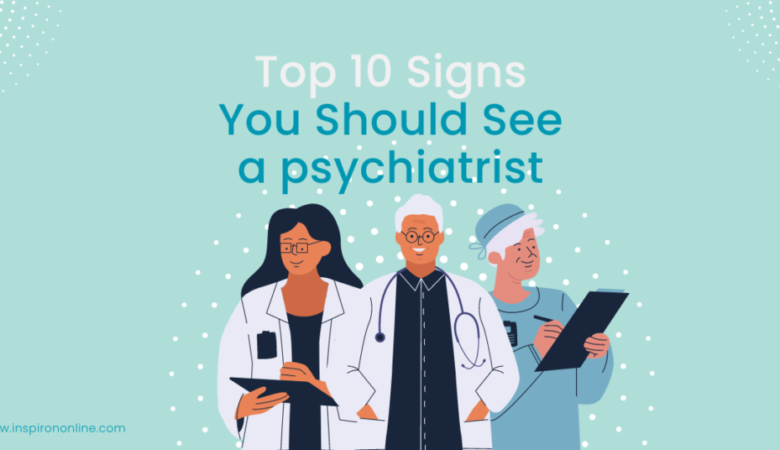
Mental health is a cornerstone of overall well-being, yet it is often neglected due to stigma, lack of awareness, or simply not recognizing the signs that professional help is necessary. At Cordial Psychiatry, we are dedicated to helping individuals navigate their mental health journeys. Here are 10 Signs You Might Need a Psychiatrist Today: Persistent Feelings of Sadness or Hopelessness Feeling sad or down occasionally is a natural part of life. However, if you experience persistent sadness, despair, or hopelessness lasting for weeks or months, it could indicate depression. These emotions may interfere with your ability to function, impacting work, relationships, and daily routines. Drastic Changes in Sleep Patterns Are you struggling with insomnia or oversleeping without a clear cause? Sleep disturbances often accompany mental health issues like anxiety, depression, or bipolar disorder. A psychiatrist can help identify the root cause and develop strategies to restore healthy sleep. Unmanageable Anxiety or Worry Experiencing anxiety in stressful situations is normal, but excessive worry that disrupts your daily life may point to an anxiety disorder. Symptoms like restlessness, racing thoughts, and physical manifestations such as sweating or a racing heart require professional intervention. Difficulty Coping with Stress one of the Signs You Might Need a Psychiatrist If routine stressors like work deadlines, family responsibilities, or personal challenges feel overwhelming, it might indicate underlying mental health concerns. Psychiatrists specialize in teaching stress management techniques and addressing any deeper issues contributing to your struggle. Noticeable Mood Swings Frequent or extreme mood changes, such as shifting from happiness to irritability or anger without explanation, can be a sign of a mood disorder like bipolar disorder. Psychiatrists can diagnose and provide treatment to stabilize your emotions and improve quality of life. Withdrawal from Social Interaction Avoiding friends, family, and social activities you once enjoyed could signal depression, social anxiety, or another mental health condition. Isolation tends to worsen mental health issues, making timely intervention crucial. Unexplained Physical Symptoms Physical symptoms like headaches, stomachaches, or chronic fatigue without a medical explanation may be tied to mental health problems. Conditions such as depression and anxiety often manifest in physical ways, and psychiatrists can address these symptoms holistically. Difficulty Concentrating or Making Decisions If you find it increasingly challenging to focus, remember details, or make decisions, it might be due to underlying mental health issues like ADHD or depression. These symptoms can significantly impact personal and professional life, making it essential to seek help. Harmful Coping Mechanisms Turning to substances like alcohol, drugs, or engaging in self-harm to deal with emotional pain is a red flag. These behaviors can quickly spiral into dangerous patterns, requiring immediate psychiatric support and intervention. Suicidal Thoughts or Behavior Experiencing thoughts of self-harm or suicide is a medical emergency. If you feel this way, please seek help immediately. A psychiatrist can provide the necessary care, support, and treatment to ensure your safety and recovery. When to Seek Help Recognizing these signs is the first step toward improving your mental health. Consulting with a psychiatrist can provide clarity, coping mechanisms, and, if needed, medication to restore balance and well-being. At Cordial Psychiatry, we believe in creating a safe, supportive environment where you can openly discuss your concerns and embark on a journey to mental wellness. Why Choose Cordial Psychiatry? Our experienced team specializes in a wide range of mental health conditions, including depression, anxiety, bipolar disorder, and more. We utilize evidence-based therapies tailored to each individual’s needs. Your mental health matters, and our mission is to help you achieve the peace of mind you deserve. If you or someone you know is experiencing any of these symptoms, don’t hesitate to reach out for professional help. Early intervention can make all the difference.

What is Medication Management? A Guide to Safe and Effective Treatment

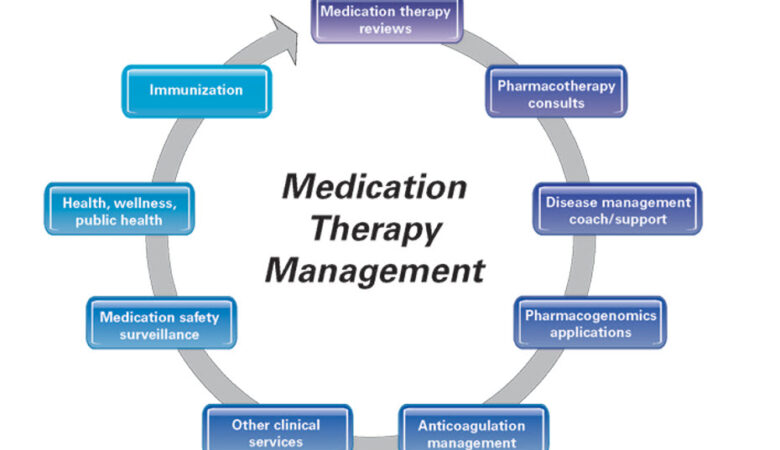
Medication management is a crucial component of healthcare that ensures the safe, effective, and appropriate use of medications for treating mental and physical health conditions. At Cordial Psychiatry, we are dedicated to providing personalized medication management services to help individuals achieve optimal health outcomes. What is Medication Management? Medication management refers to a structured approach to prescribing, monitoring, and optimizing medications for individuals. This process is designed to ensure that medications are taken as prescribed, avoid potential drug interactions, and improve the overall effectiveness of treatment. It involves a collaborative effort between healthcare providers, patients, and sometimes their families. Why is Medication Management Important? Medication management plays a pivotal role in ensuring: Safe Use of Medications: Proper oversight minimizes risks such as adverse drug reactions or harmful interactions. Improved Treatment Outcomes: Tailored adjustments enhance the effectiveness of treatment plans. Adherence to Prescriptions: Encouraging patients to follow prescribed dosages prevents underuse or overuse. Cost-Effective Care: Reducing medication-related complications can significantly lower healthcare costs. Key Components of Medication Management Comprehensive Evaluation A thorough assessment of a patient’s medical history, current health status, and existing medication regimen is the first step. At Cordial Psychiatry, our clinicians consider: Existing diagnoses and treatments Potential side effects Patient lifestyle and preferences Personalized Medication Plans Each individual’s needs are unique. We design medication plans that consider: Dosage accuracy Frequency and timing Minimizing side effects Addressing specific health goals Monitoring and Follow-Up Regular follow-ups are essential to evaluate progress and make necessary adjustments. Monitoring includes: Tracking treatment effectiveness Identifying adverse reactions early Ensuring adherence to the medication plan Patient Education Empowering patients with knowledge about their medications fosters compliance and confidence. Our team explains: How each medication works Possible side effects Importance of sticking to prescribed doses Coordination with Other Healthcare Providers Effective communication between primary care providers, specialists, and pharmacists ensures a holistic approach to treatment. Medication Management for Mental Health Managing medications for mental health conditions requires expertise and sensitivity. Common conditions treated at Cordial Psychiatry include: Depression Medications such as selective serotonin reuptake inhibitors (SSRIs) are commonly prescribed. Regular monitoring ensures: The correct dosage is maintained Side effects are managed effectively Anxiety Disorders Anti-anxiety medications, such as benzodiazepines or SSRIs, require careful management to avoid dependency and optimize therapeutic effects. Bipolar Disorder Mood stabilizers and antipsychotic medications play a central role in managing bipolar symptoms. Medication management minimizes mood fluctuations and ensures stability. ADHD (Attention-Deficit/Hyperactivity Disorder) Stimulant and non-stimulant medications can improve focus and reduce impulsivity. Adjusting dosages based on individual responses is a key aspect of management. Schizophrenia Antipsychotic medications are vital for symptom control. Ensuring adherence is critical to prevent relapses and maintain quality of life. Benefits of Professional Medication Management At Cordial Psychiatry, we offer professional medication management services that provide: Expert Guidance: Skilled clinicians ensure safe and effective medication use. Personalized Care: Every treatment plan is tailored to individual needs. Peace of Mind: Patients and families can trust in the quality of care provided. Improved Health Outcomes: Regular monitoring optimizes treatment results. How to Prepare for a Medication Management Appointment Gather Your Medical Information Bring a list of all current medications, including over-the-counter drugs and supplements. Be Honest About Your Symptoms Sharing accurate details about your symptoms helps create an effective treatment plan. Ask Questions Understanding your treatment fosters trust and adherence. Don’t hesitate to inquire about medication purposes, potential side effects, and expected outcomes. Follow Up Regularly Consistent follow-ups allow adjustments to improve your treatment journey. Common Challenges in Medication Management Non-Adherence Skipping doses or stopping medication prematurely can hinder recovery. Open communication with healthcare providers helps address these issues. Side Effects Unpleasant side effects may discourage patients from continuing treatment. Regular check-ins ensure that side effects are managed effectively. Drug Interactions Combining medications without professional guidance can lead to adverse effects. Our clinicians carefully review all prescriptions to avoid such risks. How Cordial Psychiatry Supports Your Medication Needs At Cordial Psychiatry, we prioritize: Collaborative Care: Working closely with patients to create a plan that aligns with their goals. Holistic Treatment: Integrating medication management with therapy and lifestyle changes for comprehensive care. Accessibility: Offering convenient appointments to address your concerns promptly. Conclusion Medication management is a vital aspect of achieving safe and effective treatment. Whether you’re managing mental health conditions or other chronic illnesses, professional guidance ensures optimal outcomes. At Cordial Psychiatry, we are committed to providing exceptional care tailored to your needs.

How to Relieve Depression Without Medication?

Feeling weighed down by depression but hesitant about taking medication? You’re not alone! Depression is a common challenge, but there are plenty of effective, non-medicinal strategies to help you reclaim your happiness. At Cordial Psychiatry, we’re all about holistic approaches that fit your lifestyle. So, if you’ve ever asked, “How can I relieve depression without medication?”—this guide is for you. Let’s dive into practical and science-backed solutions that’ll make a difference in your mental health journey. Understanding Depression Before we get to the solutions, let’s talk about what depression actually is. Depression isn’t just feeling sad—it’s a complex mental health condition that affects your mood, energy, and even how you view yourself and the world. Symptoms might include: Persistent sadness or emptiness Loss of interest in activities Fatigue or low energy Difficulty sleeping or sleeping too much Feelings of hopelessness But here’s the good news: with the right support and strategies, you can improve how you feel! Why Consider Non-Medicinal Approaches? Medication works wonders for some, but it’s not the only answer. Many people prefer natural alternatives for reasons like: Avoiding side effects. Personal beliefs about wellness. Wanting long-term, sustainable solutions. Whatever your reason, there are plenty of options worth exploring. How to Relieve Depression Without Medication? Get Moving: Exercise is Magic! It might sound cliché, but physical activity is a game-changer. When you exercise, your brain releases feel-good chemicals like endorphins, which boost your mood. Plus, regular movement can help with sleep and energy levels. Tips to get started: Take a brisk 15-minute walk every day. Try yoga or Pilates for a calming workout. Join a group class—bonus points for socializing! Nourish Your Body, Fuel Your Mind Ever heard the phrase, “You are what you eat”? It’s true! A balanced diet plays a massive role in mental health. Foods rich in omega-3s, antioxidants, and vitamins can help stabilize mood. Foods to include: Fatty fish like salmon or mackerel. Dark leafy greens like spinach or kale. Nuts, seeds, and whole grains. Lean on a Support System No one should face depression alone. Whether it’s friends, family, or a professional, talking things out can be incredibly therapeutic. At Cordial Psychiatry, we encourage open conversations—it’s a cornerstone of healing. Ideas to connect: Schedule weekly check-ins with loved ones. Join a local support group. Consider therapy for expert guidance. Practice Mindfulness and Meditation Mindfulness isn’t just trendy—it works! Being present helps reduce anxiety and negative thinking, both of which fuel depression. How to start: Use apps like Calm or Headspace for guided meditation. Spend five minutes focusing on your breathing. Try mindfulness exercises, like gratitude journaling. Prioritize Sleep Like a Pro Sleep and mental health are closely connected. Poor sleep can worsen depression, so developing good sleep hygiene is key. Sleep tips: Stick to a consistent bedtime. Avoid screens an hour before sleep. Create a relaxing pre-sleep routine, like reading or stretching. Engage in Creative Outlets Whether it’s painting, writing, or playing music, creative activities can be incredibly therapeutic. They allow you to express emotions, release stress, and build a sense of accomplishment. Fun ideas: Join a local art class. Start a DIY project at home. Explore music or dance—it doesn’t have to be perfect! Limit Stress with Smart Boundaries Stress is a major trigger for depression. Learning how to set boundaries and say “no” when needed can work wonders for your mental health. Simple boundary tips: Keep a manageable schedule. Avoid toxic environments. Practice self-compassion—it’s okay to rest! Try Alternative Therapies Sometimes, a little extra help goes a long way. Techniques like acupuncture, aromatherapy, or light therapy have shown promise in easing depression symptoms. At Cordial Psychiatry, we recommend: Light therapy for seasonal affective disorder (SAD). Aromatherapy with lavender or citrus oils for relaxation. Exploring acupuncture to reduce stress and anxiety. FAQs Can these strategies replace therapy or medication entirely? For some, yes. However, it’s best to consult a professional, like our team at Cordial Psychiatry, to determine what works for you. How soon will I see results? It varies! Some people feel better after a week, while others may need a few months of consistent effort. Be patient with yourself. Are these methods backed by science? Absolutely! Exercise, mindfulness, diet, and sleep hygiene all have strong research supporting their benefits for mental health. Conclusion Depression is tough, but relief is within reach—without the need for medication! Whether it’s moving your body, fueling your mind, or leaning on your support system, small changes can lead to big results. At Cordial Psychiatry, we’re here to guide you through every step of the journey. Remember, healing isn’t a straight path, but with these strategies, you’re well on your way to feeling like yourself again. So, take that first step today and explore what works for you. Your brighter days are waiting!

Therapy for Major Depressive Disorder: Treatment Process

At Cordial Psychiatry, we understand the profound impact that major depressive disorder (MDD) has on individuals and their loved ones. Our mission is to provide compassionate and evidence-based care tailored to your unique needs. This article outlines the detailed treatment process for MDD, highlighting the steps and strategies that foster recovery and emotional well-being. What is Major Depressive Disorder? Major Depressive Disorder is a debilitating mental health condition characterized by persistent sadness, a loss of interest in activities, and significant functional impairment. Common symptoms include: Emotional symptoms: Feelings of hopelessness, guilt, or worthlessness. Physical symptoms: Fatigue, changes in appetite, or sleep disturbances. Cognitive symptoms: Difficulty concentrating, indecisiveness, or recurring thoughts of death or suicide. Effective treatment requires a holistic approach to address the psychological, physical, and social aspects of this condition. Comprehensive Assessment: The First Step in Treatment At Cordial Psychiatry, the first step in treating MDD is a comprehensive assessment. This involves: Clinical Interviews: Our mental health professionals take a detailed history of symptoms, life experiences, and medical history. Standardized Diagnostic Tools: We use evidence-based tools like the Patient Health Questionnaire-9 (PHQ-9) to gauge symptom severity. Physical Health Evaluation: Collaborating with primary care providers to rule out medical conditions contributing to depressive symptoms. This thorough evaluation helps us create a personalized treatment plan. Evidence-Based Psychotherapy Options Psychotherapy is a cornerstone in the treatment of MDD. At Cordial Psychiatry, we offer a variety of evidence-based therapies tailored to each patient’s needs. Cognitive Behavioral Therapy (CBT) CBT is a highly effective treatment that helps patients identify and challenge negative thought patterns. Key aspects include: Recognizing automatic negative thoughts. Learning practical coping skills to manage stress. Developing healthier thinking patterns. Interpersonal Therapy (IPT) IPT focuses on improving interpersonal relationships and communication skills. This therapy is particularly effective for individuals whose depression is linked to grief, relationship issues, or life transitions. Dialectical Behavior Therapy (DBT) For patients with severe symptoms or suicidal ideation, DBT offers structured strategies to regulate emotions and improve distress tolerance. Medication Management: A Vital Component For many patients, medications play a critical role in managing MDD. At Cordial Psychiatry, we prioritize patient education and safety when prescribing antidepressants. Common Classes of Antidepressants Selective Serotonin Reuptake Inhibitors (SSRIs): These include fluoxetine and sertraline, often the first-line treatments due to their safety profile. Serotonin-Norepinephrine Reuptake Inhibitors (SNRIs): Medications like venlafaxine are useful for patients with severe symptoms. Atypical Antidepressants: These include bupropion, which may be beneficial for those experiencing fatigue or low energy. We monitor patients closely for side effects and efficacy, adjusting treatment as needed to ensure optimal outcomes. Lifestyle Changes and Complementary Therapies Alongside psychotherapy and medication, lifestyle modifications can significantly enhance treatment outcomes. Regular Exercise Physical activity boosts endorphins, reduces stress, and improves mood. Our clinicians work with patients to develop sustainable exercise routines. Nutrition and Sleep Hygiene A balanced diet rich in omega-3 fatty acids, vitamins, and minerals supports brain health. Establishing regular sleep patterns helps combat fatigue and cognitive fog. Mindfulness and Relaxation Techniques Practices such as mindfulness meditation, yoga, and deep breathing exercises can alleviate symptoms and reduce relapse risk. Advanced Treatments for Resistant Depression For patients who do not respond to conventional therapies, we offer innovative solutions: Transcranial Magnetic Stimulation (TMS) TMS is a non-invasive procedure that uses magnetic fields to stimulate nerve cells in the brain. It is particularly effective for treatment-resistant depression. Electroconvulsive Therapy (ECT) ECT is reserved for severe cases where rapid symptom relief is needed. This safe and controlled procedure can provide life-changing results. Ketamine Infusions Ketamine therapy is a cutting-edge approach that shows promise for rapid symptom relief in patients with severe or resistant depression. Collaborative Care: Building a Support Network At Cordial Psychiatry, we believe in the power of collaborative care. We work with families, caregivers, and other healthcare providers to create a supportive environment for recovery. Family Involvement Educating loved ones about MDD fosters understanding and encourages a compassionate support system. Peer Support Groups Connecting with others who share similar experiences provides validation and encouragement during the healing journey. Preventing Relapse: Long-Term Strategies Recovery from MDD is a continuous process. To prevent relapse, we focus on long-term management strategies: Regular Follow-Ups: Monitoring progress and making necessary adjustments to the treatment plan. Relapse Prevention Plans: Identifying early warning signs and equipping patients with actionable coping strategies. Ongoing Psychotherapy: Periodic therapy sessions to reinforce skills learned during treatment. Why Choose Cordial Psychiatry? At Cordial Psychiatry, we take pride in offering patient-centered care that combines clinical expertise with genuine compassion. Our team is dedicated to helping you reclaim your life from depression through personalized treatment plans and unwavering support. If you or a loved one is struggling with major depressive disorder, reach out to Cordial Psychiatry today. Together, we can take the first step toward healing and recovery.

What Is the Best Treatment for Depression?

Feeling like you’re stuck in a fog that just won’t lift? Depression is a tough nut to crack, but it’s not unbeatable. Millions of people grapple with it every day, and while it can feel isolating, help is closer than you think. At Cordial Psychiatry in NY, we’re here to shed light on the question many are asking: What is the best treatment for depression? Spoiler alert—there’s no one-size-fits-all solution, but the good news? There’s a treatment out there that’s just right for you. In this article, we’ll dive into the various ways depression can be tackled, breaking down the science, the options, and everything in between. Let’s jump in! What Is Depression, Really? Before we explore treatments, let’s get a grip on what depression actually is. It’s more than just feeling down. Depression is a mood disorder that can affect how you think, feel, and even handle daily tasks. Signs You Might Be Dealing with Depression Persistent sadness or emptiness Loss of interest in activities you once loved Fatigue or low energy Changes in appetite or sleep patterns Difficulty concentrating If any of these hit close to home, don’t panic. Depression isn’t a character flaw—it’s a medical condition, and like any other illness, it can be treated. What Is the Best Treatment for Depression? Finding the best treatment for depression depends on your unique needs. At Cordial Psychiatry in NY, we specialize in tailoring treatment plans that work for you. Here’s a breakdown of the most effective options: Therapy: The Power of Talking It Out When words fail, therapy steps in. Psychotherapy, often called talk therapy, is a cornerstone of depression treatment. Types of Therapy Cognitive Behavioral Therapy (CBT): Helps you identify and change negative thought patterns. Interpersonal Therapy (IPT): Focuses on improving relationships and communication. Dialectical Behavior Therapy (DBT): Combines mindfulness and behavioral techniques to manage emotions. The beauty of therapy? It’s highly personalized. Whether you’re dealing with mild depression or something more severe, there’s a therapeutic approach that can make a difference. Medication: A Little Chemistry Goes a Long Way Sometimes, the brain’s chemicals need a boost. Antidepressants can help regulate neurotransmitters like serotonin and dopamine, which play a big role in mood regulation. Common Types of Antidepressants Selective Serotonin Reuptake Inhibitors (SSRIs): Examples: Prozac, Zoloft Often the first line of defense. Serotonin-Norepinephrine Reuptake Inhibitors (SNRIs): Examples: Effexor, Cymbalta Effective for both depression and anxiety. Tricyclic Antidepressants (TCAs): Older but still effective for certain cases. Medication isn’t a magic wand, but for many, it’s a game-changer. At Cordial Psychiatry, we’ll guide you through the options to find what suits you best. Lifestyle Changes: Small Tweaks, Big Impact Don’t underestimate the power of daily habits. Combining therapy or medication with lifestyle changes can amplify results. Quick Tips for a Happier You Stay Active: Regular exercise releases endorphins, your brain’s feel-good chemicals. Eat Well: A balanced diet can improve energy and mood. Prioritize Sleep: Poor sleep and depression go hand in hand. Stay Connected: Lean on friends and family for support. Alternative and Holistic Treatments Not a fan of traditional routes? No problem. There are alternative options worth exploring. Popular Holistic Approaches Meditation and Mindfulness: Reduces stress and improves emotional regulation. Yoga: Combines physical movement with mental calmness. Light Therapy: Great for seasonal depression (hello, NY winters!). These approaches can be especially helpful as complementary treatments. Cutting-Edge Treatments: TMS and Beyond At Cordial Psychiatry in NY, we’re proud to offer advanced treatments like Transcranial Magnetic Stimulation (TMS). What’s TMS? It’s a non-invasive therapy that uses magnetic fields to stimulate nerve cells in the brain. For those who haven’t responded well to other treatments, TMS can be a game-changer. FAQs: Answering Your Burning Questions How long does it take to see results? It varies. Therapy might show benefits in weeks, while medications can take a month or two to kick in. Can depression go away on its own? Sometimes mild cases improve over time, but severe depression typically requires intervention. Are there any risks with antidepressants? Like any medication, antidepressants can have side effects, but they’re generally manageable. Your provider will help balance benefits with risks. Can I combine treatments? Absolutely! In fact, many people find a combination of therapy and medication works best. Why Choose Cordial Psychiatry in NY? When it comes to mental health care, you deserve a partner who listens, understands, and works with you every step of the way. At Cordial Psychiatry, based in NY, we take a compassionate, science-backed approach to helping you feel like yourself again. Conclusion: Your Journey Starts Here So, what is the best treatment for depression? The answer is deeply personal. From therapy to medication, lifestyle changes to cutting-edge treatments like TMS, there’s no shortage of options. The key is finding what works for you—and you don’t have to do it alone. Ready to take the first step? Reach out to Cordial Psychiatry in NY today. Because your mental health is worth it, and you deserve to feel whole again. Take charge of your mental well-being—your brighter days are just around the corner!

How Much Mental Illness Goes Undiagnosed?

Mental health is a complex and evolving field, and mental illness often remains hidden, undiagnosed, and untreated for years. In modern society, where stressors abound and mental health awareness has only recently begun to flourish, many individuals still suffer in silence. At Cordial Psychiatry, we see firsthand how undiagnosed mental illnesses impact individuals, families, and communities. Below, we’ll explore the scope of undiagnosed mental illness, common reasons for this issue, and the societal implications it carries. Senior citizens, particularly those in Waterstone of Westchester assisted living or nursing home settings, are at higher risk of undiagnosed mental health conditions. Social isolation, chronic health issues, and limited access to mental health services can exacerbate depression, anxiety, and cognitive decline in seniors. Raising awareness and providing targeted support in these communities is essential to ensure timely diagnosis and improve overall well-being. Understanding the Scope of Undiagnosed Mental Illness Estimates reveal that a significant percentage of individuals with mental illness are not diagnosed. According to the World Health Organization (WHO), nearly 1 in 4 individuals worldwide will experience mental illness in their lifetime, yet many of these cases go undetected. Studies suggest that nearly 50% of individuals with mental health issues remain undiagnosed, meaning millions are left without the care and support they need. This lack of diagnosis not only delays treatment but can also lead to long-term physical and mental health consequences. Why Mental Illness Remains Undiagnosed Several factors contribute to the prevalence of undiagnosed mental health issues. From stigma to lack of awareness and systemic barriers in healthcare, understanding these obstacles is essential to reducing undiagnosed cases. Stigma Surrounding Mental Illness One of the most significant barriers to diagnosis is the stigma attached to mental health conditions. Many individuals are hesitant to seek help due to societal judgment or cultural beliefs that view mental illness as a weakness or personal failure. Unfortunately, this mindset prevents people from seeking the mental health evaluations that could lead to early detection and management. Limited Access to Mental Health Services Access to mental health care is another major hurdle. In rural areas or underserved communities, there may be a severe shortage of mental health professionals. The cost of therapy or lack of insurance coverage further exacerbates the problem, leaving individuals without necessary support. Long waiting lists and high out-of-pocket costs discourage many from pursuing a formal diagnosis or treatment. Misinterpretation of Symptoms Symptoms of mental illness can often overlap with those of physical health issues, leading to misdiagnosis or undiagnosed conditions. For instance, depression might manifest as chronic fatigue or digestive issues, leading individuals to seek help from general practitioners who may not recognize the mental health component. Similarly, anxiety may present as headaches, chest pain, or muscle tension, all of which are frequently mistaken for physical ailments. Lack of Awareness and Education Many individuals are simply unaware of the signs and symptoms of mental illness. Unlike physical health, mental health literacy is still relatively low, particularly among older generations. People may dismiss symptoms of depression, anxiety, or other conditions as typical stress or personality traits, rather than considering them indicators of a diagnosable illness. The Consequences of Undiagnosed Mental Illness Failing to diagnose mental illness has far-reaching consequences on both an individual and societal level. The lack of treatment can worsen symptoms and impact quality of life, potentially leading to long-term health risks and an increased burden on healthcare systems. Increased Risk of Chronic Illness Mental illnesses such as depression and anxiety are linked to higher risks of developing chronic illnesses. Studies have shown that people with untreated depression are more likely to develop cardiovascular disease, diabetes, and even obesity. The mind-body connection plays a critical role in physical health, and leaving mental illness undiagnosed only escalates these risks. Impacts on Productivity and Work Performance Undiagnosed mental illness also affects workplace productivity and performance. Symptoms of depression, anxiety, or bipolar disorder can hinder an individual’s ability to concentrate, meet deadlines, and engage with colleagues. This can lead to increased absenteeism or even job loss, putting further strain on the individual and impacting the economy. Relationship Strain and Social Isolation Mental illness can take a toll on relationships and social interactions. Undiagnosed conditions like bipolar disorder or obsessive-compulsive disorder (OCD) often lead to misunderstandings, conflicts, and social withdrawal. Family members may misinterpret symptoms as personality flaws, while friends may distance themselves, leading to isolation and a diminished support network. Increased Risk of Substance Abuse and Self-Harm When mental health conditions go undiagnosed, individuals may turn to unhealthy coping mechanisms, such as substance abuse. Alcohol and drug use often become a means to self-medicate, temporarily masking symptoms while compounding the underlying issues. This pattern of self-medication can lead to a dual diagnosis of mental illness and substance use disorder, further complicating the path to recovery. Who is at Higher Risk of Undiagnosed Mental Illness? Understanding who is most at risk of undiagnosed mental illness can help with early identification efforts. Research indicates that certain demographics, life situations, and genetic factors may increase the likelihood of undiagnosed mental illness. Adolescents and Young Adults Younger populations are particularly vulnerable to mental health challenges. Adolescents and young adults are often reluctant to seek help, attributing their emotional changes to typical teenage angst. This reluctance can delay diagnoses and contribute to a rise in undiagnosed cases. Minority and Marginalized Communities Individuals from marginalized communities often face systemic barriers to mental health care, including language barriers, lack of cultural sensitivity in treatment, and financial constraints. Racial and ethnic minorities, LGBTQ+ individuals, and immigrants may have even less access to diagnosis and support, increasing the likelihood of undiagnosed cases. Elderly Individuals Mental health issues among the elderly are often overlooked, misdiagnosed, or dismissed as normal aspects of aging. Depression and anxiety may be dismissed as natural responses to life changes, resulting in delayed diagnosis and a lack of adequate treatment options for older adults. Individuals with a Family History of Mental Illness Genetic predisposition plays a crucial role in mental health,

Understanding Anxiety Disorders: Symptoms and Treatment

In today’s fast-paced world, anxiety has become a common experience for many people. However, when anxiety becomes overwhelming and persistent, it might indicate an anxiety disorder. Understanding anxiety disorders, their symptoms, and treatments is crucial for anyone who feels they or their loved ones might be affected. At Cordial Psychiatry, we aim to provide clarity and support for those navigating these challenging conditions. What is Anxiety? Definition and Explanation Anxiety is a natural response to stress, characterized by feelings of worry, nervousness, or fear. It is a normal part of life that everyone experiences at some point. However, when these feelings become excessive, uncontrollable, and interfere with daily activities, they might be indicative of an anxiety disorder. Normal Anxiety vs. Anxiety Disorders While normal anxiety is typically short-lived and related to a specific situation or challenge, anxiety disorders involve prolonged and intense anxiety that is often disproportionate to the situation at hand. This can lead to significant distress and impair daily functioning. Types of Anxiety Disorders Generalized Anxiety Disorder (GAD) GAD is characterized by chronic and exaggerated worry and tension, even when there is little or nothing to provoke it. People with GAD often anticipate disaster and may be overly concerned about health, money, family, or work. Panic Disorder Panic disorder involves recurrent and unexpected panic attacks—sudden periods of intense fear that may include palpitations, pounding heart, sweating, trembling, and feelings of impending doom. These attacks can occur unexpectedly and can be debilitating. Social Anxiety Disorder Social anxiety disorder, also known as social phobia, is characterized by overwhelming anxiety and excessive self-consciousness in everyday social situations. People with social anxiety disorder fear being judged, embarrassed, or humiliated in social settings. Specific Phobias Specific phobias are intense, irrational fears of specific objects or situations, such as heights, animals, or flying. These fears can lead to avoidance behavior and significant distress when confronted with the phobic stimulus. Obsessive-Compulsive Disorder (OCD) OCD involves unwanted and intrusive thoughts (obsessions) and repetitive behaviors or mental acts (compulsions) that an individual feels compelled to perform. These behaviors are often aimed at reducing anxiety or preventing a feared event or situation. Post-Traumatic Stress Disorder (PTSD) PTSD can develop after exposure to a traumatic event, such as a natural disaster, serious accident, terrorist act, war/combat, rape, or other violent personal assaults. Symptoms include flashbacks, nightmares, severe anxiety, and uncontrollable thoughts about the event. Common Symptoms of Anxiety Disorders Physical Symptoms Rapid heart rate Shortness of breath Sweating Trembling or shaking Fatigue Headaches Stomachaches or gastrointestinal issues Emotional Symptoms Excessive worry or fear Feeling restless or on edge Irritability Difficulty concentrating Sense of impending doom or danger Behavioral Symptoms Avoidance of anxiety-provoking situations Compulsive behaviors (in OCD) Difficulty performing daily tasks Social withdrawal Causes of Anxiety Disorders Genetic Factors Research suggests that anxiety disorders can run in families, indicating a genetic predisposition. Individuals with a family history of anxiety disorders are more likely to develop similar conditions. Environmental Factors Environmental stressors such as trauma, significant life changes, and prolonged stress can trigger or exacerbate anxiety disorders. Factors like financial difficulties, work stress, and family conflicts also play a role. Psychological Factors Certain personality traits, such as perfectionism and low self-esteem, can contribute to the development of anxiety disorders. Additionally, individuals with a history of mental health issues may be more susceptible. Medical Conditions Certain medical conditions, including thyroid problems, heart arrhythmias, and respiratory disorders, can cause or worsen anxiety symptoms. It’s important to rule out these conditions when diagnosing anxiety disorders. Diagnosing Anxiety Disorders Clinical Assessment A thorough clinical assessment by a mental health professional is crucial for diagnosing anxiety disorders. This includes a detailed interview covering medical history, symptoms, and the impact on daily life. Psychological Testing Psychological tests and questionnaires can help identify specific anxiety disorders and measure the severity of symptoms. These tools aid in creating an effective treatment plan. Medical Evaluation A medical evaluation may be necessary to rule out underlying medical conditions that could be contributing to anxiety symptoms. Blood tests, physical exams, and other diagnostic tests may be performed. Treatment Options for Anxiety Disorders Psychotherapy Cognitive Behavioral Therapy (CBT) CBT is a highly effective treatment for anxiety disorders. It focuses on identifying and changing negative thought patterns and behaviors that contribute to anxiety. CBT helps individuals develop coping skills and strategies to manage anxiety. Exposure Therapy Exposure therapy is particularly useful for specific phobias and PTSD. It involves gradually exposing individuals to anxiety-provoking situations or stimuli in a controlled manner to reduce fear and avoidance. Medications Selective Serotonin Reuptake Inhibitors (SSRIs) SSRIs are commonly prescribed for anxiety disorders. They work by increasing serotonin levels in the brain, which can help improve mood and reduce anxiety. Benzodiazepines Benzodiazepines are fast-acting medications that can provide quick relief from severe anxiety symptoms. However, they are typically prescribed for short-term use due to the risk of dependence. Lifestyle Changes Regular Exercise Physical activity can significantly reduce anxiety symptoms by releasing endorphins and improving overall well-being. Regular exercise is a valuable component of an anxiety management plan. Healthy Diet A balanced diet rich in nutrients can positively impact mental health. Avoiding caffeine, alcohol, and sugar can also help manage anxiety symptoms. Alternative Therapies Mindfulness and Meditation Practicing mindfulness and meditation can help individuals stay grounded and manage anxiety. These techniques promote relaxation and increase awareness of the present moment. Yoga Yoga combines physical movement, breathing exercises, and meditation, which can effectively reduce anxiety. It helps in promoting relaxation and improving mental clarity. Coping Strategies for Managing Anxiety Stress Management Techniques Learning stress management techniques such as deep breathing exercises, progressive muscle relaxation, and guided imagery can help reduce anxiety levels. Building a Support System Having a strong support system of family, friends, and mental health professionals can provide emotional support and practical assistance in managing anxiety. Establishing a Routine Creating a daily routine can provide structure and predictability, which can help reduce anxiety. Incorporating regular sleep patterns, meal times, and activities can promote stability. Conclusion Understanding anxiety

Welcome to Cordial Psychiatry’s New Practice in Yonkers, NY!

We are thrilled to announce the grand opening of Cordial Psychiatry’s newest office, conveniently located in Yonkers, NY. Our mission is to provide compassionate, comprehensive, and personalized mental health care to individuals in our community. We understand that mental health is a crucial aspect of overall well-being, and we are dedicated to supporting you on your journey to better mental health. Our Services At Cordial Psychiatry, we offer a wide range of psychiatric and mental health services designed to meet the unique needs of each patient. Our services include: Psychiatric Evaluations: Comprehensive assessments to diagnose and develop personalized treatment plans for various mental health conditions. Medication Management: Expert monitoring and adjustment of medication regimens to ensure optimal effectiveness and minimal side effects. Individual Psychotherapy: One-on-one therapy sessions tailored to address specific issues such as depression, anxiety, trauma, and more. Couples and Family Therapy: Counseling to help couples and families improve communication, resolve conflicts, and strengthen relationships. Telepsychiatry Services: Convenient online consultations and therapy sessions for those unable to visit our office in person. Specialized Treatment Programs: Programs tailored to specific issues such as trauma recovery and ADHD management. Holistic Approaches: Integrating mindfulness, relaxation techniques, and nutritional counseling to promote overall well-being. Community Outreach and Education: Workshops, seminars, and support groups to raise awareness about mental health and provide valuable resources. Introducing New Services In addition to our comprehensive range of services, we are excited to offer innovative treatments such as Transcranial Magnetic Stimulation (TMS). This cutting-edge therapy provides new hope for individuals with treatment-resistant depression and other mood disorders. Transcranial Magnetic Stimulation (TMS) TMS is a non-invasive procedure that uses magnetic fields to stimulate nerve cells in the brain, helping to improve symptoms of depression. It is particularly beneficial for patients who have not responded well to traditional treatments. Our team is trained in administering TMS safely and effectively, offering a promising option for those seeking alternative treatments. Comprehensive Care Management We also provide care management services to ensure that patients with complex mental health needs receive coordinated and holistic care. Our care management team works closely with patients, their families, and other healthcare providers to create and implement individualized care plans that address all aspects of their mental and physical health. Why Choose Cordial Psychiatry? Our new Yonkers office is designed with your comfort and well-being in mind. From our welcoming reception area to our private therapy rooms, we strive to create a safe and supportive environment where you can feel at ease. Our team of experienced psychiatrists, therapists, and support staff are dedicated to providing the highest quality of care, using evidence-based practices and a compassionate approach. Schedule Your Appointment Today We invite you to experience the difference at Cordial Psychiatry. Whether you are seeking help for yourself or a loved one, our team is here to support you every step of the way. Take the first step towards better mental health by calling us at 914-570-9000 to schedule your appointment. We look forward to welcoming you to our new practice in Yonkers and helping you achieve your mental health goals. Welcome to Cordial Psychiatry – your partner in mental health and well-being.

Suscríbase a nuestro Boletín

Formulario de suscripción

No sufra en silencio: póngase en contacto con nosotros hoy mismo para iniciar su camino hacia una vida más sana y feliz.

Información de contacto