

Can You Heal from Trauma Without Therapy? Insights from Experts

At Cordial Psychiatry, we are committed to shedding light on mental health challenges and exploring every path to healing. One of the most debated topics in the world of psychological recovery is whether it’s possible to heal from trauma without therapy. While therapy—particularly trauma-informed therapy—is a widely accepted route to healing, many people seek alternative methods either due to accessibility, personal beliefs, or past negative experiences with therapists. In this comprehensive article, we delve deep into expert insights, scientific evidence, and alternative healing strategies that may aid in trauma recovery outside the traditional therapy setting. Whether you’re exploring personal growth or helping someone else, understanding these perspectives can empower informed decisions. What Is Trauma and How Does It Affect the Brain and Body? Trauma is a deeply distressing experience that overwhelms an individual’s ability to cope. It can stem from physical abuse, emotional neglect, loss of a loved one, natural disasters, or even chronic stress. The impact of trauma is not just emotional—it affects the nervous system, hormonal balance, and even gene expression. When we experience trauma, the amygdala (responsible for detecting threats) becomes hyperactive, the hippocampus (which processes memories) may shrink, and the prefrontal cortex (which helps with rational thinking) may become less active. This biological disruption leads to symptoms such as: Flashbacks Panic attacks Emotional numbness Trouble sleeping Intrusive thoughts Understanding these physiological changes is essential to grasp why healing requires more than “just moving on.” Can You Heal from Trauma Without Therapy? Yes, healing from trauma without therapy is possible—but it often requires a holistic, intentional, and consistent approach. Many individuals across cultures have found healing through non-clinical methods, though therapy can dramatically accelerate the process and reduce the risk of re-traumatization. Below, we explore expert-recommended strategies that support trauma recovery outside of a traditional therapy setting. Building a Safe and Supportive Environment The foundation of healing is safety. People recovering from trauma must feel physically, emotionally, and psychologically secure. This involves: Creating consistent routines Removing toxic relationships Limiting exposure to triggering environments Establishing personal boundaries Supportive relationships with empathetic friends, family, or community groups can be therapeutic in themselves. Human connection fosters a sense of belonging and security, which helps regulate the nervous system. Practicing Mindfulness and Meditation Mindfulness techniques such as breathwork, body scans, and guided meditations have proven effective in trauma recovery. Studies published in journals like Trauma, Violence, & Abuse show mindfulness can: Reduce PTSD symptoms Improve emotional regulation Lower cortisol (stress hormone) levels By grounding oneself in the present, survivors can begin to detach from traumatic memories and reclaim agency over their thoughts and bodies. Engaging in Somatic Healing Techniques Trauma is stored in the body. Somatic healing addresses this by focusing on bodily sensations and movement to release pent-up tension. Common somatic methods include: Yoga Qi Gong Dance therapy TRE (Tension & Trauma Releasing Exercises) Dr. Peter Levine, founder of Somatic Experiencing, emphasizes that trauma healing requires reconnecting with your body in a safe, controlled manner. Journaling and Expressive Writing Writing is a powerful outlet to process and understand trauma. Studies have shown that expressive writing for just 15-20 minutes over several days can: Improve immune function Reduce anxiety and depression Aid in cognitive processing of traumatic events It allows individuals to externalize pain and make sense of their experiences over time. Prompts such as “What changed after the trauma?” or “How do I feel safe today?” can offer deeper insight. Nature Exposure and Ecotherapy Being in nature has a profound calming effect on the brain. Activities like: Hiking Forest bathing Gardening Stargazing can foster a sense of awe, grounding, and perspective, which are crucial for trauma recovery. Nature can serve as both a sanctuary and a silent witness to pain and growth. Art and Music as Therapeutic Outlets Creative expression allows emotions to surface and release safely. Art and music therapies, even when done informally at home, help: Regulate emotions Reconstruct identity post-trauma Access the subconscious mind Whether it’s painting, playing guitar, or crafting, creativity can reconnect you with joy and purpose. Physical Exercise and Movement Regular movement releases endorphins and dopamine, combats stress, and improves sleep. Activities such as: Running Strength training Martial arts Swimming help trauma survivors build resilience, discipline, and self-esteem. Exercise also improves neuroplasticity, which is crucial for healing damaged brain pathways. Nutrition and Gut Health The gut-brain axis plays a pivotal role in mental health. Trauma can disrupt gut microbiota, leading to increased inflammation and mood disturbances. Healing strategies include: Eating whole, unprocessed foods Avoiding sugar and alcohol Taking probiotics or fermented foods Staying hydrated A nourished body leads to a more stable emotional baseline and better energy levels. Education and Trauma Awareness Self-education helps survivors feel empowered. Reading books like: The Body Keeps the Score by Bessel van der Kolk Waking the Tiger by Peter Levine Complex PTSD: From Surviving to Thriving by Pete Walker can validate experiences and offer roadmaps for recovery. Faith, Spirituality, and Ritual Many find comfort and meaning through spirituality or religious practices. Whether through prayer, meditation, attending services, or performing personal rituals, spirituality offers: A sense of higher purpose Community support Emotional release This path isn’t for everyone, but for many, it’s the core of their healing journey. When Is Therapy Still Necessary? While alternative healing methods are powerful, some individuals may still need therapy—especially if: Trauma symptoms are debilitating Suicidal thoughts occur There’s a history of self-harm or substance abuse PTSD persists for months or years In such cases, working with a licensed trauma therapist (such as those at Cordial Psychiatry) provides structured, evidence-based tools that are often life-saving. FAQs Can you completely recover from trauma without therapy? Some individuals do recover without formal therapy using alternative methods, but results vary. Therapy can accelerate healing and provide professional guidance. How long does it take to heal from trauma naturally? It depends on the severity, type of trauma, and personal resilience. Some heal in months, others over years. Is it safe to face trauma alone? It can be,

The Role of Lifestyle Changes in Mental Health Treatment

At Cordial Psychiatry, we believe in a holistic, evidence-based approach to mental health. While traditional treatments like therapy and medication play an essential role in managing psychiatric conditions, lifestyle changes have emerged as powerful allies in improving mental health outcomes. In this comprehensive guide, we explore how adjustments in daily habits can profoundly affect emotional and psychological well-being. Why Lifestyle Changes Matter in Mental Health Mental health is deeply influenced by our daily behaviors. Research consistently shows that incorporating positive lifestyle habits can: Enhance the effectiveness of psychiatric treatment Reduce the risk of relapse Improve mood, focus, and cognitive function Boost resilience and emotional regulation By addressing root causes and triggers, lifestyle interventions complement therapy and medication, leading to sustainable recovery. Nutrition and Mental Health: You Are What You Eat A balanced diet plays a critical role in regulating mood and cognitive functions. Nutrients such as omega-3 fatty acids, B vitamins, zinc, and magnesium are essential for brain health. Key Dietary Tips for Mental Wellness: Eat whole foods: Avoid processed and sugary snacks. Include healthy fats: Avocados, nuts, seeds, and fatty fish support brain function. Consume complex carbs: Whole grains stabilize blood sugar and serotonin levels. Stay hydrated: Even mild dehydration can impair mood and concentration. Diets like the Mediterranean diet and anti-inflammatory eating plans have been linked to reduced symptoms of depression and anxiety. Exercise: A Natural Antidepressant Regular physical activity significantly reduces symptoms of depression, anxiety, and stress. Exercise increases the production of endorphins, dopamine, and serotonin, neurotransmitters that promote feelings of happiness and well-being. Effective Exercise Strategies: Aim for 30 minutes a day, at least 5 days a week. Choose enjoyable activities: walking, swimming, dancing, or yoga. Incorporate strength training for added cognitive benefits. Use exercise as routine grounding: morning walks, post-work workouts, etc. Even moderate exercise has been proven to enhance sleep, improve self-esteem, and build mental resilience. Sleep Hygiene: Restoring the Mind Poor sleep quality and insomnia are closely linked with psychiatric disorders such as depression, bipolar disorder, and anxiety. Restful sleep supports emotional processing and cognitive performance. Tips for Better Sleep Hygiene: Stick to a sleep schedule, even on weekends. Avoid screens an hour before bedtime. Create a calming nighttime routine: reading, meditation, or warm baths. Limit caffeine and alcohol, especially in the evening. Invest in your sleep environment: blackout curtains, white noise machines, and comfortable bedding. Improving sleep can result in significant symptom reduction, even in severe psychiatric conditions. Stress Management Techniques: The Silent Healer Chronic stress activates the hypothalamic-pituitary-adrenal (HPA) axis, which can lead to mood disorders. Learning to manage stress is pivotal in preventing burnout and emotional instability. Powerful Stress-Reduction Practices: Mindfulness and meditation: 10–20 minutes a day reduces cortisol levels. Deep breathing exercises: activates the parasympathetic nervous system. Journaling: helps process emotions and gain perspective. Gratitude practice: shifts focus from stressors to positives. Nature therapy: time outdoors boosts serotonin and lowers anxiety. At Cordial Psychiatry, we often integrate Mindfulness-Based Cognitive Therapy (MBCT) and Dialectical Behavioral Therapy (DBT) techniques to teach effective emotional regulation. Social Connection and Mental Health Human beings are inherently social. Loneliness and isolation are risk factors for depression, substance use, and even cognitive decline. Ways to Foster Social Engagement: Join support groups for shared experiences and validation. Volunteer to gain purpose and connection. Reconnect with friends/family, even virtually. Participate in community events to combat social withdrawal. Social support is one of the strongest protective factors in mental health recovery. Limiting Substance Use and Digital Dependency Substances like alcohol, nicotine, and drugs can amplify mental health issues, interfere with medications, and impair judgment. Additionally, excessive screen time—especially social media—can negatively impact self-esteem, increase anxiety, and disrupt sleep. Digital and Substance Detox Tips: Set screen time limits, especially before bed. Use focus apps to reduce mindless scrolling. Seek help for substance misuse through outpatient programs or therapy. Replace habits with hobbies: reading, painting, cooking. Detoxifying from negative dependencies is essential for long-term recovery. Purpose and Spiritual Wellbeing Having a sense of meaning and purpose has been shown to reduce the symptoms of depression and PTSD, especially in difficult life transitions. How to Foster Spiritual and Purpose-Driven Living: Explore spiritual beliefs or attend religious services. Engage in altruistic activities. Set long-term personal goals. Practice reflection or prayer to find internal peace. Finding purpose brings hope, direction, and resilience in the face of adversity. Creating a Personalized Lifestyle Plan At Cordial Psychiatry, we work with each individual to design a customized lifestyle strategy that supports their treatment goals. This may include: Nutrition counseling Exercise plans Sleep interventions Stress coaching Social engagement support Substance use therapy Mind-body approaches Lifestyle change is not a replacement for medication or therapy but an essential adjunct to evidence-based treatment. Frequently Asked Questions (FAQs) Can lifestyle changes replace medication for mental illness? No. While lifestyle changes significantly support mental health, they are most effective when used alongside professional treatment, including medication and therapy. How long does it take to see results from lifestyle changes? Some improvements, like better sleep or reduced stress, may appear within a few weeks. Others, like emotional regulation or mood stability, may take several months of consistent practice. What lifestyle change should I start with? We recommend starting with sleep hygiene and physical activity, as these offer the most immediate and noticeable benefits. Is professional help still necessary if I feel better from lifestyle changes? Yes. Mental health symptoms can be complex, and even if you’re feeling better, clinical support is essential to maintain recovery and monitor underlying conditions. How can Cordial Psychiatry help with lifestyle modifications? We offer integrative mental health services, including nutritional counseling, mindfulness-based therapy, stress management training, and customized wellness planning tailored to your unique needs. Conclusion: Empowering Your Mental Health Journey Lifestyle changes are not quick fixes—they are sustainable, powerful tools that foster healing from the inside out. At Cordial Psychiatry, we empower our clients with the knowledge, support, and strategies to take charge of their mental health through evidence-backed lifestyle improvements. If you or a loved

How to Make the Most of Your Therapy Sessions

At Cordial Psychiatry, we understand that therapy is a powerful tool for healing, growth, and transformation. However, the benefits of therapy depend significantly on how you engage with the process. Whether you’re just starting therapy or have been attending sessions for some time, understanding how to maximize your therapy experience is essential for lasting results. Understanding the Purpose of Therapy Therapy is a structured, collaborative process designed to help individuals navigate mental health challenges, manage stress, and cultivate personal growth. Working with a licensed therapist provides a safe, nonjudgmental space to explore your thoughts, emotions, and behaviors. However, real progress depends on active participation, honest communication, and commitment to change. Set Clear Goals from the Start Why Goal Setting Matters From your very first session, it’s crucial to discuss your expectations and desired outcomes with your therapist. These goals help shape your treatment plan and provide measurable markers of progress. Do you want to reduce anxiety or depression? Are you looking to improve your relationships? Do you need help processing trauma or grief? Define both short-term and long-term objectives, and revisit them periodically with your therapist to ensure alignment and track growth. Be Honest and Open During Sessions Vulnerability Leads to Progress Therapy is most effective when you’re transparent about your thoughts, behaviors, and emotions—even when they’re difficult to express. Remember: Therapists are trained to handle sensitive topics without judgment. Holding back can limit your progress and prolong your healing. Sharing uncomfortable truths often leads to breakthrough moments. Honesty allows your therapist to tailor their approach, recommend strategies, and provide feedback that truly fits your unique situation. Take Notes Before and After Each Session Why Documentation Matters Before each session, jot down: Topics you want to discuss Feelings or patterns you’ve noticed Questions for your therapist After the session, reflect and write: Insights or “aha” moments Coping strategies discussed Action items or goals This practice helps you stay engaged, remember key points, and apply therapeutic insights between sessions. Practice Between Sessions Therapy Doesn’t End in the Office Most of the change happens outside the therapy room. Applying strategies in your daily life reinforces learning and builds resilience. Between sessions, try to: Journal regularly Practice mindfulness or meditation Complete any “homework” assignments Use cognitive-behavioral tools discussed in therapy Making therapy an active, continuous process rather than a weekly event maximizes its effectiveness. Give Feedback to Your Therapist A Collaborative Relationship If something isn’t working—say so. Therapy should feel collaborative. You are allowed to: Request a different approach Ask for more structure or less Express concerns about progress Good therapists welcome feedback. It helps refine the process and improve results. At Cordial Psychiatry, we see therapy as a partnership built on communication and trust. Stay Committed Even When It’s Hard Growth Can Be Uncomfortable There will be times when therapy feels challenging or emotionally intense. This is normal. Change often involves discomfort, especially when confronting deep-rooted beliefs or past trauma. Resist the urge to cancel or disengage. Lean into the discomfort with your therapist’s guidance. It often signals that meaningful progress is underway. Build a Supportive Environment What Happens Outside the Office Matters Enhance your therapy experience by creating an environment that supports your mental health: Surround yourself with people who respect your healing process Establish healthy routines: sleep, nutrition, exercise Minimize exposure to toxic influences A healthy lifestyle can significantly amplify the benefits of therapy. Track Your Progress Over Time Measure Growth Objectively Celebrate small wins. Therapy progress isn’t always linear, but consistent reflection helps you see: Behavioral changes Emotional resilience Improved relationships Work with your therapist to review goals, assess progress, and adjust the treatment plan as needed. Recognizing growth reinforces motivation and builds confidence. Know When to Adjust or End Therapy Evaluate When Therapy Has Served Its Purpose There’s no fixed timeline for therapy. It may be short-term for a specific issue or long-term for deep personal development. Consider changes when: You’ve met your therapy goals You feel emotionally equipped to manage challenges independently You’re not connecting with your therapist (in which case, it’s okay to find someone new) Therapy isn’t a life sentence—it’s a tool for empowerment. When to Seek Therapy in the First Place At Cordial Psychiatry, we often encounter individuals who delayed seeking therapy due to stigma, uncertainty, or lack of awareness. Consider starting therapy if you experience: Persistent anxiety or sadness Unmanageable stress or burnout Relationship difficulties Past trauma resurfacing Trouble focusing or functioning in daily life The sooner you engage in therapy, the sooner you can begin to heal. FAQs About Making the Most of Therapy How often should I attend therapy sessions? Weekly sessions are standard and allow for consistency. However, your therapist may adjust frequency based on your goals and needs. What if I don’t feel a connection with my therapist? The therapeutic relationship is crucial. If it doesn’t feel right after a few sessions, it’s okay to seek another provider. At Cordial Psychiatry, we help match you with the right clinician. How long will it take to see results? Progress varies. Some notice changes within a few weeks, while deeper issues may require months. Consistency and honesty accelerate results. Should I continue therapy even if I feel better? Yes—especially in early stages. Maintenance sessions can help reinforce strategies and prevent relapse. Can I do therapy and take medication at the same time? Absolutely. Many clients benefit from a combination of psychotherapy and psychiatric medications, especially for conditions like depression, anxiety, or bipolar disorder. Why Choose Cordial Psychiatry for Therapy? At Cordial Psychiatry, we provide expert, compassionate care to help you thrive. Our licensed therapists specialize in a wide range of mental health issues, including: Depression and anxiety Trauma and PTSD Bipolar disorder Grief and loss Relationship counseling ADHD and executive function support With locations in Yonkers, NY, and a team dedicated to holistic care, we’re here to guide you toward lasting emotional well-being. Phone: +1 914 570 9000Address: 45 Ludlow St Ste 402, Yonkers, NY 10705Website: cordialpsychiatry.com

How to Help a Friend Struggling with Depression

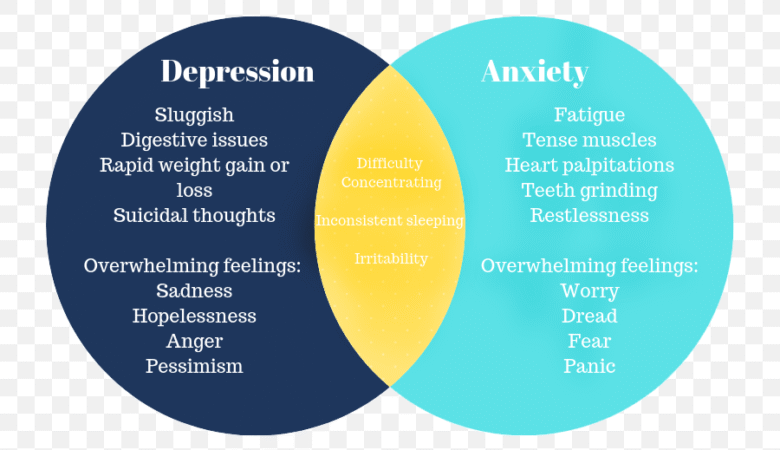
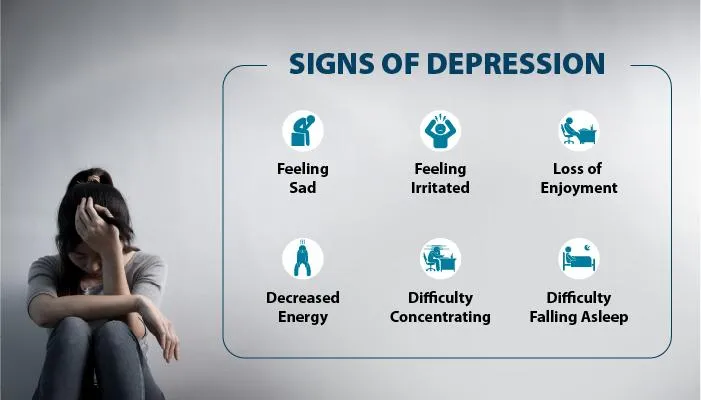
At Cordial Psychiatry, we understand how challenging it can be to see a loved one suffer in silence. Depression is more than just sadness — it’s a pervasive mental health condition that affects how a person thinks, feels, and functions. If your friend is struggling with depression, your support can be life-changing. In this comprehensive guide, we will provide actionable steps, effective communication strategies, and emotional support techniques to truly help someone battling depression. Understanding Depression: The First Step Toward Compassion Before offering support, it’s crucial to understand what depression truly is. Depression is a clinical mental health disorder characterized by persistent sadness, hopelessness, fatigue, and disinterest in life. It can impair concentration, appetite, sleep, and the ability to feel joy. Common symptoms include: Persistent low mood Loss of interest in activities Changes in appetite or weight Sleep disturbances (insomnia or oversleeping) Feelings of worthlessness or guilt Difficulty concentrating Thoughts of self-harm or suicide Understanding these symptoms helps eliminate judgment and frustration, allowing you to approach your friend with empathy and patience. Recognizing the Signs: When to Step In Sometimes, depression isn’t openly discussed — it hides behind smiles and everyday routines. Knowing the warning signs can make all the difference. Red Flags to Watch For: Withdrawal from social activities Neglecting responsibilities or hygiene Expressions of hopelessness (“What’s the point?”) Increased use of alcohol or substances Sudden mood swings Talking about death or suicide If you observe multiple symptoms over several weeks, it’s time to intervene with compassion and understanding. Starting the Conversation: What to Say (and What Not to Say) Talking to a friend about depression might feel uncomfortable, but silence can deepen their isolation. Choose the right time and setting — a quiet, private place where your friend feels safe. Use these supportive phrases: “I’ve noticed you’ve been going through a hard time lately. I care about you.” “You’re not alone — I’m here to help you through this.” “It’s okay to talk to someone. You don’t have to carry this alone.” Avoid these common pitfalls: “Snap out of it.” “You have so much to be happy about.” “Everyone feels down sometimes.” These phrases invalidate their experience and may shut down communication. Listening Without Judgment: The Power of Empathy The best thing you can do for your friend is to listen without interrupting or offering unsolicited advice. Let them speak freely. Validate their feelings, even if you don’t fully understand them. Tips for active listening: Maintain eye contact Use nods and gentle verbal affirmations like “I hear you” or “That sounds really tough” Avoid jumping in with solutions too quickly Sometimes, being a calm, non-judgmental presence is more powerful than any advice. Encouraging Professional Help: A Vital Step Toward Healing Depression often requires professional treatment such as therapy or medication. While your support is invaluable, trained professionals at Cordial Psychiatry provide clinical care that goes beyond friendship. How to Suggest Help: “Have you considered talking to a therapist? It might really help you feel better.” “I can help you find someone to talk to if you’re open to that.” “Would it be okay if I came with you to your first appointment?” You can also offer to research therapists or accompany them to ease their anxiety. Helping with Daily Life: Practical Support Matters When someone is depressed, even simple tasks feel overwhelming. Helping in small, practical ways shows you care. Ways to Help: Offer to cook or bring meals Help with household chores Encourage a walk or outdoor activity Remind them to take medications if prescribed Help schedule therapy appointments These acts reduce stress and remind your friend that they’re not in this alone. Creating a Supportive Environment Your actions and environment matter. Surround your friend with positivity and structure, which can subtly influence their outlook. Avoid toxic positivity; be realistic but hopeful Reduce stressors in shared environments Include them in low-pressure social plans Celebrate small wins (“I’m proud of you for going out today”) Positive reinforcement helps rebuild confidence and hope. What to Do in Crisis Situations If your friend expresses thoughts of self-harm or suicide, treat it seriously. Immediate action can save a life. Emergency Steps: Do not leave them alone Remove any means of self-harm (sharp objects, medications) Call a crisis line, such as the Suicide & Crisis Lifeline at 988 Bring them to the nearest emergency room Notify family or a trusted adult Cordial Psychiatry also provides urgent mental health interventions and assessments. Do not hesitate to contact us for immediate help. Taking Care of Yourself While Supporting Others Supporting someone with depression is emotionally taxing. Remember to set boundaries, care for your own mental health, and seek support when needed. Ways to Protect Yourself: Set limits on your availability Don’t shoulder all responsibility for their recovery Seek therapy or support groups for caregivers Practice self-care activities regularly You can’t pour from an empty cup — your well-being enables you to support them better. When to Involve Others Sometimes your efforts may not be enough. Don’t hesitate to involve their family, a counselor, or medical professionals. Collective support is more powerful. Ensure your actions are: In your friend’s best interest Respectful of their privacy, when possible Done with care and concern, not behind their back You’re not betraying trust — you’re helping them stay safe. The Road to Recovery is a Journey Depression doesn’t vanish overnight. Celebrate each step your friend takes, and stay consistent in your support. Remind them they’re not a burden. At Cordial Psychiatry, we provide personalized, evidence-based care for individuals battling depression. Our trained professionals offer therapy, medication management, and holistic support to help people reclaim their lives. If your friend is struggling, reach out. Together, we can make a difference. FAQs: Helping a Friend with Depression How do I know if my friend is just sad or clinically depressed? Sadness is temporary and usually linked to specific events. Depression lasts longer than two weeks and affects daily functioning. Look for persistent withdrawal, hopelessness, or talk of self-harm. Should

Why More Women in Westchester Are Seeking Therapy in 2025

Mental health has never been more in focus than it is today. At Cordial Psychiatry, we are seeing a marked increase in the number of women across Westchester County actively seeking therapy. The year 2025 has brought new challenges, but also a wave of empowerment as women prioritize their emotional well-being, healing, and self-growth. This article explores the rising demand for mental health services among women in Westchester, the underlying reasons, the types of therapy being pursued, and how Cordial Psychiatry is answering the call for compassionate, expert care. The Rise of Therapy Among Women in Westchester Over the last decade, the stigma around therapy has significantly decreased. Women, in particular, are becoming more vocal and proactive about seeking mental health care. The trend in Westchester, NY, mirrors national patterns but with a localized intensity rooted in the unique pressures of suburban life, professional ambitions, and family responsibilities. Several key factors contribute to this uptick: Societal Pressure & Modern ExpectationsWestchester women, often balancing careers, caregiving, and social roles, face immense pressure. The constant need to “do it all” can lead to burnout, anxiety, and depression. Post-Pandemic Recovery and TraumaThe lingering effects of COVID-19 continue to impact emotional health. Women who bore the brunt of caregiving, homeschooling, and workforce displacement are still healing. Increased Awareness and AccessibilityMore women are educated about the benefits of therapy. Telehealth and insurance expansions have also made services more accessible than ever. Common Mental Health Concerns Among Westchester Women Therapy seekers at Cordial Psychiatry often present a variety of concerns, many of which are deeply intertwined with lifestyle, identity, and life stages. Here are the most common issues women seek therapy for in 2025: Anxiety and Panic Disorders With rising work and home responsibilities, anxiety has become a leading reason women seek professional help. Many experience racing thoughts, restlessness, and frequent worry that interferes with daily life. Depression Symptoms of depression, including persistent sadness, loss of interest in previously enjoyed activities, and feelings of hopelessness, are increasingly reported by women across age groups. Relationship Challenges Whether it’s romantic relationships, family conflict, or parenting stress, therapy offers a space for women to express, understand, and improve these connections. Career Burnout Many professional women in Westchester struggle with burnout, identity crises, and imposter syndrome. Therapy helps them reclaim their purpose and set healthy boundaries. Trauma & PTSD Therapy plays a crucial role in healing from past trauma—be it childhood abuse, domestic violence, or sexual assault. Women are finding empowerment in facing and working through their trauma. Life Transitions From divorce and menopause to becoming empty-nesters, women often need support navigating these complex and emotional life stages. Types of Therapy Women Prefer in 2025 Cognitive Behavioral Therapy (CBT) CBT continues to be one of the most requested therapies, helping women reframe negative thoughts and develop coping strategies. Psychodynamic Therapy This introspective approach allows women to explore past experiences that may be influencing present-day behaviors and emotions. Dialectical Behavior Therapy (DBT) Especially useful for emotional regulation and interpersonal effectiveness, DBT is popular among women dealing with intense emotions or borderline personality symptoms. Mindfulness-Based Therapy Given the fast-paced nature of modern life, many women turn to mindfulness to stay grounded, reduce stress, and reconnect with themselves. Couples and Family Therapy Women often initiate therapy not only for themselves but to improve the emotional health of their entire household. Why Westchester Women Trust Cordial Psychiatry At Cordial Psychiatry, we specialize in women’s mental health, with a team trained to understand the unique emotional and psychological challenges women face. Here’s what sets us apart: Compassionate, Confidential CareOur patients are treated with respect, empathy, and without judgment. Customized Therapy PlansWe tailor every treatment plan to the individual, considering her unique story and needs. Evidence-Based ApproachesOur clinicians use the latest in psychological research and therapy techniques to provide lasting results. Welcoming EnvironmentWhether in-person at our Yonkers clinic or via secure telehealth, we ensure every patient feels safe and supported. Success Stories from Local Women Many women in Westchester who once felt overwhelmed, isolated, or stuck have found healing through therapy. One local resident shared: “Therapy at Cordial Psychiatry gave me my life back. I was drowning in anxiety and trying to hold everything together. Now, I’ve found tools to manage my stress, set boundaries, and feel like myself again.” Such stories are no longer rare—they’re becoming the norm as more women prioritize their mental health. How to Start Therapy at Cordial Psychiatry Getting started is simple. Whether you’re a new mother facing postpartum struggles, a professional experiencing burnout, or someone navigating grief, Cordial Psychiatry is here to support you. Call us today at +1 914 570 9000 or visit our Yonkers clinic at 45 Ludlow St Ste 402, Yonkers, NY 10705. We also offer secure virtual therapy sessions for your convenience. Frequently Asked Questions (FAQs) Why are more women seeking therapy in 2025? Women are increasingly empowered to prioritize their mental health. Rising awareness, decreased stigma, and more accessible care options have contributed to this shift. What types of therapy are most effective for women? CBT, DBT, psychodynamic therapy, and mindfulness-based approaches are among the most effective therapies for women, depending on their specific needs. Is therapy confidential? Yes. At Cordial Psychiatry, all therapy sessions are private and held to the highest standards of confidentiality. How long does therapy last? The duration varies based on individual needs. Some women benefit from short-term therapy, while others may engage in longer-term care. Can therapy help with relationship problems? Absolutely. Therapy can improve communication, resolve conflicts, and rebuild trust in relationships. Does insurance cover therapy at Cordial Psychiatry? We accept most major insurance plans. Contact our office to verify your coverage. Conclusion: Empowerment Through Mental Health Support As 2025 continues, women in Westchester are leading the charge in destigmatizing mental health care. Seeking therapy is no longer seen as a sign of weakness—it is a powerful, proactive step toward well-being. At Cordial Psychiatry, we’re honored to support this transformation. If you or someone you love is considering

How Mental Health Affects Physical Wellness: An In-Depth Exploration by Cordial Psychiatry

Understanding the intricate relationship between mental health and physical wellness is essential for achieving a balanced and fulfilling life. At Cordial Psychiatry, we believe that a comprehensive approach to health must incorporate both mind and body. Our extensive research and clinical expertise reveal that these two facets of well-being are not separate entities but are interconnected in powerful and far-reaching ways. In this article, we delve deep into the many dimensions of how mental health influences physical wellness, exploring biological mechanisms, lifestyle factors, and treatment strategies. We aim to provide you with detailed insights that can empower individuals, families, and healthcare providers to recognize and address the signs that indicate mental health issues with physical repercussions. The Intricate Connection Between the Mind and Body Holistic View of Health Our perspective is grounded in the holistic view of health, which posits that the mind and body operate as a unified system. A disturbance in one part of this system can lead to a cascade of effects in another. Mental health, which includes emotional, psychological, and social well-being, plays a critical role in how our bodies function. When we experience prolonged stress, anxiety, or depression, the physiological responses triggered in our bodies can impair our physical health. The Stress Response and Its Impact The stress response is one of the primary mechanisms linking mental and physical health. When under stress, the body releases hormones such as cortisol and adrenaline. These hormones prepare the body for a “fight or flight” response. While this mechanism is beneficial in acute situations, chronic stress can lead to excessive production of cortisol, which affects metabolism, blood sugar levels, and immune function. Over time, this can contribute to conditions such as heart disease, obesity, and hypertension. Inflammation as a Mediator Research indicates that chronic psychological stress can trigger inflammatory responses in the body. Inflammation is a natural process intended to help the body heal from injury or infection; however, persistent inflammation can damage tissues and organs. Inflammation has been linked to various health issues, including arthritis, diabetes, and even certain cancers. Thus, maintaining good mental health is crucial for controlling bodily inflammation and preventing disease. Biological Mechanisms Connecting Mental and Physical Health Neurotransmitters and Hormonal Imbalances The brain’s neurotransmitters, such as serotonin, dopamine, and norepinephrine, are key players in regulating mood, emotion, and physical functions. Imbalances in these chemicals not only result in mental health disorders like depression and anxiety, but also interfere with physical processes. For example, serotonin influences gastrointestinal motility, while dopamine plays a role in motor control. Disruptions in neurotransmitter levels can thus manifest as both psychological and physical symptoms. The Gut-Brain Axis Emerging research has highlighted the significance of the gut-brain axis, a bidirectional communication system between the gastrointestinal tract and the brain. This complex network involves neural, hormonal, and immune pathways. When mental health is compromised, alterations in gut microbiota can occur, leading to digestive issues and impaired nutrient absorption. Conversely, a balanced diet and healthy gut flora support the production of neurotransmitters, thereby enhancing mental well-being. Genetic and Epigenetic Influences Both genetics and epigenetic modifications contribute to the complex interplay between mental and physical health. Certain genetic predispositions can increase susceptibility to both mental health disorders and chronic physical illnesses. Moreover, environmental factors such as stress, diet, and lifestyle can influence gene expression, further reinforcing the connection between mind and body. Understanding these genetic and epigenetic links is vital for developing personalized treatment plans that address both aspects of health. Psychological Stress and Its Physical Manifestations Cardiovascular Health Mental stress is a well-documented risk factor for cardiovascular disease. Studies have shown that individuals with poor mental health are more likely to develop conditions such as hypertension, heart attacks, and strokes. The constant release of stress hormones leads to increased blood pressure and heart rate, contributing to the wear and tear of arterial walls. By addressing mental stress through relaxation techniques and therapy, it is possible to lower the risk of cardiovascular events. Sleep and Immune Function Sleep disturbances are common among individuals with mental health issues. Poor sleep quality not only affects mood and cognitive function but also undermines the immune system. A weakened immune system increases susceptibility to infections and chronic diseases. Optimizing sleep through proper sleep hygiene and mental health interventions is essential for bolstering overall physical health and resilience against illnesses. Musculoskeletal Disorders Chronic stress and mental health disorders can lead to musculoskeletal problems, including tension headaches, migraines, and chronic back pain. Muscle tension is a common physical response to psychological stress. Long-term muscle tension can result in chronic pain syndromes, which further exacerbate mental health issues, leading to a cyclical pattern of pain and emotional distress. Integrated treatment approaches that address both mental health and physical therapy are imperative in such cases. Gastrointestinal Health The digestive system is highly sensitive to emotional stress. Conditions such as irritable bowel syndrome (IBS), acid reflux, and peptic ulcers have been closely linked to mental health. Stress can alter gut motility and increase the production of stomach acid, leading to discomfort and chronic gastrointestinal issues. A balanced mental state can help stabilize digestive functions and reduce the prevalence of these conditions. Behavioral Factors and Lifestyle Choices Nutrition and Mental Health Diet plays a significant role in both mental and physical health. Poor nutrition can lead to deficiencies that affect brain function, contributing to mood disorders. Conversely, a nutrient-rich diet can stabilize mood and improve cognitive function. Diets high in processed foods and sugars are linked to higher rates of depression and anxiety, while those rich in omega-3 fatty acids, vitamins, and antioxidants promote better mental health. Physical Activity and Emotional Well-Being Regular physical exercise is beneficial for both the mind and the body. Exercise has been shown to release endorphins, which naturally elevate mood and reduce stress levels. Additionally, physical activity helps maintain cardiovascular fitness, reduce inflammation, and improve sleep—all critical factors for overall health. At Cordial Psychiatry, we advocate for integrating exercise into treatment plans to achieve holistic health benefits.

Why Mental Health Days Are More Important Than Ever

In today’s fast-paced, hyper-connected world, mental health is no longer a luxury—it is a necessity. At Cordial Psychiatry, we are seeing an unprecedented rise in the need for dedicated mental health days as individuals struggle to cope with growing personal, societal, and professional pressures. These intentional breaks are not signs of weakness—they are acts of self-preservation, wellness, and resilience. The Escalating Mental Health Crisis Modern society places relentless demands on individuals. From looming deadlines and financial instability to social pressures and digital fatigue, we are collectively overwhelmed. Depression, anxiety, and burnout have surged worldwide, especially post-pandemic. According to the World Health Organization, depression is now a leading cause of disability globally, with anxiety disorders closely trailing. As professionals in the field, we at Cordial Psychiatry emphasize that mental health days serve as essential tools for resetting the mind, recalibrating emotional balance, and enhancing long-term productivity and well-being. What Is a Mental Health Day? A mental health day is a scheduled or unscheduled day off taken to rest, recharge, and focus on emotional and psychological well-being. Unlike vacation days used for travel or family obligations, these days are meant for personal mental recovery, quiet reflection, and rejuvenation. These days often involve: Disconnecting from work or school Minimizing screen time Practicing mindfulness or relaxation techniques Getting restorative sleep Engaging in hobbies or nature Seeking professional support when needed Why Mental Health Days Are Now More Important Than Ever Increased Workplace Burnout Employee burnout is no longer a niche concern. With remote work blurring personal and professional boundaries, more people are finding it difficult to “clock out” mentally. A mental health day allows space to recover from emotional exhaustion before it evolves into more serious conditions like clinical depression or anxiety disorders. Post-Pandemic Trauma The psychological aftershocks of COVID-19 continue to ripple through society. Grief, isolation, and trauma have left deep emotional scars. Many are still grappling with the psychological toll of the pandemic, making mental health days essential for processing emotions and rebuilding resilience. Normalizing Mental Health Conversations Taking a mental health day helps destigmatize mental illness. It sends a powerful message to coworkers, friends, and family—that mental health is just as valid a reason for rest as physical health. When leaders model this behavior, it promotes a culture of wellness and support. Digital Overload and Cognitive Fatigue We live in a 24/7 digital world, bombarded by notifications, emails, and news. This constant input strains our cognitive capacities and contributes to decision fatigue and emotional burnout. A day to unplug and reset can help improve mental clarity and emotional regulation. Preventative Mental Healthcare Mental health days act as preventative maintenance, just like annual physical exams. Instead of waiting for a mental health crisis to occur, these days allow individuals to maintain equilibrium and build emotional resilience. Signs You Need a Mental Health Day At Cordial Psychiatry, we urge our patients to listen to their minds and bodies. Consider taking a mental health day if you are experiencing: Chronic fatigue despite adequate rest Lack of motivation or joy Increased irritability or emotional reactivity Trouble concentrating or making decisions Persistent feelings of sadness or anxiety Physical symptoms like headaches or stomach issues with no medical cause How to Spend a Mental Health Day Productively Spending your mental health day wisely is essential for achieving emotional balance. Here’s how we recommend using the day: Practice Mindfulness Start your day with meditation or deep breathing exercises. This helps center your thoughts and reduce anxiety. Move Your Body Physical movement—whether yoga, a walk in nature, or light stretching—has proven benefits for mental clarity and mood enhancement. Disconnect from Devices Try to spend at least a few hours free from screens. Digital detoxing lowers cortisol levels and improves sleep and emotional balance. Connect with Support Systems Call a friend or meet someone who uplifts you. Human connection plays a critical role in emotional regulation and mental wellness. Do What Brings You Joy Read, paint, listen to music, or simply nap. The goal is not productivity—it’s emotional recovery. The Role of Employers in Supporting Mental Health Days Companies must prioritize mental health as part of their organizational culture. This includes: Offering flexible schedules Providing wellness programs Allowing mental health leave without stigma Encouraging open discussions around stress and burnout A proactive approach benefits both employees and businesses, improving morale, retention, and overall performance. Mental Health Days for Students and Adolescents Young people are facing unprecedented pressure from academics, social media, and global uncertainty. Schools should consider allowing mental health absences as legitimate. Parents can help by: Encouraging open conversations about stress Modeling healthy emotional expression Allowing their child to rest without guilt At Cordial Psychiatry, we support adolescents and their families through therapy and educational counseling to build resilience and coping strategies. Addressing the Stigma Around Taking Mental Health Days The primary barrier to taking a mental health day is social stigma. Many feel guilty or fear being perceived as weak. But taking care of your mental health is an act of strength and courage. As more individuals normalize this behavior, we collectively rewrite the narrative that mental health matters just as much as physical health. When a Mental Health Day Isn’t Enough While one day off can offer short-term relief, it may not resolve underlying mental health issues. If symptoms persist, it’s crucial to seek professional help. At Cordial Psychiatry, we offer: Individual therapy Medication management Telepsychiatry services Cognitive-behavioral therapy (CBT) Stress and anxiety counseling You deserve to feel whole—not just for one day, but every day. Mental Health Days and the Law Several U.S. states are introducing legislation requiring schools and workplaces to recognize mental health days. Employers who ignore this evolving need risk higher turnover, poor employee morale, and potential liability. It’s not just a moral responsibility; it’s a strategic one. FAQs About Mental Health Days What qualifies as a mental health day? A mental health day is any day taken off from work or school to focus on emotional, psychological, or mental well-being. It’s

How Mental Health Affects Physical Wellness

At Cordial Psychiatry, we understand that mental health and physical health are deeply connected. The state of your mind can significantly influence the state of your body, often in ways that go unnoticed. In this comprehensive article, we explore how mental health impacts physical wellness, supported by science, clinical observations, and practical insights. The Mind-Body Connection: Why It Matters The mind-body connection is not a vague concept—it’s a physiological reality. Mental health conditions such as anxiety, depression, and chronic stress directly affect bodily functions through hormonal and neurological pathways. When the brain perceives stress, it activates the hypothalamic-pituitary-adrenal (HPA) axis, releasing stress hormones like cortisol and adrenaline. Prolonged activation of this system can lead to various physical health problems including: Weakened immune response High blood pressure Digestive disorders Increased blood sugar levels Muscle tension and chronic pain How Depression Impacts Physical Health Depression is more than feeling sad. It affects sleep, appetite, energy levels, and even how the immune system functions. People with untreated depression are more likely to develop: Heart disease Diabetes Chronic fatigue Weakened immunity Weight gain or loss Furthermore, depression reduces motivation to engage in healthy behaviors such as exercising, cooking nutritious meals, or attending regular medical check-ups. This indirect effect significantly contributes to declining physical health. The Role of Anxiety in Physical Health Decline Anxiety disorders can manifest as constant worry, restlessness, and even panic attacks. The physical symptoms of anxiety are often misinterpreted as signs of serious physical illness, leading to excessive medical visits and sometimes unnecessary treatments. Common physical symptoms of anxiety include: Heart palpitations Chest pain Gastrointestinal issues like IBS Headaches Dizziness and fatigue Shortness of breath Persistent anxiety keeps the body in a state of hyperarousal, which wears down major organs over time. Stress and the Immune System One of the most direct connections between mental and physical wellness is how stress impairs the immune system. Chronic stress reduces the production of lymphocytes—white blood cells that help fight infection. This leads to: Slower healing Increased susceptibility to viruses and bacteria Exacerbation of autoimmune diseases Heightened inflammation throughout the body Stress also increases inflammatory cytokines, which are linked to conditions like arthritis, diabetes, and cardiovascular disease. Sleep Disturbances and Their Physical Toll Poor mental health disrupts sleep patterns. Insomnia, hypersomnia, and restless sleep are common in people with depression and anxiety. Lack of quality sleep affects: Cognitive function Blood pressure Weight regulation Glucose metabolism Cellular repair and regeneration Chronic sleep deprivation increases the risk of stroke, heart attack, and obesity, making it crucial to address sleep issues when treating mental health. The Impact of Trauma on Physical Health People who have experienced psychological trauma often suffer from complex physical symptoms years after the event. Post-Traumatic Stress Disorder (PTSD) is associated with increased rates of: Chronic pain Cardiovascular issues Obesity Diabetes Gastrointestinal disorders The body stores trauma at a cellular level, making holistic, trauma-informed care essential for healing both the mind and body. Psychosomatic Illnesses: When the Mind Creates Physical Symptoms Psychosomatic disorders are conditions where psychological distress leads to real physical symptoms without an identifiable medical cause. These are not imagined symptoms—they are very real and can be debilitating. Common psychosomatic symptoms include: Chest pain without heart disease Stomach pain without ulcers or gastritis Fatigue without anemia or thyroid issues Chronic headaches without neurological cause Treatment typically involves integrated mental health care, cognitive behavioral therapy (CBT), and sometimes medication. Mental Health’s Role in Chronic Disease Management Mental illness affects how individuals manage chronic conditions like diabetes, hypertension, and arthritis. Poor mental health leads to: Skipping medications Ignoring dietary guidelines Avoiding follow-up appointments Increased substance abuse At Cordial Psychiatry, we work collaboratively with primary care providers to ensure patients receive comprehensive support that promotes adherence and improves quality of life. Benefits of Improving Mental Health for Physical Wellness Improving mental health can lead to significant physical benefits, including: Lower blood pressure Better immune function Improved digestion Healthier sleep cycles Reduced chronic pain Increased energy levels Enhanced ability to recover from illness Integrative Approaches to Wellness at Cordial Psychiatry At Cordial Psychiatry, we recognize the biopsychosocial model of health, which considers the interplay of biological, psychological, and social factors. Our treatment plans are tailored to address: Emotional well-being Physical health conditions Social circumstances Lifestyle behaviors Our services include: Psychiatric evaluation and medication management Cognitive Behavioral Therapy (CBT) Mindfulness-Based Stress Reduction (MBSR) Nutritional counseling Trauma-informed therapy Sleep hygiene and behavioral interventions When to Seek Help Consider seeking professional help if you notice: Persistent fatigue Unexplained body aches Poor sleep Appetite changes Constant worry Loss of interest in activities Memory problems Poor concentration These signs may point to a mental health concern impacting your physical well-being. FAQs on Mental Health and Physical Wellness Can mental illness really cause physical illness? Yes. Chronic stress, depression, and anxiety lead to physical changes in the body that can cause or worsen health problems like heart disease, obesity, and autoimmune disorders. How does stress weaken the immune system? Stress reduces white blood cell production and increases inflammation, making it harder for the body to fight infections and recover from injuries. Can therapy improve my physical health? Absolutely. By reducing stress and improving coping skills, therapy can enhance sleep, digestion, immunity, and overall energy. Is medication necessary to treat mental health-related physical symptoms? In some cases, yes. Psychiatric medications can help regulate mood, sleep, and energy levels. They are often combined with therapy and lifestyle changes. How does poor mental health affect chronic disease management? Mental health conditions can reduce motivation, impair memory, and increase feelings of hopelessness, all of which interfere with proper chronic disease management. What is a psychosomatic illness? A psychosomatic illness is a condition where psychological stress causes real physical symptoms without an identifiable physical illness. Can improving my mental health lower my blood pressure? Yes. Reducing anxiety and stress can help decrease blood pressure and improve heart health. What role does sleep play in mental and physical health? Quality sleep supports emotional regulation, immune function, weight

10 Signs It’s Time to See a Psychiatrist in Yonkers

At Cordial Psychiatry, we understand that recognizing the need for mental health support can be difficult. Life in Yonkers, with its unique pressures, can weigh heavily on individuals. If you or a loved one is struggling emotionally, it may be time to seek professional help. Here are 10 unmistakable signs it’s time to see a psychiatrist in Yonkers, based on clinical experience and real-life patient needs. 1. Persistent Feelings of Sadness or Hopelessness When feelings of depression, sadness, or hopelessness last more than two weeks, it’s more than just a rough patch—it could signal major depressive disorder. If these emotions interfere with your ability to work, sleep, eat, or enjoy life, professional intervention is necessary. At Cordial Psychiatry, we specialize in treating mood disorders through evidence-based therapies and medications, restoring hope to those who’ve lost it. 2. Overwhelming Anxiety That Disrupts Daily Life Anxiety is a common response to stress, but when it becomes chronic, causes panic attacks, or prevents you from performing everyday tasks, it’s time to seek help. Constant worry, muscle tension, restlessness, and difficulty concentrating are red flags. We provide personalized treatment plans for patients with generalized anxiety disorder (GAD), social anxiety, or panic disorder, helping them regain control and peace of mind. 3. Extreme Mood Swings or Irritability Rapid changes in mood—from euphoria to deep depression—can be indicative of bipolar disorder or cyclothymic disorder. If your emotions feel like a rollercoaster and affect your relationships, work, or personal decisions, it’s time to consult a psychiatrist. Our team uses advanced diagnostic tools to differentiate between mood disorders and provide tailored psychiatric treatment in Yonkers. 4. Withdrawal from Friends, Family, and Activities When someone stops engaging in social activities, avoids loved ones, or loses interest in hobbies they once enjoyed, it may be a sign of social withdrawal caused by depression, anxiety, or trauma. Cordial Psychiatry offers compassionate support and intervention strategies to help individuals reconnect with their world. 5. Difficulty Concentrating, Remembering, or Making Decisions If you’re struggling to focus, remember things, or make simple decisions, it might be more than stress. These cognitive symptoms could be signs of ADHD, depression, anxiety, or even early stages of neurocognitive disorders. Through comprehensive psychiatric evaluations, we identify the root cause and craft effective, long-term treatment strategies. 6. Substance Abuse or Uncontrolled Habits Many people turn to alcohol, drugs, or compulsive behaviors to cope with stress or emotional pain. But these behaviors can spiral into addictions that worsen mental health and damage lives. We provide dual-diagnosis treatment for patients facing addiction and mental health disorders, ensuring both are treated simultaneously for sustainable recovery. 7. Hallucinations, Delusions, or Paranoia Experiencing visual or auditory hallucinations, believing things that aren’t true, or feeling constantly watched could be symptoms of schizophrenia, psychotic disorders, or severe mood disorders with psychotic features. These symptoms require immediate psychiatric attention. At Cordial Psychiatry, we offer safe, confidential evaluations and effective antipsychotic treatments to stabilize and support affected individuals. 8. Trauma That Continues to Haunt You If you’ve experienced abuse, violence, or a life-threatening event, and you’re having flashbacks, nightmares, or emotional numbness, it may be Post-Traumatic Stress Disorder (PTSD). Our psychiatrists provide trauma-informed care, including EMDR, CBT, and medication to help patients reclaim their lives. 9. Suicidal Thoughts or Self-Harm Thoughts of suicide, self-harm, or a desire to die should never be ignored. These are serious symptoms of severe depression, borderline personality disorder, or other psychiatric conditions. Cordial Psychiatry offers emergency psychiatric care in Yonkers and implements immediate, intensive interventions to protect and support those in crisis. 10. Struggling with Daily Responsibilities If managing your daily tasks—like going to work, maintaining hygiene, paying bills, or preparing meals—has become overwhelming, it may be due to an underlying mental health issue. We focus on restoring independence and functioning through behavioral therapy, psychopharmacology, and life skills coaching. Why Choose Cordial Psychiatry in Yonkers At Cordial Psychiatry, our board-certified psychiatrists are committed to helping patients understand and manage their mental health. We offer: Individualized treatment plans Modern psychiatric evaluations Medication management Therapeutic support Confidential care in a safe environment Whether you’re navigating a new diagnosis or struggling with long-standing symptoms, our Yonkers-based mental health clinic is here to support you every step of the way. FAQs about Seeing a Psychiatrist in Yonkers What does a psychiatrist do on the first visit? During your first visit, a psychiatrist will ask about your medical history, symptoms, emotional struggles, and lifestyle. This helps form a diagnosis and guide treatment. How do I know if I need therapy or medication? A psychiatrist can evaluate your symptoms to determine the best course of treatment. In some cases, therapy alone is effective, while other times, medication may be necessary. How long does psychiatric treatment last? Treatment duration varies by condition and individual. Some patients need short-term care; others benefit from ongoing support. Is psychiatric care covered by insurance in Yonkers? Most health insurance plans cover psychiatric evaluations and treatment. At Cordial Psychiatry, we help patients navigate their coverage options. Can I see a psychiatrist online in Yonkers? Yes, we offer telepsychiatry services for those who prefer or require remote care. Schedule an Appointment at Cordial Psychiatry Today If any of the signs above resonate with you or someone you care about, don’t wait. Early intervention can dramatically improve outcomes. Cordial Psychiatry is committed to helping the Yonkers community live healthier, more fulfilling lives through expert psychiatric care. 📍 Location: 45 Ludlow St Ste 402, Yonkers, NY 10705📞 Phone: +1 914 570 9000🌐 Website: cordialpsychiatry.com

Benefits of Group Therapy for Depression and Anxiety

At Cordial Psychiatry, we understand the profound impact that depression and anxiety can have on a person’s quality of life. While individual therapy is an essential part of treatment, group therapy has emerged as a powerful, evidence-based modality that complements and often enhances personal progress. When facilitated in a safe, structured, and compassionate environment, group therapy offers unique psychological, emotional, and social benefits that cannot always be achieved through one-on-one sessions. What is Group Therapy for Depression and Anxiety? Group therapy is a form of psychotherapy where individuals struggling with similar mental health challenges—such as depression or anxiety—gather under the guidance of a licensed therapist. The sessions focus on sharing experiences, developing coping strategies, and building interpersonal skills. These therapeutic groups typically consist of 6–12 participants and meet regularly in a confidential setting. Shared Understanding and Reduced Isolation Depression and anxiety often create a pervasive sense of isolation and loneliness. Many individuals believe they are alone in their suffering, which can intensify feelings of hopelessness. In a group setting, participants quickly realize they are not alone. Others in the group share similar challenges, fears, and goals. This shared experience fosters a sense of belonging, allowing members to feel seen, heard, and understood—often for the first time. Key Benefits: Eliminates feelings of alienation Creates empathy and validation Encourages emotional expression Gaining Multiple Perspectives Group therapy offers more than just the therapist’s viewpoint. It provides access to a diverse set of perspectives from peers who are navigating similar issues. These insights can often lead to breakthroughs and a deeper self-awareness. Participants learn by observing how others deal with challenges and emotions. They gain tools, tips, and reflections that they may not have discovered on their own. Key Benefits: Broader understanding of coping techniques Increased insight into one’s own patterns Enhanced problem-solving skills Improving Social and Communication Skills One of the hidden symptoms of both depression and anxiety is the deterioration of social skills. Individuals may withdraw from relationships, avoid social settings, or struggle to express themselves clearly. Group therapy acts as a practice ground for real-life interactions. Under the therapist’s guidance, participants engage in role-playing, assertiveness training, and feedback exercises to improve interpersonal communication. Key Benefits: Enhances confidence in social settings Develops assertiveness and active listening Strengthens relationship-building skills Accountability and Structure One of the challenges in individual therapy is the lack of external motivation between sessions. Group therapy builds accountability, as members support and encourage each other to meet goals and stay consistent. Knowing that others are expecting updates or progress encourages commitment. The structured nature of regular group meetings also reinforces discipline and routine, both of which are essential for managing mood disorders. Key Benefits: Motivation to continue self-work Structured check-ins and goal tracking Supportive feedback loop Cost-Effectiveness of Group Therapy Compared to individual therapy, group sessions are generally more affordable, making mental health care accessible to a broader population. The reduced cost does not compromise effectiveness—in fact, many patients report equal or even greater progress in group formats. Key Benefits: More affordable mental health care Effective results at lower cost Insurance-friendly format Therapist-Guided Growth and Peer Feedback Group sessions are led by trained therapists who ensure a safe environment, manage interpersonal dynamics, and facilitate therapeutic activities. In addition, participants receive peer feedback that complements professional guidance, creating a 360-degree growth environment. Key Benefits: Dual-layered support: clinical + peer Real-time feedback on behavior and thought patterns Balanced therapeutic interventions Enhanced Self-Esteem and Empowerment Speaking up in a group, being validated, and helping others with their challenges can significantly boost self-esteem. Group therapy promotes empowerment by shifting the narrative from “I am broken” to “I am healing with others.” This empowerment fosters internal motivation, crucial for long-term mental health success. Key Benefits: Increased self-worth Sense of contribution and purpose Empowered identity beyond diagnosis Real-Life Application of Coping Strategies Group therapy doesn’t just stay in the therapy room. Members learn coping strategies and are encouraged to apply them in daily life, then return to share successes and challenges. This continuous learning cycle enhances real-world resilience. Key Benefits: Practical tools for daily anxiety and depression management Support for setbacks and successes Ongoing feedback for strategy refinement Long-Term Support Network Even after formal group therapy ends, many participants maintain relationships formed during sessions. These bonds can become lasting support systems, providing encouragement through life’s ups and downs. Key Benefits: Sustained emotional support Trusted connections Stronger post-therapy outcomes Group Therapy Formats at Cordial Psychiatry At Cordial Psychiatry, we offer various group therapy programs tailored to meet the unique needs of our community: CBT-Based Group TherapyStructured groups that focus on Cognitive Behavioral Therapy techniques for depression and anxiety. Mindfulness and Meditation GroupsGroups centered on mindfulness-based stress reduction (MBSR) to foster inner calm and awareness. Support Circles for Young Adults and TeensAge-appropriate peer groups to address academic pressure, identity development, and emotional regulation. Mixed-Diagnosis Process GroupsFor individuals experiencing co-occurring depression, anxiety, or other disorders like PTSD. Frequently Asked Questions (FAQs) What makes group therapy effective for depression and anxiety? Group therapy promotes connection, validation, and shared healing. The sense of community and peer accountability significantly enhances progress and emotional resilience. How long is a typical group therapy session? Sessions at Cordial Psychiatry typically last 60 to 90 minutes and occur weekly. Duration may vary depending on the group’s goals and structure. Do I need a referral to join group therapy? No referral is needed. You can contact Cordial Psychiatry directly to schedule an intake and discuss the best group therapy option for you. Is group therapy confidential? Absolutely. Confidentiality is a core value of our practice. All participants agree to maintain the privacy of fellow group members. Can I join even if I’m already in individual therapy? Yes. Group therapy complements individual sessions beautifully. Many of our clients participate in both simultaneously for maximum benefit. Will I be forced to speak in a group? While participation is encouraged, we respect each person’s comfort level. You are free to ease into discussions at your own pace. How

Suscríbase a nuestro Boletín

Formulario de suscripción

No sufra en silencio: póngase en contacto con nosotros hoy mismo para iniciar su camino hacia una vida más sana y feliz.

Información de contacto