
Psychiatry vs. Psychology: Understanding the Differences

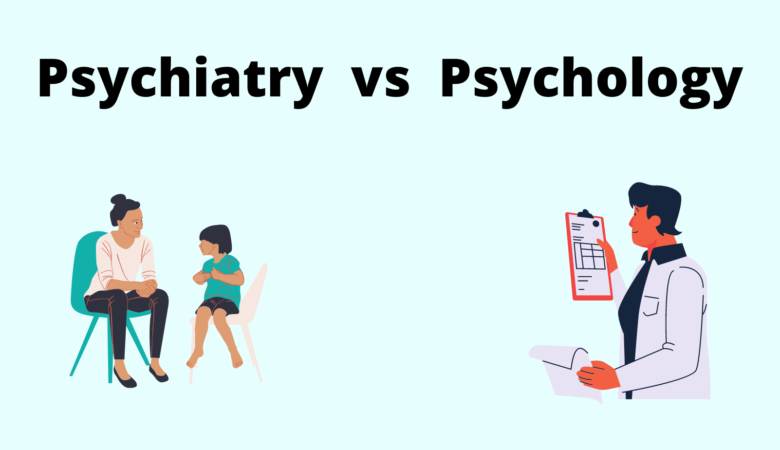
Understanding the intricacies of mental health care can be daunting, especially when it comes to distinguishing between psychiatry and psychology. Both fields play vital roles in supporting mental well-being, yet they have distinct educational paths, treatment approaches, and scopes of practice. This article will delve into the differences and similarities between psychiatry and psychology, helping you navigate the mental health landscape more effectively. What is Psychiatry? Definition and Scope Psychiatry is a branch of medicine focused on diagnosing, treating, and preventing mental, emotional, and behavioral disorders. Psychiatrists are medical doctors who can prescribe medication and offer a range of treatments for complex mental health conditions. Educational Path for Psychiatrists To become a psychiatrist, one must complete: A medical degree (MD or DO) A residency in psychiatry (typically four years) Board certification from the American Board of Psychiatry and Neurology (ABPN) Key Responsibilities of a Psychiatrist Psychiatrists are responsible for: Conducting medical and psychiatric evaluations Prescribing and managing medications Providing psychotherapy Developing treatment plans Collaborating with other healthcare professionals What is Psychology? Definition and Scope Psychology is the scientific study of the mind and behavior. Psychologists focus on understanding mental processes, emotional responses, and social behavior through various therapeutic techniques. Educational Path for Psychologists To become a psychologist, one must complete: A bachelor’s degree in psychology or a related field A doctoral degree (Ph.D. or Psy.D.) in psychology Postdoctoral supervised experience Licensure and certification specific to their state or country Key Responsibilities of a Psychologist Psychologists typically: Conduct psychological assessments and tests Provide psychotherapy and counseling Research mental health issues Develop treatment strategies Offer consultations to other professionals Historical Background Origins of Psychiatry Psychiatry emerged as a distinct medical field in the late 19th century. Early psychiatrists were known as “alienists” and primarily worked in asylums. Over time, the field evolved to include various treatment modalities and a deeper understanding of mental health disorders. Origins of Psychology Psychology has its roots in ancient philosophy but became a formal scientific discipline in the late 19th century with pioneers like Wilhelm Wundt and William James. The field has since expanded to include numerous subfields and applications. Evolution of Both Fields Over Time Both psychiatry and psychology have seen significant advancements, particularly in the 20th and 21st centuries. The development of new medications, therapeutic techniques, and a better understanding of the brain has greatly enhanced the effectiveness of mental health treatments. Differences in Education and Training Medical vs. Non-Medical Education Psychiatrists undergo medical training, including medical school and residency, which equips them to understand the biological aspects of mental health. Psychologists, however, focus on psychological theories and therapeutic techniques without medical training. Specializations Within Each Field Both fields offer various specializations: Psychiatry: Child and adolescent psychiatry, geriatric psychiatry, addiction psychiatry Psychology: Clinical psychology, counseling psychology, industrial-organizational psychology Certification and Licensure Requirements Psychiatrists require medical licensure and board certification, while psychologists must obtain licensure specific to their practice area and state. Continuing education is essential for both to maintain their credentials. Approaches to Treatment Psychiatric Methods Psychiatrists utilize a range of treatments, including: Medication: Antidepressants, antipsychotics, mood stabilizers Electroconvulsive Therapy (ECT): Used for severe depression and other conditions Psychotherapy: Often combined with medication for comprehensive care Psychological Methods Psychologists primarily use: Therapy: Cognitive-behavioral therapy (CBT), psychoanalysis, humanistic therapy Counseling: Addressing life issues, stress management, relationship problems Behavioral Interventions: Techniques to modify problematic behaviors Holistic Approaches in Both Fields Both psychiatrists and psychologists may incorporate holistic approaches, such as mindfulness, lifestyle changes, and complementary therapies, to enhance treatment outcomes. Overlap and Collaboration Areas of Commonality Psychiatrists and psychologists often share similar goals, such as improving mental health and well-being. They may use overlapping techniques like psychotherapy. Multidisciplinary Teams In many cases, mental health treatment involves multidisciplinary teams. Psychiatrists and psychologists collaborate with social workers, nurses, and other professionals to provide comprehensive care. Case Studies Showcasing Collaboration Case studies often illustrate successful collaborations, where a patient’s care plan includes both medication management by a psychiatrist and therapeutic sessions with a psychologist. Specializations Within Psychiatry Child and Adolescent Psychiatry Focused on diagnosing and treating mental health disorders in children and teenagers. Geriatric Psychiatry Specializes in the mental health of older adults, addressing issues like dementia and depression. Addiction Psychiatry Deals with substance use disorders and behavioral addictions, offering both medical and therapeutic interventions. Specializations Within Psychology Clinical Psychology Involves assessing and treating mental health disorders through various therapeutic techniques. Counseling Psychology Focuses on helping individuals cope with everyday life challenges and improving their well-being. Industrial-Organizational Psychology Applies psychological principles to workplace issues, enhancing productivity and employee satisfaction. Impact on Patient Care Psychiatric Impact on Mental Health Disorders Psychiatrists play a crucial role in managing severe mental health conditions, often through medication and medical interventions. Psychological Impact on Mental Health Disorders Psychologists contribute significantly through therapy and counseling, helping patients develop coping strategies and improve their mental health. Patient Success Stories Many patients experience significant improvements in their quality of life through the combined efforts of psychiatrists and psychologists. Current Trends and Innovations Advances in Psychiatric Medication New medications and personalized treatment plans are continually being developed, improving patient outcomes. Emerging Psychological Therapies Innovative therapies, such as virtual reality therapy and internet-based interventions, are expanding the reach and effectiveness of psychological treatment. Technology in Mental Health Care Technology, including telemedicine and mental health apps, is making mental health care more accessible and efficient. Challenges in Psychiatry Stigma Associated with Psychiatric Treatment Despite progress, stigma around mental health and psychiatric treatment persists, deterring many from seeking help. Ethical Dilemmas Psychiatrists often face ethical challenges, such as balancing patient autonomy with the need for treatment. Access to Care Access to psychiatric care can be limited, particularly in rural and underserved areas. Challenges in Psychology Misconceptions About Therapy There are many misconceptions about what therapy entails, which can prevent individuals from seeking psychological help. Ethical Considerations Psychologists must navigate ethical issues related to confidentiality, dual relationships, and informed consent. Funding and Resources Limited funding and resources can impact the availability and

The Role of Psychotherapy in Mental Health Treatment

In the realm of mental health treatment, psychotherapy stands as a cornerstone, offering individuals a path toward understanding, healing, and resilience. Also known as talk therapy or counseling, psychotherapy encompasses a diverse array of therapeutic approaches aimed at addressing emotional distress, psychological disorders, and life challenges. This essay explores the multifaceted role of psychotherapy in mental health treatment, examining its therapeutic techniques, benefits, and the transformative impact it can have on individuals’ lives. Psychotherapy Approaches and Techniques in Mental Health Treatment Cognitive-Behavioral Therapy (CBT): CBT is a widely used therapeutic approach that focuses on identifying and changing negative thought patterns and behaviors. By fostering awareness of distorted thinking and promoting adaptive responses, individuals learn to manage emotions and navigate challenges more effectively. Psychodynamic Therapy: Rooted in the teachings of Freud, psychodynamic therapy delves into unconscious processes and unresolved conflicts. It aims to bring hidden aspects of the psyche into awareness, fostering insight and understanding that can lead to emotional healing. Humanistic Therapy in Mental Health Treatment: Humanistic approaches, such as person-centered therapy, emphasize the inherent value and potential for growth within each individual. Therapists provide a non-judgmental and empathetic space, empowering clients to explore their feelings, values, and personal goals. Mindfulness-Based Therapies: Techniques derived from mindfulness practices, such as Mindfulness-Based Stress Reduction (MBSR) and Dialectical Behavior Therapy (DBT), focus on cultivating present-moment awareness. These approaches help individuals manage stress, regulate emotions, and enhance overall well-being. Interpersonal Therapy (IPT): IPT addresses the impact of interpersonal relationships on mental health Treatment. By exploring and improving communication patterns, interpersonal therapy helps individuals navigate relationship challenges, grief, and life transitions. Benefits of Psychotherapy in Mental Health Treatment Emotional Resilience: Psychotherapy equips individuals with coping skills and emotional resilience to navigate life’s challenges. By learning to understand and manage their emotions, clients can develop a robust capacity to bounce back from setbacks. Improved Self-Understanding: Engaging in therapy provides individuals with an opportunity for self-reflection and exploration. Increased self-awareness allows clients to better understand the root causes of their challenges, fostering personal growth and a deeper connection with oneself. Enhanced Coping Strategies: Psychotherapy equips individuals with practical coping strategies to manage stress, anxiety, and depression. Clients learn adaptive ways to respond to difficult situations, reducing reliance on maladaptive coping mechanisms. Effective Problem-Solving: Therapy provides a structured space for problem-solving. Individuals can explore different perspectives and work collaboratively with their therapists to identify and implement solutions to life’s challenges. Empowerment and Autonomy: Psychotherapy empowers individuals to take an active role in their mental health. By gaining insights into their thoughts, emotions, and behaviors, clients develop a sense of agency and autonomy, allowing them to make informed choices and pursue positive change. Integration with Medication: Complementary Approach: Psychotherapy is often integrated with medication for individuals with mental health disorders. This combination offers a holistic approach, addressing both the biological and psychological aspects of mental health Treatment. Psychotherapy can enhance the effectiveness of medication and promote long-term well-being. Reducing Reliance on Medication: In some cases, psychotherapy can help individuals reduce their reliance on medication or transition to lower doses. The skills learned in therapy, such as stress management and emotion regulation, contribute to maintaining mental health without solely relying on pharmacological interventions. Cultural Sensitivity and Inclusivity: Tailoring Approaches: Psychotherapists recognize the importance of cultural sensitivity and inclusivity. Therapeutic approaches may be tailored to align with the cultural background and values of clients, fostering a safe and supportive environment for diverse populations. Addressing Stigma: Psychotherapy plays a crucial role in challenging and dismantling mental health stigma. By fostering open and non-judgmental conversations, therapists contribute to creating a more accepting society that encourages seeking help for mental health Treatment. Conclusion: Choose Cordial Psychiatry Psychotherapy serves as a beacon of hope and transformation in the landscape of mental health treatment. Through a myriad of therapeutic approaches, psychotherapy empowers individuals to navigate the complexities of their inner worlds, fostering emotional resilience, self-understanding, and effective coping strategies. As the field continues to evolve, the integration of psychotherapy with other modalities and a commitment to cultural sensitivity contribute to its ongoing relevance in promoting mental health and well-being. In the dialogue between therapist and client, a powerful journey unfolds—one that leads towards healing, growth, and the restoration of a meaningful and fulfilling life.

Suscríbase a nuestro Boletín

Formulario de suscripción

No sufra en silencio: póngase en contacto con nosotros hoy mismo para iniciar su camino hacia una vida más sana y feliz.

Información de contacto