

What is Talk Therapy? Meaning & Benefits Explained
What is Talk Therapy is a commonly asked question among people seeking emotional support, mental clarity, and effective treatment for mental health conditions. Talk therapy is a structured form of psychological treatment where individuals speak with a trained therapist to explore thoughts, emotions, and behaviors.
In simple terms, talk therapy meaning refers to a healing process where conversation becomes the main tool for improving mental well-being. It helps people understand their challenges, develop coping skills, and create healthier thought patterns.
What is Talk Therapy (Meaning Explained)
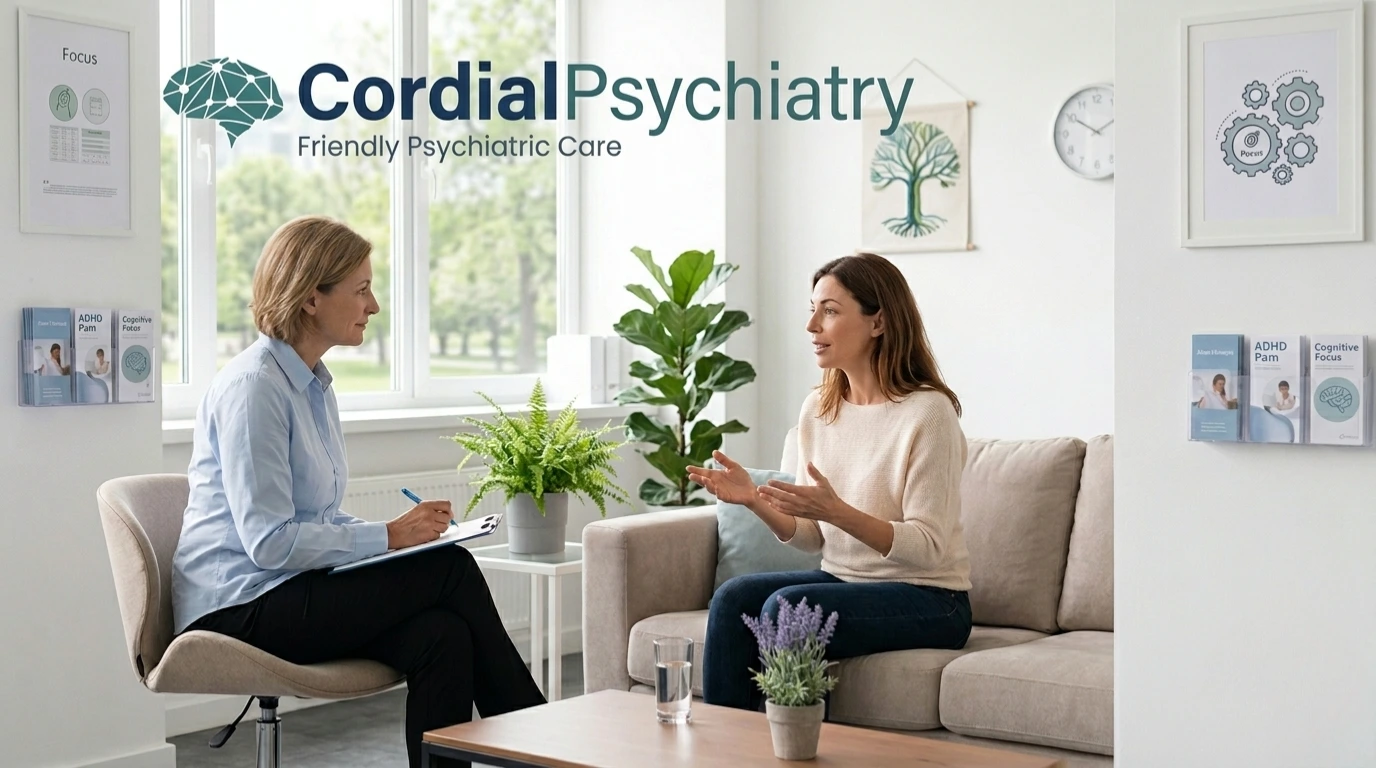
What is talk therapy can be defined as a professional therapeutic approach where patients discuss their feelings and life difficulties with a licensed therapist or counselor. The goal is to improve emotional health and support positive behavioral change.
Unlike casual conversations with friends, talk therapy is guided by psychological techniques and evidence-based practices. It provides a safe, confidential space where individuals can express themselves freely without judgment.
The talk therapy meaning also includes emotional healing, problem-solving, and self-awareness development through guided communication.
Types of Talk Therapy
There are several types of talk therapy, and each approach is designed to help with different emotional, behavioral, and psychological challenges. A therapist chooses the right method based on a person’s specific needs, symptoms, and goals.
Cognitive Behavioral Therapy (CBT)
Cognitive Behavioral Therapy, commonly known as CBT, is one of the most widely used and effective forms of talk therapy. It is based on the idea that our thoughts, feelings, and behaviors are closely connected.
In CBT, the therapist helps individuals identify negative or unhelpful thought patterns that may be causing emotional distress. For example, someone with anxiety may constantly expect the worst in situations. CBT works on challenging these thoughts and replacing them with more balanced and realistic thinking.
This approach is commonly used for anxiety, depression, stress, panic disorders, and even phobias. It is usually structured, goal-oriented, and focused on practical solutions.
Psychodynamic Therapy
Psychodynamic therapy focuses on understanding how past experiences, especially from childhood, influence current thoughts, emotions, and behavior.
In this type of talk therapy, individuals explore deep emotional patterns and unconscious thoughts that may be affecting their present life. The therapist helps the person recognize hidden feelings, unresolved conflicts, and repeated relationship patterns.
This approach is often helpful for people who want to gain deeper self-awareness and understand the root cause of their emotional struggles, rather than just managing symptoms.
Humanistic Therapy
Humanistic therapy is centered around personal growth, self-acceptance, and self-discovery. It focuses on the belief that every person has the ability to grow, heal, and reach their full potential.
In sessions, the therapist provides a supportive and non-judgmental environment where individuals feel heard and accepted. This helps people become more aware of their true feelings and values.
It is especially helpful for individuals dealing with low self-esteem, lack of direction in life, or emotional dissatisfaction.
Dialectical Behavior Therapy (DBT)
Dialectical Behavior Therapy, or DBT, is a structured form of therapy that helps people manage intense emotions and improve emotional control.
It is especially effective for individuals who struggle with self-destructive behaviors, mood instability, or borderline personality disorder. DBT teaches practical skills such as emotional regulation, distress tolerance, mindfulness, and improving interpersonal relationships.
The main goal is to help individuals find balance between accepting their emotions and making positive changes in their behavior.
Interpersonal Therapy (IPT)
Interpersonal Therapy focuses on improving how a person interacts and communicates with others. It is based on the idea that relationship problems can strongly affect mental health.
In IPT, the therapist helps individuals identify issues in their relationships, such as conflicts, communication gaps, grief, or social isolation. The therapy then works on building healthier communication patterns and improving relationship quality.
It is commonly used for depression and relationship-related emotional difficulties.
Benefits of Talk Therapy
The benefits of talk therapy are wide-ranging and can significantly improve a person’s emotional well-being, thinking patterns, and overall quality of life. It not only helps in managing mental health conditions but also supports long-term personal growth and stability.
Emotional Healing
One of the most important benefits of talk therapy is emotional healing. Many people carry unresolved pain from past experiences such as trauma, loss, or stressful life events.
Talk therapy provides a safe and supportive space where individuals can express these emotions freely. By talking through difficult experiences, they are able to process their feelings in a healthy way instead of suppressing them, which leads to emotional relief and healing over time.
Better Stress Management
Talk therapy also helps individuals manage daily stress more effectively. Life challenges such as work pressure, financial concerns, or personal conflicts can often feel overwhelming.
Through therapy, people learn practical coping strategies to handle stress in a calmer and more balanced way. It helps them respond to difficult situations with clarity rather than emotional reaction, reducing overall anxiety levels.
Improved Self-Awareness
Another key benefit of talk therapy is improved self-awareness. Many people are not fully aware of how their thoughts influence their emotions and behaviors.
Therapy helps individuals recognize negative thinking patterns, emotional triggers, and behavioral habits. This awareness is the first step toward making positive changes and developing a healthier mindset.
Stronger Relationships
Talk therapy can significantly improve the quality of personal and professional relationships. Communication problems, misunderstandings, and emotional reactions often create distance between people.
In therapy, individuals learn how to express themselves more clearly, listen better, and manage conflict in a healthy way. As a result, relationships become more stable, respectful, and emotionally fulfilling.
Mental Health Support
Talk therapy is highly effective in supporting and treating various mental health conditions such as depression, anxiety, PTSD, and mood disorders.
It does not only focus on reducing symptoms but also addresses the root causes of emotional distress. With consistent sessions, individuals often experience improved mood stability, better emotional control, and a stronger sense of mental balance.
Talk Therapy vs Psychotherapy
The comparison of talk therapy vs psychotherapy often creates confusion because the two terms are closely related and sometimes used interchangeably. However, they are not exactly the same.
Talk therapy is a general term used for any type of mental health treatment that involves verbal communication between a client and a therapist. In this approach, individuals talk about their emotions, thoughts, behaviors, and life challenges in a structured and supportive environment. The main focus is on conversation as a tool for healing and self-understanding.
On the other hand, psychotherapy is a broader clinical term that includes a wide range of psychological treatments used to address emotional and mental health conditions. It involves different therapeutic methods and techniques, one of which is talk therapy. To better understand these approaches, you can explore the different types of psychotherapy, each designed to address specific mental health needs and treatment goals.
In simple terms:
- Talk therapy is one form of psychotherapy
- Psychotherapy includes multiple treatment approaches beyond just talking
Both talk therapy and psychotherapy aim to improve mental health, emotional balance, and overall quality of life. The main difference lies in scope , psychotherapy is the umbrella term, while talk therapy is a specific approach within it.
FAQs
1. What is talk therapy used for?
What is talk therapy used for includes treating anxiety, depression, stress, trauma, relationship issues, and emotional difficulties.
2. How effective is talk therapy?
Talk therapy is highly effective when done consistently. It helps individuals develop coping skills and improve emotional health over time.
3. How long does talk therapy take?
The duration depends on individual needs. Some people improve in a few sessions, while others may need long-term therapy.
4. Is talk therapy the same as psychotherapy?
Talk therapy is a part of psychotherapy, but psychotherapy is a broader term that includes multiple treatment methods.
5. How do I start talk therapy?
To start talk therapy, you can contact a licensed therapist or mental health clinic and schedule an initial consultation session.