
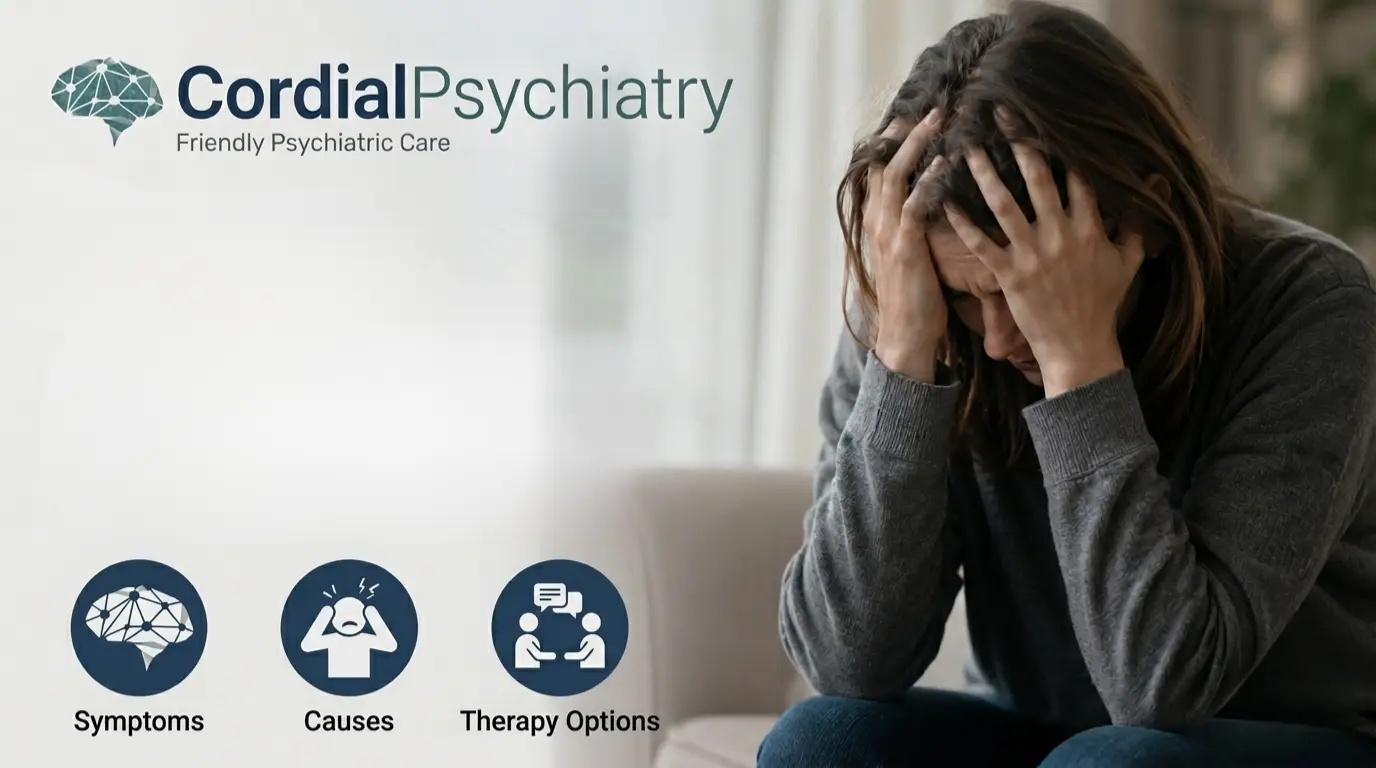
What Is PTSD? Symptoms, Causes & Therapy Options Explained
Traumatic experiences can deeply affect a person’s emotional well-being, but for some individuals, the impact does not fade with time. Instead, distressing memories, recurring nightmares, and persistent anxiety may continue for weeks, months, or even longer, interfering with daily life and overall functioning. When these symptoms persist after a traumatic event, they may be signs of post traumatic stress disorder (PTSD).
Understanding what is PTSD, why it develops, and how it can be treated is essential for early recognition and recovery. With the right support and evidence-based treatment, individuals experiencing PTSD can manage symptoms effectively and gradually regain control over their lives.
What Is PTSD?
If you have ever wondered what is PTSD, the term stands for Post-Traumatic Stress Disorder, a mental health condition that may develop after a person experiences or witnesses a traumatic event. The PTSD meaning refers to a pattern of emotional, psychological, and physical symptoms triggered by trauma that continue long after the event has ended.
The post traumatic stress disorder meaning is not simply feeling stressed or upset after something frightening. It involves ongoing reactions that can affect work, relationships, sleep, concentration, and overall quality of life. While many people recover naturally after a difficult experience, others develop symptoms that persist and require professional care.
In simple terms, PTSD explained means that the brain and body continue responding as though danger is still present, even when the traumatic event is over.
How PTSD Develops After Trauma
Trauma affects people differently. A serious accident, violent assault, military combat, natural disaster, or other overwhelming event can trigger intense emotional and physical responses. For many individuals, these reactions gradually lessen over time. However, in PTSD, the brain continues to react strongly to reminders of the trauma.
Researchers believe that changes in stress responses, memory processing, and emotional regulation contribute to the condition. Genetics, previous traumatic experiences, lack of social support, and existing mental health concerns may also increase the likelihood of developing PTSD.
It is important to remember that PTSD is not a sign of weakness. It is a recognized medical condition that can affect people from all backgrounds and age groups.
PTSD Causes
There is no single cause of PTSD, but several types of traumatic experiences have been linked to its development. Common PTSD causes include:
- Military combat and exposure to war.
- Physical, emotional, or sexual assault.
- Serious car accidents or workplace injuries.
- Natural disasters such as floods, earthquakes, or hurricanes.
- Childhood abuse or neglect.
- Domestic violence.
- Witnessing violence or the sudden death of another person.
- Medical emergencies or life-threatening illnesses.
- Terrorist attacks or mass casualty events.
Not everyone who experiences trauma develops PTSD. Factors such as the severity of the event, previous trauma, personal resilience, access to support, and timely intervention may influence recovery.
PTSD Symptoms
Recognizing PTSD symptoms early can make it easier to seek appropriate treatment. Symptoms generally fall into four main categories.
Intrusive Memories
Many individuals experience unwanted memories that repeatedly return without warning. These may include:
- Flashbacks that make the event feel as though it is happening again.
- Disturbing dreams or nightmares.
- Emotional distress when reminded of the trauma.
- Strong physical reactions, such as sweating or a racing heartbeat.
Avoidance Behaviors
People with PTSD often avoid reminders of their traumatic experience by:
- Staying away from certain places or situations.
- Avoiding conversations about the event.
- Suppressing memories or emotions connected to the trauma.
Negative Changes in Mood and Thinking
PTSD can alter the way a person views themselves, others, and the world. Common changes include:
- Persistent guilt or shame.
- Feelings of hopelessness.
- Difficulty experiencing positive emotions.
- Loss of interest in activities once enjoyed.
- Trouble remembering parts of the traumatic event.
Increased Arousal and Reactivity
The body’s stress response may remain constantly activated, leading to:
- Being easily startled.
- Hypervigilance or constantly feeling on guard.
- Difficulty concentrating.
- Sleep disturbances.
- Irritability or angry outbursts.
- Risk-taking or self-destructive behavior in some cases.
Symptoms that continue for more than a month and interfere with daily functioning should be evaluated by a qualified healthcare professional.
Who Can Develop PTSD?
PTSD can affect virtually anyone. Although it is often associated with military veterans, many other groups may experience it, including:
- Children and teenagers.
- Survivors of abuse or violence.
- Emergency responders.
- Healthcare professionals exposed to traumatic situations.
- Survivors of natural disasters.
- Individuals involved in serious accidents.
- People who witness traumatic events involving loved ones.
Age, gender, occupation, or background do not determine whether someone can develop PTSD.
How PTSD Affects Daily Life
Untreated PTSD can have significant effects beyond emotional distress. Many people struggle with maintaining relationships, performing at work or school, and participating in social activities.
Sleep disruption may lead to chronic fatigue, while concentration difficulties can reduce productivity. Some individuals isolate themselves from family and friends or avoid activities they once enjoyed. Others may develop depression, anxiety, or substance misuse as they attempt to cope with overwhelming emotions.
Because PTSD symptoms vary widely, professional assessment is important to identify each person’s unique challenges and treatment needs.
The good news is that effective PTSD treatment is available, and many people experience significant improvement with the right combination of therapies and support.
One of the most effective approaches is psychotherapy, where individuals work with a trained mental health professional to process trauma, understand emotional responses, and develop healthier coping strategies. This structured support helps reduce the intensity of symptoms over time and improves daily functioning.
A widely used method is Cognitive Behavioral Therapy (CBT), which focuses on identifying and changing negative thought patterns linked to trauma. Another highly effective treatment is EMDR therapy, which helps the brain reprocess traumatic memories in a way that reduces emotional distress.
In some cases, individuals with PTSD , especially those who experience intense emotional reactions, mood instability, or difficulty managing stress ,may also benefit from skills-based approaches such as Dialectical Behavior Therapy (DBT). DBT is particularly helpful because it focuses on building emotional regulation skills, improving distress tolerance, developing mindfulness, and strengthening healthier interpersonal relationships. These skills can be especially useful when trauma triggers feel overwhelming or difficult to control.
Medication may also be recommended by healthcare professionals in certain situations to help manage symptoms such as anxiety, depression, or sleep disturbances. However, medication is typically most effective when combined with psychotherapy rather than used alone.
If you want to understand how different therapeutic approaches work in more detail, exploring types of psychotherapy can give a broader understanding of evidence-based mental health treatments and how they are applied in conditions like PTSD.
Medication
Healthcare providers may prescribe medications to reduce symptoms such as anxiety, depression, sleep problems, or intrusive thoughts. Medication decisions should always be individualized and monitored by a licensed professional.
Lifestyle and Self-Care Strategies
Healthy daily habits can complement professional treatment. These may include:
- Regular physical activity.
- Consistent sleep schedules.
- Stress management techniques.
- Balanced nutrition.
- Avoiding alcohol or recreational drug misuse.
- Building supportive social connections.
While self-care is valuable, it should not replace evidence-based treatment for persistent or severe symptoms.
PTSD and Anxiety: Understanding the Connection
PTSD and anxiety share several overlapping features, including excessive worry, panic, restlessness, and heightened alertness. However, PTSD specifically develops following exposure to trauma and includes symptoms such as flashbacks and trauma-related avoidance.
Readers seeking a broader understanding of anxiety-related conditions may find additional context in What is Anxiety?, which explains how anxiety disorders differ from trauma-related disorders while highlighting some common symptoms.
When Should Someone Seek Help?
Professional evaluation should be considered if symptoms:
- Last longer than one month.
- Cause distress at work, school, or home.
- Lead to social withdrawal.
- Interfere with sleep or daily functioning.
- Include thoughts of self-harm or hopelessness.
- Become increasingly severe over time.
Early intervention may improve recovery and reduce the long-term impact of PTSD.
Living With PTSD and Moving Toward Recovery
Recovery from PTSD looks different for every individual. Some people improve within months, while others require longer-term treatment and ongoing support. Progress often involves learning practical coping skills, strengthening relationships, and gradually reducing the emotional impact of traumatic memories.
Support from family members, friends, therapists, and healthcare providers can make a significant difference. Joining peer support groups or community programs may also help individuals feel less isolated during recovery.
Importantly, many people with PTSD lead fulfilling, productive lives after receiving appropriate care.
Conclusion
Understanding what is PTSD is an important step toward recognizing the effects of trauma and encouraging timely treatment. PTSD is a legitimate mental health condition that can develop after deeply distressing experiences and may include intrusive memories, avoidance behaviors, mood changes, and heightened alertness.
The good news is that effective PTSD treatment options exist. Through evidence-based psychotherapy, appropriate medical care, and supportive coping strategies, many individuals experience substantial improvement and regain control over their lives. Anyone experiencing persistent PTSD symptoms should consider consulting a qualified mental health professional for a comprehensive evaluation and personalized treatment plan.
Frequently Asked Questions
1. What are the most common PTSD symptoms?
Common PTSD symptoms include intrusive memories, nightmares, flashbacks, emotional numbness, avoidance of reminders, hypervigilance, irritability, sleep problems, and difficulty concentrating.
2. What causes PTSD?
PTSD causes include military combat, abuse, serious accidents, natural disasters, violent crime, childhood trauma, medical emergencies, and witnessing life-threatening events.
3. Can PTSD be treated successfully?
Yes. Many people improve with evidence-based psychotherapy, medication when appropriate, and supportive lifestyle strategies tailored to their individual needs.
4. Is PTSD the same as anxiety?
No. Although PTSD and anxiety can share similar symptoms, PTSD develops after exposure to trauma and includes unique features such as flashbacks and trauma-related avoidance.
5. Can children develop PTSD?
Yes. Children and adolescents can develop PTSD after traumatic experiences, although their symptoms may appear differently than those seen in adults.
7. How long does PTSD last?
The duration varies from person to person. Some individuals recover within months, while others may experience symptoms for years without appropriate treatment.
8. When should someone seek professional help for PTSD?
Anyone whose symptoms persist for more than a month, interfere with daily life, or significantly affect relationships, work, or emotional well-being should seek evaluation from a qualified healthcare provider.
