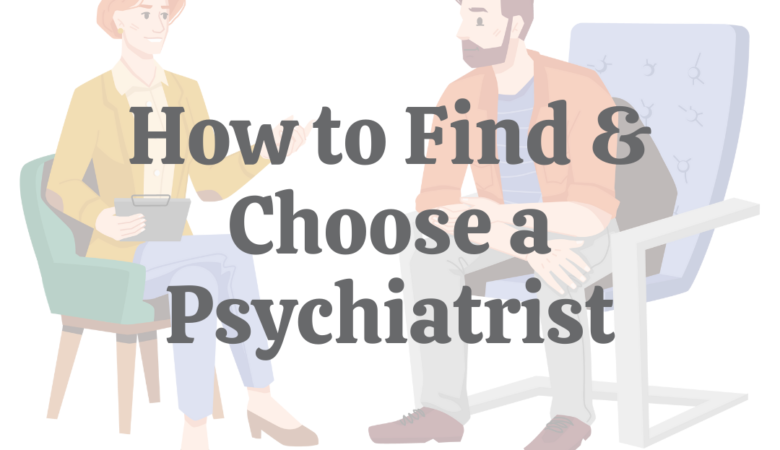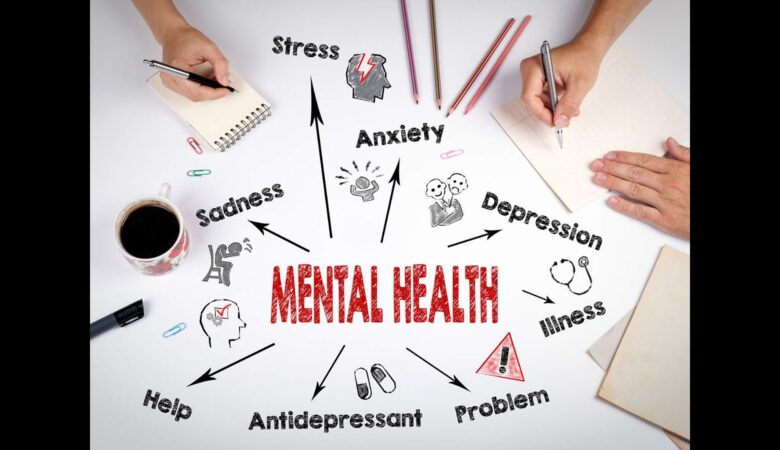
How to Find the Perfect Therapist: A Checklist for Success

At Cordial Psychiatry, located conveniently near Yonkers, NY, we understand that finding the right therapist is one of the most important decisions you can make for your mental health. Whether you’re seeking therapy for anxiety, depression, trauma, relationship issues, or personal growth, choosing a therapist who truly fits your needs can make all the difference in your healing journey. This comprehensive guide provides a step-by-step checklist to help you navigate the process and make an informed, confident choice when selecting your mental health provider. Why Choosing the Right Therapist Matters Therapy is a deeply personal experience. The relationship between you and your therapist is the foundation of your progress. A strong therapeutic alliance builds trust, promotes healing, and enhances treatment outcomes. If the therapist is not a good match, it may lead to frustration, lack of progress, or early termination of therapy. Therefore, investing the time to find the right professional upfront is crucial to your success. ✅ Step-by-Step Checklist to Find the Perfect Therapist 1. Identify Your Needs and Goals Before starting your search, get clear on: What issues you’re facing (e.g., anxiety, PTSD, grief, relationship conflict) Whether you prefer short-term problem-solving therapy or long-term depth work Your goals (e.g., symptom relief, behavior change, self-exploration) Knowing what you want helps narrow down the right type of therapy and specialist. 2. Choose the Right Type of Therapy There are many therapeutic approaches. Some of the most effective evidence-based options include: Cognitive Behavioral Therapy (CBT) – great for anxiety, depression, OCD Dialectical Behavior Therapy (DBT) – ideal for emotional regulation, BPD Psychodynamic Therapy – explores unconscious patterns and past experiences EMDR (Eye Movement Desensitization and Reprocessing) – used for trauma Couples and Family Therapy – focused on relationship dynamics Mindfulness-Based Therapies – incorporate meditation and stress reduction Each approach works best for specific issues, so choose one aligned with your goals. 3. Research Credentials and Licensure Make sure your therapist is: Licensed (LPC, LCSW, LMFT, PsyD, PhD, MD) In good standing with their state board Affiliated with recognized professional associations (e.g., APA, NASW) Credentials ensure proper education, training, and ethical standards. 4. Consider Specializations and Experience Look for therapists who specialize in your area of concern. For example: A trauma-informed therapist for PTSD A child psychologist for youth issues An LGBTQ+ affirming provider for gender identity support Also, consider their years in practice. A therapist who has worked with similar clients may provide deeper insights and more effective strategies. 5. Review Availability, Location, and Format Think about logistics: Do they offer in-person, telehealth, or hybrid sessions? Are they located conveniently near your home or work? If you’re searching for a therapist in Yonkers, NY, Cordial Psychiatry offers accessible, flexible mental health care with both virtual and in-office appointments to serve the greater Westchester area and surrounding communities. 6. Check Insurance and Pricing Therapy is an investment in your well-being, but it’s also important to ensure affordability. Ask: Do they accept your insurance? What is the out-of-pocket rate? Do they offer a sliding scale? Transparent pricing avoids stress and supports long-term treatment. 7. Read Reviews and Get Referrals Check: Online directories like Psychology Today Google or Yelp reviews Referrals from your primary care provider or friends Personal recommendations can provide valuable insight into a therapist’s style and success. 8. Schedule a Consultation Most therapists offer a brief free consultation. Use this time to: Ask about their approach and experience Share your concerns and goals Evaluate how comfortable you feel talking to them This first interaction is a great indicator of your comfort and connection. 9. Trust Your Gut Above all else, listen to your instincts. You should feel: Heard and respected Safe and not judged Encouraged and supported A strong therapist-client relationship is built on trust, empathy, and genuine rapport. Red Flags to Watch Out For Avoid therapists who: Don’t listen or talk over you Make you feel judged or blamed Have unclear boundaries or unethical behavior Are unlicensed or vague about their methods Your therapist should be a trusted, skilled guide, not a source of confusion or discomfort. At Cordial Psychiatry, We Make Therapy Easy to Access and Effective Our clinic proudly serves Yonkers, NY, and the surrounding Westchester County community. We are committed to: Matching clients with highly trained, compassionate therapists Offering specialized care for anxiety, depression, trauma, and more Providing virtual and in-person appointments in a safe, supportive environment With evidence-based treatment plans and culturally responsive care, we help you achieve meaningful and lasting change. FAQs About Finding the Perfect Therapist What is the most important factor when choosing a therapist? The most crucial factor is the therapeutic alliance—the connection, trust, and collaboration between you and the therapist. Research shows this relationship strongly impacts outcomes. Should I try more than one therapist before choosing? Yes. It’s completely acceptable to meet with several therapists before committing. You deserve to find the right match for your needs and personality. Can I switch therapists if it’s not working? Absolutely. Therapy should be helpful. If it’s not, don’t hesitate to explore other options. A good therapist will support your decision. Does therapy always work? When there is a strong fit and consistent engagement, therapy is highly effective. However, it takes time, effort, and the right match to see results. What if I’ve had a bad experience with therapy before? Past negative experiences can make it hard to trust again, but the right therapist can help you heal even those wounds. Don’t give up—there is a perfect therapist out there for you. Cordial Psychiatry is Here for You in Yonkers, NY If you’re located in or around Yonkers, NY, and looking for a therapist who truly understands and supports your mental health needs, Cordial Psychiatry is here to help. We provide personalized care, expert guidance, and a compassionate space for healing. We believe therapy should be a transformative experience, not just for healing but for thriving. Let us walk this journey with you.

Psychiatry Yonkers, NY – All You Need to Know About Psychiatric Treatment

Welcome to Cordial Psychiatry, your trusted destination for comprehensive psychiatric treatment in Yonkers, NY. Located at 45 Ludlow St Ste 402, Yonkers, NY 10705, and reachable at +1 914 570 9000, we offer expert mental health services with compassion, professionalism, and confidentiality. If you or your loved one is struggling with emotional or behavioral challenges, our team is here to help. What Is Psychiatry? Psychiatry is a branch of medicine focused on the diagnosis, treatment, and prevention of mental, emotional, and behavioral disorders. Psychiatrists are licensed medical doctors who can prescribe medications, offer psychotherapy, and recommend individualized treatment plans. At Cordial Psychiatry, we address a wide range of psychiatric conditions using evidence-based approaches designed for each patient’s unique needs. Why Choose Cordial Psychiatry in Yonkers, NY? Choosing the right psychiatric care provider is crucial. Here’s why Cordial Psychiatry stands out: Board-certified psychiatrists with years of clinical expertise Personalized treatment plans tailored to your needs Medication management with close monitoring and adjustments Supportive and confidential environment Telepsychiatry services available Conveniently located at 45 Ludlow St Ste 402, Yonkers, NY 10705 We’re committed to helping you or your loved one achieve mental well-being and a better quality of life. Comprehensive Psychiatric Services We Offer Depression Treatment Depression can severely impact daily life. We offer holistic treatment for depression, combining medication, therapy, and lifestyle changes to support your recovery. Anxiety Disorder Management Our specialists provide thorough treatment for anxiety disorders, including generalized anxiety, panic attacks, and phobias, using cognitive-behavioral therapy (CBT), medication, and relaxation techniques. Bipolar Disorder Treatment We manage bipolar disorder with a combination of mood stabilizers, antipsychotic medications, and ongoing counseling to promote stability and prevent episodes. ADHD Diagnosis and Treatment Adults and children struggling with Attention-Deficit/Hyperactivity Disorder (ADHD) can find personalized assessment and treatment, including behavioral therapy and stimulant or non-stimulant medications. Schizophrenia and Psychotic Disorders Our clinic provides expert care for schizophrenia, involving antipsychotic medication, psychotherapy, and social support to help patients manage symptoms and lead meaningful lives. PTSD and Trauma-Related Disorders We specialize in treating Post-Traumatic Stress Disorder (PTSD) using EMDR, trauma-informed care, and medications that help manage intrusive memories, flashbacks, and anxiety. Substance Use and Dual Diagnosis Cordial Psychiatry also addresses co-occurring disorders, where addiction is present alongside mental illness. We offer integrative treatment for both conditions simultaneously. The Process of Psychiatric Treatment at Cordial Psychiatry Initial Psychiatric Evaluation Your journey begins with a comprehensive evaluation involving medical history, current symptoms, psychological assessments, and a discussion of goals. This helps us build an accurate diagnosis and plan. Diagnosis and Personalized Treatment Planning Based on the evaluation, we provide a clear diagnosis and a detailed treatment plan. This may include medication, therapy, or both, depending on your needs. Medication Management We offer continuous medication monitoring, adjusting dosages and medications as necessary to optimize results and minimize side effects. Therapeutic Interventions Our clinic provides a variety of psychotherapy options, including CBT, dialectical behavior therapy (DBT), supportive therapy, and family therapy. What to Expect from Your Visit A safe and welcoming environment Private consultations with experienced psychiatrists Clear communication about diagnosis and treatment options Support in navigating insurance and scheduling follow-ups Whether you’re seeking help for the first time or transitioning from another provider, our team ensures smooth and supportive care. Benefits of Receiving Psychiatric Care in Yonkers, NY Improved mental clarity and emotional balance Reduction in distressing symptoms like anxiety or depression Better relationships and social functioning Greater ability to function at work or school A healthier lifestyle and improved sleep patterns Mental health treatment can transform lives—don’t delay getting the help you deserve. Conditions We Treat at Cordial Psychiatry Major Depressive Disorder Generalized Anxiety Disorder Panic Disorder Bipolar Disorder Obsessive-Compulsive Disorder (OCD) Bipolar I & II PTSD Schizophrenia ADHD (Children & Adults) Substance Abuse with Co-occurring Disorders Personality Disorders Meet Our Experienced Team At Cordial Psychiatry, our board-certified psychiatrists and licensed mental health professionals are dedicated to delivering compassionate, evidence-based care. We stay updated with the latest psychiatric advancements to offer the best possible outcomes. Telepsychiatry Services Available Can’t make it to the clinic? Our telepsychiatry services provide virtual appointments via secure video, ensuring accessibility and convenience. Whether you’re home, at work, or in transit, help is just a click away. Insurance and Payment Options We accept a range of insurance plans and offer flexible self-pay options. Contact our office at +1 914 570 9000 to confirm your coverage or discuss your billing options. Emergency and Crisis Support If you or someone you know is experiencing a psychiatric emergency, please call 911 or visit the nearest emergency room. While we do not provide emergency crisis care, we work closely with local hospitals to coordinate care post-stabilization. Frequently Asked Questions (FAQs) How do I know if I need to see a psychiatrist? If you’re experiencing persistent sadness, anxiety, mood swings, or difficulty functioning in daily life, it’s wise to consult a psychiatrist for an evaluation. What is the difference between a psychologist and a psychiatrist? Psychiatrists are medical doctors who can prescribe medication, while psychologists focus more on therapy and behavioral interventions. We often work collaboratively with both. Is medication always required? Not always. Some conditions respond well to therapy alone. Your psychiatrist will discuss the best treatment options for your condition and comfort level. How long does psychiatric treatment take? The duration varies. Some patients need short-term treatment, while others benefit from ongoing care. We provide individualized treatment plans with periodic reviews. Is your clinic confidential? Absolutely. We adhere to all HIPAA regulations to ensure your privacy and confidentiality at all times. Contact Us Today for Expert Psychiatric Care in Yonkers If you or a loved one needs support with mental health, don’t wait. Contact Cordial Psychiatry at: 📍 Address: 45 Ludlow St Ste 402, Yonkers, NY 10705📞 Phone: +1 914 570 9000 Take the first step toward mental wellness and schedule your consultation today.

Westchester County Psychiatric Services: Everything You Need to Know About Treatment Options

At Cordial Psychiatry, we are proud to be a trusted name in mental health care across Westchester County, including Yonkers, Botox, and surrounding areas. Our expert psychiatric team offers comprehensive services that cater to a wide range of mental health needs with a focus on compassion, professionalism, and personalized treatment plans. Whether you’re facing anxiety, depression, mood disorders, or more complex psychiatric conditions, our goal is to guide you through evidence-based treatment options that can restore your mental well-being and help you thrive. What Are Psychiatric Services? Psychiatric services encompass a broad range of treatments and therapies designed to diagnose, treat, and manage mental health disorders. At Cordial Psychiatry, we offer: Diagnostic Evaluations Medication Management Individual Psychotherapy Couples and Family Therapy Crisis Intervention Support for Substance Use and Addiction These services are customized for each patient, ensuring that your specific mental health concerns are addressed with the right tools and treatments. Who Can Benefit from Psychiatric Services in Westchester County? Our services are ideal for individuals experiencing: Anxiety Disorders (GAD, Panic Disorder, Phobias) Depressive Disorders Bipolar Disorder Schizophrenia PTSD and Trauma-Related Disorders ADHD OCD Substance Use Disorders Personality Disorders If you’ve noticed prolonged sadness, mood instability, overwhelming stress, or behavioral changes, it may be time to seek professional psychiatric care. Treatment Options Available at Cordial Psychiatry Psychiatric Evaluations and Diagnosis We begin your journey with a thorough psychiatric evaluation. This includes clinical interviews, review of personal and medical history, and standardized assessment tools. This step is essential for crafting an effective and personalized treatment plan. Medication Management Our board-certified psychiatrists specialize in medication therapy, including antidepressants, mood stabilizers, antipsychotics, and more. We monitor your progress regularly and adjust prescriptions to ensure optimal outcomes with minimal side effects. Psychotherapy and Counseling We provide several therapy modalities including: Cognitive Behavioral Therapy (CBT) Dialectical Behavioral Therapy (DBT) Psychodynamic Therapy Supportive Therapy These approaches address behavioral patterns, emotional regulation, and trauma recovery. Dual Diagnosis and Addiction Psychiatry For those struggling with both mental health and substance use, we offer integrated treatment for co-occurring disorders, combining medication, therapy, and lifestyle support. Child and Adolescent Psychiatry Young patients face unique mental health challenges. We provide age-appropriate treatment for ADHD, anxiety, autism spectrum disorders, and behavioral issues in children and teens. Geriatric Psychiatry Seniors often suffer from underdiagnosed mental health conditions. We offer specialized services for elderly patients dealing with dementia, depression, and age-related cognitive changes. Benefits of Choosing Cordial Psychiatry in Westchester County Experienced and licensed providers Flexible scheduling options Telepsychiatry services available Culturally sensitive and multilingual care Collaborative treatment planning Insurance and self-pay options Whether you are in Yonkers, Botox, or surrounding Westchester neighborhoods, we’re here to help you get back to your best self. Telepsychiatry Services in Westchester County We understand that life can be hectic or that some might struggle with transportation and mobility. That’s why we proudly offer telepsychiatry—real-time, HIPAA-compliant psychiatric services delivered through video calls. All you need is a stable internet connection and a private space. Telehealth is ideal for: Follow-up appointments Medication refills Therapy sessions Initial consultations for new patients This ensures access to quality psychiatric care from the comfort of your home. How to Know When You Need Psychiatric Help Seeking psychiatric help is not a sign of weakness—it’s a step toward healing and empowerment. Common signs include: Feeling sad, anxious, or emotionally numb for extended periods Difficulty concentrating or making decisions Mood swings that disrupt daily functioning Withdrawal from family, friends, or activities Thoughts of self-harm or suicide Trouble sleeping or eating If you or a loved one experiences these symptoms, call Cordial Psychiatry today at +1 914 570 9000. Treatment Process at Cordial Psychiatry Step 1: Initial Consultation We assess your history, symptoms, and treatment goals. Step 2: Diagnosis We provide a formal diagnosis using clinical tools and interviews. Step 3: Treatment Planning We develop a personalized plan involving therapy, medication, or both. Step 4: Ongoing Support We ensure long-term progress with regular check-ins and adjustments. Why Choose Cordial Psychiatry in Westchester County? Convenient locations in Yonkers, Botox, and nearby areas Board-certified psychiatric professionals State-of-the-art facilities Evidence-based therapies Patient-first care model Multidisciplinary team approach We believe every person deserves access to compassionate and comprehensive mental health care. At Cordial Psychiatry, we walk with you every step of the way. FAQs About Westchester County Psychiatric Services What insurance plans do you accept? We accept most major insurance providers and offer self-pay options for uninsured individuals. Call our front desk at +1 914 570 9000 for more details. Do you offer services for children and teenagers? Yes, we have specialists trained in child and adolescent psychiatry for ages 6 to 18. What if I need emergency psychiatric care? For emergencies, always dial 911 or go to the nearest ER. For urgent psychiatric concerns, call our clinic directly during business hours. Can I receive therapy without medication? Absolutely. Many patients benefit from talk therapy alone. We build treatment plans tailored to your needs, whether they involve medication, therapy, or both. How long will I need psychiatric treatment? This depends on your condition and goals. Some individuals need short-term support, while others benefit from ongoing management. Do you offer telepsychiatry outside of Westchester County? Yes, we offer telehealth throughout New York State, making our services accessible to anyone who qualifies. What happens during my first appointment? You’ll undergo a comprehensive assessment, discuss your symptoms, history, and goals. From there, we’ll create your treatment plan. How often are follow-up appointments scheduled? It varies depending on your progress and condition. Some patients are seen weekly, others monthly. Contact Cordial Psychiatry Today If you or someone you care about is struggling with mental health challenges, don’t wait. Help is available. Our team at Cordial Psychiatry is here to support you through expert psychiatric care. 📞 Phone: +1 914 570 9000📍 Locations: Yonkers, Botox, and nearby Westchester County areas🌐 Website: cordialpsychiatry.com

Psychiatry in Yonkers, NY: How to Choose the Right Mental Health Professional for You

Understanding the Importance of Mental Health Why Mental Health Is Just as Important as Physical Health Let’s get real—mental health isn’t some extra luxury; it’s foundational. Just like you wouldn’t ignore chest pain, you shouldn’t ignore anxiety, depression, or emotional exhaustion. Mental health shapes how you think, act, and interact with others. It affects your work, relationships, and quality of life. When to Seek Help from a Psychiatrist Not sure when it’s time? If your emotions are interfering with your daily life, you feel overwhelmed constantly, or you’re struggling to get through the day, don’t wait. That’s your sign to reach out. A psychiatrist can offer professional insight and a path toward healing. What Is Psychiatry? Role of a Psychiatrist A psychiatrist is a medical doctor trained to diagnose, treat, and manage mental illnesses. They can prescribe medications, provide therapy, and help you build a long-term mental wellness plan. They often work with therapists and counselors for a holistic approach. Psychiatrist vs. Psychologist vs. Therapist These roles often get mixed up, so here’s a quick breakdown: Psychiatrist: Can prescribe medications and provide therapy. Medical doctor (M.D. or D.O.). Psychologist: Offers talk therapy and assessments but can’t usually prescribe meds. Therapist: A general term for professionals offering counseling (may include psychologists, social workers, etc.). Types of Conditions Treated by Psychiatrists From anxiety and depression to bipolar disorder, PTSD, schizophrenia, ADHD, and beyond, psychiatrists handle a wide range of mental health conditions. At Cordial Psychiatry, we specialize in both acute and chronic concerns. Cordial Psychiatry – Your Local Mental Health Partner Locations in Yonkers and Westchester, NY We proudly serve patients across Yonkers and Westchester, NY. Whether you’re commuting or local, our offices are convenient, welcoming, and designed for your comfort. Our Philosophy of Care At Cordial Psychiatry, our approach is personal, compassionate, and evidence-based. We believe everyone deserves access to mental health support tailored to their unique story. Contact and Appointment Info Need to talk? Call us today at +1 914 570 9000. Our staff will guide you through the process, answer your questions, and help you schedule your first appointment. How to Choose the Right Mental Health Professional Identify Your Needs Before booking an appointment, get clear on what you need help with. Are you dealing with anxiety? Sleep issues? Mood swings? Your needs determine which professional is best suited to help. Consider Specializations Mental health professionals often have areas of focus. At Cordial Psychiatry, our team has experience with a range of conditions—from ADHD to trauma and mood disorders. Credentials and Experience Matter Make sure your psychiatrist is board-certified, licensed, and has the right training. Years of experience in a specific area can make all the difference. Compatibility and Comfort This is big: you need to feel comfortable opening up. A strong doctor-patient relationship is built on trust. If you don’t feel heard or respected, it’s okay to look elsewhere. Insurance and Affordability Check whether the clinic accepts your insurance and get clarity on costs. At Cordial Psychiatry, we strive to keep care accessible and transparent for every patient. Accessibility of Services Do they offer evening hours? Telehealth options? Multiple locations? Cordial Psychiatry offers both in-person and remote appointments to meet you where you are—literally and emotionally. Red Flags to Watch Out For Poor Communication If your provider doesn’t listen, interrupts, or brushes off your concerns, that’s a problem. You deserve better. Lack of Transparency You should always understand what treatment involves, how long it may take, and what medications are being prescribed. If things are kept vague, proceed with caution. One-Size-Fits-All Approach Every patient is unique. If you’re being treated like just another case, that’s a sign the care might not be personalized or effective. Services Offered at Cordial Psychiatry Anxiety and Depression Treatment We take a compassionate, research-backed approach to helping you manage and reduce symptoms of anxiety and depression. Bipolar and Mood Disorders Our team offers ongoing support, mood tracking, and medication management to help stabilize and improve your quality of life. ADHD and Behavioral Issues Struggling to focus? We help children and adults with ADHD through medication, behavior strategies, and therapy. Medication Management Medication isn’t one-size-fits-all. We tailor prescriptions to your unique biology and check in regularly for adjustments. Telepsychiatry Services Too busy or far away to come in? Our secure telehealth options make accessing care from anywhere in New York easy. Individual and Family Counseling Whether you’re dealing with personal struggles or relationship challenges, we offer support for individuals, couples, and families. Benefits of Choosing a Local Psychiatrist in Yonkers, NY Personalized Care You’re not just a name on a file. Local psychiatrists like those at Cordial Psychiatry get to know your story and community, offering more personalized care. Ongoing Support You won’t get shuffled from one provider to another. We’re here for the long haul, ready to help you through ups, downs, and everything in between. Community Connection Being local means we understand your environment, challenges, and the unique cultural mix of Yonkers and Westchester. That insight helps us tailor your care. How to Prepare for Your First Visit What to Bring Bring a list of your symptoms, medical history, current medications, and any questions. It helps to be open and honest—that’s how we help you best. Questions to Ask What treatment options do you recommend? How soon can I expect to feel better? Are there side effects I should know about? Setting Realistic Expectations Therapy and medication take time. Mental health isn’t fixed overnight—but with the right support, healing happens. Conclusion Choosing the right psychiatrist can be life-changing. It’s not just about credentials—it’s about connection, comfort, and compassion. At Cordial Psychiatry, we’re committed to walking with you every step of the way. Whether you’re in Yonkers or Westchester, you don’t have to navigate mental health alone. Need help today? Call us at +1 914 570 9000 to schedule your appointment. Let’s take this step together. Frequently Asked Questions How do I know if I need a psychiatrist or therapist? If your

Top 10 Mental Health Companies in New York

Why Mental Health Services Matter Discover the top mental health companies in New York, including Cordial Psychiatry, offering expert therapy, medication management, and telehealth services. Find the best care for your needs today! Mental health is a crucial part of overall well-being. In New York, millions rely on professional mental health services to manage conditions such as anxiety, depression, PTSD, and more. Seeking the right provider ensures individuals receive the support they need to lead fulfilling lives. How to Choose the Best Mental Health Provider in New York When selecting a mental health company, consider these key factors: Credentials & Licensing – Ensure the provider is certified and accredited. Specialties & Treatments – Check if they offer therapy for specific conditions. Accessibility – Look for convenient locations or telehealth options. Insurance Acceptance – Verify whether they accept your insurance plan. Client Reviews & Testimonials – Read experiences from past clients. Top 10 Mental Health Companies in New York New York offers some of the best Psychiatrists in New York. Below are ten top-rated mental health companies dedicated to providing high-quality care. 1. Cordial Psychiatry – Leading Mental Health Provider Location: Yonkers, NY Website: Visit Here Services: Individual therapy, medication management, family counseling, telehealth services. and more. Checkout All services Why Choose Cordial Psychiatry? As a top-tier mental health provider, Cordial Psychiatry offers personalized and compassionate care, ensuring each client receives expert support tailored to their needs. 2. New York-Presbyterian Behavioral Health Location: Multiple locations across NYC Services: Comprehensive psychiatric care, substance abuse treatment, inpatient and outpatient services. 3. Columbia University Psychiatry Location: New York, NY Services: Cutting-edge research-based therapy, cognitive behavioral therapy (CBT), medication management. 4. Mount Sinai Behavioral Health Center Location: New York, NY Services: Crisis intervention, long-term therapy, specialized mental health programs. 5. The Jewish Board Location: Various locations across NYC Services: Therapy, housing support, mental health resources for children and families. 6. New York City Well Location: Online & phone-based Services: Free crisis counseling, mental health referrals, and support groups. 7. ThriveNYC Location: Citywide initiative Services: Free mental health programs, workshops, and awareness campaigns. 8. Northwell Health Behavioral Health Location: Various locations across New York Services: Hospital-based care, outpatient treatment, addiction recovery. 9. The Ackerman Institute for the Family Location: New York, NY Services: Family therapy, couples counseling, conflict resolution support. 10. NYC Cognitive Therapy Location: Manhattan, NY Services: Specialized CBT for anxiety, depression, and stress management. What to Expect from a Mental Health Provider Most mental health providers follow a structured approach: Initial Consultation – Assessing mental health history and concerns. Diagnosis & Treatment Plan – Personalized treatment strategies. Therapy Sessions – Regular meetings with licensed professionals. Medication Management – If necessary, prescribed medications. Follow-Up Care – Ongoing support to monitor progress. The Role of Technology in Mental Health Services Teletherapy – Virtual counseling sessions. AI-Based Mental Health Apps – Tools like BetterHelp and Talkspace. Crisis Hotlines & Online Support Groups – Immediate assistance. Common Mental Health Conditions Treated Anxiety Disorders – Panic attacks, social anxiety, OCD. Depressive Disorders – Major depression, dysthymia. Post-Traumatic Stress Disorder (PTSD) – Trauma-related stress. Bipolar Disorder – Mood swings and extreme emotional states. How Insurance Covers Mental Health Services in New York Most insurance providers cover mental health services. Options include: Medicaid & Medicare – Free or low-cost therapy for eligible individuals. Private Insurance Plans – Covers therapy and psychiatric visits. Out-of-Pocket Payments – Costs vary by provider. Tips for Maintaining Good Mental Health Practice Self-Care – Exercise, meditation, and sleep. Seek Support – Talk to trusted friends or family. Stay Active – Engage in hobbies and social activities. FAQs 1. What is the best mental health service in NYC? There are many excellent options, including Cordial Psychiatry, Columbia Psychiatry, and NYC Cognitive Therapy. 2. Does insurance cover therapy in New York? Yes, most insurance providers cover mental health services, including Medicaid and private insurance plans. 3. Can I get free mental health support in NYC? Yes, programs like NYC Well and ThriveNYC offer free counseling and resources. 4. How do I know if I need therapy? If you experience ongoing stress, anxiety, depression, or relationship struggles, therapy can help. 5. What mental health conditions are commonly treated in NYC? Providers treat conditions like anxiety, depression, PTSD, bipolar disorder, and more. 6. Are online therapy services available in New York? Yes, platforms like BetterHelp, Talkspace, and NYC Well offer virtual therapy options. Conclusion New York offers some of the best mental health services in the country. Among them, Cordial Psychiatry stands out as a top-rated provider, offering expert care tailored to individual needs. Whether you’re seeking in-person or online support, there are many reputable providers ready to help. Prioritize your mental health today and reach out to a trusted professional.

How to Find & Choose a Good Psychiatrist: 7 Expert Tips

Choosing the right psychiatrist is crucial for managing mental health effectively. With so many options available, it can be overwhelming to know where to start. At Cordial Psychiatry, we have a dedicated team of experienced psychiatrists ready to help you with personalized mental health care. This guide provides expert tips to help you find a qualified and compatible psychiatrist for your needs. Understanding Psychiatry What Do Psychiatrists Do? Psychiatrists are medical doctors specializing in mental health. They diagnose, treat, and help manage conditions such as depression, anxiety, bipolar disorder, and schizophrenia. Psychiatry vs. Psychology While both professionals address mental health, psychiatrists can prescribe medication, whereas psychologists focus on therapy and behavioral interventions. Identifying Your Needs Types of Psychiatric Disorders Understanding whether you need help with mood disorders, anxiety, psychotic disorders, or other conditions can guide your search. Knowing Your Treatment Goals Do you need medication management, psychotherapy, or both? Identifying this helps narrow down your options. Researching Potential Psychiatrists Online Directories Websites like the American Psychiatric Association, Psychology Today, and Healthgrades offer databases of professionals. Reviews and Recommendations Patient testimonials and referrals from your primary care doctor can provide insights into a psychiatrist’s reputation. Checking Credentials & Experience Board Certification Ensure the psychiatrist is certified by the American Board of Psychiatry and Neurology. Specializations Some psychiatrists specialize in child psychiatry, geriatric psychiatry, or addiction treatment. Experience Level At Cordial Psychiatry, our psychiatrists have extensive experience treating a wide range of mental health conditions, ensuring the highest standard of care. Evaluating Treatment Approaches Therapy Methods Some psychiatrists provide talk therapy, while others focus on medication management. Medication Management If medication is needed, ensure the psychiatrist is experienced in prescribing and adjusting doses. Assessing Compatibility Communication Style Your psychiatrist should be a good listener, empathetic, and open to discussing concerns. Personal Comfort You should feel safe and comfortable discussing your mental health with them. Considering Logistics Location Choose a psychiatrist close to home or work to make regular visits easier. Availability Check if they offer evening or weekend appointments. Insurance Coverage Confirm if they accept your insurance or offer affordable payment plans. Red Flags to Avoid Unethical behavior or malpractice history Poor patient reviews Limited availability or long wait times Making Your Decision Booking a Consultation Many psychiatrists offer an initial consultation to discuss your needs and expectations. Asking the Right Questions What is your experience with my condition? What treatment methods do you use? How do you handle emergencies? Maintaining a Healthy Relationship Setting Expectations Clarify treatment goals, session frequency, and communication methods. Regular Check-ins Ongoing discussions help ensure progress and necessary adjustments to your treatment plan. FAQs How long does it take to find the right psychiatrist? It depends on availability and personal preferences. A thorough search can take a few weeks. What should I do if I don’t feel comfortable with my psychiatrist? Consider discussing your concerns with them. If necessary, seek a second opinion or switch to another provider. Can I see a psychiatrist online? Yes, telepsychiatry is a convenient option for many patients. How much does psychiatric treatment cost? Costs vary by location, provider, and insurance coverage. Check with your psychiatrist’s office for specifics. Can a psychiatrist help with therapy, or only medication? Some psychiatrists provide therapy, while others focus solely on medication management. What’s the difference between a psychiatrist and a therapist? A psychiatrist is a medical doctor who can prescribe medication, while a therapist provides counseling and behavioral therapy. Conclusion Finding a good psychiatrist takes time, but it’s worth the effort to ensure quality mental health care. By considering credentials, compatibility, and treatment approach, you can make an informed decision and build a strong therapeutic relationship. At Cordial Psychiatry, our expert team is here to guide you on your mental health journey.

How to Choose the Right Psychiatrist for Your Mental Health Needs

When it comes to mental health, finding the right psychiatrist can be a pivotal step towards improving your well-being. It can sometimes feel overwhelming, given the numerous options available. However, choosing the right psychiatrist for your mental health needs is crucial for effective treatment. In this guide, we’ll break down the key factors you need to consider, how to find a psychiatrist, and what you can expect from the process. Understanding the Role of a Psychiatrist Before you begin your search, it’s essential to understand the role of a psychiatrist. A psychiatrist is a medical professional trained to diagnose and treat mental health conditions, including depression, anxiety, bipolar disorder, and schizophrenia. Unlike therapists or counselors, psychiatrists are licensed to prescribe medication, which makes them an important part of comprehensive mental health care. Assessing Your Mental Health Needs Identifying Your Symptoms The first step in choosing a psychiatrist is understanding your own mental health needs. Are you experiencing anxiety, depression, mood swings, or difficulty managing stress? Identifying your symptoms can help guide you toward the right specialist. Understanding the Type of Care You Need There are different types of mental health care, including medication management, talk therapy, and a combination of both. Some psychiatrists specialize in one type of care, while others may offer both options. Clarify whether you need medication, psychotherapy, or both to make your search easier. What to Look for in a Psychiatrist Credentials and Qualifications Look for a psychiatrist who is board-certified and has the appropriate medical and psychiatric training. Board certification ensures that the psychiatrist has met the highest standards of education and has passed rigorous exams to be recognized in their field. Experience and Specializations Some psychiatrists specialize in treating specific mental health conditions, such as eating disorders, trauma, or mood disorders. Others may focus on specific age groups, such as children, adolescents, or adults. It’s important to choose someone who has experience dealing with your specific issues. If you’re seeking therapy in addition to medication management, finding a psychiatrist skilled in psychotherapy is a plus. Treatment Approach Every psychiatrist has a different treatment philosophy. Some may focus primarily on medication management, while others may emphasize a holistic or therapy-based approach. Consider what approach resonates with you and aligns with your preferences for treatment. Gender and Cultural Sensitivity Choosing a psychiatrist you feel comfortable with is essential for effective therapy. If you have strong preferences regarding gender or cultural considerations, ensure that the psychiatrist is someone you feel at ease with, as this will foster better communication and understanding. Practical Considerations Location and Availability One of the practical aspects to consider is the psychiatrist’s location. Is the office easily accessible, and do they have availability that works with your schedule? Proximity and convenience matter when it comes to attending regular appointments. Insurance and Payment Options Check if the psychiatrist accepts your insurance plan or if they offer a payment plan that fits within your budget. Mental health care can be expensive, but there are often options to make treatment more affordable, such as sliding scales or payment assistance programs. Telehealth Options In today’s world, many psychiatrists offer telehealth appointments, which can provide convenience for those who may not be able to visit in person. If you prefer virtual appointments, check if this is an option with the psychiatrist you are considering. Researching Potential Psychiatrists Word of Mouth and Recommendations Sometimes the best way to find a psychiatrist is by asking friends, family members, or other healthcare providers for recommendations. If someone you trust has had a positive experience with a particular psychiatrist, it could be worth looking into. Online Reviews and Ratings Online reviews can give you insight into the psychiatrist’s reputation, but be mindful that reviews can sometimes be subjective. It’s still a useful tool, but don’t rely solely on ratings. Look for patterns in feedback to help gauge the professional’s strengths and areas of focus. Psychiatrist Directories Websites like the American Psychiatric Association or Psychology Today offer directories of licensed psychiatrists. These sites allow you to filter by specialties, location, and insurance providers. You can also read about each psychiatrist’s approach to treatment, which can help you narrow down your options. Initial Consultation and What to Expect Preparing for Your First Appointment Before meeting with a psychiatrist, take time to jot down your symptoms, medical history, and any questions you may have. The more information you can provide about your mental health, the better equipped the psychiatrist will be to understand your needs. What to Expect in Your First Meeting During the initial consultation, expect the psychiatrist to ask you questions about your mental health history, lifestyle, and any medication you may currently be taking. This session is essential to help the psychiatrist get a complete picture of your situation. The goal is to establish rapport and develop a treatment plan that works for you. Assessing Comfort and Trust Trust and comfort are essential when it comes to mental health treatment. You need to feel at ease discussing your issues with the psychiatrist. If something doesn’t feel right during your first meeting, it’s okay to seek another opinion or try a different psychiatrist. Signs You’ve Found the Right Psychiatrist Good Communication A good psychiatrist will be a good listener. You should feel heard and understood. They should ask insightful questions and give you the time to express yourself without feeling rushed. Clear Treatment Plan Your psychiatrist should offer a clear treatment plan that addresses your concerns. Whether that includes medication, therapy, or both, a good psychiatrist will explain the process, answer your questions, and adjust treatment as necessary. Respect and Empathy A respectful and empathetic psychiatrist will make you feel valued. They should not judge you for your symptoms or mental health struggles. You should feel that they are genuinely invested in your well-being. Final Thoughts Finding the right psychiatrist for your mental health needs is a crucial decision that can have a lasting impact on your well-being. By carefully considering factors

How Do I Find a Good Psychiatrist in NYC? 10 Proven Tips for Success

Finding a good psychiatrist in NYC can feel overwhelming, given the city’s vast healthcare landscape. Whether you’re dealing with anxiety, depression, or another mental health issue, choosing the right professional is essential for effective treatment. This guide will provide you with the top 10 strategies to help you identify the best psychiatrist for your needs. Understanding Your Mental Health Needs Before searching for a psychiatrist, determine your specific needs. Ask yourself: Do I need medication, therapy, or both? Am I dealing with depression, anxiety, bipolar disorder, or another issue? Do I prefer in-person sessions or telehealth options? Knowing your needs will help narrow your search and find a specialist equipped to handle your condition. Check Their Credentials & Experience Ensure your psychiatrist is: Board-certified by the American Board of Psychiatry and Neurology (ABPN). Experienced in treating conditions similar to yours. Affiliated with reputable medical institutions like NYU Langone Health or Mount Sinai. Checking credentials ensures you’re receiving care from a qualified professional. Ask for Referrals & Recommendations A great way to find a good psychiatrist is through referrals. Ask: Your primary care doctor. Friends, family, or colleagues. Online forums and mental health communities. Platforms like Zocdoc, Psychology Today, and Healthgrades can also provide trusted recommendations. Research Online Reviews & Ratings Patient reviews can offer insight into a psychiatrist’s professionalism, treatment methods, and success rates. Look for: A balance of positive and constructive feedback. Comments on bedside manner and communication skills. Average ratings on Google Reviews, Healthgrades, and RateMDs. Verify Insurance & Costs Mental health treatment can be expensive. To ensure affordability: Check if the psychiatrist is in-network with your insurance. Inquire about session fees and payment plans. Ask if they offer sliding scale fees based on income. Most insurance providers have a directory of in-network psychiatrists. Schedule an Initial Consultation Before committing to a psychiatrist, schedule a consultation to: Discuss treatment approaches. Ask about medication management policies. Gauge their willingness to answer questions. A consultation helps determine if they’re the right fit for you. Assess Communication & Comfort Your psychiatrist should make you feel comfortable and understood. Ask yourself: Do they listen attentively? Do they explain diagnoses and treatment options clearly? Do I feel at ease discussing my concerns? If you don’t feel comfortable, it may be best to keep looking. Look for Specialized Treatments Some psychiatrists specialize in specific treatments such as: Cognitive Behavioral Therapy (CBT) for anxiety and depression. Medication Management for mood disorders. Transcranial Magnetic Stimulation (TMS) for treatment-resistant depression. Choosing a psychiatrist who specializes in your condition can lead to better outcomes. Consider Availability & Accessibility NYC is a busy city, so practical factors matter. Consider: Location: Is the office easy to reach via public transportation? Office hours: Do they offer evening or weekend appointments? Telepsychiatry: Can you access care remotely if needed? Trust Your Instincts Ultimately, trust your gut feeling. If something feels off, don’t hesitate to explore other options. Finding the right psychiatrist is a personal decision, and comfort plays a crucial role in treatment success. FAQs How long does it take to find a psychiatrist in NYC? It depends on availability, insurance, and individual needs. Some specialists have waitlists, while others may offer immediate openings. How much does a psychiatrist cost in NYC? Costs range from $200 to $500 per session without insurance. In-network psychiatrists typically cost less, with copays ranging from $30 to $100. Can I see a psychiatrist online in NYC? Yes. Many NYC psychiatrists offer telepsychiatry services through platforms like Doxy.me, Talkspace, and BetterHelp. Do psychiatrists in NYC prescribe medication on the first visit? It depends on your condition and assessment. Some psychiatrists may prescribe medication immediately, while others prefer further evaluation. What’s the difference between a psychiatrist and a psychologist? Psychiatrists can prescribe medication, while psychologists primarily provide therapy. Some patients benefit from seeing both. How do I switch psychiatrists if I’m not happy? If you’re unsatisfied, you can: Discuss concerns with your psychiatrist. Seek recommendations for another provider. Request a medical records transfer to a new psychiatrist. Conclusion Finding a good psychiatrist in NYC requires research, patience, and self-awareness. By following these 10 tips, you can locate a qualified professional who meets your needs and helps you achieve better mental health.

How to Communicate with Someone with Schizophrenia

Schizophrenia is a complex mental health condition that affects a person’s ability to think clearly, manage emotions, relate to others, and function in daily life. At Cordial Psychiatry, we understand the challenges individuals with schizophrenia and their loved ones face. Effective communication plays a crucial role in fostering understanding, providing support, and ensuring a better quality of life for those affected. At Cordial Psychiatry, we are committed to providing compassionate and expert mental health care. If you or a loved one needs support, do not hesitate to reach out. Understanding Schizophrenia and Its Symptoms Before engaging in conversation with someone with schizophrenia, it is essential to understand the condition’s symptoms. Schizophrenia is characterized by: Hallucinations – Seeing, hearing, or feeling things that are not present (e.g., hearing voices). Delusions – Strongly held false beliefs (e.g., believing they are being watched or controlled). Disorganized Thinking – Difficulty in processing thoughts logically, often resulting in unclear speech. Emotional Withdrawal – Reduced ability to express emotions or respond to social interactions. Cognitive Impairments – Challenges with concentration, memory, and decision-making. By recognizing these symptoms, caregivers, family members, and friends can approach conversations with empathy and patience. Best Practices for Communicating with Someone with Schizophrenia Maintain a Calm and Supportive Tone Individuals with schizophrenia may feel overwhelmed or paranoid in stressful situations. To communicate effectively: Speak slowly and clearly using short and simple sentences. Maintain a calm and non-threatening demeanor. Avoid raising your voice, even if they become agitated. Offer reassurance and patience to help them feel secure. Use Active Listening Techniques Active listening fosters trust and improves communication. Key techniques include: Making eye contact (if they are comfortable with it). Nodding and using verbal affirmations (“I understand,” “That makes sense”). Repeating or summarizing what they say to show understanding. Avoiding interruptions while they speak. Acknowledge Their Feelings Without Reinforcing Delusions When someone with schizophrenia experiences delusions, dismissing or arguing about their beliefs can increase distress. Instead: Acknowledge their feelings: “I see that this is very real for you.” Redirect the conversation: “That sounds stressful. How can I support you right now?” Avoid agreeing with delusions, but do not force them to accept reality. Establish Boundaries and Respect Their Space While support is essential, individuals with schizophrenia may need personal space to feel comfortable. Do not force conversations if they seem withdrawn. Respect their need for quiet time or alone time. If they become overwhelmed, suggest taking a break and revisiting the discussion later. Encourage Treatment and Professional Help Medication and therapy significantly improve the quality of life for individuals with schizophrenia. However, many resist seeking help. Gently encourage them to speak with a mental health professional. Offer to accompany them to appointments or assist with medication management. Provide positive reinforcement about past successes in treatment. Avoid Criticism and Blame Individuals with schizophrenia do not choose to have the condition, and blaming them for their behaviors can be harmful. Express concerns using “I” statements: “I feel worried when I see you struggling.” Focus on solutions, not past mistakes. Avoid negative language or frustration, as it may increase paranoia. Handling Difficult Conversations When They Are Experiencing Hallucinations Hallucinations can be frightening and overwhelming. If someone is hearing voices or seeing things: Stay calm and composed. Do not argue about what they are experiencing. Redirect the focus to a grounding activity (e.g., deep breathing or listening to music). When They Are Paranoid or Suspicious Paranoia can cause someone with schizophrenia to withdraw or become defensive. Avoid sudden movements or actions that might feel threatening. Use gentle reassurance: “You are safe here. I care about you.” Do not take accusations personally; instead, redirect the focus to comforting activities. When They Become Agitated or Aggressive In rare cases, schizophrenia can cause agitation. If this happens: Stay calm and avoid escalating the situation. Give them space to cool down. Offer reassurance without forcing engagement. Seek professional help if the situation becomes dangerous. Supporting a Loved One with Schizophrenia Educate Yourself and Others Learning about schizophrenia helps reduce stigma and improves the quality of care. Consider: Reading credible medical sources on schizophrenia. Attending support groups for caregivers. Encouraging family and friends to be understanding and patient. Create a Stable Routine A predictable routine can help reduce anxiety and stress. Ensure: Consistent meal times, sleep schedules, and medication reminders. A quiet and stress-free home environment. Regular check-ins to offer support without overwhelming them. Encourage Healthy Habits Maintaining physical health is essential for mental well-being. Encourage: Regular exercise (e.g., walking or yoga). Healthy eating habits with a balanced diet. Engagement in hobbies to boost mood and confidence. Seek Professional Support When Needed If schizophrenia symptoms worsen, professional intervention may be necessary. Signs that indicate a need for urgent help include: Increased paranoia or delusions. Severe withdrawal from social interactions. Thoughts of self-harm or harm to others. Encourage seeking psychiatric support, and if needed, contact emergency services. FAQs Can people with schizophrenia have meaningful relationships? Yes. With proper support, treatment, and understanding, individuals with schizophrenia can maintain healthy relationships. How should I respond if my loved one refuses treatment? Be patient and encourage treatment without force. Share information about the benefits of therapy and medication, and offer to accompany them to appointments. Is schizophrenia the same as multiple personality disorder? No. Schizophrenia is a thought disorder characterized by hallucinations and delusions, while dissociative identity disorder (formerly multiple personality disorder) involves separate identities or personalities. How can I help a loved one experiencing a schizophrenic episode? Stay calm, offer reassurance, and create a safe environment. Avoid confrontation and encourage grounding techniques. If the situation escalates, seek professional help. Can schizophrenia be cured? There is no cure, but with treatment, individuals can manage symptoms and lead fulfilling lives. Therapy, medication, and lifestyle changes significantly improve outcomes.

The Benefits of Psychiatric Care

Mental health is a vital component of overall well-being, Benefits of Psychiatric yet it is often overlooked. At Cordial Psychiatry, we provide comprehensive psychiatric care to help individuals manage mental health challenges effectively. Psychiatric care offers numerous benefits, from improved emotional stability to enhanced quality of life. What is Psychiatric Care? Psychiatric care encompasses the diagnosis, treatment, and prevention of mental health disorders. It involves working with psychiatrists, therapists, and other mental health professionals to address a wide range of conditions such as depression, anxiety, bipolar disorder, and schizophrenia. Key Benefits of Psychiatric Care Effective Diagnosis and Treatment of Mental Disorders One of the primary benefits of psychiatric care is accurate diagnosis. Many mental health conditions have overlapping symptoms, making it essential to receive professional evaluation. At Cordial Psychiatry, we use evidence-based approaches to assess and treat disorders, ensuring personalized treatment plans for every patient. Personalized Treatment Plans Each individual’s mental health needs are unique. Psychiatric care involves tailored treatment plans, which may include: Medication management – Prescribing the right medications to balance brain chemistry. Psychotherapy (Talk Therapy) – Cognitive Behavioral Therapy (CBT), Dialectical Behavioral Therapy (DBT), and other techniques. Lifestyle Modifications – Recommendations for diet, exercise, and mindfulness to enhance mental well-being. Reduction in Symptoms and Improved Daily Functioning Psychiatric care helps in managing and reducing symptoms of various mental illnesses. Whether it’s depression, anxiety, or mood disorders, consistent psychiatric treatment allows individuals to regain control over their lives and function effectively in daily activities. Enhancing Emotional Resilience People struggling with mental health conditions often experience emotional distress. Psychiatric care aids in developing coping strategies, making individuals more resilient in handling stress, trauma, and life challenges. Prevention of Mental Health Deterioration Early intervention through psychiatric care can prevent mental health issues from worsening. Conditions such as schizophrenia, bipolar disorder, and major depressive disorder can escalate if left untreated, leading to severe consequences. Regular check-ups with a psychiatrist help in monitoring progress and preventing relapses. Strengthened Relationships and Social Well-Being Mental health disorders often affect personal relationships and social interactions. Individuals receiving psychiatric care learn effective communication skills, conflict resolution strategies, and emotional regulation techniques, leading to stronger and healthier relationships with family, friends, and colleagues. Improved Work Productivity and Performance Untreated mental health conditions can impact job performance, leading to absenteeism and decreased productivity. Psychiatric care ensures that individuals can manage workplace stress, improve concentration, and maintain job stability, fostering career growth. Assistance with Substance Abuse and Addiction Many individuals struggling with mental health disorders also face challenges related to substance abuse. Psychiatric care plays a crucial role in dual diagnosis treatment, addressing both mental health and addiction issues simultaneously, leading to better recovery outcomes. Increased Self-Awareness and Confidence Therapy and psychiatric interventions help individuals understand their thoughts, emotions, and behaviors. This self-awareness contributes to better decision-making, boosting self-esteem and confidence. Access to a Supportive Mental Health Network At Cordial Psychiatry, we provide a supportive environment where patients feel understood and valued. Having access to mental health professionals, support groups, and therapy sessions ensures continuous guidance and care. How Psychiatric Care Differs from General Counseling While both psychiatric care and counseling focus on mental health, there are key differences: Aspect Psychiatric Care General Counseling Focus Diagnosis and treatment of mental illnesses Guidance and emotional support Professionals Psychiatrists and psychiatric nurses Counselors and therapists Treatment Methods Medication, psychotherapy, and lifestyle changes Talk therapy and coping strategies Severity of Conditions Moderate to severe mental health disorders Mild to moderate emotional concerns Who Can Benefit from Psychiatric Care? Psychiatric care is beneficial for individuals experiencing: ✔ Persistent feelings of sadness or anxiety ✔ Difficulty managing stress or trauma ✔ Mood swings and emotional instability ✔ Suicidal thoughts or self-harm tendencies ✔ Substance abuse issues ✔ Psychotic symptoms like hallucinations or delusions ✔ Struggles with interpersonal relationships If you or a loved one are facing any of these challenges, seeking professional psychiatric care is crucial for long-term mental wellness. Frequently Asked Questions (FAQs) How often should I see a psychiatrist? The frequency of psychiatric visits depends on the severity of the condition. Some individuals require weekly or biweekly sessions, while others may benefit from monthly check-ups for medication management and therapy. Do all psychiatric treatments involve medication? No. While medication is a common treatment method, many individuals benefit from therapy, lifestyle changes, and holistic approaches without requiring medication. Is psychiatric care confidential? Yes. At Cordial Psychiatry, patient confidentiality is a top priority. All sessions and medical records are kept private and secure. Can psychiatric care cure mental health disorders? Mental health conditions are often chronic but manageable. With the right treatment plan, many individuals experience significant symptom relief and lead fulfilling lives. How do I know if I need psychiatric care? If mental health symptoms interfere with your daily life, relationships, or work performance, consulting a psychiatrist can provide clarity and effective treatment options. Final Thoughts Seeking psychiatric care is a proactive step toward a healthier, happier life. At Cordial Psychiatry, we are dedicated to providing expert mental health care to help individuals overcome challenges and thrive. Whether you need medication management, therapy, or holistic mental wellness solutions, our team is here to support you. If you or someone you know is struggling with mental health, don’t hesitate to reach out for professional psychiatric care.

Subscribe To Our Newsletter

Subscription Form

Don’t suffer in silence: reach out to us today to start your path towards a healthier, happier life.

Contact Info