What Is Dialectical Behavior Therapy (DBT) and How Does It Work?
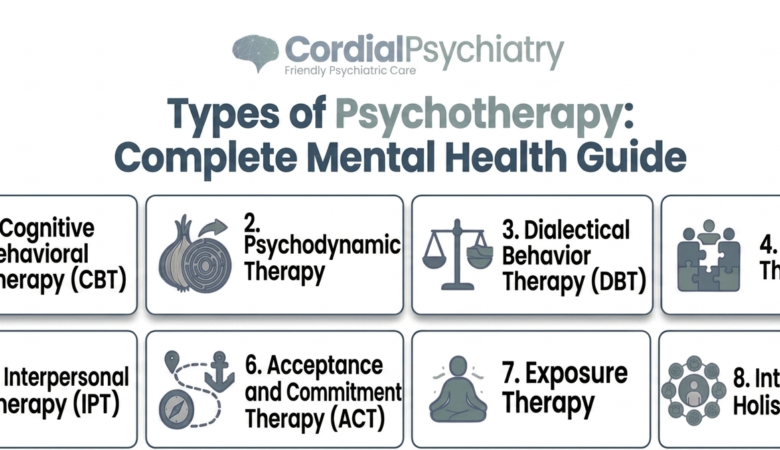
Dialectical Behavior Therapy (DBT) is a structured type of psychotherapy that helps people manage intense emotions, improve relationships, and build healthier coping skills. If you are searching for what is dialectical behavior therapy, this guide will explain everything in simple terms so you can clearly understand how it works and who it helps. DBT therapy is widely used in mental health treatment and is especially helpful for people struggling with emotional instability, anxiety, depression, and self-destructive behaviors. Understanding the different Types of Psychotherapy can help individuals choose the treatment approach that best fits their mental health needs. In this article, we will explore what is DBT therapy, how it works, and what is dialectical behavior therapy used for in real-life treatment. What Is Dialectical Behavior Therapy (DBT)? Dialectical Behavior Therapy, often called DBT therapy, is a type of talk therapy developed to help individuals regulate emotions and change harmful behavior patterns. When people ask what is dialectical behavior therapy, they are usually trying to understand the core principles behind this evidence-based treatment approach. DBT is based on two main concepts: Acceptance (accepting yourself and your emotions) Change (learning new skills to improve your life) This balance between acceptance and change is what makes DBT different from many other therapies. Simply put, dialectical behavior therapy is a skill-based psychological treatment that teaches people how to handle stress, control emotions, and improve relationships in a healthy way. How Does DBT Therapy Help? If we explain DBT therapy in the simplest way, it is a form of therapy that helps people who experience emotions very intensely or struggle to manage their reactions. DBT teaches practical life skills such as: How to stay calm during emotional stress How to control impulsive behavior How to communicate better with others How to accept difficult situations without self-destructive actions In short, DBT therapy treatment focuses on improving emotional balance and building a better quality of life. What Is Dialectical Behavior Therapy Used For? Many people search for what is dialectical behavior therapy used for because DBT is effective in treating a variety of mental health conditions. 1. Borderline Personality Disorder (BPD) DBT was originally developed to treat Borderline Personality Disorder. It helps reduce mood swings, self-harm behaviors, and unstable relationships. 2. Depression and Anxiety DBT helps people manage overwhelming sadness and anxious thoughts by teaching emotional regulation skills. 3. Self-Harm and Suicidal Thoughts DBT provides coping strategies that help reduce harmful behaviors and encourage healthier responses to distress. 4. Eating Disorders It helps individuals build a healthier relationship with food while learning how to manage emotions more effectively. 5. Substance Abuse DBT is often used in addiction recovery programs to improve impulse control and emotional awareness. The answer to what is dialectical behavior therapy used for is simple: it helps people manage emotional and behavioral challenges across many different mental health conditions. How Does DBT Therapy Work? DBT therapy works through structured sessions and skill-building exercises. Rather than simply discussing problems, it focuses on teaching practical skills that can be applied in everyday life. DBT usually includes four key components: 1. Individual Therapy In one-on-one sessions, a therapist helps you understand your emotions and behaviors while teaching you how to apply DBT skills in daily situations. 2. Group Skills Training Group sessions focus on learning core DBT skills, including: Mindfulness Emotional regulation Distress tolerance Interpersonal effectiveness 3. Phone Coaching (Optional) Some therapists provide phone support to help clients use DBT skills during challenging real-life situations. 4. Therapist Consultation Team DBT therapists often work as part of a consultation team to ensure clients receive the highest quality care. Core Skills in DBT Therapy To fully understand DBT therapy, it is important to know its four primary skill areas. Mindfulness Mindfulness helps individuals stay present in the moment instead of focusing on past regrets or future worries. Distress Tolerance This skill teaches people how to cope with difficult situations without making them worse. Emotional Regulation Emotional regulation helps individuals recognize, understand, and manage strong emotions effectively. Interpersonal Effectiveness This skill improves communication, relationship management, and healthy boundary-setting. These four skills form the foundation of DBT therapy treatment and are practiced throughout the therapeutic process. Why DBT Is Effective DBT is effective because it combines acceptance with practical action. Instead of focusing only on discussing problems, it teaches people how to create meaningful changes in their lives. Benefits of DBT include: Reduced emotional outbursts Improved self-control Stronger relationships Greater emotional awareness Reduced self-destructive behavior This combination of acceptance and change has made DBT one of the most effective therapies for emotional regulation difficulties. Who Should Consider DBT Therapy? DBT may be beneficial for individuals who: Struggle with intense emotions Have difficulty maintaining healthy relationships Experience impulsive behaviors Feel overwhelmed by stress, anxiety, or sadness Engage in self-harming behaviors If you are still wondering what is dialectical behavior therapy, think of it as a structured support system designed to help you develop emotional strength and healthier coping skills over time. Benefits of DBT Therapy Some key benefits of DBT therapy include: Better emotional control Improved communication skills Reduced symptoms of anxiety and depression Healthier coping mechanisms Increased self-awareness Improved overall quality of life DBT therapy treatment focuses not only on reducing symptoms but also on helping people build a more fulfilling life. Challenges in DBT Therapy Although DBT is highly effective, it requires commitment and active participation. Some common challenges include: Time commitment Consistent practice of skills Willingness to change long-standing habits Regular attendance in therapy sessions While progress may take time, the long-term benefits are often significant for those who stay engaged in treatment. Conclusion Dialectical Behavior Therapy (DBT) is an evidence-based psychotherapy designed to help individuals manage intense emotions, improve relationships, and develop healthier coping strategies. Through structured skill-building in mindfulness, emotional regulation, distress tolerance, and interpersonal effectiveness, DBT empowers people to create lasting positive changes in their daily lives. Whether you are struggling with anxiety, depression, emotional dysregulation, self-harming behaviors, or relationship challenges, DBT therapy can provide