How to Find the Best Psychiatrist in New York

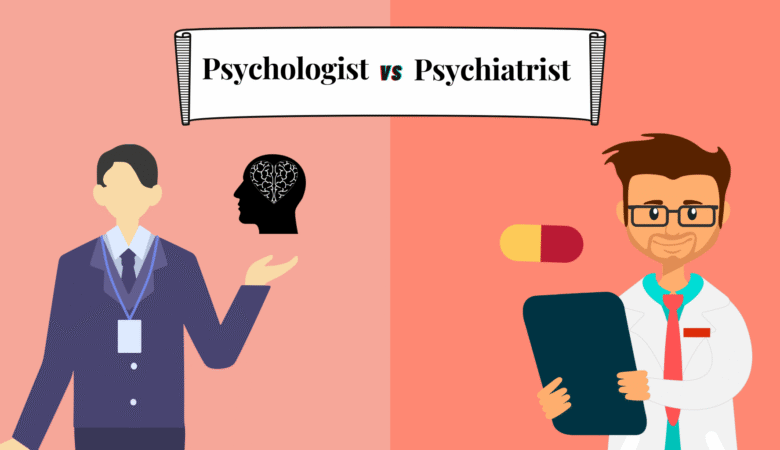
Mental health is just as important as physical health, and finding the best psychiatrist in New York can be a crucial step toward improving your well-being. Whether you’re struggling with anxiety, depression, ADHD, or other mental health concerns, the right psychiatrist can make all the difference. At Cordial Psychiatry, we provide expert psychiatric care tailored to each individual’s needs. Why Finding the Right Psychiatrist Matters A psychiatrist is a medical doctor specializing in diagnosing, treating, and preventing mental illnesses. Unlike psychologists, psychiatrists can prescribe medications and offer medical treatments such as Transcranial Magnetic Stimulation (TMS) and psychotherapy. Choosing the right psychiatrist ensures you receive personalized care that addresses your unique needs. What to Consider When Choosing a Psychiatrist in New York Credentials and Qualifications Look for a board-certified psychiatrist with specialized training in mental health disorders. Certifications from the American Board of Psychiatry and Neurology (ABPN) ensure that the psychiatrist has undergone rigorous training and adheres to high standards of care. Specialization and Expertise Not all psychiatrists treat the same conditions. Some specialize in mood disorders, anxiety disorders, PTSD, schizophrenia, ADHD, or addiction psychiatry. At Cordial Psychiatry, our experts provide specialized treatments for various mental health concerns. Treatment Approach A great psychiatrist will offer a comprehensive treatment plan that may include: Medication Management – Prescribing and monitoring psychiatric medications. Psychotherapy – Also known as talk therapy, includes Cognitive Behavioral Therapy (CBT), Dialectical Behavior Therapy (DBT), and Psychodynamic Therapy. Transcranial Magnetic Stimulation (TMS) – A non-invasive treatment for depression and anxiety. Lifestyle Recommendations – Mental health is closely linked to diet, exercise, and sleep. Availability and Accessibility Finding a psychiatrist in New York City who fits your schedule is essential. Many top psychiatrists offer telepsychiatry, allowing you to receive treatment remotely. Cordial Psychiatry provides both in-person and online psychiatry services, making access to care more convenient. Insurance and Payment Options Psychiatric care can be expensive, so it’s crucial to find a psychiatrist who accepts insurance or offers affordable payment plans. Check with your health insurance provider to see which psychiatrists are covered under your plan. Signs You Need to See a Psychiatrist If you are experiencing any of the following symptoms, seeking psychiatric care may be beneficial: Persistent sadness, hopelessness, or depression Excessive worry, fear, or anxiety Difficulty concentrating or memory issues Changes in sleep patterns (insomnia or excessive sleeping) Mood swings or emotional outbursts Suicidal thoughts or self-harm Substance abuse or addiction Difficulty maintaining relationships or functioning in daily life If you recognize these symptoms in yourself or a loved one, don’t hesitate to reach out for help. How Cordial Psychiatry Stands Out At Cordial Psychiatry, we believe that mental health treatment should be personalized and compassionate. Our expert psychiatrists provide: Comprehensive Evaluations – A thorough assessment to understand your condition and create a tailored treatment plan. Medication Management – Safe and effective use of psychiatric medications with regular follow-ups. Therapeutic Support – Evidence-based therapies to help you develop coping strategies. Cutting-Edge Treatments – Access to TMS therapy, ketamine treatments, and holistic approaches. Confidential and Judgment-Free Care – We ensure a safe space for all our patients. Best Psychiatrists in New York: What Patients Say Patients seeking mental health services in New York often look for psychiatrists with positive reviews, high ratings, and strong patient testimonials. Some key factors to consider include: Bedside Manner – A good psychiatrist is empathetic and listens carefully to their patients. Treatment Success Rates – Look for psychiatrists with proven success in treating conditions similar to yours. Availability for Appointments – Some psychiatrists have long wait times, while others offer immediate scheduling. At Cordial Psychiatry, our patients consistently rate us highly for compassionate care and effective treatments. How to Get Started with a Psychiatrist in NYC If you’re ready to start your mental health journey, follow these steps: Research and Read Reviews – Look up top-rated psychiatrists in New York and check patient feedback. Verify Credentials – Ensure the psychiatrist is board-certified and specializes in your condition. Schedule a Consultation – Many psychiatrists offer initial consultations to discuss your needs. Discuss Treatment Options – Ask about different therapies, medications, and holistic approaches available. Follow Your Treatment Plan – Commit to your sessions and medication regimen for the best results. Frequently Asked Questions (FAQs) What’s the difference between a psychiatrist and a psychologist? A psychiatrist is a medical doctor (M.D. or D.O.) who can prescribe medications and provide medical treatments. A psychologist holds a Ph.D. or Psy.D. and primarily focuses on talk therapy. How much does it cost to see a psychiatrist in NYC? The cost varies based on location, experience, and whether the psychiatrist accepts insurance. Initial consultations range from $200 to $500, while follow-up sessions may cost $100 to $300. Many insurance plans cover psychiatric services. Can I see a psychiatrist online in New York? Yes! Cordial Psychiatry offers telepsychiatry services, allowing you to consult with a psychiatrist from the comfort of your home. How do I know if I need medication for my mental health condition? Only a psychiatrist can determine if medication is necessary. After a thorough evaluation, your doctor may recommend antidepressants, anti-anxiety medications, mood stabilizers, or other psychiatric drugs based on your condition. What are the best treatments for depression and anxiety? Treatments may include medication, psychotherapy (CBT, DBT), lifestyle changes, and advanced therapies like TMS or ketamine therapy. How do I book an appointment with Cordial Psychiatry? Booking an appointment is easy. Simply visit our website or call us to schedule a consultation with one of our top-rated psychiatrists in New York. Conclusion Finding the best psychiatrist in New York can significantly impact your mental well-being. Whether you need medication management, therapy, or specialized treatments, choosing a qualified and compassionate psychiatrist is key to your recovery. At Cordial Psychiatry, we are committed to providing exceptional mental health care tailored to your needs. If you or a loved one is struggling, don’t wait—reach out today and take the first step toward a healthier, happier life.

Benefits of Virtual Therapy: Empowering Mental Health Care

In the evolving landscape of healthcare, virtual therapy has emerged as a transformative solution, offering unparalleled convenience, accessibility, and effectiveness in addressing mental health challenges. At Cordial Psychiatry, we understand the growing demand for flexible and effective mental health services. Virtual therapy, also known as online therapy or teletherapy, is revolutionizing how individuals access care, breaking down barriers and empowering people to prioritize their mental well-being. What is Virtual Therapy? Virtual therapy refers to mental health counseling and therapy sessions conducted via secure digital platforms, such as video calls, phone calls, or chat-based communication. By leveraging technology, virtual therapy enables individuals to connect with licensed mental health professionals from the comfort of their homes or any location of their choosing. The Key Benefits of Virtual Therapy Enhanced Accessibility to Mental Health Care One of the most significant advantages of virtual therapy is its ability to make mental health care accessible to a broader population. Many individuals face geographical, physical, or logistical challenges that prevent them from seeking in-person therapy. Virtual therapy eliminates these barriers by: Providing access to care for individuals in remote or rural areas. Offering flexible scheduling options to accommodate busy lifestyles. Removing transportation-related challenges, such as commuting or parking. Convenience and Flexibility Virtual therapy aligns with the modern need for flexibility. It allows clients to schedule sessions at times that work best for them, avoiding conflicts with work, school, or family commitments. Additionally, therapy sessions can be conducted from: Home. A private office. Any location that offers privacy and comfort. This flexibility ensures that therapy can be seamlessly integrated into daily life, reducing stress and making it easier for individuals to prioritize their mental health. Reduced Stigma Surrounding Mental Health Despite growing awareness, mental health stigma remains a barrier for many individuals. Virtual therapy helps to combat this issue by providing a private and discreet way to seek care. Clients can engage in therapy without the fear of being seen entering a clinic or discussing their struggles in a public setting. Continuity of Care Life events, such as relocating or traveling, can disrupt traditional therapy. Virtual therapy ensures continuity of care, allowing clients to maintain consistent communication with their therapists, regardless of their location. This uninterrupted support is crucial for achieving long-term mental health goals. Expanded Options for Therapists and Specializations Virtual therapy connects clients with a broader network of licensed professionals. This means that individuals can find therapists who specialize in their specific needs, such as: Anxiety disorders. Depression. Trauma and PTSD. Relationship issues. Addiction recovery. Clients are no longer limited to local options and can choose the best therapist for their unique circumstances. Cost-Effectiveness Virtual therapy often proves to be more cost-effective than traditional in-person therapy. Clients save on expenses such as: Travel costs. Childcare during appointments. Time off work for commuting to appointments. Additionally, many insurance providers now cover virtual therapy sessions, making it an affordable option for more people. Improved Comfort and Privacy For many individuals, the comfort of familiar surroundings can enhance the therapeutic process. Virtual therapy allows clients to attend sessions from their own space, which can: Reduce anxiety associated with unfamiliar environments. Encourage openness and honest communication. Foster a stronger sense of safety and trust. Use of Innovative Tools and Resources Virtual therapy platforms often incorporate innovative tools and features, such as: Guided meditations. Cognitive behavioral therapy (CBT) worksheets. Journaling and mood-tracking apps. These resources complement therapy sessions, empowering clients to take an active role in their mental health journey. How Virtual Therapy Empowers Mental Health Care At Cordial Psychiatry, we believe that virtual therapy is not just a convenient alternative but a powerful tool for empowering individuals to take charge of their mental health. Here’s how it achieves this: Personalized Care: Virtual therapy offers tailored treatment plans that address individual needs and goals. Increased Self-Efficacy: By providing clients with tools and strategies to manage their mental health, virtual therapy fosters independence and resilience. Timely Support: Immediate access to mental health professionals during challenging times ensures timely intervention and support. FAQs About Virtual Therapy Is virtual therapy as effective as in-person therapy? Yes, numerous studies have shown that virtual therapy is equally effective as in-person therapy for treating a wide range of mental health conditions, including anxiety, depression, and PTSD. What technology do I need for virtual therapy? You will need a stable internet connection, a device with a camera and microphone (such as a smartphone, tablet, or computer), and access to a secure teletherapy platform. Is my information secure during virtual therapy? Yes, virtual therapy platforms prioritize client confidentiality and comply with privacy regulations such as HIPAA to ensure secure communication. Can virtual therapy work for couples or families? Absolutely. Virtual therapy is highly effective for couples and family therapy, allowing multiple participants to join sessions from different locations. How do I know if virtual therapy is right for me? Virtual therapy is an excellent option for many individuals. During an initial consultation with a licensed therapist, you can discuss your needs and determine if virtual therapy aligns with your goals. Conclusion Virtual therapy is a game-changer in mental health care, offering unparalleled accessibility, flexibility, and effectiveness. At Cordial Psychiatry, we are committed to leveraging the power of virtual therapy to empower individuals on their journey toward improved mental well-being. By breaking down barriers and embracing innovation, virtual therapy ensures that mental health care is within reach for everyone.

Panic Attacks and How to Get Help in NYC

Experiencing a panic attack can be one of the most terrifying and overwhelming moments in a person’s life. The good news is that help is available, especially in a city like New York, where mental health resources are abundant. At Cordial Psychiatry, we specialize in providing compassionate, evidence-based care for individuals struggling with panic attacks and anxiety disorders. What Are Panic Attacks? Panic attacks are sudden episodes of intense fear or discomfort that can occur without warning. They are often characterized by physical and psychological symptoms that mimic life-threatening conditions, making them particularly distressing. Common symptoms include: Racing heart or palpitations Shortness of breath Chest pain or discomfort Dizziness or lightheadedness Sweating or chills Fear of losing control or dying Panic attacks typically peak within 10 minutes and can last anywhere from a few minutes to over half an hour. For some, these episodes occur sporadically, while others may develop panic disorder, where the fear of having another attack becomes a persistent concern. Common Causes of Panic Attacks While the exact causes of panic attacks remain unknown, several factors can contribute to their development: Stressful life events – Traumatic experiences, loss, or major changes in life. Genetics – A family history of anxiety disorders may increase the risk. Imbalances in brain chemistry – Irregularities in neurotransmitters like serotonin. Medical conditions – Heart conditions, respiratory disorders, or thyroid issues can sometimes mimic or trigger panic attacks. Substance use – Stimulants or withdrawal from substances like caffeine, alcohol, or drugs. How Panic Attacks Impact Daily Life The emotional toll of panic attacks can extend beyond the episode itself. People may develop agoraphobia, a fear of being in situations where escape might be difficult or embarrassing during an attack. This can lead to social isolation, difficulty maintaining employment, and strained relationships. Without intervention, panic attacks can severely affect overall quality of life. Treatment Options for Panic Attacks in NYC At Cordial Psychiatry, we believe in a personalized approach to treatment. Here are some effective methods we use to help our patients overcome panic attacks: Cognitive Behavioral Therapy (CBT) CBT is one of the most effective treatments for panic attacks. It helps individuals identify and challenge the negative thought patterns that contribute to their anxiety. Techniques such as exposure therapy can also reduce fear of the triggers associated with panic attacks. Medication Management In some cases, medications can be an important part of a comprehensive treatment plan. Commonly prescribed medications include: Selective Serotonin Reuptake Inhibitors (SSRIs) Benzodiazepines (for short-term relief) Beta-blockers to manage physical symptoms like heart palpitations. Our team at Cordial Psychiatry works closely with patients to determine the safest and most effective medication regimen. Mindfulness and Relaxation Techniques Incorporating practices like meditation, deep breathing exercises, and progressive muscle relaxation can help individuals manage symptoms during a panic attack and reduce overall anxiety levels. Lifestyle Modifications Simple changes can have a big impact. These include: Regular exercise to release endorphins and reduce stress. Balanced diet to maintain stable blood sugar levels. Limiting caffeine and alcohol, which can trigger anxiety. Support Groups and Counseling Group therapy or individual counseling sessions can provide a sense of community and understanding. Sharing experiences with others who face similar challenges can be both therapeutic and empowering. Why Choose Cordial Psychiatry for Panic Attack Treatment in NYC? We understand that seeking help for mental health concerns can be daunting. At Cordial Psychiatry, our goal is to provide a safe and supportive environment where patients feel heard and understood. Here’s what sets us apart: Experienced Professionals: Our team of licensed psychiatrists and therapists are experts in treating panic disorders. Comprehensive Care Plans: We tailor treatment to meet the unique needs of each individual. Convenient NYC Location: Accessible and designed to provide a welcoming space. Holistic Approach: We address both the physical and emotional aspects of panic attacks. Steps to Take During a Panic Attack If you’re experiencing a panic attack, try these techniques to regain control: Focus on your breath: Take slow, deep breaths, inhaling through your nose and exhaling through your mouth. Ground yourself: Use the 5-4-3-2-1 technique to focus on your senses and bring yourself back to the present. Acknowledge the panic: Remind yourself that the symptoms are temporary and not life-threatening. Practice muscle relaxation: Tense and relax each muscle group in your body. FAQs About Panic Attacks Can panic attacks be cured? While there is no definitive “cure,” panic attacks can be effectively managed through therapy, medication, and lifestyle changes. Many individuals experience significant improvement with the right treatment plan. How long does it take to recover from panic disorder? Recovery varies depending on the individual and the treatment approach. Many people notice improvements within weeks to months of starting therapy or medication. Can children experience panic attacks? Yes, children can experience panic attacks. It’s important to seek professional help if a child displays symptoms of intense fear or anxiety. What’s the difference between a panic attack and an anxiety attack? Panic attacks are sudden and intense, often without a clear trigger, while anxiety attacks are typically linked to specific stressors and build up gradually. Is it possible to prevent panic attacks? While it may not be possible to prevent every attack, managing stress, practicing relaxation techniques, and addressing anxiety triggers can significantly reduce their frequency. If you or a loved one is struggling with panic attacks in NYC, know that help is available. At Cordial Psychiatry, we’re here to guide you toward a calmer, more balanced life. Don’t hesitate to reach out for support.

Tips for Managing Panic Attacks

Panic attacks can be overwhelming and frightening, but with the right strategies and support, they can be effectively managed. At Cordial Psychiatry, we specialize in helping individuals cope with anxiety disorders and develop techniques to regain control over their mental health. This article provides comprehensive tips to help you navigate through panic attacks and improve your well-being. What is a Panic Attack? A panic attack is a sudden onset of intense fear or discomfort that peaks within minutes. Common symptoms include: Racing or pounding heart Shortness of breath Sweating Shaking Dizziness Chest pain Fear of losing control Understanding these symptoms is the first step in managing and overcoming panic attacks. Recognizing Triggers Identify Your Triggers Triggers are situations, thoughts, or environments that may lead to a panic attack. They vary for everyone but commonly include: Stressful events Certain places or situations (e.g., crowded areas) Physical health issues Negative thought patterns By identifying your triggers, you can prepare and respond proactively. Immediate Steps to Manage a Panic Attack Practice Deep Breathing Controlled breathing can help calm your body and mind. Use the 4-7-8 technique: Inhale through your nose for 4 seconds. Hold your breath for 7 seconds. Exhale slowly through your mouth for 8 seconds. Repeat this cycle until you feel more grounded. Ground Yourself with the 5-4-3-2-1 Technique This mindfulness exercise redirects your focus to the present moment. Identify: 5 things you can see 4 things you can touch 3 things you can hear 2 things you can smell 1 thing you can taste Use Positive Affirmations Remind yourself that the panic attack will pass. Phrases like, “I am safe, this is temporary,” can provide reassurance. Long-Term Strategies for Panic Attack Prevention Regular Physical Activity Exercise reduces stress hormones and boosts mood-enhancing endorphins. Aim for at least 30 minutes of moderate exercise, like walking, yoga, or swimming, five times a week. Maintain a Balanced Diet Nutrition plays a key role in mental health. Focus on: Whole grains Lean proteins Fresh fruits and vegetables Omega-3 fatty acids (found in fish and nuts) Practice Stress Management Adopt stress-reduction techniques like: Meditation and Mindfulness: Allocate 10–15 minutes daily for guided meditation. Journaling: Document your thoughts and feelings to identify patterns. Time Management: Prioritize tasks and avoid overcommitment. When to Seek Professional Help If panic attacks become frequent or interfere with your daily life, seeking professional support is crucial. At Cordial Psychiatry, we offer tailored treatment plans, including: Cognitive Behavioral Therapy (CBT): This therapy addresses negative thought patterns and replaces them with constructive behaviors. Medication: Anti-anxiety or antidepressant medications may be prescribed if necessary. Lifestyle Counseling: Guidance on sleep hygiene, nutrition, and stress management. Building a Support System Communicate Openly Share your experiences with trusted friends or family members. Their understanding and support can make a significant difference. Join Support Groups Connecting with others who face similar challenges provides a sense of belonging and shared coping strategies. Coping with Panic Attacks in Public Locate a Safe Space If possible, move to a quieter area to minimize sensory overload. Carry a Grounding Object A small object, like a stress ball or a piece of jewelry, can help anchor you during a panic attack. Inform a Trusted Person If you’re with someone you trust, let them know what’s happening. They can provide reassurance or assist you in seeking help. The Role of Self-Care in Panic Attack Management Prioritize Sleep Quality sleep is essential for mental health. Establish a consistent sleep routine by: Going to bed at the same time daily Limiting screen time before bed Creating a calming bedtime environment Limit Stimulants Caffeine, nicotine, and other stimulants can exacerbate anxiety symptoms. Consider reducing or eliminating these from your diet. Practice Gratitude Reflecting on positive aspects of your life can shift your focus away from anxiety and foster a more optimistic mindset. FAQs About Managing Panic Attacks How long does a panic attack last? Typically, a panic attack peaks within 10 minutes and lasts no longer than 20–30 minutes. Can panic attacks cause physical harm? While they can be distressing, panic attacks do not cause physical harm. However, chronic anxiety may impact overall health if left unmanaged. Can breathing exercises prevent panic attacks? Yes, regular practice of breathing techniques can lower stress levels and reduce the likelihood of panic attacks. Is medication necessary for panic attack management? Medication is not always necessary. Therapy and lifestyle changes are often effective, but a healthcare professional can guide you based on your individual needs. Can I recover from panic attacks completely? With the right treatment and strategies, many individuals significantly reduce or eliminate panic attacks. If you or someone you know struggles with panic attacks, the team at Cordial Psychiatry is here to help. We provide compassionate, evidence-based care to support your journey toward improved mental health.

What is the Depression Rate in New York?

Depression is a significant public health concern that affects millions of individuals globally, and New York is no exception. As one of the most populous and diverse states in the U.S., New York has a unique set of challenges when it comes to mental health. In this article, we will delve into the depression rate in New York, explore its causes, consequences, and available treatments, and provide essential resources for those seeking help. Understanding Depression: A Growing Concern Depression, clinically known as major depressive disorder (MDD), is a mental health condition characterized by persistent feelings of sadness, hopelessness, and a loss of interest in activities. It affects individuals differently, with symptoms ranging from mild to severe. According to the National Institute of Mental Health (NIMH), depression is one of the leading causes of disability worldwide. In New York, the fast-paced lifestyle, financial stress, and social isolation that come with urban living contribute significantly to the prevalence of depression among its residents. Depression Statistics in New York New York State has seen a concerning rise in mental health issues over recent years. Here are some key statistics to understand the depression rate: Prevalence: Approximately 8.5% of adults in New York experience a major depressive episode each year. This is slightly higher than the national average. Youth Impact: Nearly 16% of adolescents aged 12–17 report experiencing at least one major depressive episode annually. Gender Disparity: Women in New York are nearly twice as likely to be diagnosed with depression compared to men. Suicide Rates: Depression is a significant risk factor for suicide, and New York reports an average of 1,700 suicide deaths annually, many linked to untreated mental health conditions. Factors Contributing to Depression in New York Urban Stress and Overcrowding Living in a bustling state like New York can be overwhelming. Crowded spaces, noise pollution, and the constant demand to “keep up” can lead to chronic stress, a key factor in depression. Socioeconomic Disparities Financial instability, unemployment, and housing insecurity are prevalent issues in New York, particularly in urban centers like New York City. These challenges often correlate with higher rates of depression. Social Isolation While New York is known for its diversity and vibrancy, many residents report feeling isolated, especially in metropolitan areas. The lack of close personal relationships can exacerbate feelings of loneliness and depression. Seasonal Affective Disorder (SAD) New York’s long winters and reduced daylight during colder months often lead to Seasonal Affective Disorder, a type of depression linked to changes in seasons. Recognizing the Symptoms of Depression It’s crucial to identify the signs of depression early. Common symptoms include: Persistent sadness or low mood Loss of interest in hobbies and activities Changes in appetite or weight Difficulty concentrating or making decisions Fatigue and lack of energy Feelings of worthlessness or guilt Thoughts of self-harm or suicide If you or someone you know exhibits these symptoms, seek professional help immediately. Available Treatments for Depression in New York At Cordial Psychiatry, we believe that depression is treatable with the right approach. Treatment options include: Psychotherapy Talk therapy, such as cognitive-behavioral therapy (CBT) or interpersonal therapy (IPT), is highly effective in helping individuals understand and manage their depression. Medication Antidepressants, such as selective serotonin reuptake inhibitors (SSRIs), can help regulate brain chemicals and improve mood. Transcranial Magnetic Stimulation (TMS) TMS is a non-invasive procedure that uses magnetic fields to stimulate nerve cells in the brain. At Cordial Psychiatry, we specialize in providing cutting-edge TMS therapy for our patients. Support Groups Joining support groups allows individuals to connect with others facing similar challenges, fostering a sense of community and understanding. Lifestyle Modifications Regular exercise, a balanced diet, sufficient sleep, and mindfulness practices like meditation can complement medical treatments and significantly improve mental health. Why Choose Cordial Psychiatry? At Cordial Psychiatry, we are dedicated to offering compassionate and personalized mental health care to our patients. Our clinic, located at 45 Ludlow St Ste 402, Yonkers, NY 10705, provides a wide range of treatments tailored to individual needs. Contact us today at +1 914 570 9000 to schedule a consultation and take the first step toward reclaiming your mental well-being. FAQs What is the current depression rate in New York? The depression rate among adults in New York is approximately 8.5%, with a higher prevalence in adolescents at 16%. What are the leading causes of depression in New York? Key contributors include urban stress, financial instability, social isolation, and seasonal changes. How can I get help for depression in New York? You can seek help from qualified mental health professionals like those at Cordial Psychiatry. Call us at +1 914 570 9000 to discuss treatment options. Does Cordial Psychiatry offer insurance-covered treatments? Yes, we work with various insurance providers to ensure that our patients receive affordable care. Are there any support groups for depression in Yonkers? Yes, Yonkers offers several community-based support groups. Additionally, we can guide you to resources that suit your needs.

Why Mental Health is Important in 2025

In today’s fast-paced and ever-changing world, mental health is continues to be one of the most pressing issues impacting individuals, families, and societies. As we step into 2025, the importance of mental health cannot be overstated. With the increasing complexities of life, the prevalence of mental health challenges has grown, underscoring the need for awareness, support, and professional care. At Cordial Psychiatry, we are committed to providing compassionate and effective mental health care to improve the well-being of our community. The Rising Need for Mental Health Care in 2025 The Impact of a Globalized World on Mental Health The rapid globalization and technological advancements in recent years have transformed the way we live and interact. While these developments bring benefits, they also contribute to stress, anxiety, and social isolation. In 2025, mental health challenges stemming from cyberbullying, online comparison culture, and digital fatigue are more prevalent than ever. The Long-Term Effects of the Pandemic Although the COVID-19 pandemic may feel like a distant memory for some, its psychological repercussions are still evident. The pandemic disrupted lives, caused widespread grief, and left many individuals dealing with post-traumatic stress, depression, and anxiety. Addressing these lingering effects is crucial for fostering a healthier society. Mental Health and Workplace Productivity As hybrid work models become the norm, employees face unique stressors, including burnout, poor work-life balance, and feelings of disconnection. Organizations that prioritize mental health support will not only boost productivity but also cultivate a more resilient workforce. Why Prioritizing Mental Health is Critical The Link Between Mental and Physical Health Mental health directly impacts physical health. Conditions such as anxiety and depression can lead to chronic diseases like hypertension, diabetes, and heart disease. In contrast, good mental health strengthens immunity, enhances cognitive function, and improves overall quality of life. Reducing the Stigma Around Mental Illness Stigma remains one of the biggest barriers to seeking help. In 2025, it is essential to continue conversations that normalize mental health struggles and encourage individuals to access professional support without fear of judgment. Fostering Stronger Communities When individuals thrive mentally, communities prosper. Prioritizing mental health enhances relationships, reduces crime rates, and creates environments where people feel valued and supported. How Cordial Psychiatry Supports Mental Wellness Comprehensive Care for All Ages At Cordial Psychiatry, we understand that mental health challenges can affect individuals of all ages. From children experiencing academic pressures to seniors dealing with loneliness, our tailored approaches ensure effective care for every stage of life. Evidence-Based Treatments Our clinic specializes in evidence-based treatments, including cognitive-behavioral therapy (CBT), dialectical behavior therapy (DBT), and medication management. These scientifically proven methods help our patients achieve long-term mental wellness. Personalized Care Plans Every individual’s mental health journey is unique. Our experts take the time to understand each patient’s needs and create personalized care plans that align with their goals and lifestyles. Support for Families and Caregivers Mental health challenges don’t just affect individuals—they impact families as well. We offer counseling and support groups to help families navigate their loved ones’ mental health journeys with understanding and empathy. The Role of Technology in Mental Health in 2025 Telehealth Services Telehealth has revolutionized mental health care by making therapy and consultations more accessible. At Cordial Psychiatry, we offer secure virtual sessions that allow patients to receive support from the comfort of their homes. Mental Health Apps Innovative apps that promote mindfulness, stress reduction, and mood tracking are becoming essential tools in managing mental health. We recommend integrating these technologies into daily routines for enhanced outcomes. AI in Mental Health Artificial Intelligence is transforming mental health care by providing tools for early detection, personalized treatment suggestions, and round-the-clock support. These advancements are particularly beneficial for those in remote or underserved areas. How to Promote Mental Health Awareness Educate the Community Educational campaigns about mental health symptoms, treatment options, and resources can empower individuals to seek help. Schools, workplaces, and social organizations must prioritize mental health education. Encourage Open Dialogue Creating safe spaces for open conversations about mental health helps reduce stigma and fosters understanding. Sharing personal experiences can inspire others to take steps toward healing. Invest in Preventive Measures Promoting activities like physical exercise, proper nutrition, and mindfulness practices can prevent mental health issues before they escalate. Preventive care is a cornerstone of our approach at Cordial Psychiatry. FAQs About Mental Health Why is mental health important for overall well-being? Mental health influences every aspect of life, including physical health, relationships, and productivity. Prioritizing mental well-being ensures a balanced and fulfilling life. How can I identify if I need professional mental health care? If you’re experiencing prolonged sadness, anxiety, changes in behavior, or difficulty functioning in daily life, it’s essential to consult a mental health professional. What treatments are available for mental health conditions? Treatments include therapy (CBT, DBT), medication, lifestyle changes, and holistic approaches. At Cordial Psychiatry, we create personalized care plans to meet individual needs. Can mental health issues be prevented? While not all mental health issues can be prevented, maintaining a healthy lifestyle, fostering strong relationships, and seeking early intervention can reduce risks. How does technology support mental health care? Technology offers telehealth services, mental health apps, and AI-driven tools for early detection and support, making mental health care more accessible and effective. Conclusion Mental health is the cornerstone of a happy and productive life. As we navigate the challenges and opportunities of 2025, prioritizing mental well-being is more important than ever. At Cordial Psychiatry, we are dedicated to supporting our community through compassionate care, innovative treatments, and unwavering commitment to mental health awareness. Together, we can build a future where everyone has access to the mental health resources they need.

How Much Mental Health Is Important

Mental health is a vital aspect of our overall well-being, yet it often remains misunderstood or overlooked. At Cordial Psychiatry, we emphasize the need to nurture mental health as a cornerstone of a fulfilling life. This article delves into how much mental health is important, exploring its impacts, challenges, and the benefits of prioritizing it. Defining Mental Health What is Mental Health? Mental health encompasses emotional, psychological, and social well-being. It influences how individuals think, feel, and behave in daily life, shaping their ability to cope with stress, relate to others, and make decisions. The Components of Mental Health Key components include: Emotional health: Managing emotions effectively. Psychological health: Cognitive functioning and resilience. Social health: Building and maintaining relationships. The Role of Mental Health in Overall Well-Being Connection Between Mental and Physical Health Mental health directly impacts physical health. Chronic stress, for example, can lead to conditions like hypertension, while depression may weaken the immune system. How Mental Health Impacts Daily Life Poor mental health affects: Productivity at work or school Quality of relationships Ability to enjoy life’s pleasures Common Mental Health Challenges Anxiety and Depression These are among the most prevalent issues, characterized by persistent feelings of worry, sadness, or hopelessness. Stress-Related Disorders High levels of stress can lead to burnout, sleep disturbances, and even PTSD. Severe Conditions Disorders like bipolar disorder or schizophrenia require intensive support and treatment. Signs That Mental Health Support is Needed Emotional and Behavioral Indicators Symptoms include excessive mood swings, withdrawal from loved ones, or feelings of helplessness. Physical Symptoms of Mental Distress These can manifest as headaches, digestive issues, or chronic fatigue, often linked to unresolved psychological issues. Benefits of Prioritizing Mental Health Enhanced Quality of Life Focusing on mental health promotes: Greater self-esteem Increased resilience Improved overall happiness Improved Relationships and Productivity Healthy minds foster better communication, stronger relationships, and higher workplace efficiency. Factors Impacting Mental Health Biological and Genetic Influences Genetics can predispose individuals to mental health issues, while hormonal imbalances also play a role. Environmental and Societal Factors Stressful environments, societal pressures, and economic challenges can exacerbate mental health struggles. Stigma Around Mental Health Understanding the Stigma Misconceptions about mental health often deter people from seeking help, perpetuating harmful stereotypes. Breaking Down Barriers Education and advocacy are crucial in fostering acceptance and encouraging individuals to prioritize their mental health. How to Promote Mental Health Daily Habits for Mental Well-Being Regular exercise Balanced diet Mindfulness practices like meditation Importance of Social Connections and Self-Care Building a support network and dedicating time to self-care are essential for sustaining mental health. Role of Mental Health Professionals Types of Mental Health Professionals Psychologists Psychiatrists Licensed therapists and counselors How They Support Individuals Professionals provide therapy, medication, and coping strategies tailored to individual needs. The Impact of Mental Health on Families How Mental Health Issues Affect Family Dynamics Unresolved issues can create tension and misunderstandings within families, affecting relationships and overall harmony. Building a Supportive Environment Open communication and seeking professional guidance can strengthen family bonds. The Cost of Ignoring Mental Health Economic and Social Consequences Neglecting mental health contributes to lost productivity and increased healthcare costs. Personal Impacts Ignoring mental health needs can lead to chronic illnesses, relationship breakdowns, and diminished life satisfaction. Advances in Mental Health Treatments Therapy and Counseling Options From cognitive-behavioral therapy (CBT) to group therapy, various approaches address diverse needs. Innovations in Medication and Technology Emerging treatments, including teletherapy and AI-driven support tools, are transforming mental health care. The Role of Professional Care At Cordial Psychiatry, we offer comprehensive services to support your mental health journey. From therapy sessions to medication management, our compassionate team is dedicated to providing personalized care tailored to each individual’s needs. Role of Clinics Like Cordial Psychiatry Personalized Mental Health Care At Cordial Psychiatry, we provide tailored treatments that consider individual histories and preferences. Community Outreach and Awareness We actively engage in community initiatives to promote mental health awareness and reduce stigma. Frequently Asked Questions About Mental Health Why is mental health important? Mental health is critical for overall well-being, influencing emotional stability, relationships, and physical health. How can I tell if someone needs mental health support? Look for signs like withdrawal, drastic mood changes, or prolonged sadness. Are mental health issues treatable? Yes, with proper treatment and support, most individuals can lead fulfilling lives. What role does lifestyle play in mental health? Healthy habits like regular exercise, good nutrition, and sufficient sleep significantly boost mental well-being. How does Cordial Psychiatry support mental health? We offer personalized care, therapy, and community programs to address diverse mental health needs. How can I reduce the stigma around mental health? Promote open conversations, educate yourself, and support advocacy efforts. Conclusion Mental health is a cornerstone of overall well-being. Understanding its importance, addressing challenges, and seeking professional help when needed can transform lives. At Cordial Psychiatry, we are committed to guiding you on your journey to mental wellness, fostering a healthier, happier you. At Cordial Psychiatry, we are committed to helping individuals achieve optimal mental well-being. Take the first step towards a healthier mind and a brighter future.

Psychiatric Therapy vs. General Therapy: Key Differences Explained

In today’s fast-paced world, mental health support has become a cornerstone for leading a balanced and fulfilling life. While many seek therapeutic intervention, the distinctions between psychiatric therapy and general therapy can be confusing. Understanding these differences is crucial in determining which approach aligns with your needs. This article delves deep into the key differences between psychiatric therapy and general therapy, offering clarity and guidance for those considering professional help. What is Psychiatric Therapy? Psychiatric therapy involves treatment overseen by a licensed psychiatrist, a medical doctor specializing in mental health. This form of therapy often includes a combination of talk therapy and medical interventions such as prescription medications. Key Features of Psychiatric Therapy Medical Expertise: Psychiatrists are trained medical doctors capable of diagnosing and treating mental health disorders through medical approaches. Medication Management: Conditions like depression, anxiety, bipolar disorder, and schizophrenia often require medications such as antidepressants, mood stabilizers, or antipsychotics. Dual Approach: Psychiatric therapy often integrates psychotherapy with medical treatment for holistic care. Severe Mental Illness Focus: Psychiatric therapy is generally recommended for more complex or severe mental health conditions. Common Conditions Treated Major Depressive Disorder Generalized Anxiety Disorder Post-Traumatic Stress Disorder (PTSD) Obsessive-Compulsive Disorder (OCD) Bipolar Disorder and Schizophrenia What is General Therapy? General therapy, also known as psychotherapy, is conducted by mental health professionals like psychologists, licensed counselors, or social workers. It focuses solely on non-medical approaches, emphasizing talk-based techniques to address emotional and behavioral challenges. Key Features of General Therapy Behavioral and Emotional Support: General therapy targets improving emotional well-being and coping mechanisms. Non-Medical Approach: Unlike psychiatric therapy, this form of therapy does not include medication management. Diverse Modalities: Therapists may employ approaches like cognitive-behavioral therapy (CBT), dialectical behavior therapy (DBT), or psychodynamic therapy. Short-Term or Long-Term Care: Sessions can be brief and focused or span several years, depending on individual needs. Common Conditions Treated Stress and Anxiety Relationship Challenges Grief and Loss Self-Esteem Issues Behavioral Problems Key Differences Between Psychiatric Therapy and General Therapy Professional Qualifications Psychiatric Therapy: Delivered by a psychiatrist, requiring a medical degree and specialization in psychiatry. General Therapy: Provided by psychologists, licensed therapists, or counselors with expertise in specific therapeutic modalities. Treatment Methods Psychiatric therapy often includes medication prescriptions alongside psychotherapy. General therapy focuses exclusively on non-medical interventions, such as CBT or mindfulness techniques. Scope of Treatment Psychiatric Therapy: Best suited for severe or chronic mental health conditions requiring medical intervention. General Therapy: Effective for managing life challenges, emotional well-being, and mild to moderate mental health issues. Duration and Frequency Psychiatric therapy may require less frequent visits, particularly for medication management. General therapy often involves regular, ongoing sessions to address evolving emotional and behavioral needs. When Should You Choose Psychiatric Therapy? Psychiatric therapy is recommended if you: Experience persistent and severe mental health symptoms. Require medication to manage your condition. Need a comprehensive medical evaluation for co-occurring physical and mental health issues. When Should You Choose General Therapy? General therapy is ideal if you: Face challenges like stress, anxiety, or relationship issues. Prefer a non-medical approach to mental health support. Want to explore coping strategies and self-awareness techniques. Combining Psychiatric Therapy and General Therapy For many individuals, a combination of both therapies offers the best outcomes. Collaborative care between a psychiatrist and a general therapist ensures that all aspects of mental health—medical and emotional—are addressed. This integrative approach is particularly effective for individuals with complex or overlapping conditions. In Yonkers assisted living communities, seniors often have access to both psychiatric and general therapy services, ensuring comprehensive mental health support. Regular social activities and structured routines further help residents maintain emotional balance and overall well-being. This combined approach promotes both mental and cognitive health in daily life. FAQs Can a psychiatrist provide general therapy? Yes, many psychiatrists are trained in psychotherapy and may offer both medication management and talk therapy. Do I need a referral to see a psychiatrist? This depends on your healthcare system and insurance plan. In many cases, referrals are required for psychiatric care. How do I know if I need medication? A psychiatrist will assess your symptoms and medical history to determine whether medication is necessary. How often should I attend therapy? The frequency of sessions varies based on the severity of your condition and your personal goals. General therapy typically involves weekly sessions, while psychiatric therapy visits might be less frequent. Is therapy covered by insurance? Many insurance plans cover both psychiatric and general therapy. However, coverage details vary, so it’s best to consult your provider. In conclusion, both psychiatric therapy and general therapy play vital roles in promoting mental health. Choosing the right approach depends on the severity of your condition, your treatment goals, and your preference for medical versus non-medical interventions. For those unsure, starting with a general therapist who can refer you to a psychiatrist if needed is a practical step.

How Psychiatry Can Improve Your Quality of Life

Mental health is an essential component of overall well-being, and its importance cannot be overstated. Psychiatry, a field dedicated to diagnosing, treating, and preventing mental health disorders, plays a pivotal role in improving the quality of life for individuals struggling with mental health challenges. At Cordial Psychiatry, located at 45 Ludlow St Ste 402, Yonkers, NY 10705, we are committed to helping individuals regain control of their lives through compassionate and comprehensive psychiatric care. Understanding Psychiatry and Its Role in Mental Health Psychiatry is a medical specialty that addresses various mental health disorders, including anxiety, depression, bipolar disorder, schizophrenia, and more. Psychiatrists are trained medical professionals who diagnose and provide tailored treatment plans for each individual’s unique needs. Treatments often combine therapy, medication, and lifestyle interventions to ensure holistic care. Why Mental Health is Crucial for Quality of Life Good mental health is more than the absence of mental illness. It encompasses emotional, psychological, and social well-being. When mental health is compromised, it can impact relationships, work performance, and physical health. Psychiatry helps individuals overcome these challenges, enabling them to lead fulfilling lives. Key Ways Psychiatry Enhances Quality of Life Addressing and Treating Mental Illness Mental illnesses such as depression, anxiety, and PTSD can disrupt daily life. Psychiatry provides effective treatments like cognitive behavioral therapy (CBT), medication, and supportive counseling to alleviate symptoms and restore normalcy. Improving Relationships Mental health challenges often strain personal and professional relationships. Through therapy sessions and communication skills training, psychiatry helps individuals build healthier connections and resolve conflicts effectively. Boosting Productivity and Focus Mental health disorders can diminish concentration and productivity. Treatments tailored by psychiatrists help individuals regain focus, enhancing their performance at work or school. Enhancing Emotional Resilience Psychiatry equips individuals with coping mechanisms to handle stress, trauma, and life transitions. This resilience fosters a greater sense of self-confidence and emotional stability. Our Approach at Cordial Psychiatry At Cordial Psychiatry, we adopt a personalized and empathetic approach to mental health care. Our services are designed to cater to diverse needs, ensuring that every patient feels supported and valued. Comprehensive Assessments We conduct detailed evaluations to understand each patient’s symptoms, medical history, and goals. This enables us to create a customized treatment plan. Evidence-Based Treatments Our treatments are rooted in scientific research, ensuring efficacy and safety. From advanced medication management to innovative therapies, we provide cutting-edge solutions. Ongoing Support Mental health is a journey, and we are here every step of the way. Regular follow-ups and accessible care ensure sustained progress and well-being. Common Conditions Treated in Psychiatry Anxiety Disorders Symptoms of anxiety can be overwhelming, affecting daily activities. Psychiatry offers treatments like CBT and medications to reduce symptoms and improve functioning. Depression Characterized by persistent sadness and lack of interest, depression is treatable through therapy, lifestyle changes, and medications. Bipolar Disorder This condition involves mood swings ranging from depressive lows to manic highs. Psychiatrists help manage symptoms through mood stabilizers and therapy for bipolar disorder. Schizophrenia Schizophrenia requires specialized care to manage hallucinations, delusions, and disorganized thinking. Psychiatry offers effective treatments for stabilization and recovery. Post-Traumatic Stress Disorder (PTSD) Trauma can leave lasting effects on mental health. Psychiatry addresses PTSD through trauma-focused therapy and medications. FAQs About Psychiatry What is the difference between a psychiatrist and a psychologist? A psychiatrist is a medical doctor who can prescribe medications and provide therapy, while a psychologist focuses on therapy and behavioral interventions but cannot prescribe medication. How do I know if I need psychiatric help? If you’re experiencing persistent emotional distress, difficulty managing daily tasks, or changes in behavior, seeking psychiatric evaluation is a good first step. What can I expect during my first appointment? During your first visit, your psychiatrist will discuss your symptoms, medical history, and goals to develop a personalized treatment plan. Are psychiatric medications safe? Yes, psychiatric medications are thoroughly tested for safety and effectiveness. Your psychiatrist will carefully monitor your treatment to minimize side effects. Improving mental health is not just about addressing disorders—it’s about unlocking your full potential and living a life of purpose and joy. At Cordial Psychiatry, we are here to guide you on this transformative journey. For more information or to schedule an appointment, contact us at +1 914 570 9000 or visit us at 45 Ludlow St Ste 402, Yonkers, NY 10705.

10 Signs You Might Need a Psychiatrist Today

Mental health is a cornerstone of overall well-being, yet it is often neglected due to stigma, lack of awareness, or simply not recognizing the signs that professional help is necessary. At Cordial Psychiatry, we are dedicated to helping individuals navigate their mental health journeys. Here are 10 Signs You Might Need a Psychiatrist Today: Persistent Feelings of Sadness or Hopelessness Feeling sad or down occasionally is a natural part of life. However, if you experience persistent sadness, despair, or hopelessness lasting for weeks or months, it could indicate depression. These emotions may interfere with your ability to function, impacting work, relationships, and daily routines. Drastic Changes in Sleep Patterns Are you struggling with insomnia or oversleeping without a clear cause? Sleep disturbances often accompany mental health issues like anxiety, depression, or bipolar disorder. A psychiatrist can help identify the root cause and develop strategies to restore healthy sleep. Unmanageable Anxiety or Worry Experiencing anxiety in stressful situations is normal, but excessive worry that disrupts your daily life may point to an anxiety disorder. Symptoms like restlessness, racing thoughts, and physical manifestations such as sweating or a racing heart require professional intervention. Difficulty Coping with Stress one of the Signs You Might Need a Psychiatrist If routine stressors like work deadlines, family responsibilities, or personal challenges feel overwhelming, it might indicate underlying mental health concerns. Psychiatrists specialize in teaching stress management techniques and addressing any deeper issues contributing to your struggle. Noticeable Mood Swings Frequent or extreme mood changes, such as shifting from happiness to irritability or anger without explanation, can be a sign of a mood disorder like bipolar disorder. Psychiatrists can diagnose and provide treatment to stabilize your emotions and improve quality of life. Withdrawal from Social Interaction Avoiding friends, family, and social activities you once enjoyed could signal depression, social anxiety, or another mental health condition. Isolation tends to worsen mental health issues, making timely intervention crucial. Unexplained Physical Symptoms Physical symptoms like headaches, stomachaches, or chronic fatigue without a medical explanation may be tied to mental health problems. Conditions such as depression and anxiety often manifest in physical ways, and psychiatrists can address these symptoms holistically. Difficulty Concentrating or Making Decisions If you find it increasingly challenging to focus, remember details, or make decisions, it might be due to underlying mental health issues like ADHD or depression. These symptoms can significantly impact personal and professional life, making it essential to seek help. Harmful Coping Mechanisms Turning to substances like alcohol, drugs, or engaging in self-harm to deal with emotional pain is a red flag. These behaviors can quickly spiral into dangerous patterns, requiring immediate psychiatric support and intervention. Suicidal Thoughts or Behavior Experiencing thoughts of self-harm or suicide is a medical emergency. If you feel this way, please seek help immediately. A psychiatrist can provide the necessary care, support, and treatment to ensure your safety and recovery. When to Seek Help Recognizing these signs is the first step toward improving your mental health. Consulting with a psychiatrist can provide clarity, coping mechanisms, and, if needed, medication to restore balance and well-being. At Cordial Psychiatry, we believe in creating a safe, supportive environment where you can openly discuss your concerns and embark on a journey to mental wellness. Why Choose Cordial Psychiatry? Our experienced team specializes in a wide range of mental health conditions, including depression, anxiety, bipolar disorder, and more. We utilize evidence-based therapies tailored to each individual’s needs. Your mental health matters, and our mission is to help you achieve the peace of mind you deserve. If you or someone you know is experiencing any of these symptoms, don’t hesitate to reach out for professional help. Early intervention can make all the difference.

Subscribe To Our Newsletter

Subscription Form

Don’t suffer in silence: reach out to us today to start your path towards a healthier, happier life.

Contact Info