

OCD Treatment in Yorktown: Effective Therapy for Obsessive-Compulsive Disorder
Obsessive-Compulsive Disorder (OCD) is a serious mental health condition that can interfere with daily life, relationships, and overall well-being. Individuals living with OCD often experience intrusive thoughts, persistent fears, and repetitive behaviors that feel impossible to control. At Cordial Psychiatry, we provide professional OCD treatment in Yorktown, helping individuals regain control over their thoughts and actions through evidence-based therapies and compassionate psychiatric care.
Our clinical approach focuses on accurate diagnosis, personalized treatment planning, and continuous support. By combining modern psychiatric techniques with individualized care, we help patients overcome the distress caused by obsessive thoughts and compulsive behaviors.
Understanding Obsessive-Compulsive Disorder (OCD)
Obsessive Compulsive Disorder is characterized by two main components: obsessions and compulsions.
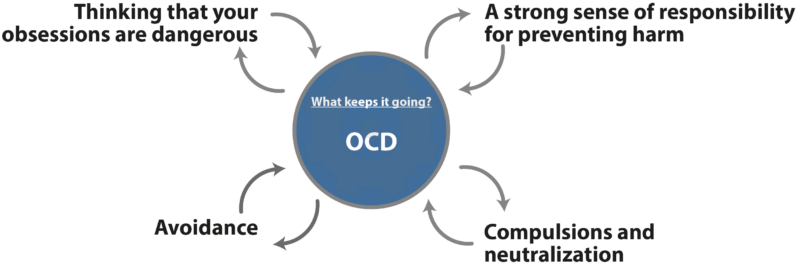
Obsessions are intrusive and unwanted thoughts, images, or urges that trigger intense anxiety. These thoughts often feel uncontrollable and may revolve around fear, contamination, harm, or perfectionism.
Compulsions are repetitive actions or mental rituals performed to reduce anxiety caused by obsessive thoughts. These behaviors may provide temporary relief but ultimately reinforce the cycle of OCD.
Common examples include:
-
Repeated handwashing due to contamination fears
-
Constant checking of locks, appliances, or doors
-
Counting rituals or repeating words silently
-
Excessive cleaning or organizing
-
Seeking reassurance repeatedly
Without treatment, these behaviors can consume hours each day and significantly disrupt daily functioning.
At Cordial Psychiatry, we provide comprehensive OCD treatment in Yorktown designed to break this cycle and restore mental balance.
Common Symptoms of OCD
Recognizing the symptoms of OCD is essential for seeking timely treatment. Many individuals struggle silently for years before receiving professional help.
Typical symptoms include:
Intrusive Obsessive Thoughts
People with OCD often experience disturbing thoughts they cannot control. These may involve fear of contamination, harming others unintentionally, or making mistakes.
Compulsive Behaviors
Compulsions are repetitive actions performed to reduce anxiety. These behaviors may include washing, checking, arranging, or repeating tasks excessively.
Excessive Doubt and Uncertainty
OCD frequently involves persistent doubt, even when there is no logical reason to worry.
Need for Symmetry or Order
Some individuals feel extreme discomfort if items are not perfectly aligned or arranged.
Avoidance Behaviors
People may avoid certain places, objects, or situations that trigger obsessive thoughts.
If these symptoms persist and interfere with daily life, professional OCD treatment in Yorktown can provide the structured support needed for recovery.
Causes and Risk Factors of OCD
Obsessive-Compulsive Disorder develops due to a combination of biological, psychological, and environmental factors.
Brain Chemistry and Neurological Factors
Research shows that OCD may involve imbalances in neurotransmitters, particularly serotonin, which affects mood regulation and anxiety.
Genetic Predisposition
Individuals with a family history of OCD or anxiety disorders may have a higher risk of developing the condition.
Stressful Life Events
Traumatic experiences, chronic stress, or major life changes can trigger or worsen OCD symptoms.
Personality and Cognitive Patterns
People with perfectionistic tendencies or heightened responsibility may be more vulnerable to obsessive thinking patterns.
Understanding these factors helps our clinicians develop effective, personalized OCD treatment plans at Cordial Psychiatry.
How OCD Affects Daily Life
Obsessive-Compulsive Disorder can impact many areas of life, including:
-
Work productivity and career performance
-
Relationships with family and friends
-
Academic success
-
Emotional stability and self-esteem
-
Physical health due to chronic stress
Individuals with untreated OCD may spend several hours each day performing rituals or managing intrusive thoughts. Over time, this cycle can lead to depression, anxiety, and social withdrawal.
Professional OCD treatment in Yorktown at Cordial Psychiatry focuses on reducing these symptoms and helping patients rebuild a healthier routine.
Professional OCD Treatment in Yorktown at Cordial Psychiatry
At Cordial Psychiatry, our treatment approach is evidence-based, personalized, and compassionate. We evaluate each patient carefully before recommending a tailored treatment plan.
Comprehensive Psychiatric Evaluation
The first step in effective OCD treatment involves a detailed psychiatric evaluation. This process allows us to understand:
-
Symptom severity
-
Triggers and behavioral patterns
-
Medical and psychological history
-
Co-occurring mental health conditions
This evaluation helps our team design the most effective treatment strategy.
Cognitive Behavioral Therapy (CBT)
Cognitive Behavioral Therapy is one of the most effective treatments for OCD. It focuses on identifying and modifying negative thought patterns that drive compulsive behaviors.
Through CBT, patients learn to:
-
Recognize intrusive thoughts without reacting to them
-
Challenge irrational fears
-
Develop healthier coping mechanisms
This structured therapy helps break the obsessive-compulsive cycle.
Exposure and Response Prevention (ERP)
Exposure and Response Prevention is considered the gold standard therapy for OCD.
ERP involves gradual exposure to anxiety-triggering situations while preventing the compulsive response. Over time, this process reduces fear and helps the brain learn that the anxiety will naturally decrease.
For example:
-
A person with contamination fears may gradually touch objects they normally avoid
-
Someone who repeatedly checks locks may practice leaving home without checking multiple times
With professional guidance, ERP can significantly reduce OCD symptoms.
Gestión de la medicación
Medication may be recommended for individuals experiencing moderate to severe OCD symptoms.
Common medications used include selective serotonin reuptake inhibitors (SSRIs), which help regulate serotonin levels in the brain.
At Cordial Psychiatry, medication management includes:
-
Careful prescription monitoring
-
Adjustments based on progress
-
Ongoing psychiatric follow-ups
This approach ensures safe and effective treatment.
Integrated Mental Health Care
OCD often occurs alongside other mental health conditions such as:
Our integrated care model addresses all underlying issues simultaneously to promote long-term recovery.
Benefits of Seeking OCD Treatment Early
Early treatment offers several advantages for individuals living with OCD.
Improved Quality of Life
Treatment helps reduce intrusive thoughts and compulsive behaviors, allowing individuals to focus on daily activities and relationships.
Reduced Anxiety and Stress
Therapeutic interventions teach effective coping strategies that lower anxiety levels.
Better Emotional Control
Patients develop healthier ways to manage distressing thoughts.
Stronger Personal Relationships
Reducing compulsive behaviors helps restore trust and communication within families and social circles.
At Cordial Psychiatry, we are committed to helping patients achieve lasting improvement through professional OCD treatment in Yorktown.
When to Seek Professional Help for OCD
Professional help should be considered if:
-
Obsessive thoughts consume more than an hour per day
-
Compulsive behaviors interfere with work or relationships
-
Anxiety feels overwhelming or uncontrollable
-
Avoidance behaviors limit daily functioning
-
Symptoms continue despite personal coping efforts
Early intervention significantly improves treatment outcomes.
Why Choose Cordial Psychiatry for OCD Treatment in Yorktown
Choosing the right mental health provider plays a crucial role in recovery. At Cordial Psychiatry, we focus on delivering high-quality psychiatric care with a patient-centered approach.
Key advantages include:
-
Experienced psychiatric professionals
-
Evidence-based OCD treatment methods
-
Supportive and confidential environment
-
Continuous progress monitoring
Our goal is to help patients regain control over their thoughts and live fulfilling lives.
Lifestyle Strategies That Support OCD Recovery
While professional treatment is essential, certain lifestyle practices can support recovery and improve mental well-being.
Stress Management Techniques
Practices such as meditation, breathing exercises, and mindfulness can help reduce anxiety.
Regular Physical Activity
Exercise supports brain health and improves mood regulation.
Consistent Sleep Routine
Adequate sleep helps stabilize emotional responses and reduce stress.
Limiting Reassurance-Seeking Behaviors
Gradually reducing reliance on reassurance helps weaken obsessive thought patterns.
Healthy Social Support
Maintaining supportive relationships provides encouragement during recovery.
These lifestyle adjustments can complement professional OCD treatment at Cordial Psychiatry in Yorktown.
Frequently Asked Questions (FAQs)
What is the most effective treatment for OCD?
The most effective treatment for OCD typically includes Cognitive Behavioral Therapy (CBT) combined with Exposure and Response Prevention (ERP). In some cases, medication may also be recommended.
Can OCD be cured completely?
While OCD may not disappear entirely, effective treatment can significantly reduce symptoms and allow individuals to lead normal, productive lives.
How long does OCD treatment take?
Treatment duration varies depending on symptom severity. Some individuals notice improvement within several weeks, while others may require longer-term therapy.
Is medication always required for OCD?
Medication is not always necessary. Many individuals benefit from therapy alone, but medication may be recommended for moderate or severe cases.
Can OCD get worse without treatment?
Yes. Without treatment, OCD symptoms often become more severe and may interfere with daily life, relationships, and work performance.
What triggers OCD symptoms?
Triggers vary but commonly include stress, anxiety, traumatic experiences, or specific environments associated with obsessive fears.
Do children and adults experience OCD differently?
Yes. Children may have difficulty explaining their thoughts, while adults may recognize their behaviors as irrational but still struggle to control them.
Is OCD related to anxiety disorders?
Yes. OCD is classified as an anxiety-related disorder because intrusive thoughts trigger intense anxiety that leads to compulsive behaviors.
Can therapy help reduce compulsive behaviors?
Yes. Evidence-based therapies such as ERP and CBT are specifically designed to reduce compulsions and manage intrusive thoughts.
Where can I find professional OCD treatment in Yorktown?
Individuals seeking expert care can contact Cordial Psychiatry, where experienced mental health professionals provide comprehensive evaluation and personalized OCD treatment plans.